Dog Breed Guide NZ
Tibetan Terrier
The Tibetan Terrier, often called the 'Holy Dog of Tibet,' is a captivating medium-sized companion, despite its misleading name – it's not a true terrier. Renowned for their distinctive 'snowshoe' paws and shaggy double coat, these intelligent and sensitive dogs are agile athletes and incredibly devoted family members. Their playful yet alert nature makes them wonderful watchdogs and affectionate companions. With a lifespan of 12-16 years and a weight of 8-14 kg, they adapt well to various Kiwi lifestyles, from suburban homes with a section to active urban families, thriving on companionship and mental stimulation.
Photo Gallery
Breed Snapshot
- Size
- 8-14 kg
- Lifespan
- 12-16 years
- Origin
- Being enriched
- Temperament
- Affectionate, intelligent, loyal, alert, playful
- NZ Price
- $2,000 - $4,000 NZD from registered breeders; $150-$350 NZD adoption via SPCA (when available)
- Annual Vet Cost
- Estimated annual vet costs for a Tibetan Terrier in New Zealand range from $400 - $800 NZD for routine care like annual check-ups, vaccinations, and parasite prevention. However, potential breed-specific health issues can increase this. Common concerns include Progressive Retinal Atrophy (PRA) and Lens Luxation, which may require specialist veterinary care. Hip and Elbow Dysplasia, Patellar Luxation, and Hypothyroidism are also known to affect the breed, potentially leading to diagnostic tests, medications, or even surgery. Owners should budget an additional $500 - $1,500+ NZD annually for unexpected health issues or specialist consultations, especially as the dog ages. Pet insurance is highly recommended to help manage these potential costs.
Personality Scores
NZ Lifestyle Fit
Tibetan Terriers are remarkably adaptable to various New Zealand living situations. For those in an Auckland apartment, a Tibetan Terrier can thrive provided they receive consistent daily exercise – think regular walks around the city's parks or along the waterfront footpaths. Their moderate size makes them manageable indoors. However, Auckland's humid summers will necessitate careful grooming to prevent matting and ensuring they have access to cool, shaded areas. For a house with a section, they are ideal. A secure, fenced yard provides a safe space for play and exploration, satisfying their curious nature. In rural NZ farm settings, they make excellent alert watchdogs, though they aren't traditional working dogs and will need supervision to prevent wandering. Their thick double coat offers good protection against South Island cold winters, but owners should still provide warm, dry shelter. Conversely, New Zealand's high UV levels mean light-coloured dogs, or those with exposed skin, may need sun protection on their nose or belly during peak summer hours. There are no specific MPI restrictions on owning a Tibetan Terrier in New Zealand.
Origins & History
The Tibetan Terrier boasts an ancient and revered lineage, originating from the remote, mountainous regions of Tibet over 2,000 years ago. Far from being a working terrier, these dogs were cherished companions, watchdogs, and good luck charms for Buddhist monks and nomadic herdsmen. They were known as "Holy Dogs" or "Luck Bringers" and were rarely sold, often given as gifts of gratitude, a testament to their high value. Their journey to the Western world began in the early 20th century when a British surgeon, Dr. Agnes Greig, was gifted a Tibetan Terrier puppy in exchange for performing an operation in Tibet. This single act marked the breed's introduction outside its homeland, eventually leading to its recognition by kennel clubs worldwide. Their isolation in Tibet contributed to their unique genetic makeup and preservation of their distinctive traits.
Appearance
The Tibetan Terrier is a robust, medium-sized dog, typically weighing between 8 to 14 kg and standing around 35-41 cm at the shoulder. Their most striking feature is their luxuriant double coat, which is long, shaggy, and comes in virtually any colour or combination of colours, except liver or merle. The outer coat is fine but not silky or woolly, while the undercoat is soft and dense, providing excellent insulation against harsh climates. Beneath this impressive coat, they possess a sturdy, well-muscled body. Their unique, flat, round "snowshoe" paws, covered in hair, are perfectly adapted for navigating snowy terrain, providing traction and preventing sinking. They have large, dark, expressive eyes often partially obscured by their fringe, and V-shaped drop ears. Their tail is carried gaily over the back, often with a distinct kink near the tip.
Temperament & Personality
Tibetan Terriers are renowned for their delightful temperament, combining intelligence, affection, and a playful spirit. They are incredibly loyal and devoted to their families, forming strong bonds and thriving on companionship. Their alert nature makes them excellent watchdogs, quick to announce visitors or unusual sounds, though they are generally not aggressive. Despite their playful energy, they are sensitive dogs who respond best to positive reinforcement and gentle handling. They are known for their "clownish" antics and enjoy being the centre of attention, often displaying a mischievous streak. With proper socialisation, they are typically good with children and other pets, making them wonderful additions to active Kiwi households. Their adaptability means they can be content in various living situations, provided their needs for exercise and mental stimulation are met.
Life in New Zealand
Tibetan Terriers are well-suited to life in Aotearoa, adapting comfortably to our diverse climates and lifestyles. Their shaggy double coat provides insulation against cooler South Island winters, while in warmer North Island summers, regular grooming and access to shade are essential to prevent overheating. Their moderate exercise needs can be easily met with daily walks around local reserves, trips to dog-friendly beaches, or exploring bush tracks. They thrive as part of a family, enjoying activities like a weekend trip to the bach or simply relaxing at home. Their alert nature makes them good guardians of the home, but their friendly disposition means they're unlikely to be overly territorial. With a love for adventure and a strong bond with their people, a Tibetan Terrier fits seamlessly into the active, outdoor-loving Kiwi lifestyle.
Is This the Right Breed for You?
The Tibetan Terrier is an excellent choice for individuals or families seeking a devoted, intelligent, and playful companion. They thrive in homes where they receive plenty of attention and are included in family activities. Their moderate exercise requirements mean they're not overly demanding, but they do need daily walks and opportunities for mental stimulation. Prospective owners should be prepared for their significant grooming needs to maintain their beautiful coat and prevent matting. While generally good with children and other pets, early socialisation is key. If you're looking for a loyal, alert, and affectionate "Holy Dog" to share your life and adventures with, the adaptable and charming Tibetan Terrier could be the perfect addition to your Kiwi whānau.
Fun Facts
Fact 1
Tibetan Terriers are not true terriers; their name comes from their terrier-like size.
Fact 2
They are often called the 'Holy Dogs of Tibet' and were considered good luck charms.
Fact 3
Their unique 'snowshoe' paws are flat and round, providing excellent traction in snow.
Fact 4
Tibetan Terriers were traditionally given as gifts, rarely sold, due to their sacred status.
Fact 5
They have a distinctive 'fall' of hair over their eyes, which protects them from the harsh Tibetan sun and wind.
Related Breeds
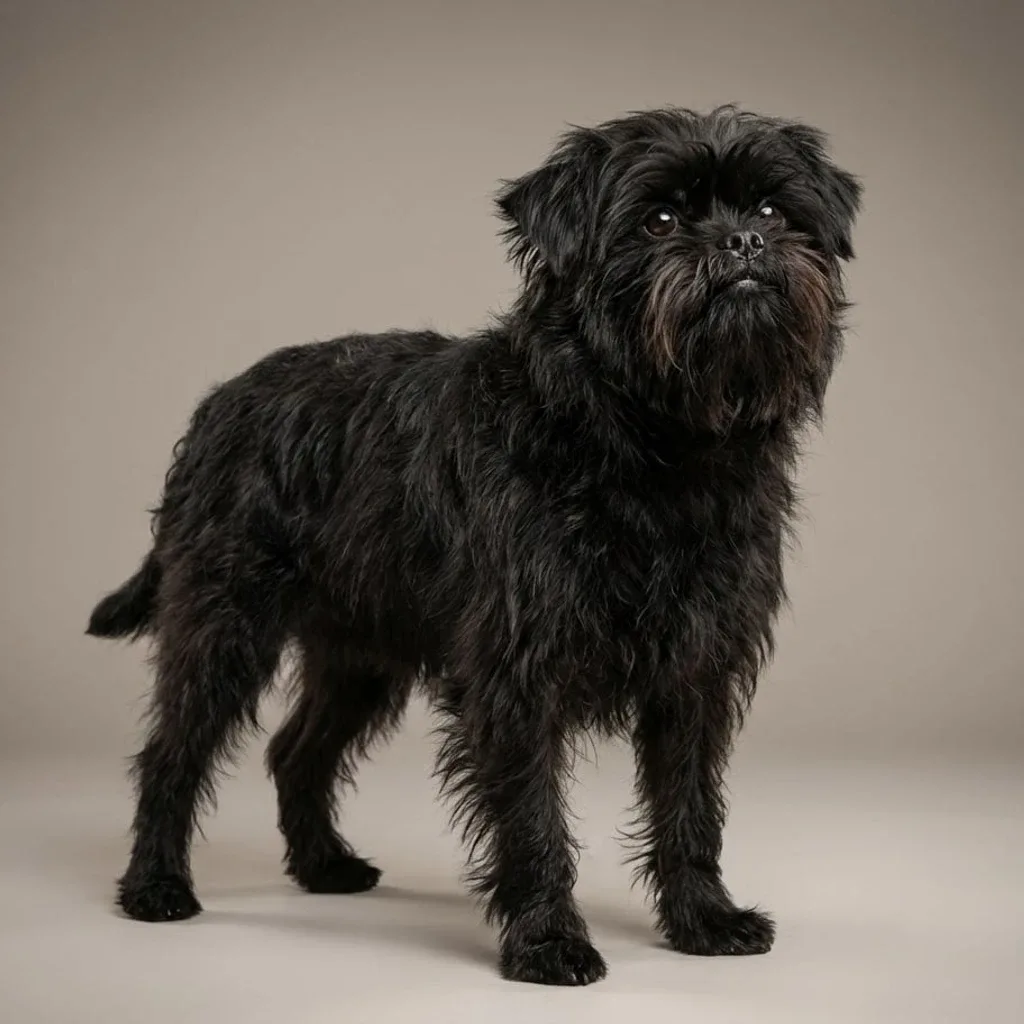
Affenpinscher
The Affenpinscher is a sturdy, monkey-like terrier-type toy breed known for its confidence and playful spirit. Despite its small size, it possesses a courageous heart and a loyal personality, making it a wonderful companion for Kiwi apartment dwellers or those with smaller sections.
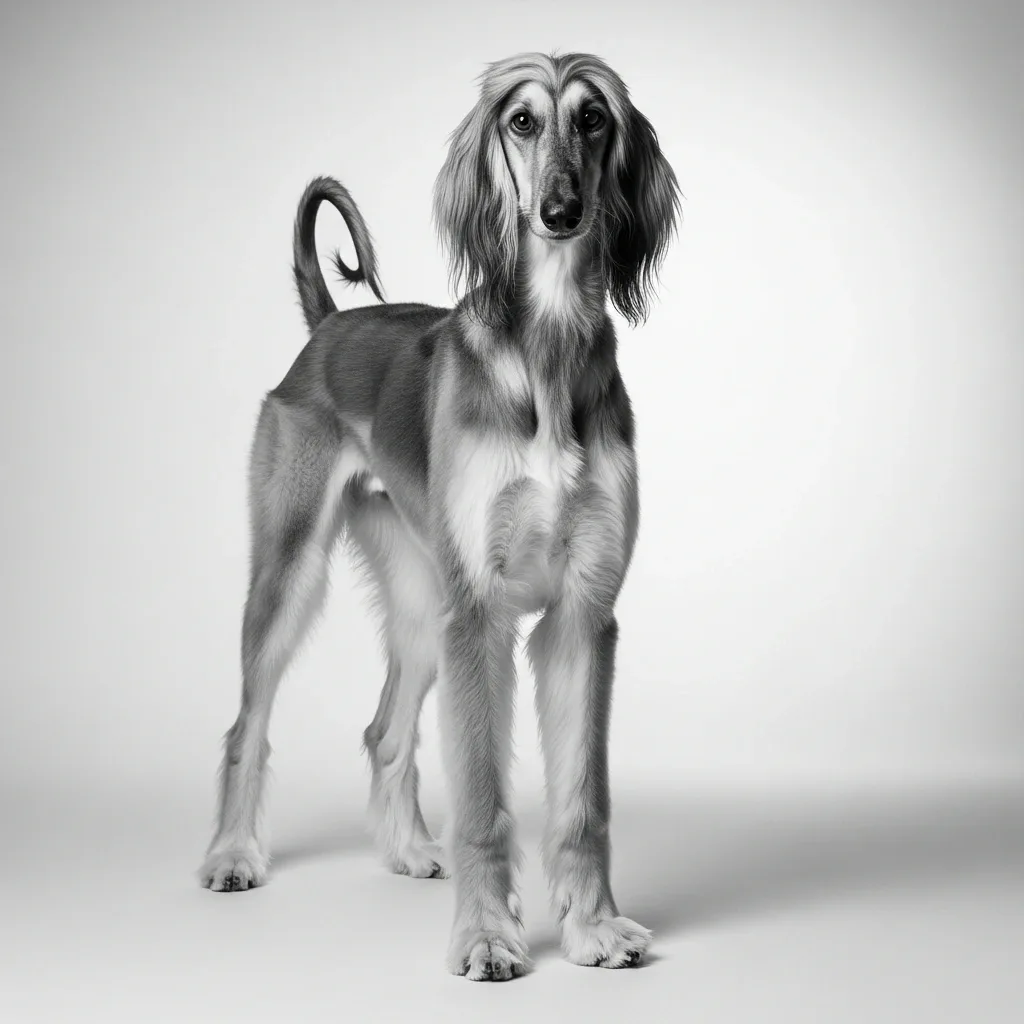
Afghan Hound
The Afghan Hound is an elegant aristocrat with a dignified and aloof personality. Known for its striking, silky coat, this breed is a high-maintenance beauty that requires ample space to run and an owner dedicated to its complex grooming needs.
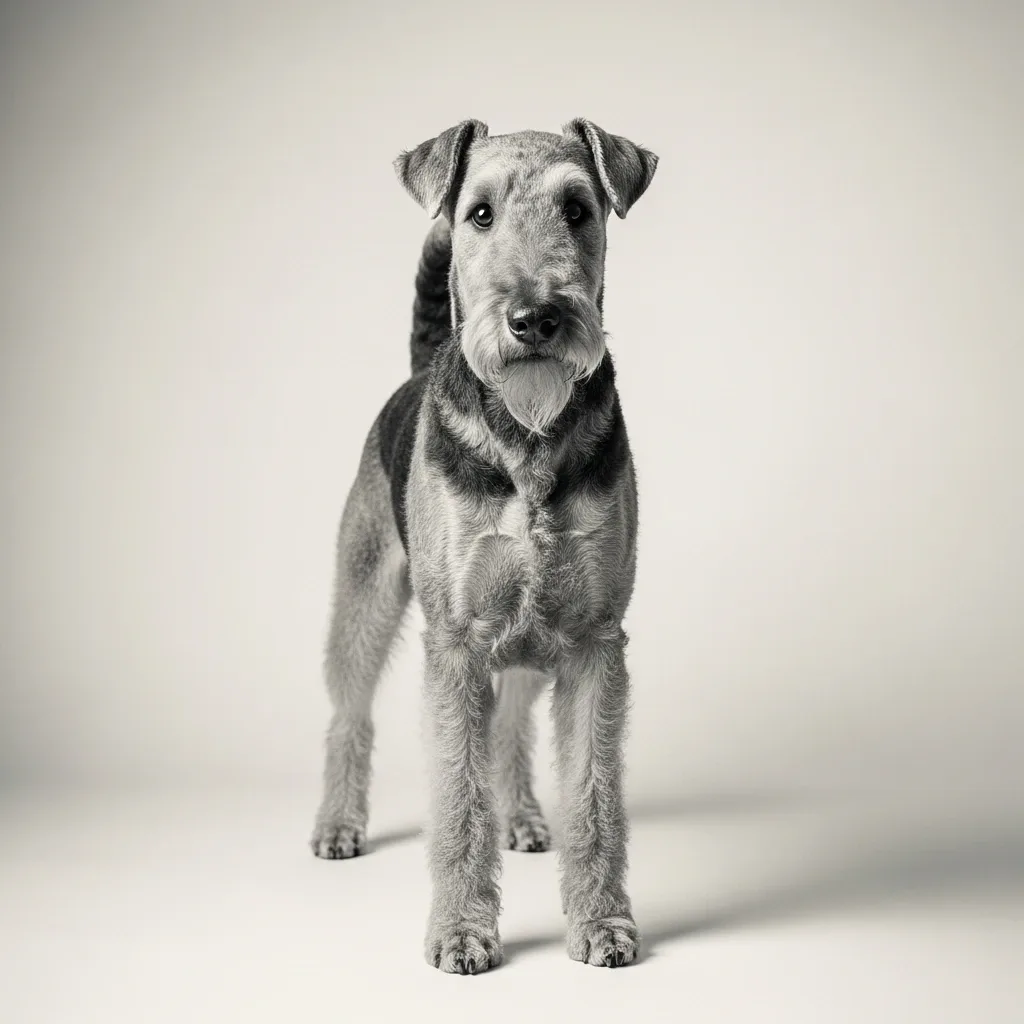
Airedale Terrier
The 'King of Terriers', the Airedale is the largest of all terrier breeds. They are brave, hardworking, and highly intelligent, making them excellent partners for active Kiwi families who love tramping and outdoor adventures.
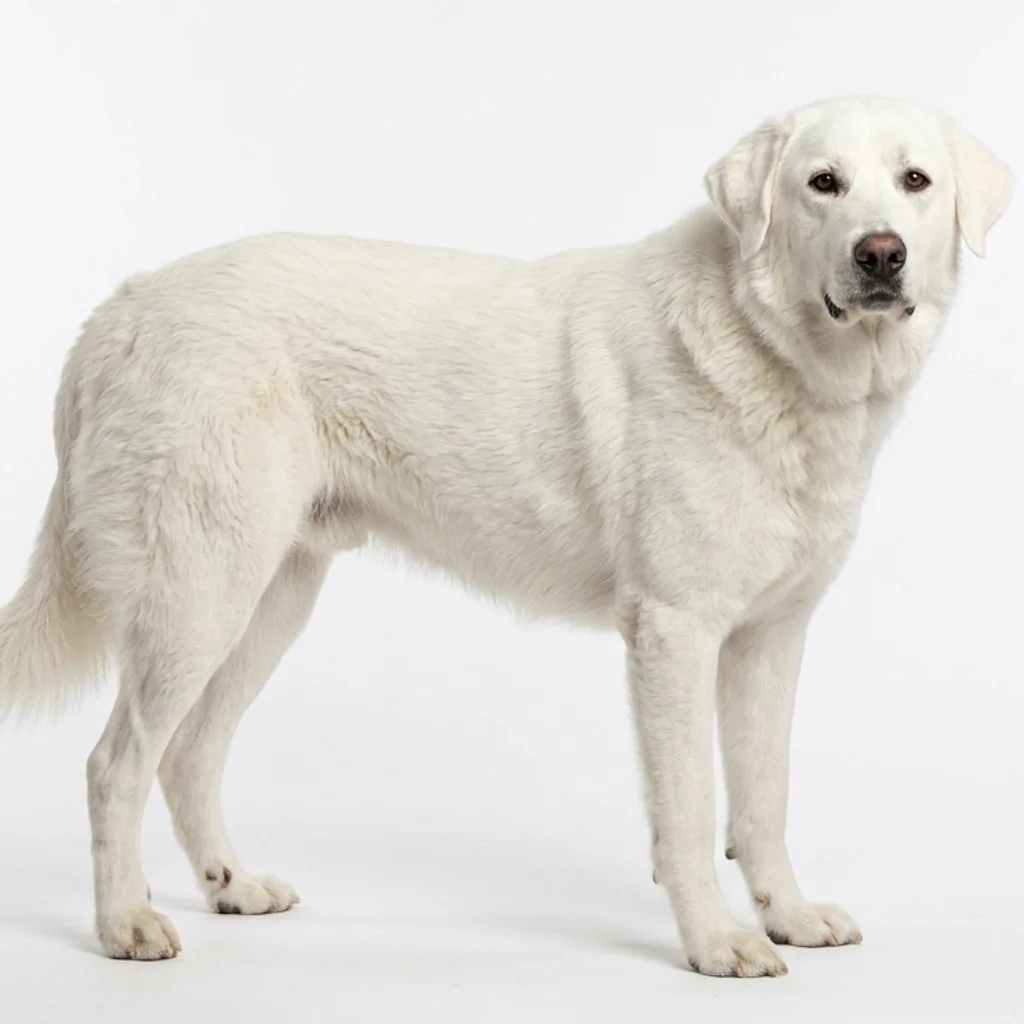
Akbash Dog
Originally a Turkish livestock guardian, the Akbash is a serious, protective, and independent breed. They are not suited for apartment living and thrive on large NZ lifestyle blocks where they can have a 'territory' to watch over.