Dog Breed Guide NZ
Tibetan Mastiff
The Tibetan Mastiff is a truly majestic and ancient breed, known for its massive size, powerful presence, and noble demeanour. Originating from the Himalayas, these dogs are deeply devoted to their families, exhibiting an independent and serious nature, coupled with fierce protectiveness. They are not a breed for the faint of heart or first-time dog owners, requiring experienced handling and extensive socialisation from a young age. In New Zealand, their imposing stature and guardian instincts make them best suited for rural lifestyle blocks or properties with very large, secure sections, offering ample space for them to patrol and thrive, away from the hustle and bustle of urban living.
Photo Gallery
Breed Snapshot
- Size
- Male: 45-73 kg; Female: 34-54 kg
- Lifespan
- 10-12 years
- Origin
- Being enriched
- Temperament
- Independent, protective, intelligent, loyal, calm
- NZ Price
- $3,500 - $7,000 NZD from registered breeders; $150-$350 NZD adoption via SPCA (rarely available)
- Annual Vet Cost
- Estimated annual vet costs for a Tibetan Mastiff in NZ can range from $800 - $1,500 NZD, excluding emergency care. This includes routine check-ups, vaccinations, flea and worm treatments (which are more expensive for large breeds due to dosage), and potentially dental care. Breed-specific health issues like hip and elbow dysplasia, hypothyroidism, and certain eye conditions can incur significant additional costs for diagnostics, medication, or surgery, potentially adding thousands of dollars in a given year. Regular preventative care and pet insurance are highly recommended for this breed.
Personality Scores
NZ Lifestyle Fit
The Tibetan Mastiff's suitability for various New Zealand living situations is quite specific. They are absolutely **not suitable for apartment living**, especially in cities like Auckland, due to their massive size, need for space, and strong guarding instincts. Confining them to a small flat would lead to significant behavioural issues and unhappiness for the dog. For a house with a standard section, even a large one, it's still challenging. They require a very large, securely fenced property where they can patrol and feel they have a territory to protect. High, robust fencing is non-negotiable. Their thick double coat can make Auckland's humid summers uncomfortable, requiring access to cool, shaded areas and plenty of water. Conversely, they are well-equipped for the South Island's colder winters. They are **best suited for rural NZ lifestyle blocks or farms** with experienced owners who understand guardian breeds. This environment allows them to exercise their natural instincts to guard property and livestock. New Zealand's high UV levels mean they should always have shade available outdoors. MPI (Ministry for Primary Industries) has no specific restrictions on the Tibetan Mastiff breed in New Zealand, but all dog owners must adhere to the Animal Welfare Act and local council bylaws regarding responsible dog ownership, including registration and containment.
The Tibetan Mastiff is an awe-inspiring canine, a true giant among dogs, renowned for its formidable presence and unwavering loyalty. This ancient breed carries a profound history and a unique set of characteristics that demand respect and understanding from potential owners. They are not merely pets but powerful guardians, deeply bonded with their human families.
Origins & History
The Tibetan Mastiff's lineage stretches back thousands of years, originating in the harsh, isolated mountain regions of the Himalayas. Here, they were indispensable working dogs, serving as formidable guardians of livestock, homes, and monasteries against predators like wolves, leopards, and even bears. Their imposing size, thick coats, and fearless nature were perfectly adapted to the extreme cold and rugged terrain. These dogs were largely unknown to the Western world until the 19th century, with the first recorded Tibetan Mastiff reaching England in 1847 as a gift to Queen Victoria. Their long history as independent protectors has shaped their temperament, making them self-reliant and highly observant, a trait still very much present in the breed today.
Appearance
The Tibetan Mastiff is a truly massive and powerfully built dog. Males typically stand at least 66 cm at the shoulder and can weigh between 45-73 kg, while females are slightly smaller, usually 61 cm and 34-54 kg. Their most striking feature is their impressive double coat, which is thick and dense, providing excellent insulation against extreme weather. The coat comes in various colours, including black, brown, gold, and blue/grey, often with tan markings. They possess a distinctive mane around the neck and shoulders, particularly prominent in males, giving them a lion-like appearance. Their strong, broad head, deep-set eyes, and noble expression complete their majestic look.
Temperament & Personality
True to their guardian heritage, Tibetan Mastiffs are independent, protective, intelligent, and fiercely loyal to their families. They possess a calm and watchful demeanour, often appearing aloof or reserved with strangers. This wariness is a natural part of their protective instinct, not aggression, but it means early and consistent socialisation is paramount. They are known for their deep devotion to their immediate family, including children and other pets they have grown up with, but their sheer size demands supervision, especially with very young children. Their intelligence means they can learn quickly, but their independent nature often means they will choose to obey only if they see the point, requiring a confident, consistent, and patient owner.
Life in New Zealand
Bringing a Tibetan Mastiff into a New Zealand home requires careful consideration. Their thick double coat, while perfect for the South Island's colder winters, can be a challenge during Auckland's humid summers, necessitating ample shade, cool water, and indoor access during the hottest parts of the day. Their strong protective instincts make them excellent guardians for properties, but this also means they require secure fencing – preferably high, solid fences – to prevent them from roaming or confronting perceived threats. They thrive on having a 'job' to do, even if it's just patrolling their section, and are not suited to being cooped up. Responsible ownership, including adherence to local council bylaws regarding dog control, is essential.
Is This the Right Breed for You?
The Tibetan Mastiff is a magnificent breed, but definitely not for everyone. They require an experienced dog owner who understands the nuances of guardian breeds and is committed to extensive training and socialisation. They need a large, securely fenced property, ideally a rural lifestyle block, where they have space to move and fulfil their natural guarding instincts. Owners must be prepared for their independent nature, their significant grooming needs, and the potential for a strong-willed companion. For the right owner, a Tibetan Mastiff offers unparalleled loyalty, protection, and a truly unique bond, becoming a devoted and majestic member of the family.
Fun Facts
Fact 1
The Tibetan Mastiff is one of the oldest and most primitive dog breeds, with a lineage potentially dating back thousands of years.
Fact 2
Historically, they were used to guard livestock and homes in the Himalayas, even protecting against large predators like wolves and snow leopards.
Fact 3
Their distinctive 'mane' around the neck and shoulders, particularly prominent in males, gives them a lion-like appearance.
Fact 4
Tibetan Mastiffs are known for their 'night barking' habit, a remnant of their ancestral role as nocturnal guardians.
Fact 5
The breed holds the record for one of the most expensive dogs ever sold, with a red Tibetan Mastiff puppy reportedly selling for nearly $2 million USD in China.
Related Breeds
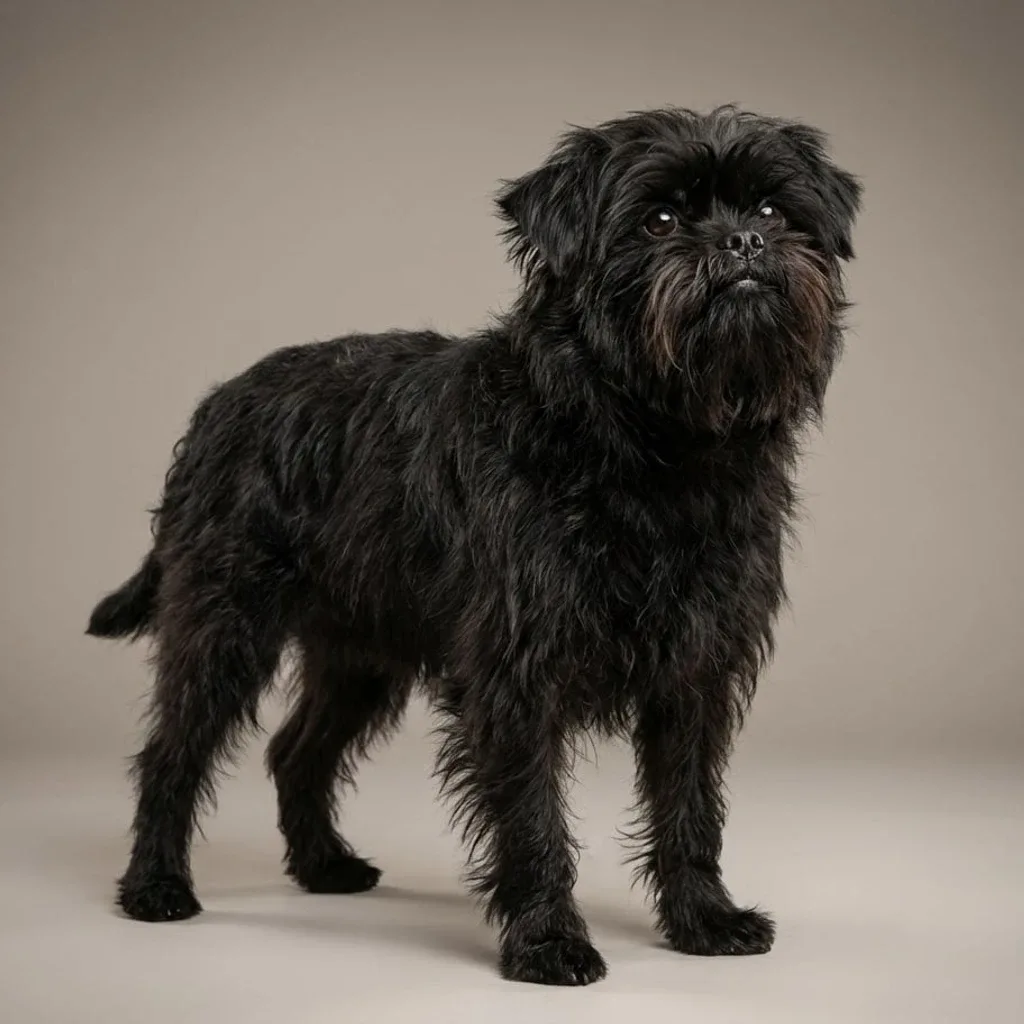
Affenpinscher
The Affenpinscher is a sturdy, monkey-like terrier-type toy breed known for its confidence and playful spirit. Despite its small size, it possesses a courageous heart and a loyal personality, making it a wonderful companion for Kiwi apartment dwellers or those with smaller sections.
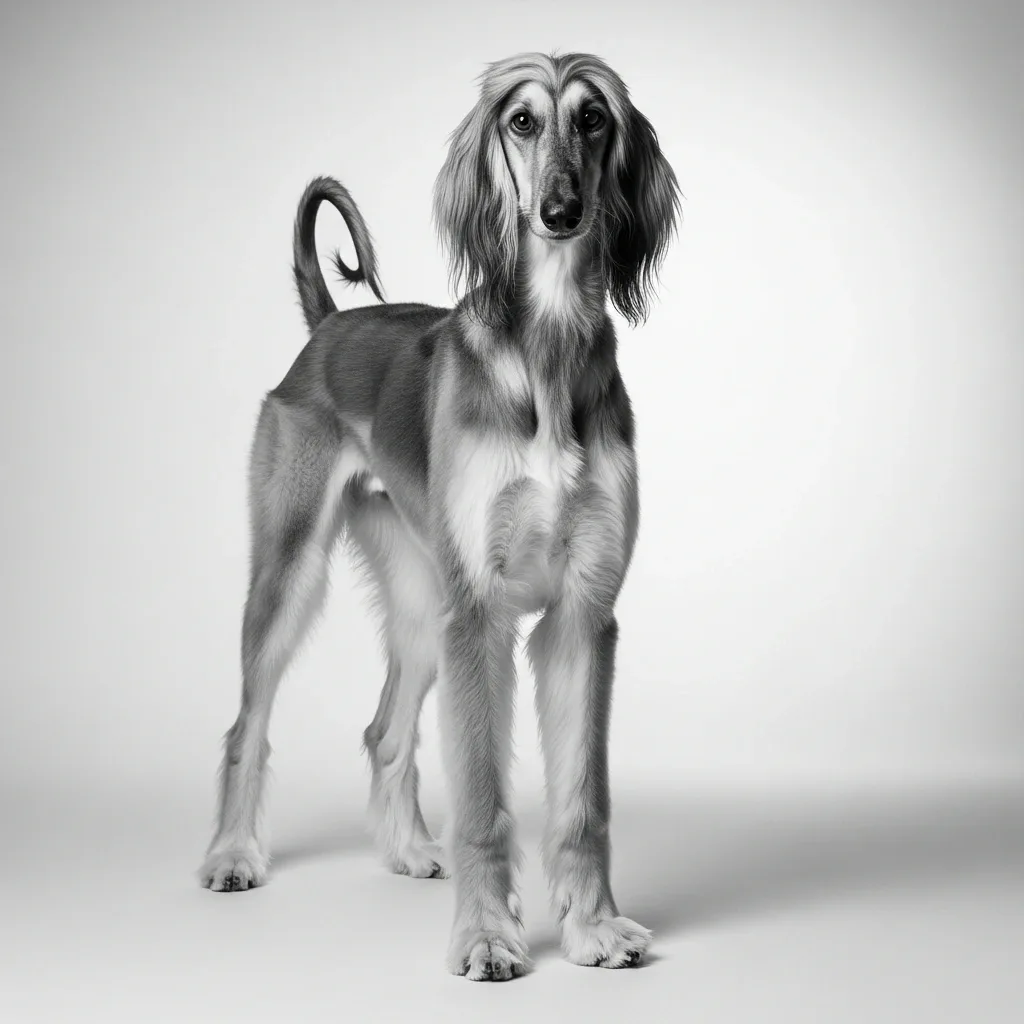
Afghan Hound
The Afghan Hound is an elegant aristocrat with a dignified and aloof personality. Known for its striking, silky coat, this breed is a high-maintenance beauty that requires ample space to run and an owner dedicated to its complex grooming needs.
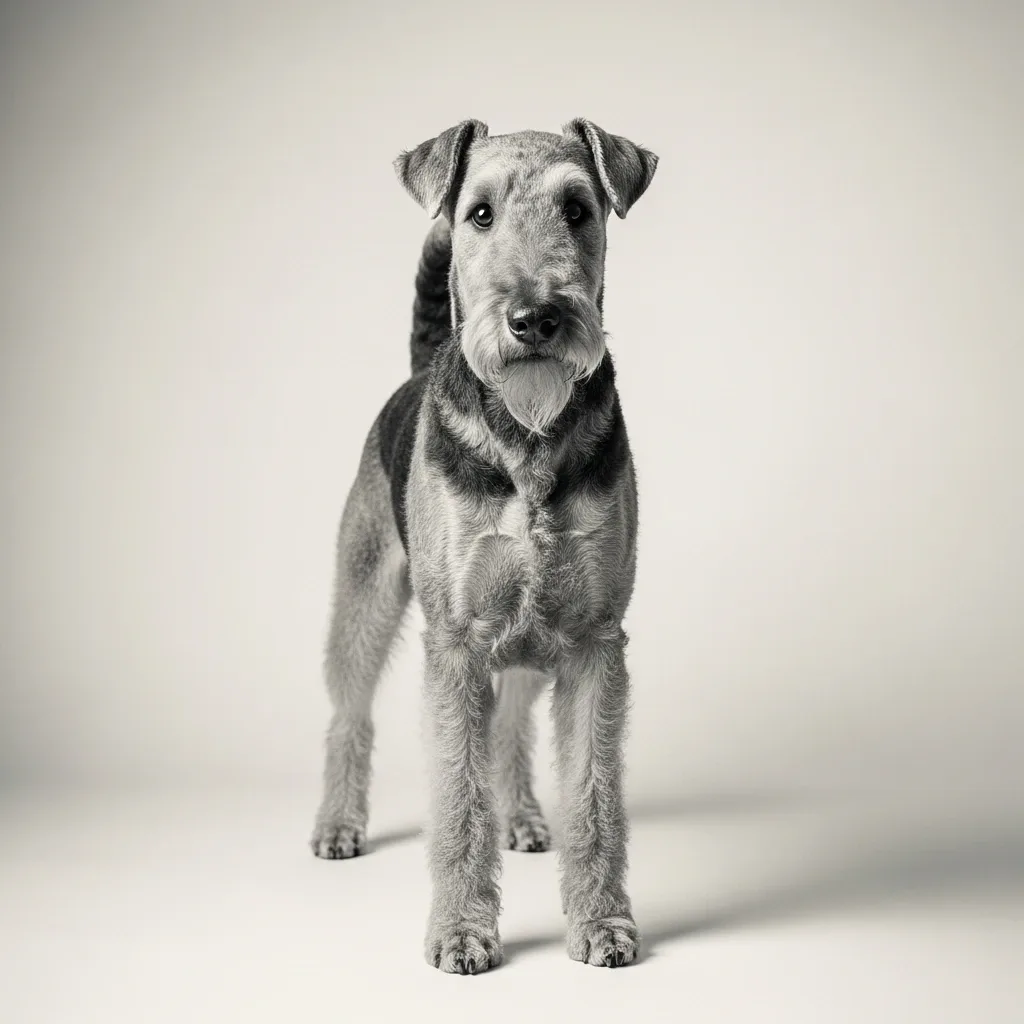
Airedale Terrier
The 'King of Terriers', the Airedale is the largest of all terrier breeds. They are brave, hardworking, and highly intelligent, making them excellent partners for active Kiwi families who love tramping and outdoor adventures.
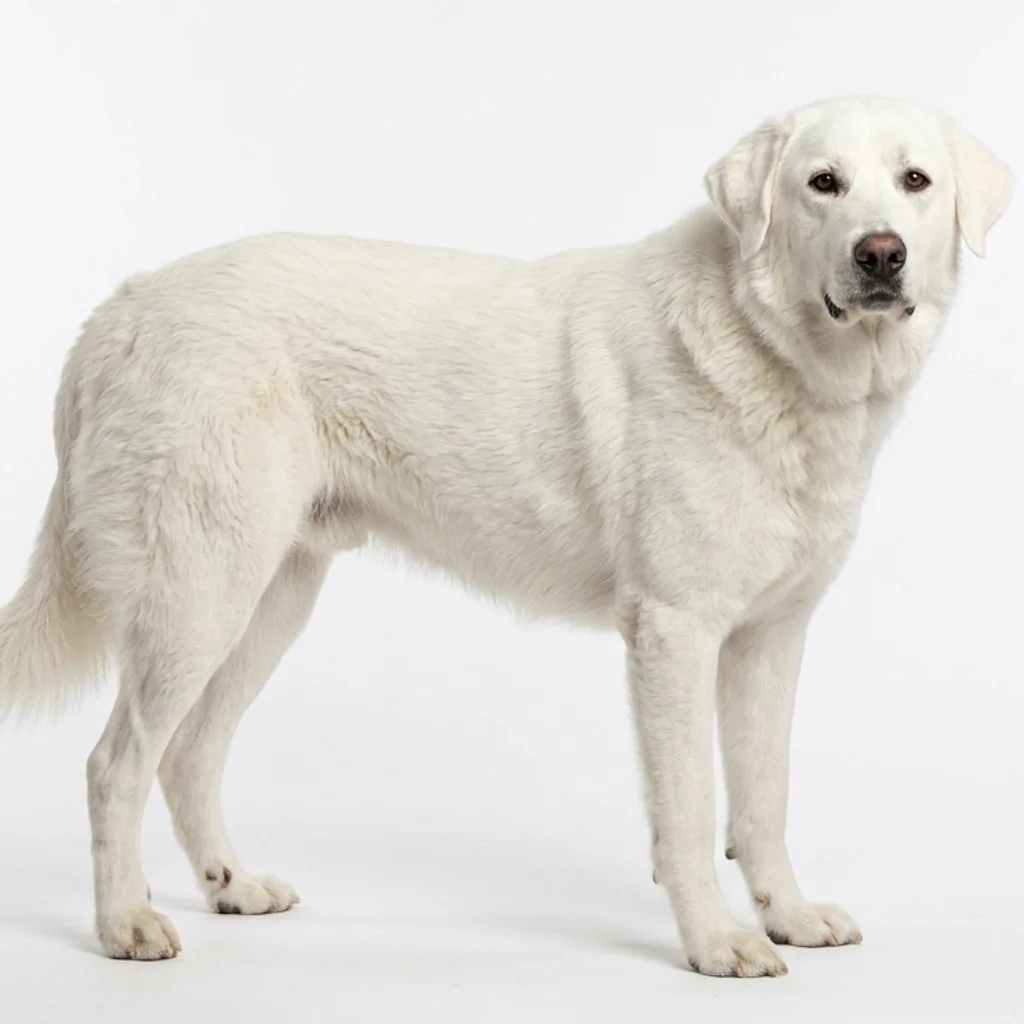
Akbash Dog
Originally a Turkish livestock guardian, the Akbash is a serious, protective, and independent breed. They are not suited for apartment living and thrive on large NZ lifestyle blocks where they can have a 'territory' to watch over.