Dog Breed Guide NZ
Thai Ridgeback
The Thai Ridgeback is an ancient, athletic, and intelligent dog breed hailing from Thailand, instantly recognisable by the distinctive ridge of hair running along its back. These independent thinkers are fiercely loyal and protective of their families, making them excellent guardians. With their strong prey drive and need for consistent training, they are best suited for experienced dog owners who can provide clear leadership and ample physical and mental stimulation. In New Zealand, their robust nature and short coat make them adaptable to various climates, thriving in active Kiwi households that embrace outdoor adventures and can commit to their unique needs.
Photo Gallery
Breed Snapshot
- Size
- Male: 23-34 kg; Female: 16-25 kg
- Lifespan
- 12-13 years
- Origin
- Being enriched
- Temperament
- Intelligent, loyal, independent, protective, athletic, alert
- NZ Price
- $3,000 - $5,000 NZD from registered breeders; $150-$350 NZD adoption via SPCA (rarely available)
- Annual Vet Cost
- Estimated annual vet costs for a Thai Ridgeback in NZ typically range from $600 - $1,200 NZD for routine care, including vaccinations, flea/worm treatments, and annual check-ups. However, specific health issues can increase this. Dermoid Sinus, a congenital condition common in the breed, may require surgical removal, costing anywhere from $1,500 - $4,000 NZD depending on complexity. Hip and elbow dysplasia screenings or treatments could add $1,000 - $5,000 NZD if issues arise. Allergies, which can manifest as skin problems, might incur ongoing costs for medication or specialised diets.
Personality Scores
NZ Lifestyle Fit
The Thai Ridgeback's suitability for different New Zealand living situations varies. An Auckland apartment might be challenging due to their high energy and need for space, requiring significant daily exercise and mental stimulation outside the flat. A house with a securely fenced section is far more suitable, offering space to run and patrol. Rural NZ farms can be excellent, but their strong prey drive necessitates careful management around livestock. Auckland's humid summers are generally well-tolerated by their short coat, but shade and fresh water are always essential. In South Island's cold winters, their short coat means they'll need a warm dog coat for outdoor activities and a cosy, sheltered sleeping area. High UV levels across NZ mean light-coloured Thai Ridgebacks may require sun protection. There are no specific MPI restrictions on owning Thai Ridgebacks in New Zealand.
Origins & History
Originating from Thailand, the Thai Ridgeback is an ancient breed with a history spanning thousands of years. Believed to be one of only three breeds worldwide featuring a 'ridge' of hair along its back (the others being the Rhodesian Ridgeback and Phu Quoc Ridgeback), these dogs were historically used for hunting, guarding, and as companions in rural areas. Their isolation in eastern Thailand contributed to their genetic purity and rarity outside their homeland for many centuries. They are known for their incredible agility, intelligence, and survival instincts, honed over generations in challenging environments. The breed gained international recognition relatively recently, with efforts by enthusiasts to preserve and promote this unique canine.
Appearance
The Thai Ridgeback is a medium-to-large sized, muscular, and athletic dog. Males typically weigh between 23-34 kg, while females range from 16-25 kg. They possess a short, smooth coat that comes in a variety of colours including blue, black, red, and fawn, often with a black mask. Their most distinguishing feature is the ridge of hair on their back, formed by hair growing in the opposite direction to the rest of the coat. This ridge can come in various patterns, such as needle, feather, or saddle. They have pricked ears, an alert expression, and a strong, agile build that reflects their hunting heritage. Their short coat is easy to maintain and contributes to their sleek, elegant appearance.
Temperament & Personality
Thai Ridgebacks are renowned for their intelligence, loyalty, and independent nature. They form deep bonds with their families but can be reserved or wary of strangers, making early and extensive socialisation crucial. Their protective instincts are strong, and they are naturally alert, making them excellent watchdogs. However, this also means they require a confident and consistent owner who can guide their protective tendencies positively. They possess a high prey drive, so careful management around smaller pets or wildlife is essential. While athletic and energetic outdoors, they are generally calm and quiet inside the home, often enjoying a good cuddle with their chosen people. They are not recommended for first-time dog owners due to their strong will and specific training needs.
Life in New Zealand
For a Thai Ridgeback in New Zealand, life can be rich and fulfilling, provided their needs are met. Their athletic build and love for activity make them ideal companions for exploring New Zealand's diverse landscapes, from beach walks to tramping tracks (always on lead in designated areas). Their short coat is well-suited to our generally mild climate, though they will appreciate a warm coat during South Island winters or cooler North Island days. Their independent nature means they can enjoy time exploring a securely fenced section, but they thrive on being an integral part of family life. Early socialisation at puppy preschools and ongoing training with NZ dog clubs will help them integrate well into Kiwi society, ensuring they are well-mannered around other dogs and people in our parks and public spaces.
Is This the Right Breed for You?
The Thai Ridgeback is a magnificent breed, but not for everyone. They require an experienced, committed owner who understands the nuances of a primitive, independent dog. If you lead an active lifestyle, are prepared for consistent positive reinforcement training, and can provide ample mental stimulation, a Thai Ridgeback could be a loyal and rewarding companion. They thrive in homes where they are part of the family, not just backyard dogs. Potential owners should be prepared for their protective instincts and strong prey drive, ensuring proper socialisation and management. If you're looking for an intelligent, athletic, and devoted dog that will challenge and enrich your life, and you're ready for the commitment, the Thai Ridgeback might just be your perfect match.
Fun Facts
Fact 1
The Thai Ridgeback is one of only three dog breeds in the world known to have a distinctive ridge of hair along its back.
Fact 2
They are considered a 'primitive' breed, meaning their genetics have been less influenced by selective breeding compared to many modern breeds.
Fact 3
Historically, Thai Ridgebacks were used for hunting wild boar, deer, and even cobras in Thailand.
Fact 4
Despite their athletic build, they are known for being surprisingly quiet and calm indoors, enjoying cuddles with their family.
Fact 5
Due to their isolation in Thailand, the breed remained largely unknown outside its native country until relatively recently.
Related Breeds
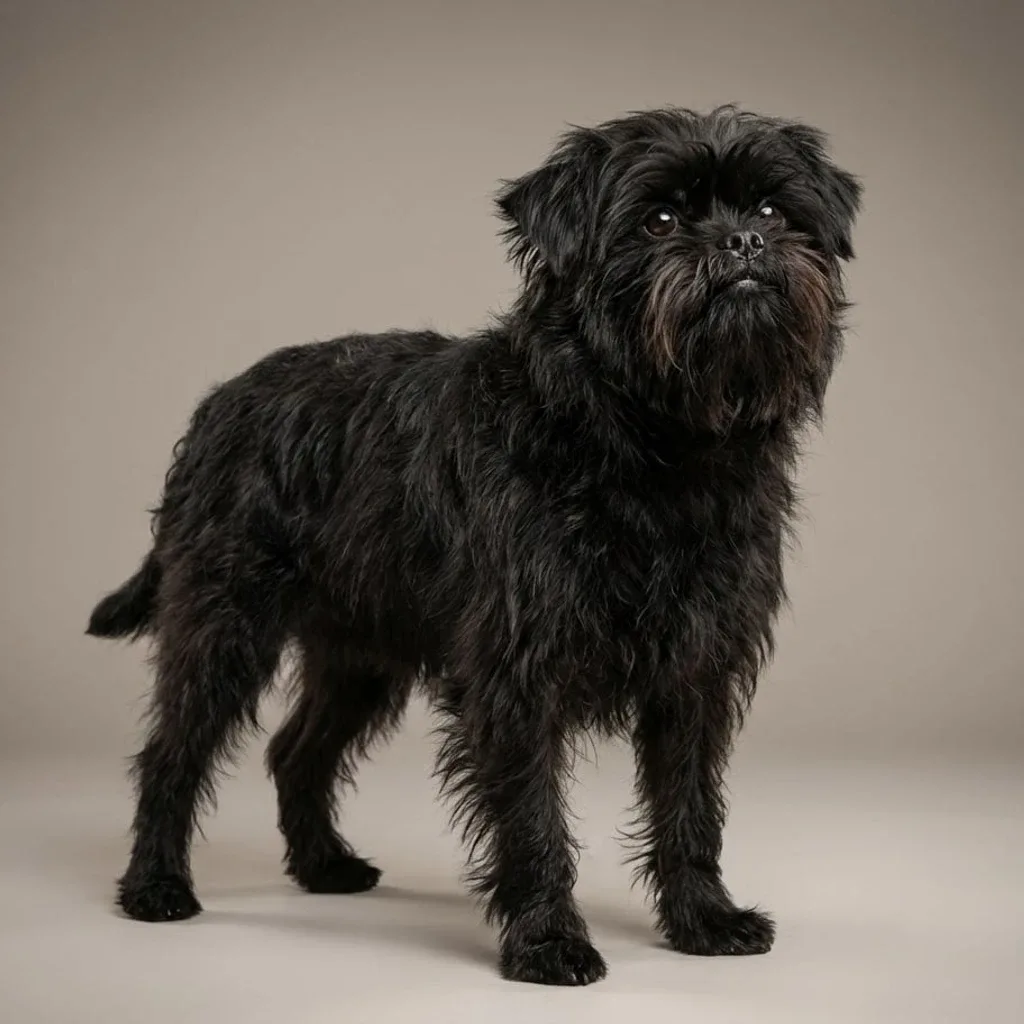
Affenpinscher
The Affenpinscher is a sturdy, monkey-like terrier-type toy breed known for its confidence and playful spirit. Despite its small size, it possesses a courageous heart and a loyal personality, making it a wonderful companion for Kiwi apartment dwellers or those with smaller sections.
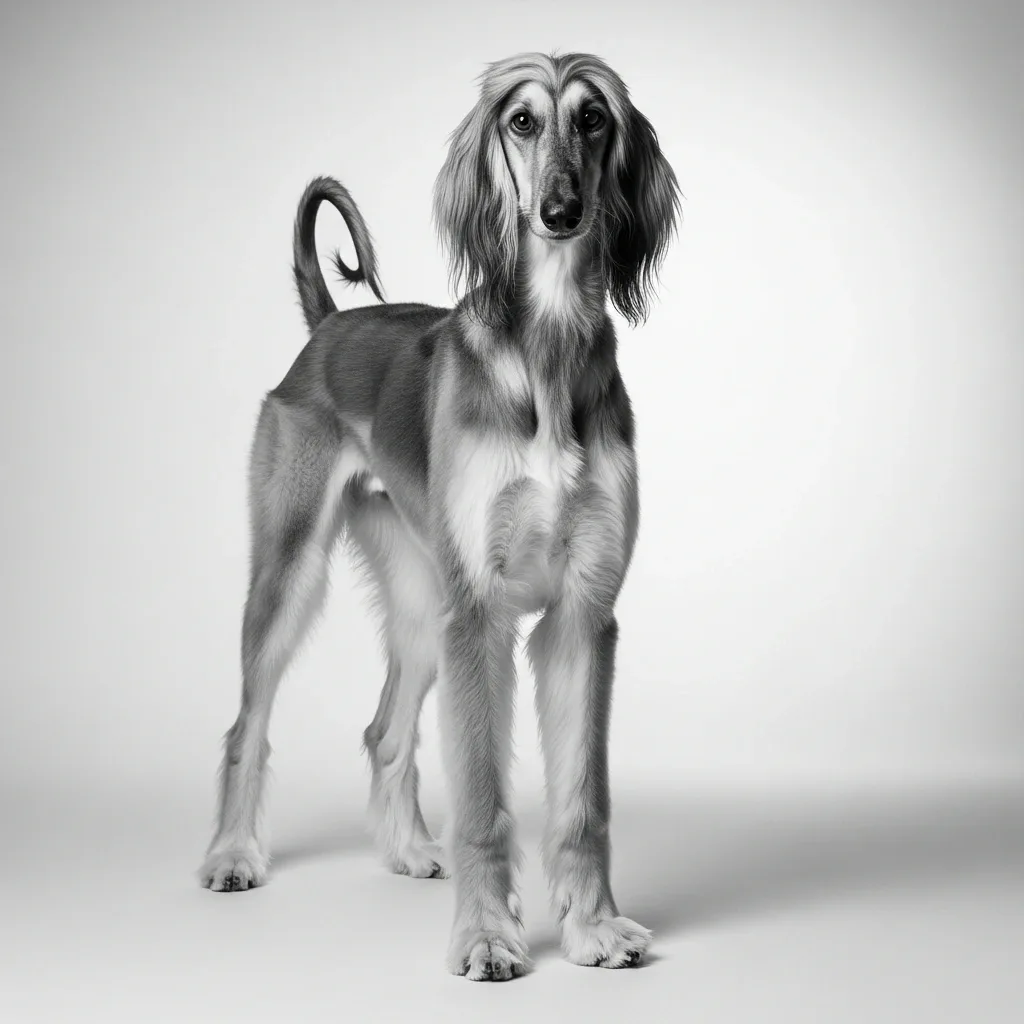
Afghan Hound
The Afghan Hound is an elegant aristocrat with a dignified and aloof personality. Known for its striking, silky coat, this breed is a high-maintenance beauty that requires ample space to run and an owner dedicated to its complex grooming needs.
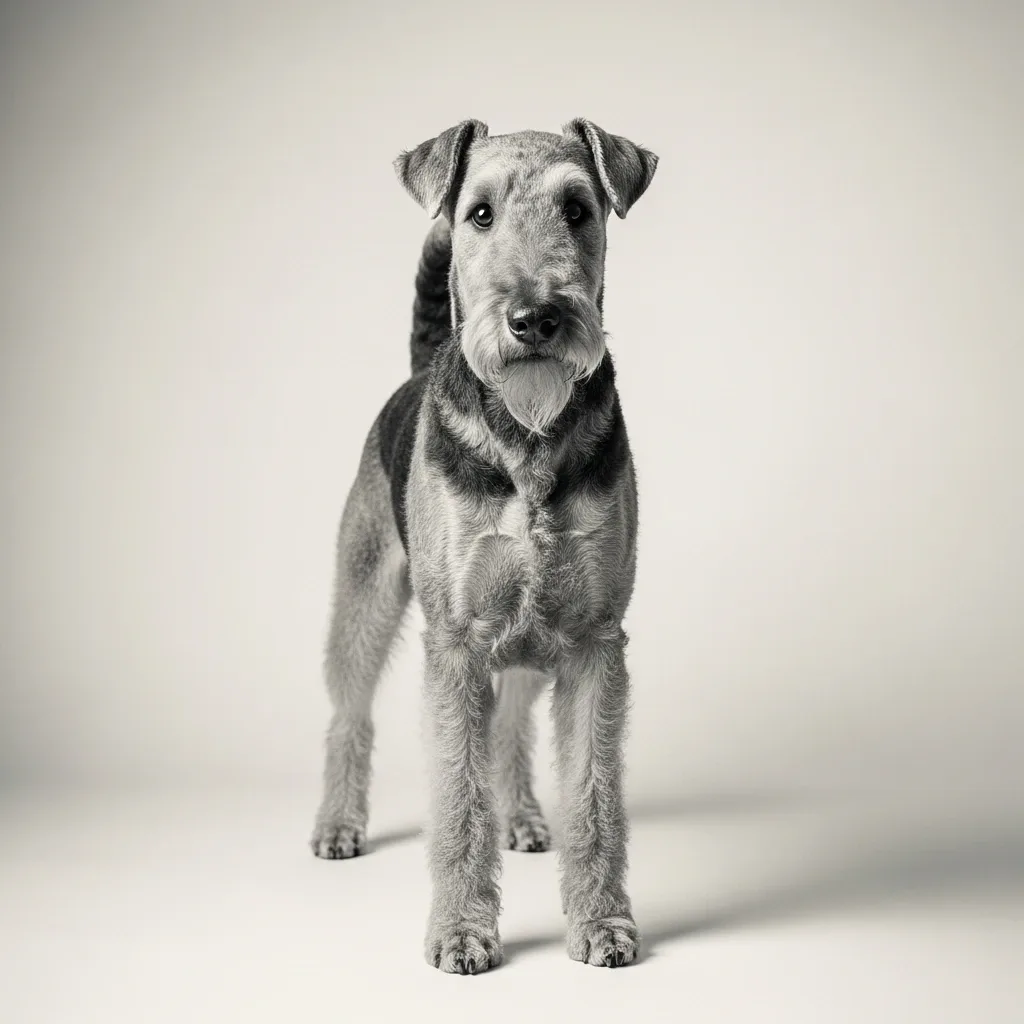
Airedale Terrier
The 'King of Terriers', the Airedale is the largest of all terrier breeds. They are brave, hardworking, and highly intelligent, making them excellent partners for active Kiwi families who love tramping and outdoor adventures.
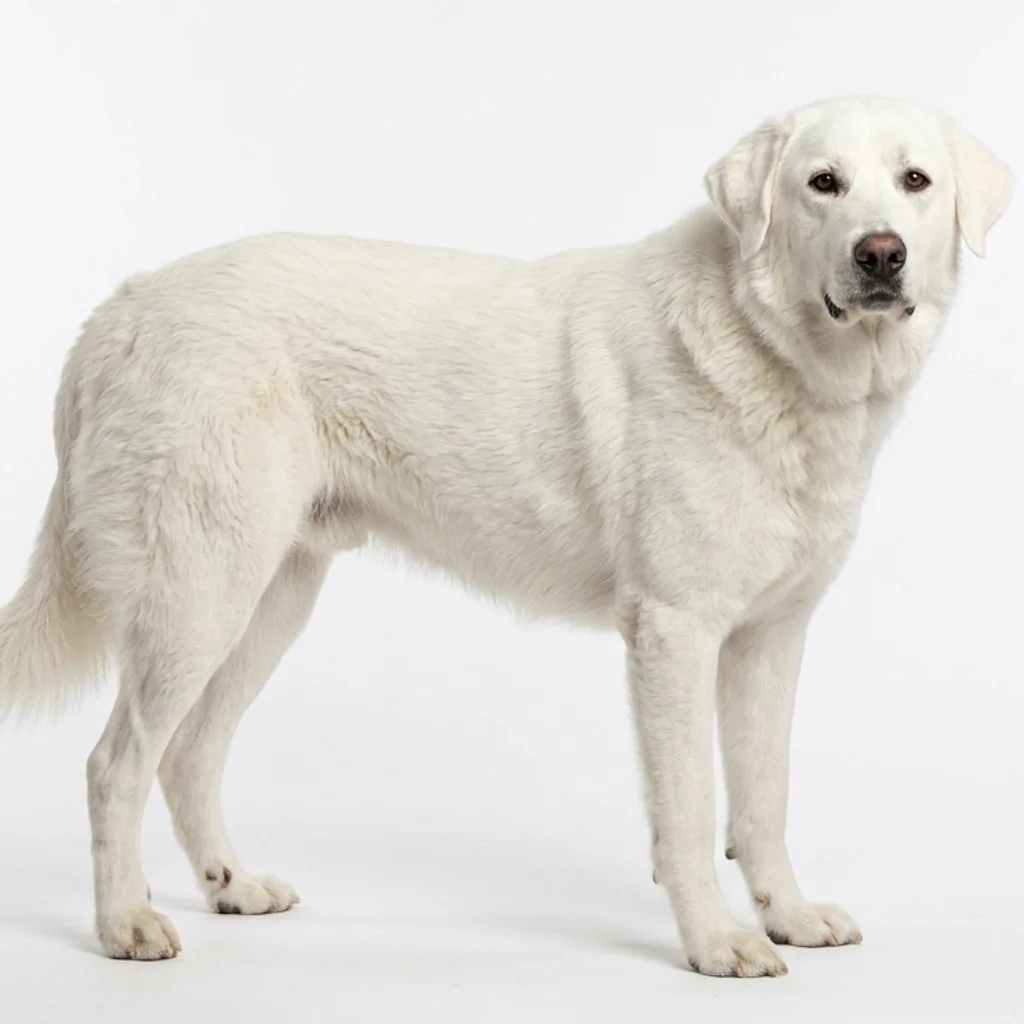
Akbash Dog
Originally a Turkish livestock guardian, the Akbash is a serious, protective, and independent breed. They are not suited for apartment living and thrive on large NZ lifestyle blocks where they can have a 'territory' to watch over.