Dog Breed Guide NZ
Swedish Vallhund
The Swedish Vallhund, affectionately known as the 'Viking Dog', is a small yet remarkably powerful and fearless herder with a distinctive long, low-slung body. Originating from Sweden, this ancient breed boasts an energetic, intelligent, and playful temperament, coupled with an eagerness to please that makes them highly trainable. They truly possess a big dog personality in a compact frame, making them incredibly versatile companions. In New Zealand, Vallhunds are steadily gaining popularity as fantastic additions for active Kiwi families who appreciate a smart, robust, and spirited dog ready for any adventure, from beach walks and dog park visits to exploring local tramping tracks. Their adaptability and lively nature fit perfectly with the active New Zealand lifestyle, offering endless fun and loyalty.
Photo Gallery
Breed Snapshot
- Size
- 9-16 kg
- Lifespan
- 12-15 years
- Origin
- Being enriched
- Temperament
- Alert, energetic, friendly, intelligent, courageous, playful, eager to please
- NZ Price
- $2,000 - $3,500 NZD from registered breeders; $150-$350 NZD adoption via SPCA
- Annual Vet Cost
- Estimated annual vet costs for a Swedish Vallhund in New Zealand typically range from $400 - $800 NZD. This covers essential routine check-ups, annual vaccinations, and year-round flea and worming treatments, which are crucial given NZ's climate and outdoor lifestyle. However, potential breed-specific health issues can significantly increase these costs. Vallhunds are known to be prone to Progressive Retinal Atrophy (PRA), a genetic eye condition that can lead to blindness, and orthopaedic issues like hip and elbow dysplasia. Patellar luxation (slipping kneecaps) is another concern. Regular screening for these conditions, particularly genetic testing for PRA and hip/elbow scoring, is highly recommended by the NZVA (New Zealand Veterinary Association) for responsible breeders and can add to initial puppy costs. Should a Vallhund develop any of these conditions, treatment, including specialist consultations, medication, or surgery, could incur costs upwards of $1,000 - $5,000 NZD. Therefore, many Kiwi owners find pet insurance a valuable investment to help manage unexpected veterinary expenses.
Personality Scores
NZ Lifestyle Fit
The Swedish Vallhund's adaptable nature makes them suitable for various New Zealand living situations, though their energy levels are a key consideration. For an apartment in Auckland, a Vallhund could manage if their owners are committed to daily, vigorous exercise outside the flat, utilising nearby parks and footpaths. However, their vocal tendencies and herding instincts mean a ground-floor apartment or easy access to outdoor space is preferable. A house with a section, common in many Kiwi suburbs, is ideal, providing space for zoomies and playtime. Rural NZ farms are a natural fit, allowing them to truly embrace their herding heritage, though supervision around livestock is essential to ensure appropriate behaviour. Regarding climate, their double coat is well-suited to South Island cold winters, offering excellent insulation. In Auckland's humid summers, owners must ensure ample shade, fresh water, and avoid strenuous exercise during the hottest parts of the day to prevent overheating. New Zealand's high UV levels mean sun protection, especially for lighter-coated dogs, is important during prolonged outdoor exposure. Fortunately, there are no specific MPI (Ministry for Primary Industries) restrictions on importing or owning Swedish Vallhunds in New Zealand, making them a straightforward choice for those looking to bring one into the country or adopt locally.
Origins & History
The Swedish Vallhund, whose name translates to "Swedish herding dog," boasts a rich and ancient history, often tracing its lineage back over a thousand years to the time of the Vikings. Believed to have developed in Sweden as far back as the 8th or 9th century, these dogs were indispensable farmhands, primarily used for herding cattle and sheep. Their low-slung bodies allowed them to nip at the heels of livestock without getting kicked, a characteristic herding technique. There's a fascinating debate among canine historians about the Vallhund's connection to the Welsh Corgi; some theories suggest the Vikings brought Vallhunds to Britain, influencing the development of the Corgi, while others propose the opposite. Regardless, their shared physical traits and herding prowess are undeniable. After facing near extinction in the early 20th century, dedicated efforts by Swedish breed enthusiasts, particularly Count Björn von Rosen and Karl-Gustaf Zetterstén, revitalised the breed, ensuring its survival and recognition globally. Today, the Swedish Vallhund is celebrated not just as a historical working dog but as a cherished companion.
Appearance
The Swedish Vallhund is a sturdy, well-built dog with a distinctive appearance that often earns them comparisons to a "Corgi on stilts." They possess a long, low-slung body, powerful legs, and a wedge-shaped head with alert, prick ears. Their expressive eyes convey intelligence and curiosity. Vallhunds are a medium-sized breed, typically weighing between 9 to 16 kg and standing about 31 to 35 cm at the shoulder. Their double coat is medium length, harsh on the topcoat, and soft and dense on the undercoat, providing excellent insulation against various weather conditions. Coat colours range from grey, greyish-brown, greyish-yellow, and reddish-yellow, often with lighter markings on the chest, belly, and breeches, and a darker harness marking on the back. A unique feature is their tail, which can vary from a natural bobtail to a full, sickle-shaped tail, with all variations being acceptable within the breed standard.
Temperament & Personality
The Swedish Vallhund's temperament is a delightful blend of intelligence, courage, and playfulness, making them truly captivating companions. They are inherently alert and energetic, always keen to be involved in family activities. Their herding instincts are strong, meaning they might try to "herd" children or other pets by gently nipping at heels – a trait that can be managed with early training and redirection. Vallhunds are known for being friendly and eager to please, which, combined with their sharp minds, makes them highly trainable. They thrive on mental stimulation and physical activity, quickly becoming bored and potentially mischievous if left without engagement. They form strong bonds with their families and are excellent watchdogs, quick to bark at anything unusual, but generally not aggressive. Their courageous nature means they aren't easily intimidated, and their playful spirit ensures endless entertainment.
Life in New Zealand
The Swedish Vallhund is an increasingly popular choice for dog lovers across New Zealand, fitting well into the active Kiwi lifestyle. Their robust nature and adaptable size make them suitable for various living situations, from suburban homes with a good-sized section to more rural properties. They thrive in environments where they can join their families on adventures, whether it's a stroll along a local beach, a hike on a dog-friendly tramping track, or a run around an off-leash park. Their intelligence and eagerness to please make them excellent candidates for dog sports popular in NZ, such as agility, obedience, and even herding trials. While their double coat offers good protection against cooler South Island winters, owners in warmer regions like Auckland should be mindful of humid summers, ensuring access to shade and fresh water. As a relatively healthy and hardy breed, they generally adapt well to New Zealand's diverse climate and outdoor-centric culture, provided their exercise and mental stimulation needs are met.
Is This the Right Breed for You?
The Swedish Vallhund is an exceptional dog for the right family, but they are not for everyone. If you're looking for an intelligent, energetic, and loyal companion who thrives on activity and engagement, a Vallhund could be your perfect match. They require consistent training from a young age, as their intelligence can lead to stubbornness if not properly channelled. Their herding instincts mean they need appropriate outlets for this behaviour, and early socialisation is crucial to ensure they are well-adjusted with other people and pets. Owners must be prepared for their vocal nature; Vallhunds are known for their "yodel" and will use it to alert you to anything they deem noteworthy. They are not content to be couch potatoes and need daily physical exercise and mental challenges to prevent boredom and destructive behaviours. For active individuals or families who can commit to their needs for training, exercise, and companionship, the Swedish Vallhund offers an incredibly rewarding and fun-filled experience, bringing a unique blend of ancient heritage and spirited personality into your home.
Fun Facts
Fact 1
"Viking Dog" is a common nickname, reflecting their ancient Scandinavian origins and their role as companions to Norsemen.
Fact 2
They are often considered one of the oldest native dog breeds in Sweden, with a history spanning over a thousand years.
Fact 3
Despite their small stature, Swedish Vallhunds possess a powerful "big dog" bark and a distinctive "yodel" sound.
Fact 4
There is an ongoing debate among historians about whether the Swedish Vallhund is an ancestor or a descendant of the Welsh Corgi, due to their striking similarities.
Fact 5
Their natural tail length can vary greatly, from a natural bobtail (no tail) to a long, full, and curled tail, with all variations being acceptable within the breed standard.
Related Breeds
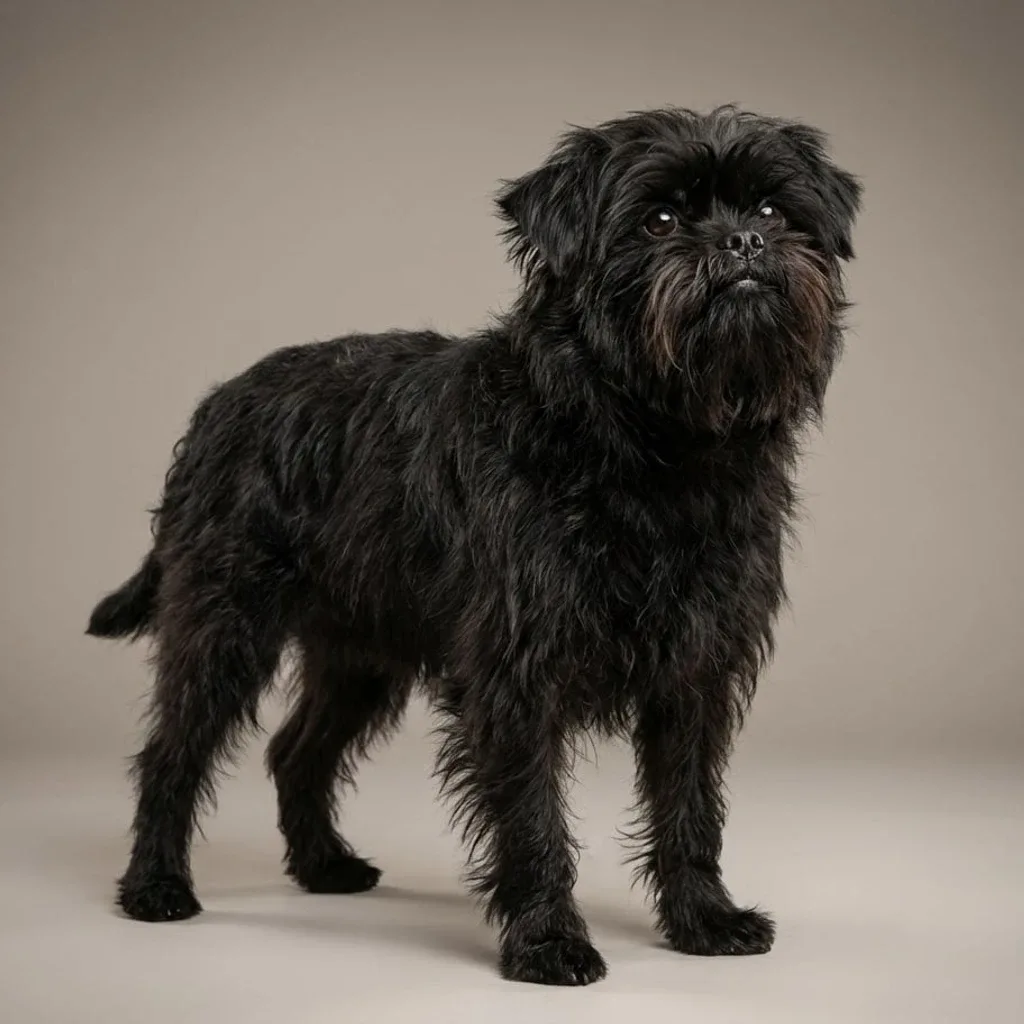
Affenpinscher
The Affenpinscher is a sturdy, monkey-like terrier-type toy breed known for its confidence and playful spirit. Despite its small size, it possesses a courageous heart and a loyal personality, making it a wonderful companion for Kiwi apartment dwellers or those with smaller sections.
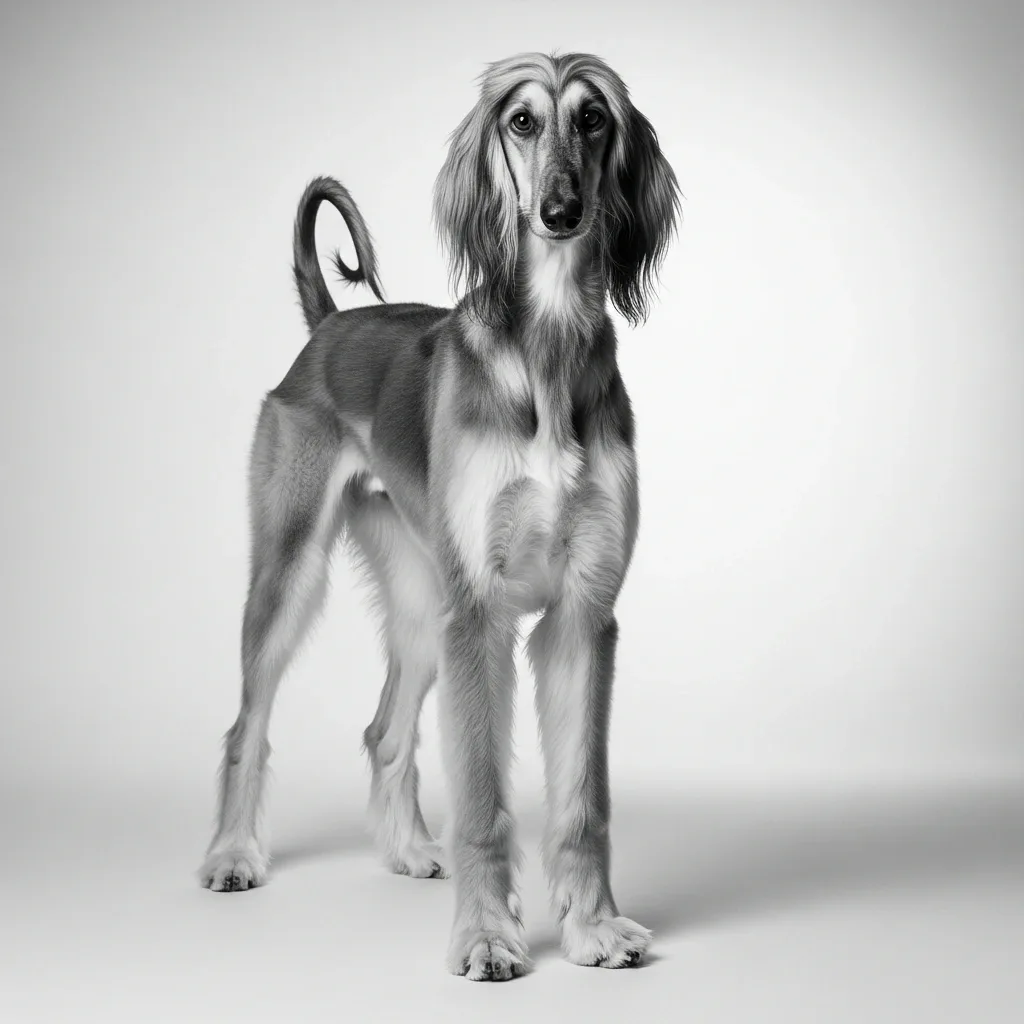
Afghan Hound
The Afghan Hound is an elegant aristocrat with a dignified and aloof personality. Known for its striking, silky coat, this breed is a high-maintenance beauty that requires ample space to run and an owner dedicated to its complex grooming needs.
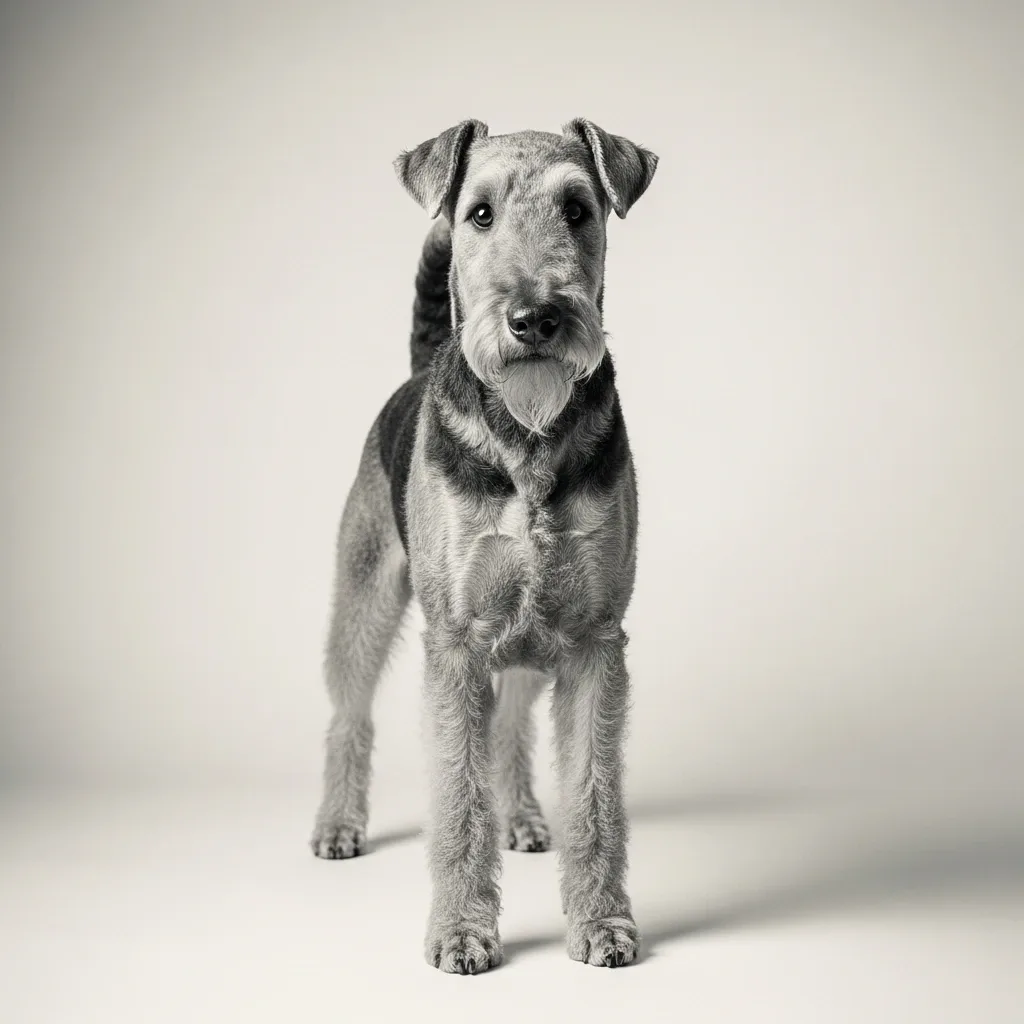
Airedale Terrier
The 'King of Terriers', the Airedale is the largest of all terrier breeds. They are brave, hardworking, and highly intelligent, making them excellent partners for active Kiwi families who love tramping and outdoor adventures.
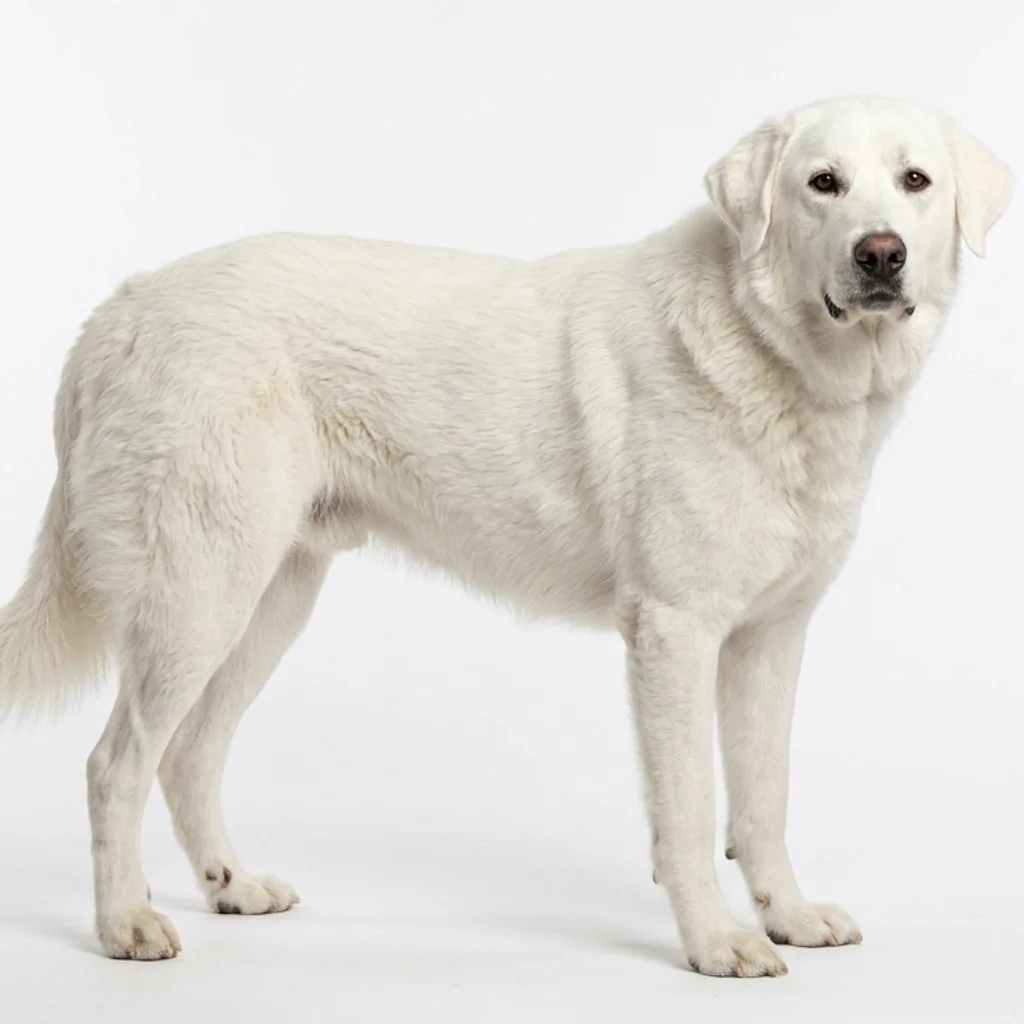
Akbash Dog
Originally a Turkish livestock guardian, the Akbash is a serious, protective, and independent breed. They are not suited for apartment living and thrive on large NZ lifestyle blocks where they can have a 'territory' to watch over.