Dog Breed Guide NZ
Standard Schnauzer
The Standard Schnauzer is a spirited, alert, and highly intelligent dog, instantly recognisable by their distinctive wiry coat, prominent beard, and expressive eyebrows. Originating as versatile farm dogs, they possess a robust build and a keen, watchful nature, making them excellent guardians of the home. Despite their protective instincts, they are deeply loyal and affectionate with their family, thriving on close companionship and mental stimulation. Their adaptable nature and moderate size make them well-suited to a variety of New Zealand lifestyles, from active families with a good-sized section to those who enjoy regular outdoor adventures across our beautiful landscapes.
Photo Gallery
Breed Snapshot
- Size
- Male: 16-23 kg; Female: 14-20 kg
- Lifespan
- 13-16 years
- Origin
- Being enriched
- Temperament
- Intelligent, alert, energetic, loyal, protective, devoted
- NZ Price
- $1,500 - $3,500 NZD from registered breeders; $150-$350 NZD adoption via SPCA
- Annual Vet Cost
- Estimated annual vet costs for a Standard Schnauzer in New Zealand typically range from $600 - $1,000 NZD. This includes routine vaccinations, worming, flea and tick treatments, and general health check-ups. Breed-specific health issues to factor in include a predisposition to hip dysplasia, certain eye conditions like cataracts, urinary stones, and some cancers. While not all dogs will develop these, it's wise to budget for potential diagnostic tests or treatments, which could add several hundred to a few thousand dollars if specialist care is required. Pet insurance is a popular option for Kiwi owners to help manage unexpected vet bills.
Personality Scores
NZ Lifestyle Fit
The Standard Schnauzer is a versatile breed well-suited to various New Zealand living situations, provided their exercise and mental stimulation needs are met. For an apartment in Auckland, it's feasible if daily, vigorous exercise is guaranteed, including trips to local dog-friendly parks. However, a house with a decent section is generally more ideal, allowing them space to potter and play. Rural New Zealand farms can be a great fit, leveraging their natural guarding instincts, but they must be integrated as family members, not just working dogs. Auckland's humid summers require access to shade and fresh water, though their wiry coat offers some insulation. South Island's cold winters are generally well-tolerated by their robust double coat, but a warm, dry indoor sleeping area is essential. High UV levels mean care should be taken during peak sun hours, especially for dogs with lighter coloured coats, though Standard Schnauzers typically have darker coats. MPI (Ministry for Primary Industries) has no specific restrictions on the Standard Schnauzer breed.
Origins & History
The Standard Schnauzer boasts a rich history stretching back centuries in Germany, where they were originally bred as working dogs on farms. Their primary roles included guarding livestock and property, herding, and, notably, ratting – a skill for which their robust build and tenacious spirit were perfectly suited. The breed's name, "Schnauzer," is derived from the German word for "snout" or "muzzle," a clear nod to their characteristic bearded face. They are considered the original Schnauzer, predating both the Miniature and Giant varieties. Their lineage can be traced back to the 14th and 15th centuries, with early depictions resembling the breed we know today. Over time, their intelligence, loyalty, and versatility saw them transition from purely working dogs to cherished family companions, a role they excel at in modern New Zealand households.
Appearance
The Standard Schnauzer is a medium-sized, robustly built dog, presenting an appearance of strength, alertness, and intelligence. Males typically weigh between 16-23 kg, while females range from 14-20 kg. They stand between 44-50 cm at the shoulder. Their most defining feature is their harsh, wiry double coat, which comes in salt-and-pepper or solid black. This coat provides excellent protection against the elements, a practical attribute for New Zealand's varied climate. The breed's distinctive facial furnishings – a prominent, bristly beard and bushy eyebrows – give them a unique, almost human-like expression. Their eyes are dark and oval, conveying their alert and intelligent nature. Their ears are naturally V-shaped and fold forward, though historically some were cropped, a practice now largely phased out in New Zealand.
Temperament & Personality
True to their working heritage, Standard Schnauzers are intelligent, alert, and energetic dogs. They possess a strong sense of loyalty and devotion to their families, often forming deep bonds. This protective instinct makes them excellent watchdogs, quick to alert their owners to anything unusual, yet generally friendly and well-mannered with people they know well. They are spirited and playful, enjoying active engagement with their human companions. Their intelligence means they are highly trainable, eager to learn, but can also exhibit a stubborn streak if not engaged with consistent, positive reinforcement. They thrive on mental stimulation and can become bored or destructive if left without adequate activity. Early socialisation is crucial to ensure they are well-adjusted around strangers and other animals, fostering their naturally confident and outgoing personality.
Life in New Zealand
Standard Schnauzers are well-suited to life in New Zealand, adapting comfortably to our diverse environments. Their robust, wiry coat provides good protection against both the warmth of summer and the chill of winter, though common sense care like shade in summer and shelter in winter is always needed. They thrive in active households that can provide ample exercise, making them ideal companions for Kiwis who enjoy exploring our beaches, reserves, and tramping tracks. Their loyal and protective nature makes them excellent family dogs, fitting well into homes with respectful children. With proper training and socialisation, they can be wonderful additions to a Kiwi lifestyle, whether living in a suburban home with a good section or on a more rural property where their watchful instincts can shine.
Is This the Right Breed for You?
The Standard Schnauzer is an excellent choice for active individuals or families who are prepared to commit to their exercise, training, and grooming needs. If you're looking for an intelligent, loyal, and protective companion who will thrive on being an integral part of your family, this breed could be a perfect match. They require consistent training and early socialisation to ensure they develop into well-adjusted adults. Their grooming needs are moderate but essential to maintain their distinctive coat. They are not suited to being left alone for long periods and prefer to be involved in family activities. If you can provide a stimulating environment, plenty of love, and a commitment to their care, a Standard Schnauzer will reward you with unwavering companionship and a spirited personality that will enrich your life in New Zealand.
Fun Facts
Fact 1
The Standard Schnauzer is the oldest of the three Schnauzer breeds, considered the original.
Fact 2
Their distinctive beard and eyebrows served a practical purpose, protecting their face from bites during ratting duties.
Fact 3
Historically, they were known as 'Rattlers' or 'Wire-haired Pinschers' before being officially named Schnauzers.
Fact 4
Standard Schnauzers were used as dispatch carriers and Red Cross dogs during World War I.
Fact 5
They are known for their 'Schnauzer bump,' a prominent occipital bone at the back of their head.
Related Breeds
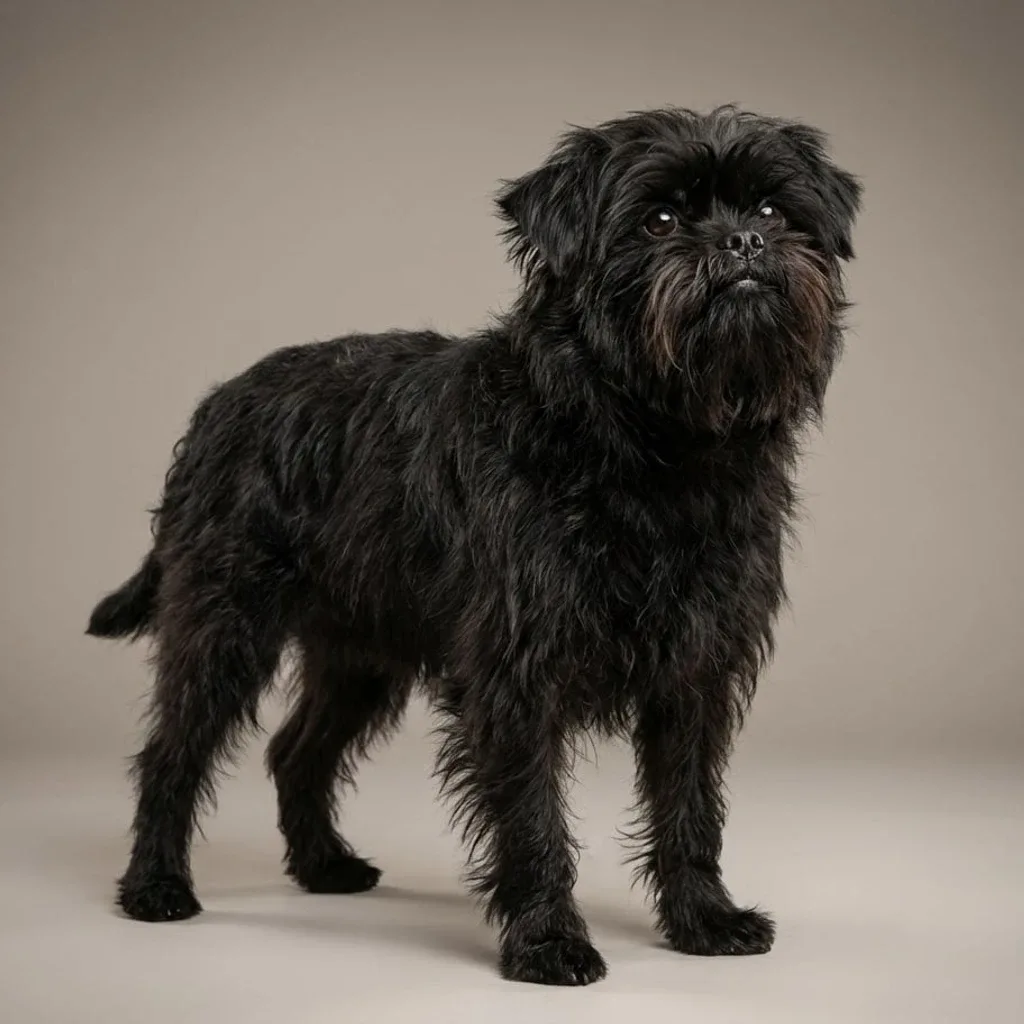
Affenpinscher
The Affenpinscher is a sturdy, monkey-like terrier-type toy breed known for its confidence and playful spirit. Despite its small size, it possesses a courageous heart and a loyal personality, making it a wonderful companion for Kiwi apartment dwellers or those with smaller sections.
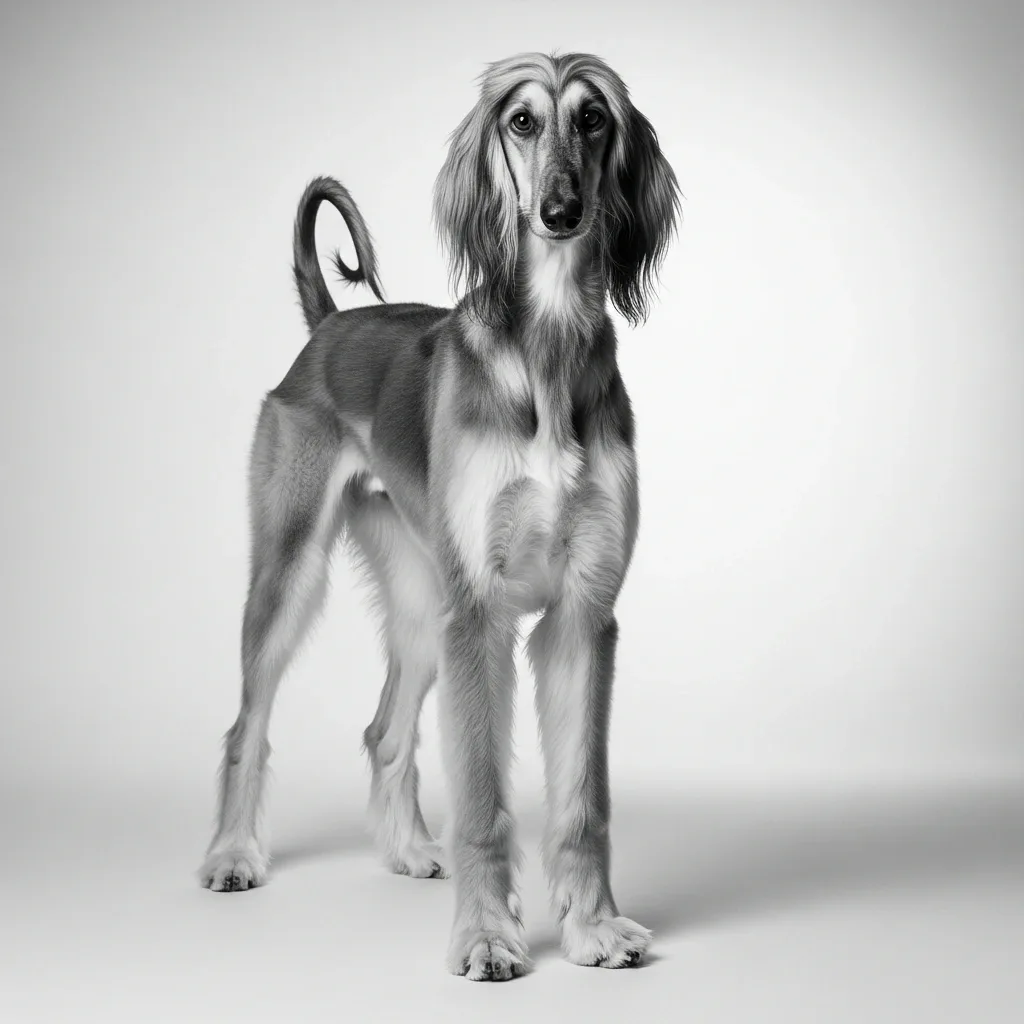
Afghan Hound
The Afghan Hound is an elegant aristocrat with a dignified and aloof personality. Known for its striking, silky coat, this breed is a high-maintenance beauty that requires ample space to run and an owner dedicated to its complex grooming needs.
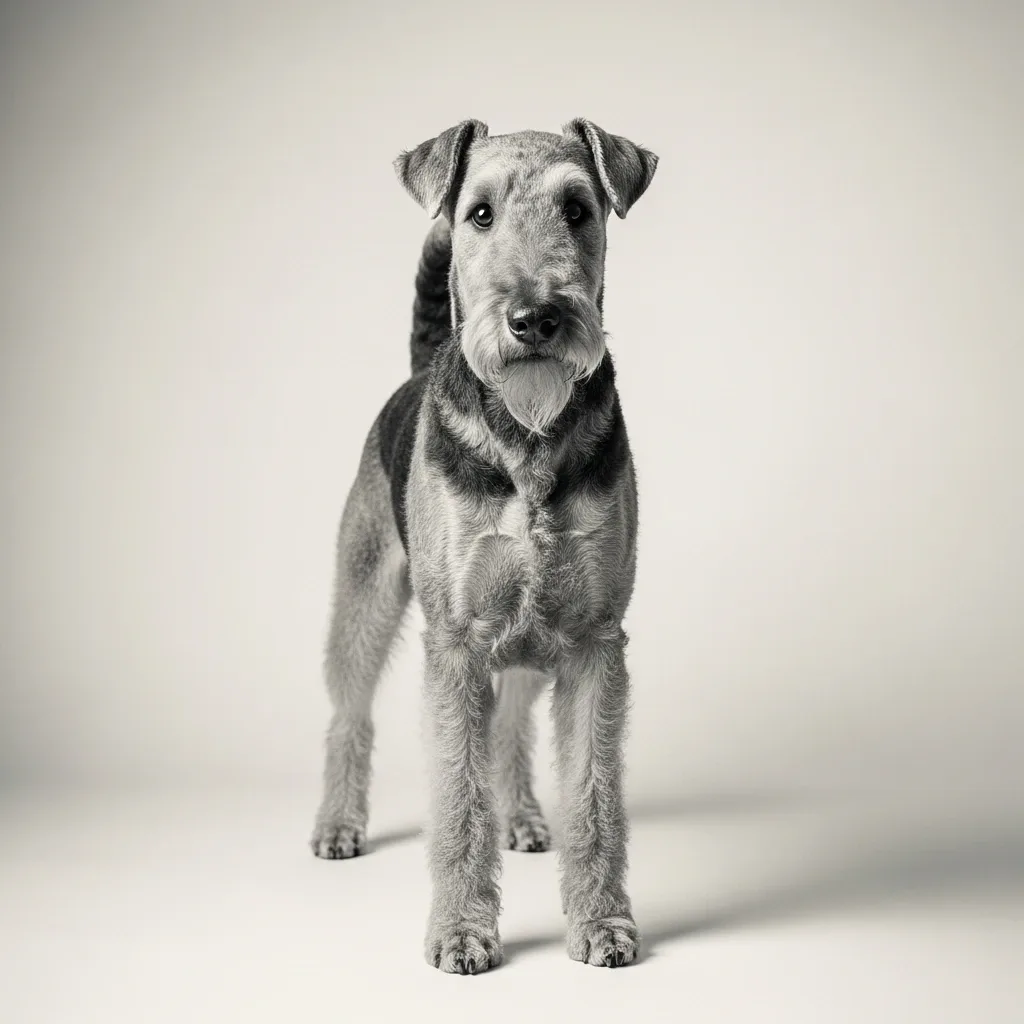
Airedale Terrier
The 'King of Terriers', the Airedale is the largest of all terrier breeds. They are brave, hardworking, and highly intelligent, making them excellent partners for active Kiwi families who love tramping and outdoor adventures.
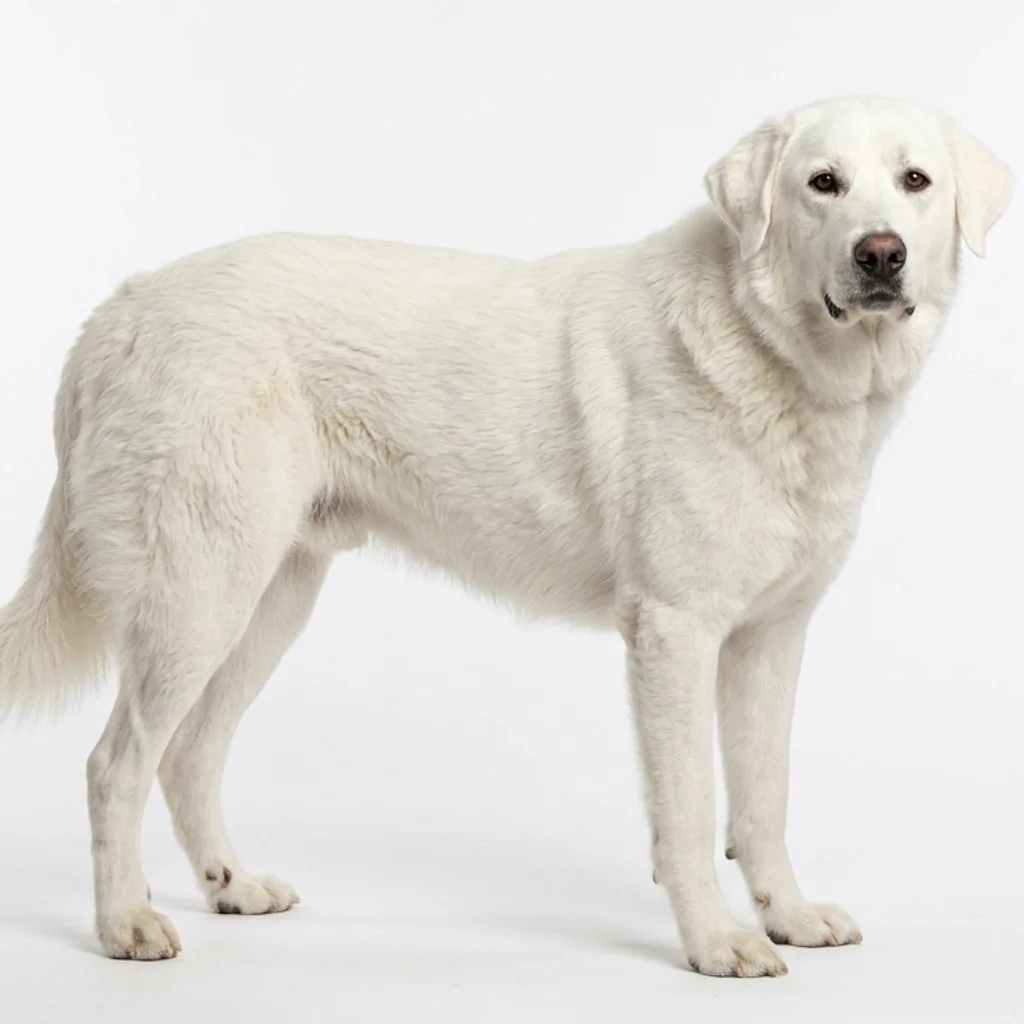
Akbash Dog
Originally a Turkish livestock guardian, the Akbash is a serious, protective, and independent breed. They are not suited for apartment living and thrive on large NZ lifestyle blocks where they can have a 'territory' to watch over.