Dog Breed Guide NZ
Spoodle
The Spoodle, also known as the Cockapoo or Sproodle, is a highly popular cross between the Cocker Spaniel and a Poodle. Known for their sweet, outgoing nature and soft fleece coats, they make exceptional Kiwi companions.
Photo Gallery
Breed Snapshot
- Size
- Miniature: 6–10 kg; Standard: 10–15 kg
- Lifespan
- 12–15 years
- Origin
- United States / United Kingdom
- Temperament
- Affectionate, intelligent, playful, social, loyal, outgoing
- NZ Price
- $2,000 – $4,500+ NZD from reputable NZ breeders (rare coat colours and multi-gen lines command premium prices); $150 – $450 NZD via SPCA or local rescue organisations.
- Annual Vet Cost
- Routine annual veterinary care (check-ups, vaccinations, parasite prevention) costs roughly $500 – $1,000 NZD. Because they are prone to ear infections, patellar luxation, and eye diseases inherited from parent lines, treatments for major conditions can range from $2,000 to $8,000+ NZD. Taking out pet insurance in puppyhood is highly recommended.
Personality Scores
NZ Lifestyle Fit
Spoodles are a superb fit for active New Zealand families who enjoy regional park walks and off-leash beaches. Their floppy ears require strict cleaning and drying after swimming in Kiwi waters. They tolerate New Zealand's climate well but need a shorter 'summer clip' to avoid overheating during humid months. They are companion-oriented and best suited to households where someone is home most of the day, as they are prone to separation anxiety if left alone.
Origins & History
The Spoodle, known globally as the Cockapoo or Sproodle, is one of the oldest and most established designer crossbreeds in the world. Originally developed in the United States in the 1960s, the initial cross was accidental, but it quickly became apparent that crossing the gentle, affectionate Cocker Spaniel with the intelligent, low-shedding Poodle produced a dog of exceptional temperament. In New Zealand, the breed has grown significantly in popularity since the early 2000s, becoming a staple family companion in suburban homes across Auckland, Wellington, and Christchurch.
Crossbreed Reality & Breed Characteristics
As a hybrid cross, the Spoodle is not a standardised pedigree breed, and there is no single breed standard. This means a Spoodle puppy can inherit any combination of traits from its parents. First-generation (F1) crosses (50% English or American Cocker Spaniel and 50% Toy or Miniature Poodle) tend to show the greatest variation in size, coat type, and biddability. Multi-generational crosses (F2 and beyond, where two Spoodles are bred together) show more consistency but still carry a mix of ancestral genetics. Kiwi buyers must look past marketing terms like "hypoallergenic" and understand that each puppy will be unique.
Coat Types & Grooming Demands
Spoodles typically display one of three main coat types:
- Fleece Coat: Soft, wavy, and flowing. This is the most sought-after coat type as it is low-shedding and has a silkier texture, but it requires thorough brushing down to the skin at least three times a week to prevent matting.
- Wool Coat: Dense, curly, and very similar to a Poodle's coat. This coat is highly hypoallergenic and virtually non-shedding, but it is extremely prone to severe matting. Daily brushing is mandatory, and a professional clip is required every 6 to 8 weeks.
- Hair Coat: Slicker and closer to a Cocker Spaniel's coat. It sheds moderately, carries a more noticeable doggy odour, and requires less grooming but is not suitable for allergy sufferers.
Managing a wool or fleece Spoodle coat is a significant financial and time commitment. Weekly ear cleaning is also essential, as their heavy, hairy, floppy ears trap moisture, creating a perfect breeding ground for yeast and bacterial ear infections, especially after swimming.
Temperament & Socialisation
Spoodles are famous for their outgoing, loving, and highly social personalities. They combine the Cocker Spaniel's eager, affectionate nature with the Poodle's sharp intellect. They thrive on human companionship and are incredibly gentle with children, making them outstanding family members. However, their companion-focused nature means they are highly prone to separation anxiety. If left alone for long periods without stimulation, they can develop stress-related behaviours such as destructive chewing, digging, or persistent barking. Early biddability training and mat-settling exercises are key to raising a balanced adult.
Health & Exercise Needs
While hybrid vigour is often claimed, Spoodles can inherit genetic health issues from both parent lines. Key concerns include Progressive Retinal Atrophy (PRA) which causes progressive blindness, hip dysplasia, and patellar luxation (slipping kneecaps). Floppy ear infections are the most common day-to-day health concern. Exercise-wise, Spoodles are active and energetic dogs. They require at least 45 to 60 minutes of daily physical exercise, combining walks with retrieving games and swimming, alongside mental enrichment like lick mats or puzzle toys.
For more details on adopting dogs and puppies in New Zealand, visit the SPCA New Zealand guide.
Fun Facts
Fact 1
The Spoodle (known globally as the Cockapoo) is one of the oldest designer hybrid breeds, originating in the US in the 1960s.
Fact 2
Spoodles have floppy, hairy ears inherited from the Cocker Spaniel, which require regular cleaning and drying to avoid painful ear infections.
Fact 3
They come in a wide range of colours including gold, red, black, chocolate, parti-colour, and tri-colour.
Fact 4
Their coats can range from wavy 'fleece' to tight 'wool' curls, with fleece being the most common first-generation coat.
Fact 5
Many Spoodles excel as therapy dogs due to their gentle, comforting presence and intuitive connection with people.
Related Breeds
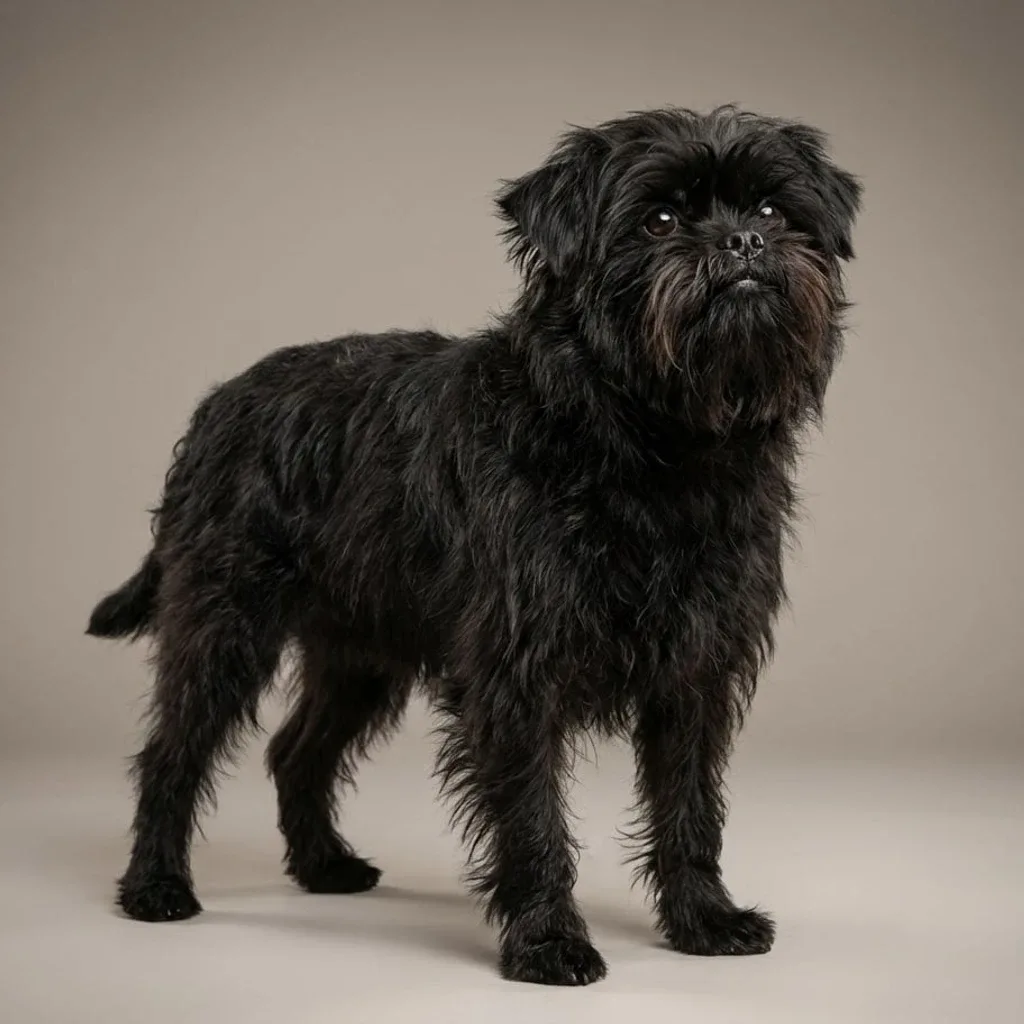
Affenpinscher
The Affenpinscher is a sturdy, monkey-like terrier-type toy breed known for its confidence and playful spirit. Despite its small size, it possesses a courageous heart and a loyal personality, making it a wonderful companion for Kiwi apartment dwellers or those with smaller sections.
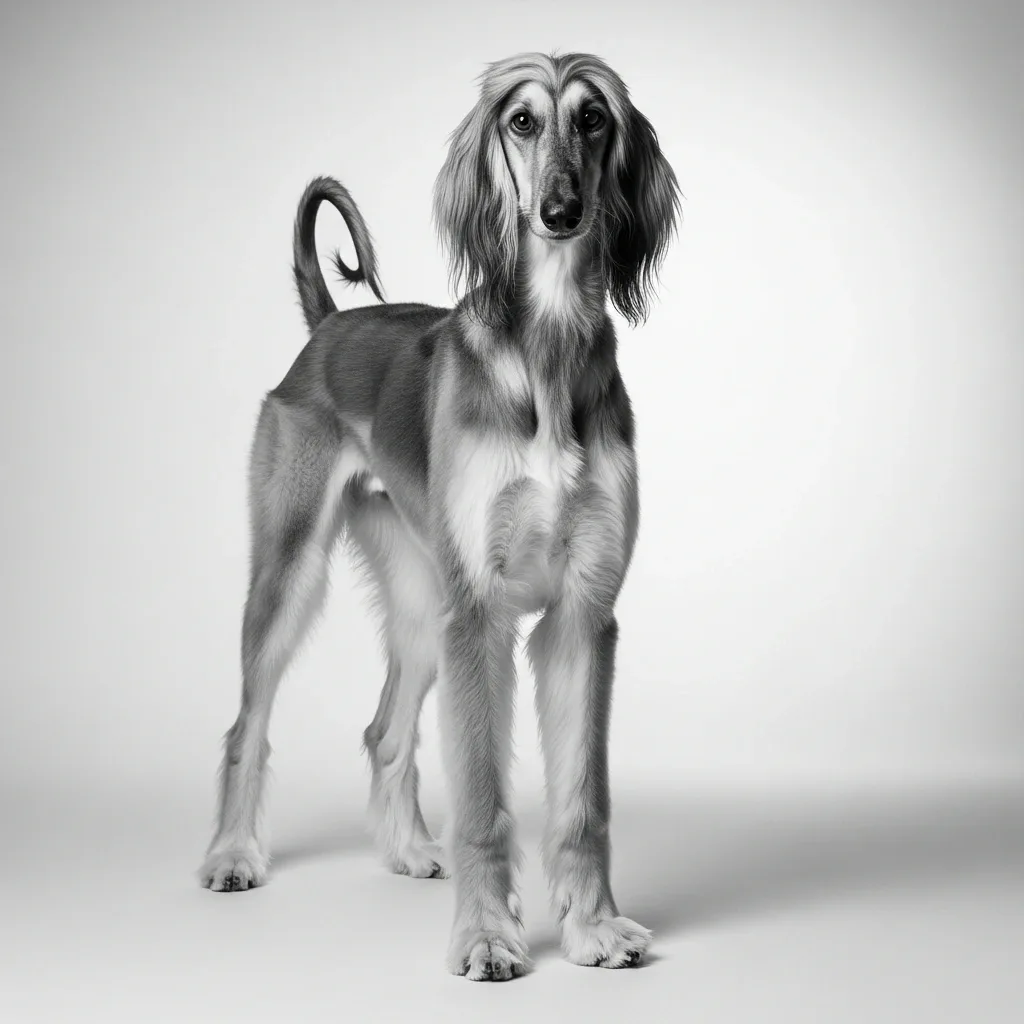
Afghan Hound
The Afghan Hound is an elegant aristocrat with a dignified and aloof personality. Known for its striking, silky coat, this breed is a high-maintenance beauty that requires ample space to run and an owner dedicated to its complex grooming needs.
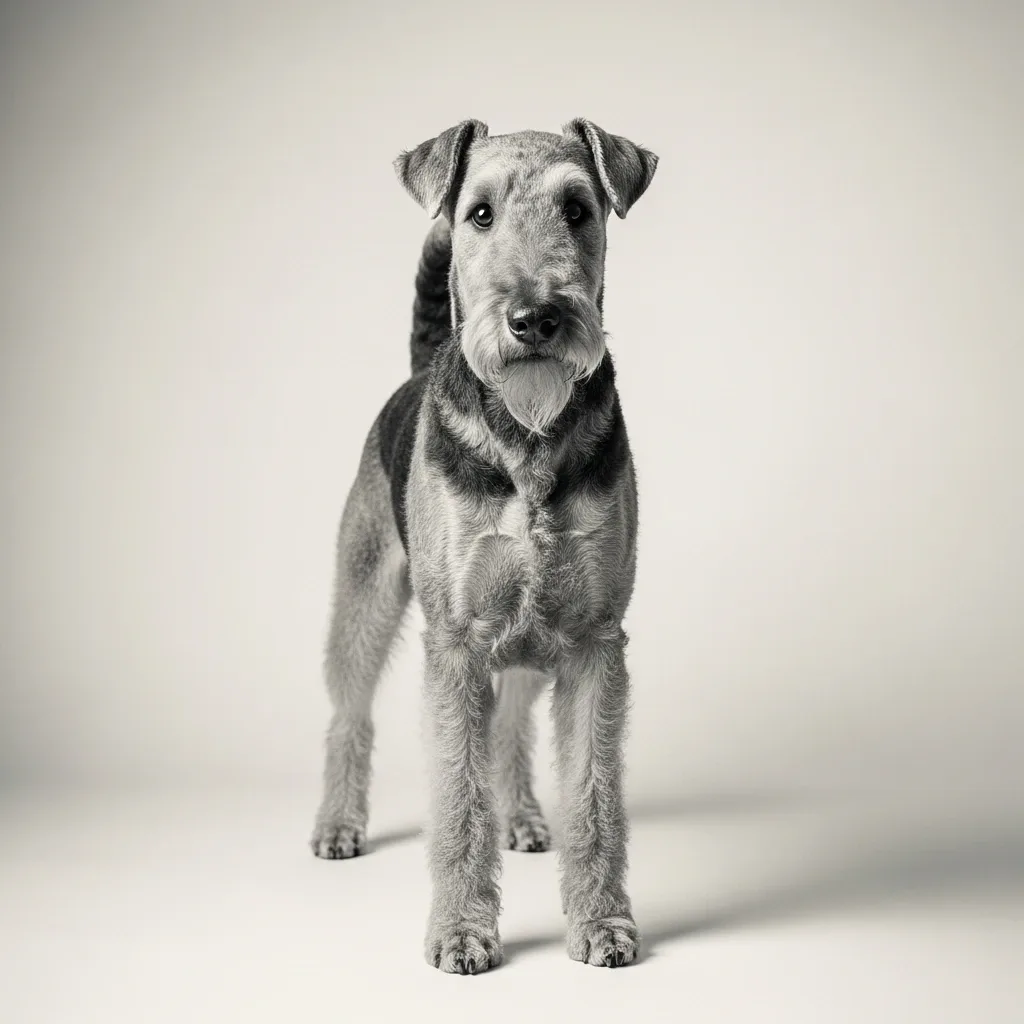
Airedale Terrier
The 'King of Terriers', the Airedale is the largest of all terrier breeds. They are brave, hardworking, and highly intelligent, making them excellent partners for active Kiwi families who love tramping and outdoor adventures.
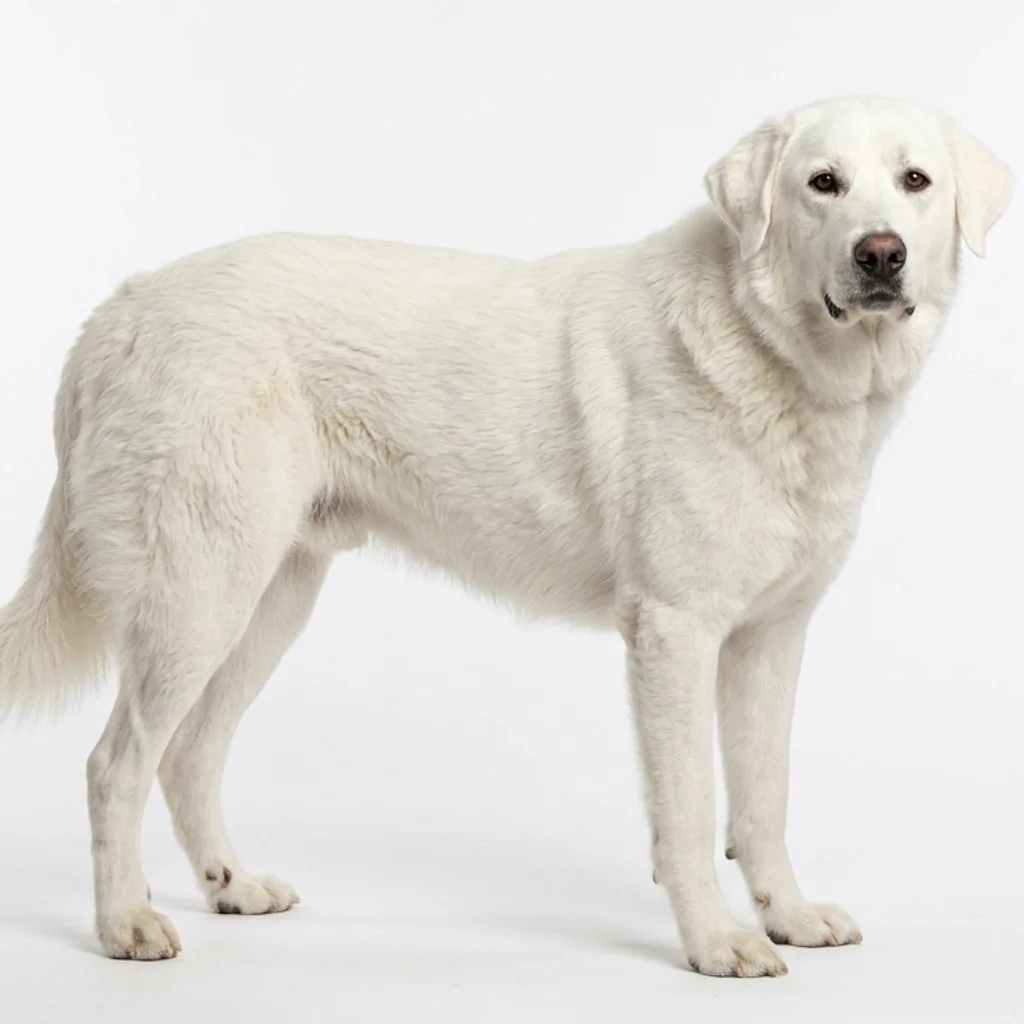
Akbash Dog
Originally a Turkish livestock guardian, the Akbash is a serious, protective, and independent breed. They are not suited for apartment living and thrive on large NZ lifestyle blocks where they can have a 'territory' to watch over.