Dog Breed Guide NZ
Spanish Water Dog
The Spanish Water Dog is a truly unique and versatile companion, celebrated for its intelligence, athleticism, and distinctive curly coat. Originally bred for herding, hunting, and assisting fishermen, these tireless workers form incredibly tight bonds with their families, thriving on activity and purpose. Their loyal and energetic nature makes them an ideal fit for active Kiwi households, especially those who enjoy New Zealand's abundant outdoor lifestyle, from lake adventures to tramping tracks. With their charming looks and eager-to-please attitude, the Spanish Water Dog is a fantastic choice for those seeking a devoted and engaging canine partner.
Photo Gallery
Breed Snapshot
- Size
- Male: 18-22 kg; Female: 14-18 kg
- Lifespan
- 12-14 years
- Origin
- Being enriched
- Temperament
- Loyal, intelligent, work-focused, athletic, energetic, alert
- NZ Price
- $2,500 - $4,000 NZD from registered breeders; $150-$350 NZD adoption via SPCA (if available)
- Annual Vet Cost
- Estimated annual vet costs for a Spanish Water Dog in NZ range from $600 - $1,000 NZD. This includes routine check-ups, vaccinations, flea and worm treatments. Breed-specific health issues to factor in for potential costs include Hip Dysplasia, Progressive Retinal Atrophy (PRA), Hypothyroidism, and various allergies. While not all dogs will develop these conditions, early screening and potential treatment for such issues can add significantly to vet expenses.
Personality Scores
NZ Lifestyle Fit
The Spanish Water Dog's suitability for different New Zealand living situations varies greatly with their high energy and working drive. An apartment in Auckland, even with daily walks, is generally not ideal; these dogs need more space and mental stimulation than a small flat can provide. A house with a good-sized, securely fenced section is a better fit, allowing them room to play and explore. They truly thrive in rural New Zealand farm or lifestyle block settings, where their natural herding instincts can be channelled, and they have ample space for vigorous exercise. Regarding New Zealand's climate: Auckland's humid summers can be challenging for their dense, woolly coat, increasing the risk of matting and overheating. Regular professional grooming or a shorter clip is essential. Conversely, their coat provides excellent insulation for South Island cold winters, though extreme conditions may still warrant additional protection. New Zealand's high UV levels mean that if their coat is clipped short, exposed skin can be susceptible to sunburn, requiring protective measures. There are no specific MPI restrictions on owning Spanish Water Dogs in New Zealand, but responsible ownership, including microchipping and registration with your local council, is mandatory.
Origins & History
The Spanish Water Dog, or 'Perro de Agua Español' as it's known in its native Spain, boasts an ancient and rich history rooted in the Iberian Peninsula. While their exact origins are debated, it's widely believed they descended from ancient Turkish dogs brought to Spain by traders or nomadic tribes centuries ago. These versatile canines were developed to be all-around working dogs, excelling in a variety of roles. They were invaluable to shepherds for herding sheep and goats, particularly in the rugged terrain of Andalusia, Extremadura, and northern Spain. Beyond their herding prowess, they were also skilled retrievers for hunters and indispensable companions for fishermen, assisting with nets and retrieving items from the water. Their adaptability and intelligence allowed them to thrive in diverse environments, making them a cherished part of rural Spanish life for generations. Despite their long history, the breed only gained international recognition relatively recently, with the first breed standard established in 1986 and full FCI recognition in 1999. Today, they are admired worldwide for their unique appearance and exceptional working drive.
Appearance
The Spanish Water Dog is a medium-sized, robustly built dog, instantly recognisable by its distinctive woolly, curly coat. Unlike many breeds, their coat is never brushed; instead, it naturally forms cords if allowed to grow long, or it's kept clipped short. This unique texture is adapted to protect them from both the sun and cold water, shedding very little. Males typically weigh between 18-22 kg and stand 44-50 cm at the shoulder, while females are slightly smaller, weighing 14-18 kg and standing 40-46 cm. Their eyes are expressive and can range from hazel to dark brown, harmonising with their coat colour. They possess a strong, athletic build, indicative of their working heritage, with well-muscled limbs and a deep chest. Their tail is often docked in countries where it's permitted, but in New Zealand, natural tails are common and preferred, carried in a slight curve.
Temperament & Personality
The Spanish Water Dog's temperament is a captivating blend of loyalty, intelligence, and boundless energy. They are profoundly devoted to their families, forming strong, almost inseparable bonds with their handlers. This loyalty translates into a protective instinct, making them alert and sometimes reserved with strangers, though never aggressive when properly socialised. Their intelligence is a hallmark of the breed; they are quick learners, eager to please, and thrive on mental stimulation. However, this intelligence also means they can become bored or destructive if not adequately challenged. They are inherently work-focused, possessing a strong drive to have a 'job' to do, whether it's herding, retrieving, or participating in dog sports. Their athletic and energetic nature demands significant daily exercise and activity. Without sufficient outlets for their energy, they can become restless. They are generally good with children who understand how to interact respectfully with dogs, and with other pets if socialised from a young age. Their alert nature makes them excellent watchdogs, always aware of their surroundings. Consistent training and early socialisation are crucial to harnessing their potential and ensuring they grow into well-adjusted, confident companions.
Life in New Zealand
For active families in Aotearoa, the Spanish Water Dog can be an exceptional companion. Their love for water makes them perfect for New Zealand's numerous beaches, lakes, and rivers, whether it's a dip at the bach or a swim at the local reserve. Their robust build and tireless energy are well-suited for tramping adventures through our national parks or exploring local footpaths and dog parks. Given their working dog heritage, they thrive when given a purpose, making them excellent candidates for dog sports like agility, obedience, or even sheep herding if you're on a lifestyle block. Their adaptable nature means they can cope with various New Zealand climates, from the humid Northland summers to the crisp South Island winters, provided their unique coat is properly managed. They are not a couch potato breed and will flourish in a home that embraces an outdoor, active Kiwi lifestyle, integrating them into family adventures and providing plenty of mental and physical engagement.
Is This the Right Breed for You?
Bringing a Spanish Water Dog into your home is a commitment to an active and engaged lifestyle. If you're seeking a loyal, intelligent, and energetic companion who thrives on participation and purpose, this breed could be your perfect match. They are best suited for individuals or families who can dedicate significant time to daily exercise, training, and mental stimulation. Their unique grooming needs, while not daily brushing, require specific attention to prevent matting or regular professional clipping. They are not ideal for apartment living or owners with a sedentary lifestyle, as their high energy and working drive can lead to behavioural issues if unmet. However, for those who love the outdoors, enjoy dog sports, or simply want a devoted and active partner for life's adventures, the Spanish Water Dog offers an incredibly rewarding experience. They are a truly special breed that gives back tenfold the love and effort invested in them, becoming an integral part of the whānau.
Fun Facts
Fact 1
The Spanish Water Dog is known as a 'Perro de Agua Español' in its native Spain, literally meaning 'Spanish Dog of Water'.
Fact 2
Their distinctive woolly coat is naturally adapted to protect them from both the sun and cold water, making them excellent swimmers.
Fact 3
Unlike many breeds, their coat is never brushed; instead, it's either shorn or allowed to form natural cords.
Fact 4
They are incredibly versatile working dogs, historically used for herding, hunting, and assisting fishermen.
Fact 5
The Spanish Water Dog is one of the few breeds that can perform all three types of herding: tending, gathering, and driving livestock.
Related Breeds
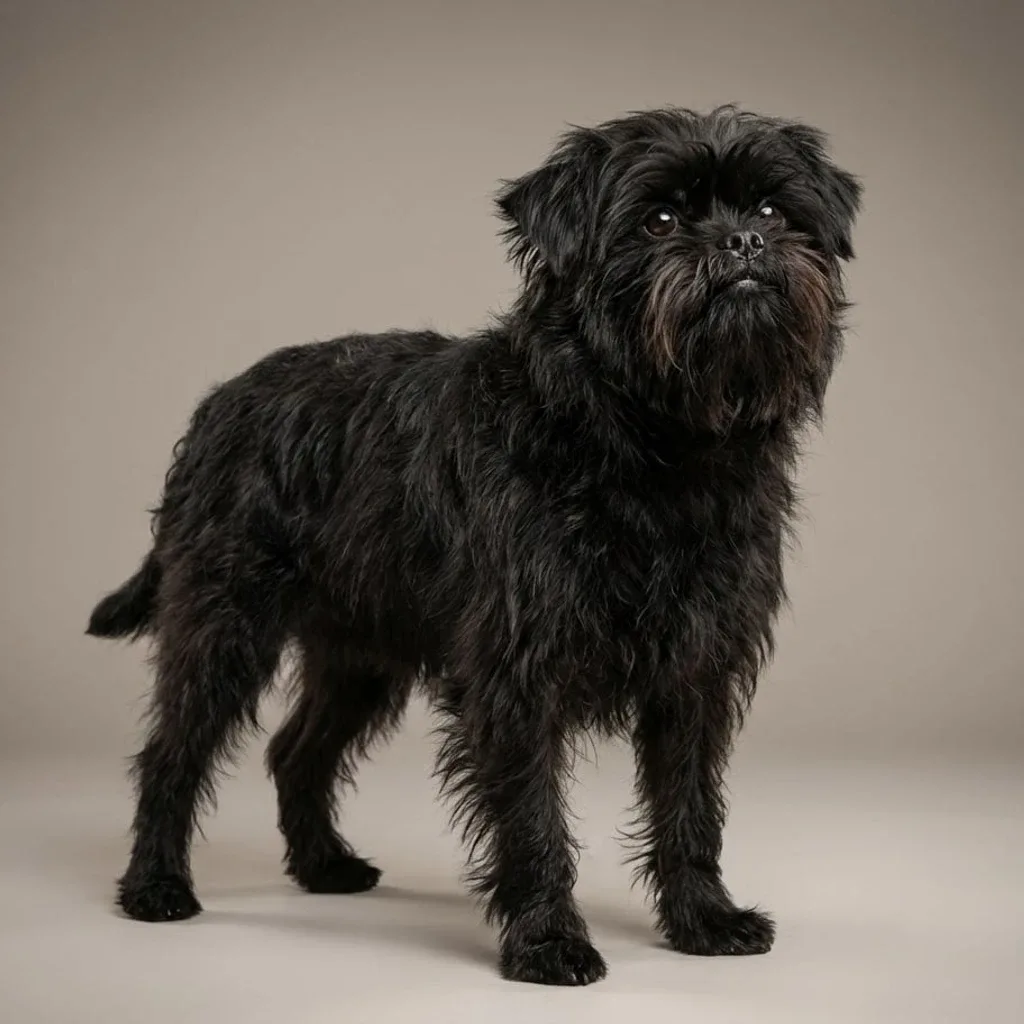
Affenpinscher
The Affenpinscher is a sturdy, monkey-like terrier-type toy breed known for its confidence and playful spirit. Despite its small size, it possesses a courageous heart and a loyal personality, making it a wonderful companion for Kiwi apartment dwellers or those with smaller sections.
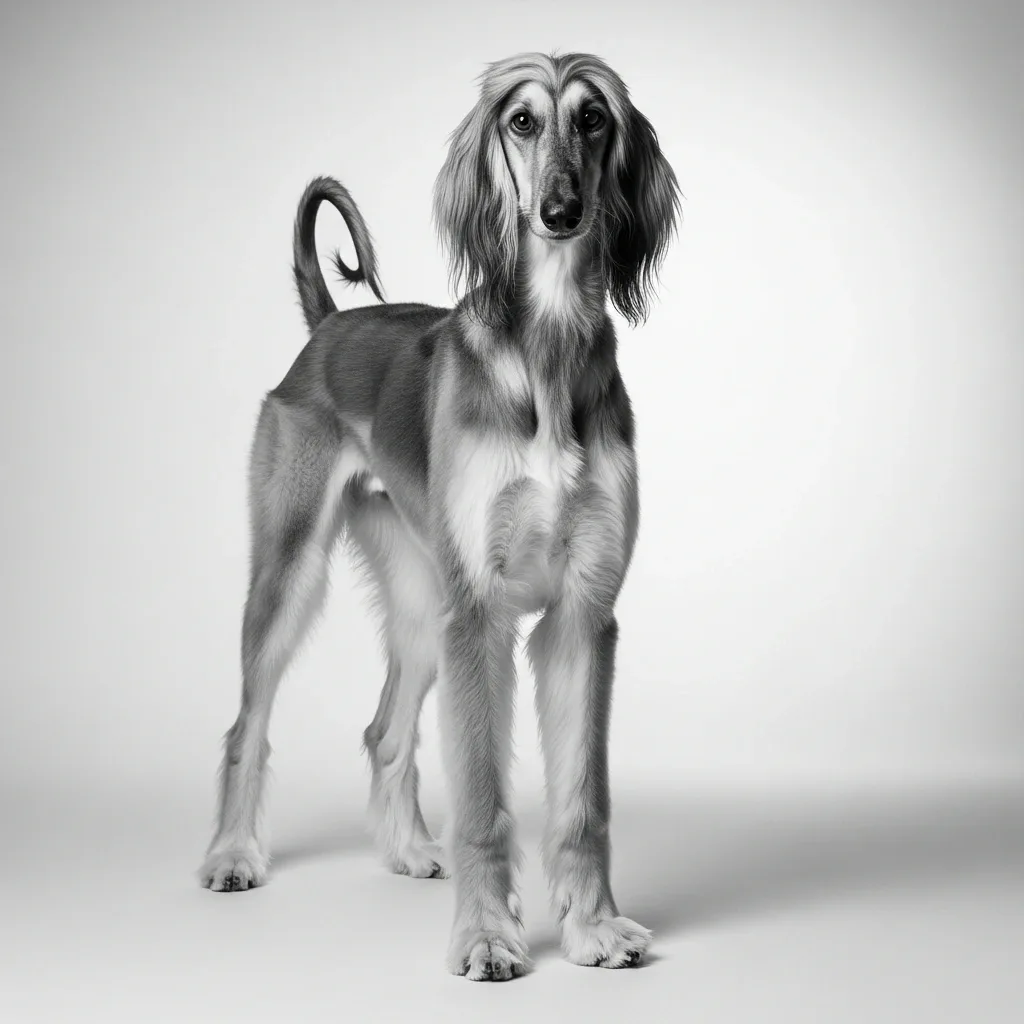
Afghan Hound
The Afghan Hound is an elegant aristocrat with a dignified and aloof personality. Known for its striking, silky coat, this breed is a high-maintenance beauty that requires ample space to run and an owner dedicated to its complex grooming needs.
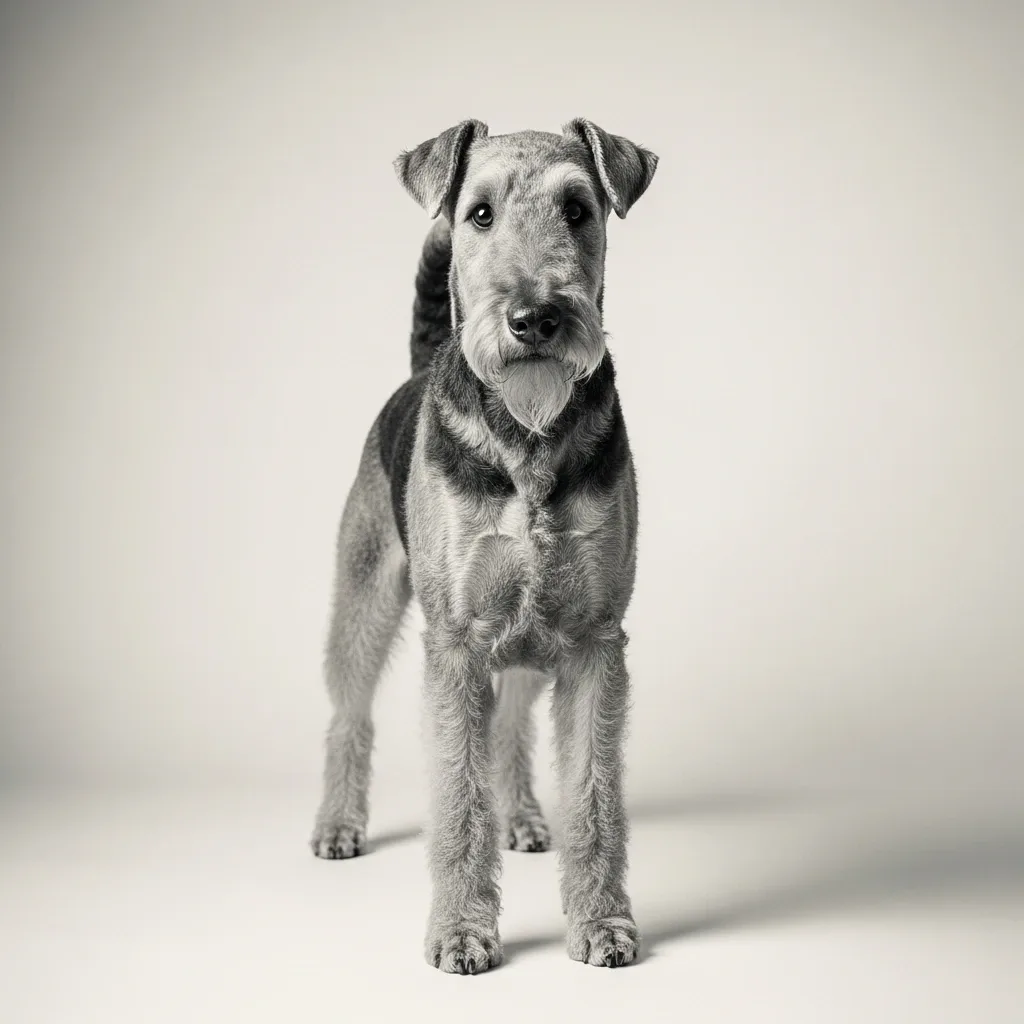
Airedale Terrier
The 'King of Terriers', the Airedale is the largest of all terrier breeds. They are brave, hardworking, and highly intelligent, making them excellent partners for active Kiwi families who love tramping and outdoor adventures.
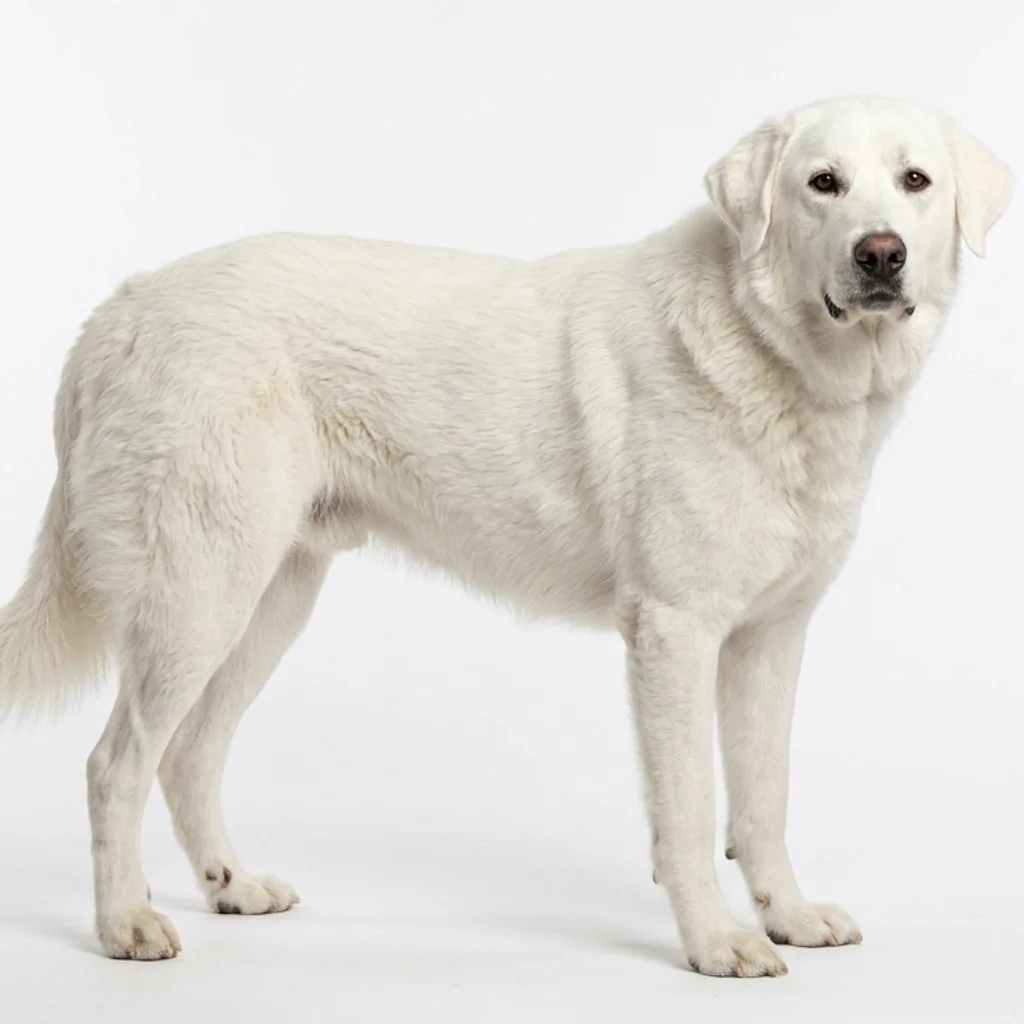
Akbash Dog
Originally a Turkish livestock guardian, the Akbash is a serious, protective, and independent breed. They are not suited for apartment living and thrive on large NZ lifestyle blocks where they can have a 'territory' to watch over.