Dog Breed Guide NZ
Shiba Inu
The Shiba Inu, a captivating and ancient Japanese breed, is renowned for its spirited independence, fox-like charm, and meticulous cleanliness. These compact, agile dogs possess a confident and loyal nature, forming deep bonds with their families while often maintaining a dignified aloofness towards strangers. Their distinctive "Shiba scream" is a unique vocalisation. Highly adaptable, Shibas thrive in various New Zealand living situations, from city flats to suburban homes with a section, provided their exercise and mental stimulation needs are met. Their relatively low grooming requirements outside of shedding seasons and robust health make them an appealing companion for many Kiwi households seeking a distinctive and intelligent canine friend.
Photo Gallery
Breed Snapshot
- Size
- Male: 8-11 kg; Female: 7-9 kg
- Lifespan
- 12-16 years
- Origin
- Being enriched
- Temperament
- Alert, confident, intelligent, independent, loyal, courageous
- NZ Price
- $3,500 - $5,500 NZD from registered breeders; $150-$350 NZD adoption via SPCA or rescue groups (if available)
- Annual Vet Cost
- Estimated annual vet costs for a Shiba Inu in New Zealand range from $500 - $1,000 NZD for routine care, including annual check-ups, vaccinations, and parasite prevention. However, this figure can increase significantly if breed-specific health issues arise. Common conditions like patellar luxation or hip dysplasia may require surgery, potentially costing $2,000 - $5,000+ per affected joint. Allergies (skin or food) can incur ongoing medication and dietary management costs, while eye conditions like progressive retinal atrophy may require specialist veterinary consultation. Pet insurance is highly recommended to help manage these potential expenses.
Personality Scores
NZ Lifestyle Fit
The Shiba Inu's adaptability makes them suitable for various New Zealand living situations, though some considerations are key. For an apartment in Auckland, a Shiba can thrive if they receive ample daily exercise (at least 45-60 minutes) and mental stimulation. Owners must be diligent with walks and dog park visits. Auckland's humid summers necessitate access to air conditioning or plenty of shade and water to prevent overheating. A house with a section is often ideal, providing space for play, but the section must be securely fenced (at least 1.5m high) due to their strong prey drive and escape artist tendencies. Rural NZ farm life is generally not recommended for Shibas as working dogs; their independence and prey drive make them unreliable with livestock. If kept on a farm, they require strict containment and supervision to prevent chasing animals. For South Island cold winters, their dense double coat offers good protection, but prolonged exposure to extreme cold should still be avoided. New Zealand's high UV index means lighter-coated Shibas or those with thinner fur should have access to shade during peak sun hours. There are no specific MPI restrictions on Shiba Inus in New Zealand.
Origins & History
The Shiba Inu is one of Japan's oldest and most beloved native dog breeds, with a history stretching back thousands of years. Originally bred for hunting small game like birds and wild boar in the mountainous regions of Japan, the Shiba's agility, keen senses, and courage made them exceptional companions for hunters. The name "Shiba" is thought to mean "brushwood," referring either to the brushwood bushes where the dogs hunted, or to the reddish colour of the brushwood leaves, mirroring the breed's common coat colour. Alternatively, it could simply mean "small dog." Post-World War II, the breed faced near extinction, but dedicated efforts by Japanese breeders, cross-breeding the three remaining Shiba bloodlines (Shinshu Shiba, Mino Shiba, and San'in Shiba), successfully revived and standardised the breed we know today. The Shiba Inu was officially recognised by the Japan Kennel Club (JKC) in 1936 as a natural monument of Japan, and its popularity has since spread globally, reaching New Zealand shores where it has garnered a dedicated following.
Appearance
The Shiba Inu is a small to medium-sized dog with a distinctive, fox-like appearance that immediately captures attention. Males typically stand between 35-43 cm at the shoulder and weigh 8-11 kg, while females are slightly smaller at 33-41 cm and 7-9 kg. They possess a sturdy, muscular build, a broad forehead, and small, erect, triangular ears that give them an alert and intelligent expression. Their eyes are dark, deep-set, and slightly triangular. One of the most iconic features is their thick, curled tail, which is carried over their back, often in a sickle or double curl. The Shiba has a dense double coat, consisting of a stiff, straight outer coat and a soft, thick undercoat. Common colours include red (the most prevalent), black and tan, and sesame (red with black tips). Cream Shibas also exist, though this colour is considered a fault in the show ring. A defining characteristic is the "urajiro" – a creamy white colour found on the sides of the muzzle, on the cheeks, under the jaw and neck, on the chest and belly, and on the inside of the legs and underside of the tail.
Temperament & Personality
The Shiba Inu's temperament is a fascinating blend of independence, intelligence, and loyalty. They are known for being alert, confident, and courageous, often displaying a spirited and bold personality. While deeply loyal and affectionate with their chosen family, Shibas can be reserved or aloof with strangers, making early socialisation crucial. Their intelligence means they learn quickly, but their independent streak can make training a challenge, requiring patience, consistency, and positive reinforcement. They are often described as "cat-like" in their fastidious cleanliness, frequently grooming themselves. Shibas possess a strong prey drive, a remnant of their hunting heritage, so a secure yard and leash walking are essential. They are also known for their unique vocalisation, the "Shiba scream," which they emit when excited, displeased, or extremely happy. Despite their independence, they thrive on companionship and can become destructive if left alone for extended periods without adequate mental and physical stimulation.
Life in New Zealand
Shiba Inus have found a comfortable niche in New Zealand, appealing to those who appreciate their unique looks and spirited personality. Their adaptable nature means they can thrive in various Kiwi living situations, from suburban homes with a well-fenced section to city flats, provided their exercise and mental stimulation needs are consistently met. Owners must be mindful of their strong prey drive, ensuring secure fencing and always keeping them on a lead in unfenced public areas like reserves or footpaths. New Zealand's diverse climate generally suits Shibas well; their double coat provides insulation for cooler South Island winters, while in warmer North Island summers, access to shade and fresh water is paramount. Responsible breeding is important in NZ, with reputable breeders focusing on health and temperament. The Shiba's relatively clean habits and moderate exercise needs make them a manageable companion for many active Kiwi families or individuals.
Is This the Right Breed for You?
Bringing a Shiba Inu into your New Zealand home is a rewarding experience, but it requires a commitment to understanding their unique traits. If you appreciate an intelligent, independent, and spirited companion who forms a deep bond with their family, a Shiba might be a great fit. However, potential owners must be prepared for their independent nature, which can make training a test of patience and consistency. Early and ongoing socialisation is vital to ensure they are well-adjusted around strangers and other animals. Their moderate exercise needs mean daily walks and playtime are essential, and a securely fenced yard is non-negotiable due to their strong prey drive. While generally healthy, being aware of potential breed-specific health issues and budgeting for vet care is important. If you're looking for a dog that's always eager to please and easily trained, a Shiba might not be your ideal match. But if you're ready for a loyal, clean, and charming companion with a distinct personality, the Shiba Inu could be the perfect addition to your Kiwi household.
Fun Facts
Fact 1
Shiba Inus are known for their unique 'Shiba scream,' a high-pitched vocalisation they make when excited, displeased, or extremely happy.
Fact 2
They are one of the six native Japanese dog breeds, designated as a natural monument in Japan in 1936.
Fact 3
The breed was originally used for hunting small game like birds and wild boar in the mountainous regions of Japan.
Fact 4
Shibas are often described as 'cat-like' due to their fastidious cleanliness and tendency to groom themselves.
Fact 5
The word 'Shiba' can mean 'brushwood' (referring to their hunting grounds or coat colour) or simply 'small dog' in old Japanese.
Related Breeds
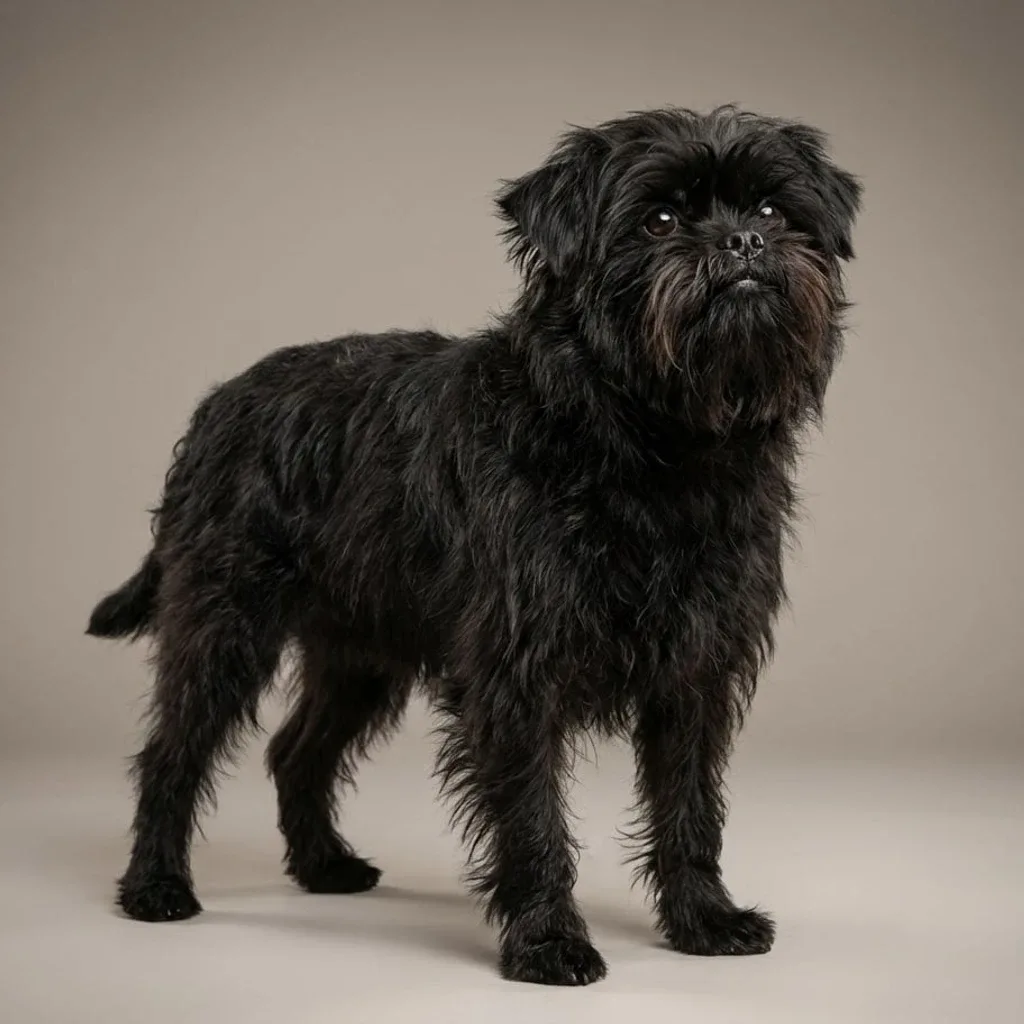
Affenpinscher
The Affenpinscher is a sturdy, monkey-like terrier-type toy breed known for its confidence and playful spirit. Despite its small size, it possesses a courageous heart and a loyal personality, making it a wonderful companion for Kiwi apartment dwellers or those with smaller sections.
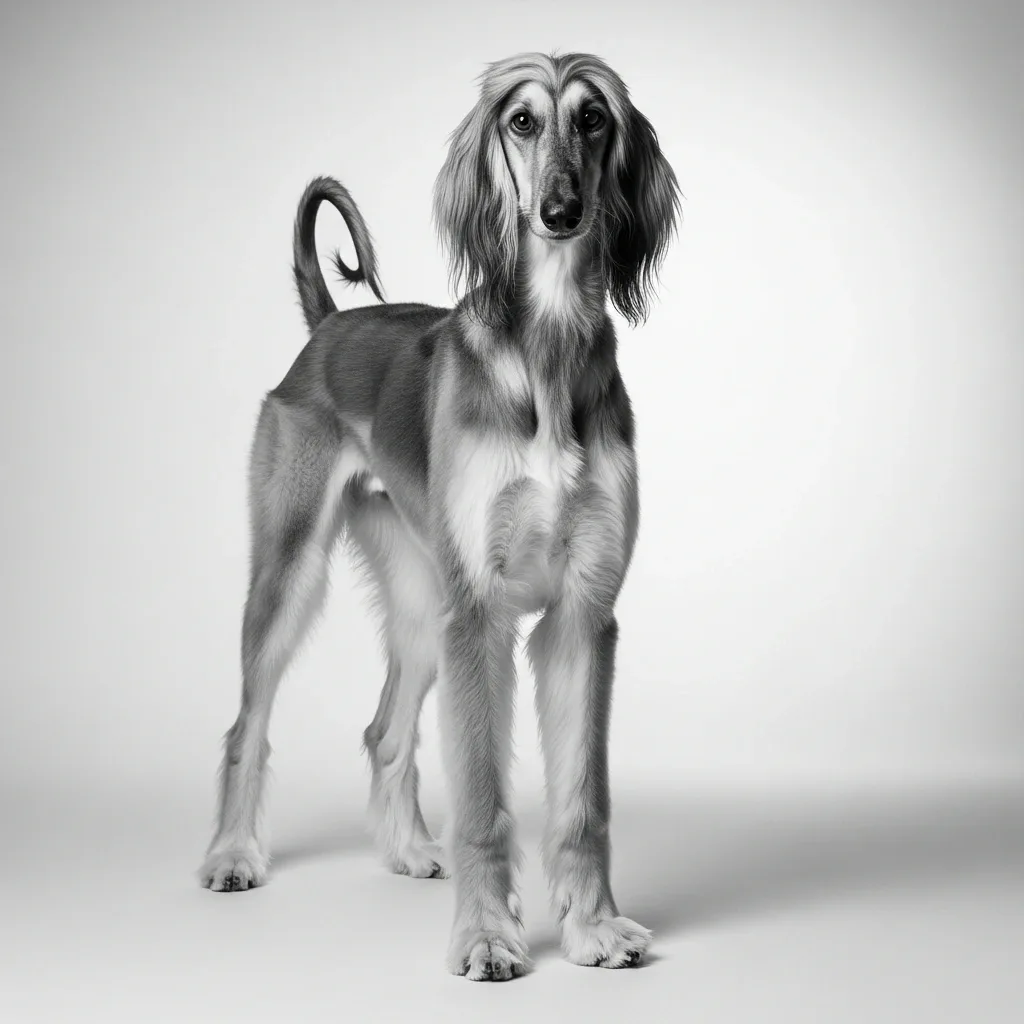
Afghan Hound
The Afghan Hound is an elegant aristocrat with a dignified and aloof personality. Known for its striking, silky coat, this breed is a high-maintenance beauty that requires ample space to run and an owner dedicated to its complex grooming needs.
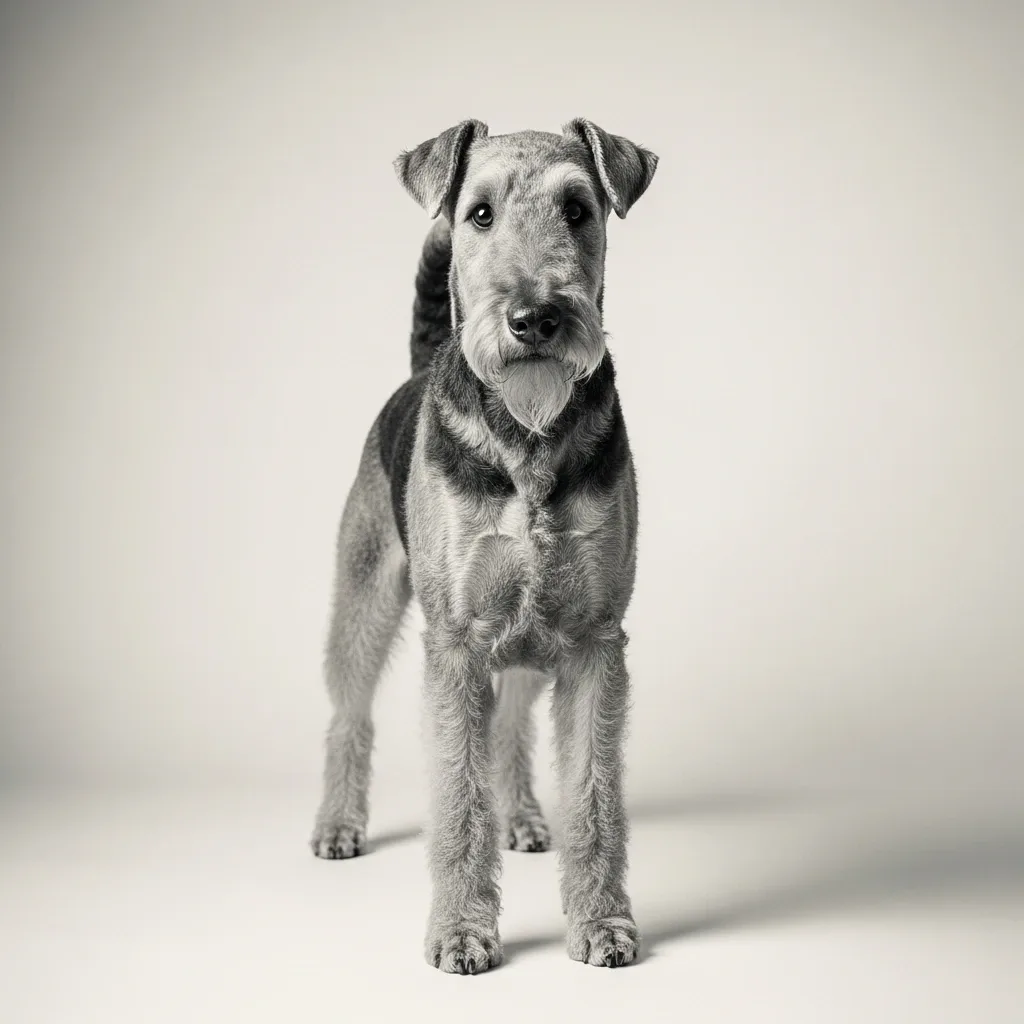
Airedale Terrier
The 'King of Terriers', the Airedale is the largest of all terrier breeds. They are brave, hardworking, and highly intelligent, making them excellent partners for active Kiwi families who love tramping and outdoor adventures.
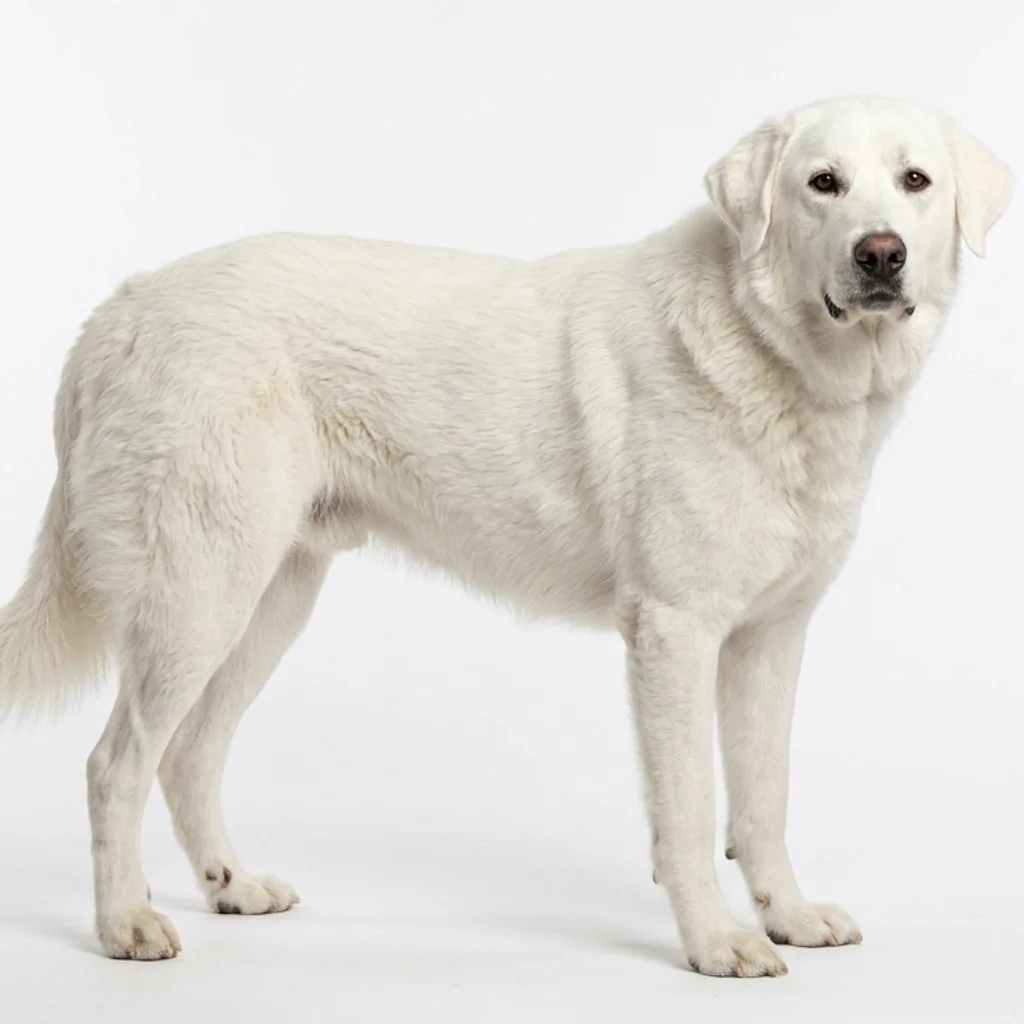
Akbash Dog
Originally a Turkish livestock guardian, the Akbash is a serious, protective, and independent breed. They are not suited for apartment living and thrive on large NZ lifestyle blocks where they can have a 'territory' to watch over.