Dog Breed Guide NZ
Shetland Sheepdog
The Shetland Sheepdog, affectionately known as the 'Sheltie', is a highly intelligent, agile, and alert herding dog originating from the rugged Shetland Islands. Renowned for their striking, lush double coat and keen desire to please, Shelties are devoted and gentle companions, making them wonderful family members. Their quick wit and athleticism mean they excel in various dog sports, from agility to obedience. In New Zealand, their adaptable nature and moderate exercise needs make them a fantastic fit for active Kiwi families, whether living in a suburban home with a section or a more rural setting, provided they receive consistent mental and physical stimulation.
Photo Gallery
Breed Snapshot
- Size
- 7-11 kg
- Lifespan
- 12-14 years
- Origin
- Being enriched
- Temperament
- Intelligent, loyal, alert, playful, gentle, eager to please
- NZ Price
- $1,500 - $3,500 NZD from registered breeders; $150-$350 NZD adoption via SPCA
- Annual Vet Cost
- Estimated annual vet costs for a Shetland Sheepdog in NZ typically range from $400 - $800 NZD for routine care (vaccinations, parasite control, annual check-ups). However, Shelties are predisposed to certain breed-specific health issues which could increase costs significantly. These include eye conditions like Collie Eye Anomaly (CEA) and Progressive Retinal Atrophy (PRA), hip and elbow dysplasia, hypothyroidism, von Willebrand's disease (a bleeding disorder), and the MDR1 gene mutation (which can cause adverse reactions to certain medications). Addressing these conditions can incur additional costs ranging from hundreds to several thousands of dollars, depending on the severity and required treatment.
Personality Scores
NZ Lifestyle Fit
Shetland Sheepdogs are adaptable dogs, but their ideal living situation in New Zealand varies. For an apartment or flat in Auckland, a Sheltie could manage if daily, vigorous exercise and mental stimulation are guaranteed. However, their alert barking can be an issue in close quarters. A house with a secure section is much more suitable, providing space for play and exploration, which is ideal for their moderate energy levels. In rural NZ farm settings, Shelties can thrive, often excelling at their natural herding instincts, but supervision is key to ensure they don't harass livestock. Regarding climate, their double coat handles South Island cold winters well. Auckland's humid summers require diligent grooming to prevent matting and hot spots. High UV levels across NZ mean lighter-nosed Shelties might need sun protection, especially during prolonged outdoor activity. MPI has no specific restrictions on Shetland Sheepdogs, making them a straightforward breed to own in New Zealand.
Origins & History
The Shetland Sheepdog's story begins on the remote and windswept Shetland Islands, off the coast of Scotland. Much like other animals from these islands – such as the Shetland pony and Shetland sheep – the Sheltie is a smaller, hardier version of its mainland counterpart, the Collie. Bred to herd sheep and ponies, and to guard crofters' gardens from hungry birds, these dogs needed to be intelligent, alert, and resilient. They were not just working dogs; they were integral parts of the family, valued for their companionship and loyalty in the harsh island environment. While their exact lineage is debated, it's widely believed they developed from crosses between the Scottish Collie and smaller, local island dogs, possibly including the King Charles Spaniel and the Icelandic Yakki. The breed was officially recognised in the early 20th century, quickly gaining popularity beyond the islands for its beauty, intelligence, and charming temperament.
Appearance
The Shetland Sheepdog is a small to medium-sized dog, typically weighing between 7 and 11 kilograms and standing around 33-41 cm at the shoulder. They possess a striking double coat: a long, harsh outer coat and a soft, dense undercoat, which provides excellent insulation against both cold and heat. Common coat colours include sable (ranging from golden to mahogany), tricolour (black, white, and tan), blue merle, and bi-black (black and white). Their elegant head features expressive, almond-shaped eyes, usually dark brown, which give them an intelligent and gentle look. Small, semi-erect ears contribute to their alert expression. Their body is well-balanced and athletic, reflecting their herding heritage, allowing for quick, agile movements.
Temperament & Personality
Shelties are renowned for their exceptional intelligence and eagerness to please, making them highly trainable. They are incredibly loyal and devoted to their families, often forming strong bonds with all members, including children. Their alert nature means they make excellent watchdogs, quick to bark at anything unusual, though this can be managed with proper training. Shelties are typically gentle, playful, and affectionate, thriving on interaction and companionship. While generally good-natured, some Shelties can be reserved or shy around strangers if not properly socialised from a young age. Early and consistent socialisation is crucial to ensure they grow into confident, well-adjusted adults. They are sensitive dogs who respond best to positive reinforcement training methods.
Life in New Zealand
The Shetland Sheepdog is wonderfully suited to life in New Zealand. Their adaptable nature means they can thrive in various Kiwi households, from suburban homes with a decent section to more rural properties. Their double coat provides good insulation for both the South Island's colder winters and the North Island's warmer, more humid summers, though extra care is needed during shedding season in humid conditions. Shelties love being part of family activities, whether it's a stroll along a local footpath, a run at a dog-friendly beach, or even a short tramp in a regional park. Their moderate exercise needs are easily met by the active New Zealand lifestyle. They are generally good with children and other pets, provided they are introduced and socialised properly. Their intelligence and desire to work make them excellent candidates for dog sports offered by various NZKC-affiliated clubs across the country.
Is This the Right Breed for You?
A Sheltie is an ideal companion for individuals or families who can commit to providing consistent mental stimulation and daily exercise. They thrive on companionship and do not do well when left alone for long periods, potentially developing separation anxiety or destructive behaviours. Their intelligence means they need a 'job' to do, whether it's learning new tricks, participating in dog sports, or simply engaging in interactive play. While they have a moderate activity level, they are not couch potatoes and require regular walks and playtime. Their grooming needs, particularly during shedding, require a commitment to regular brushing. If you're looking for a loyal, intelligent, and affectionate companion who enjoys being an active part of family life, and you're prepared for their training and grooming requirements, a Sheltie could be the perfect addition to your New Zealand home.
Fun Facts
Fact 1
Despite their striking resemblance, Shelties are not miniature Collies; they are a distinct breed.
Fact 2
Shelties are often called 'shadows' because of their intense loyalty and desire to be near their owners.
Fact 3
They are one of the smartest dog breeds, often ranking in the top 10 for intelligence.
Fact 4
Their distinctive 'smile' is a common Sheltie trait, where they pull back their lips in a grin when excited.
Fact 5
Shelties were originally bred to herd sheep and ponies on the rugged Shetland Islands.
Related Breeds
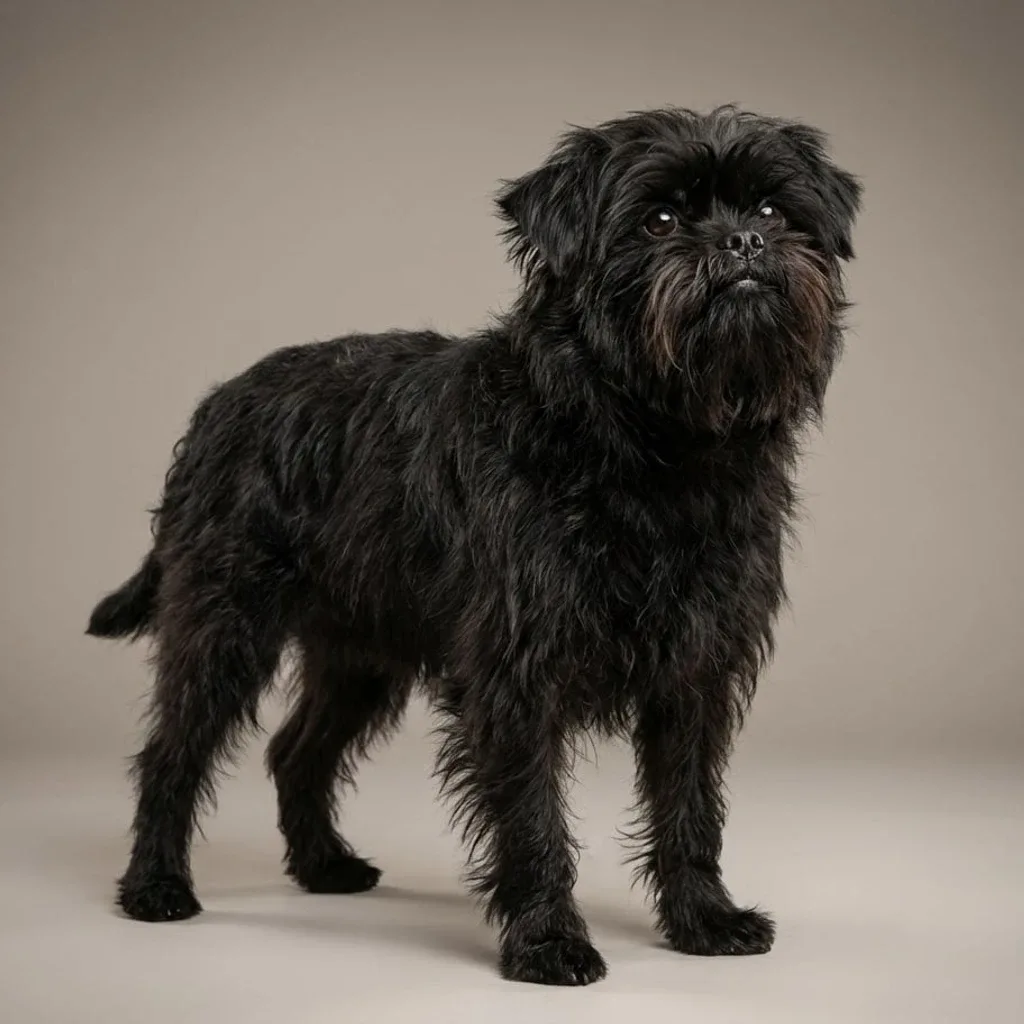
Affenpinscher
The Affenpinscher is a sturdy, monkey-like terrier-type toy breed known for its confidence and playful spirit. Despite its small size, it possesses a courageous heart and a loyal personality, making it a wonderful companion for Kiwi apartment dwellers or those with smaller sections.
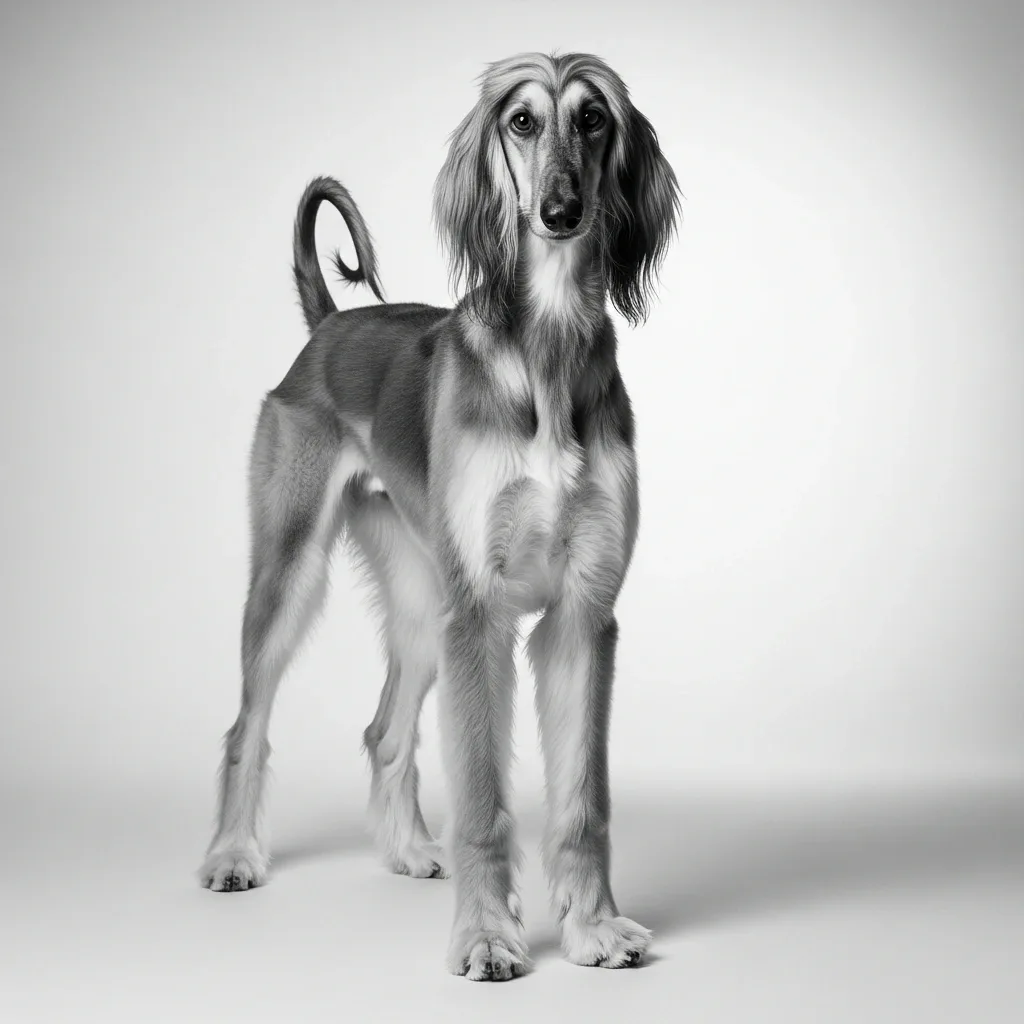
Afghan Hound
The Afghan Hound is an elegant aristocrat with a dignified and aloof personality. Known for its striking, silky coat, this breed is a high-maintenance beauty that requires ample space to run and an owner dedicated to its complex grooming needs.
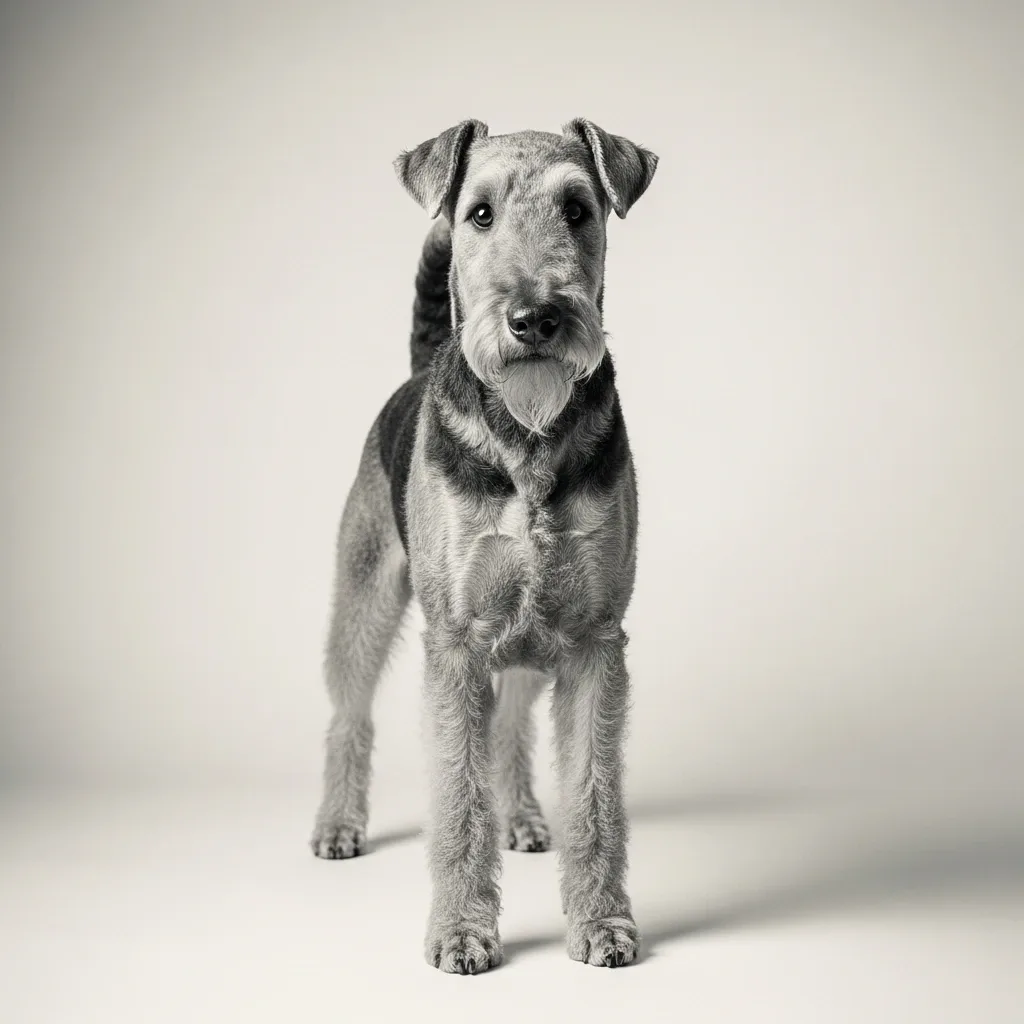
Airedale Terrier
The 'King of Terriers', the Airedale is the largest of all terrier breeds. They are brave, hardworking, and highly intelligent, making them excellent partners for active Kiwi families who love tramping and outdoor adventures.
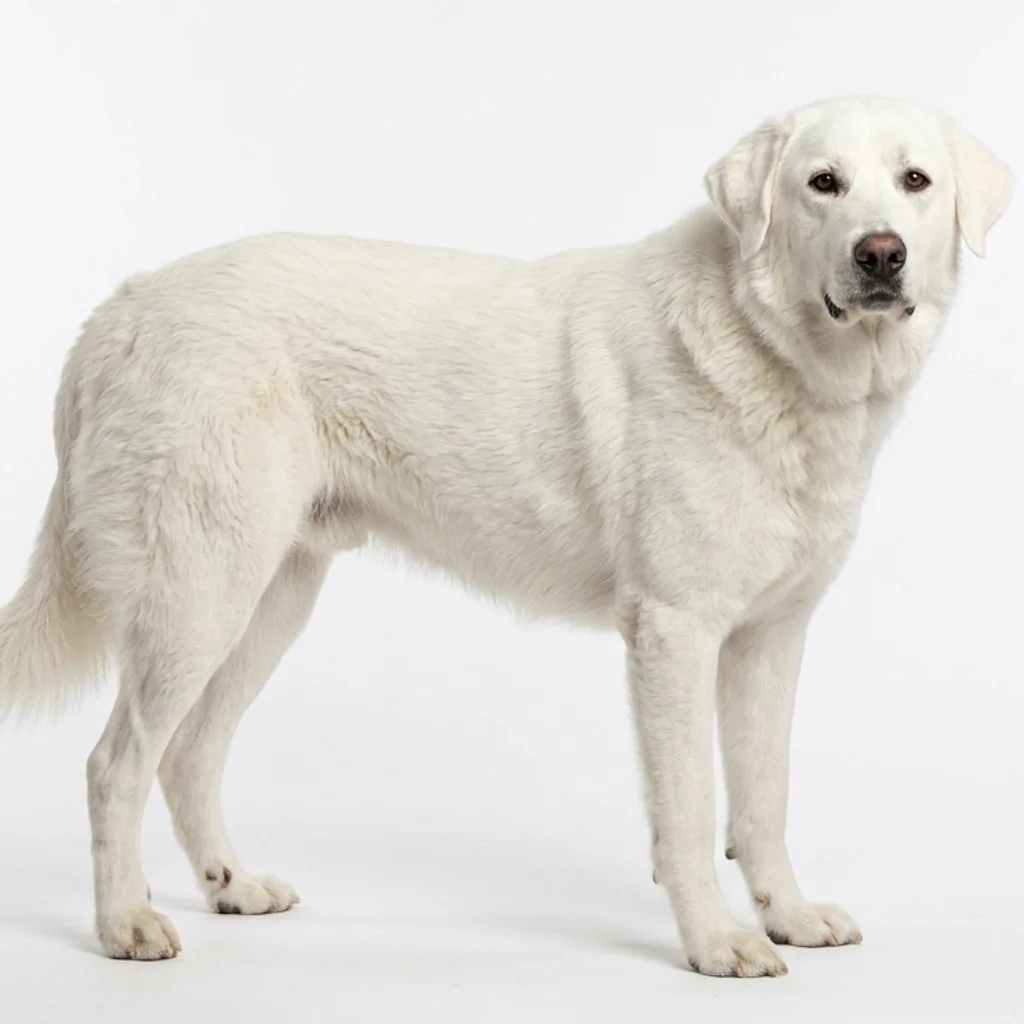
Akbash Dog
Originally a Turkish livestock guardian, the Akbash is a serious, protective, and independent breed. They are not suited for apartment living and thrive on large NZ lifestyle blocks where they can have a 'territory' to watch over.