Dog Breed Guide NZ
Scottish Terrier
The Scottish Terrier, affectionately known as the 'Scottie', is a small dog with a big personality. Distinguished by its iconic wiry coat, dignified beard, and spirited gait, this breed is a true character. Beneath their rugged exterior lies a loyal, confident, and intelligent companion with a fiercely independent streak. Scotties are alert and make excellent watchdogs, always ready to protect their family. While they appreciate a good romp, they are equally content to relax indoors, making them adaptable to various New Zealand living situations, from a suburban home with a secure section to a city flat, provided their exercise and mental stimulation needs are met. Their unique charm and unwavering devotion make them a cherished part of many Kiwi households.
Photo Gallery
Breed Snapshot
- Size
- Male: 8.5-10 kg; Female: 8-9.5 kg
- Lifespan
- 12-15 years
- Origin
- Being enriched
- Temperament
- Confident, independent, alert, intelligent, loyal
- NZ Price
- $1,500 - $3,500 NZD from registered breeders; $150-$350 NZD adoption via SPCA or breed-specific rescues.
- Annual Vet Cost
- Estimated annual vet costs for a Scottish Terrier in NZ range from $600 - $1,000 NZD. This includes routine check-ups, vaccinations, flea and worm treatments. Breed-specific health issues that may incur additional costs include Scottie Cramp (a movement disorder), von Willebrand's Disease (a bleeding disorder), Patellar Luxation, and a predisposition to certain cancers like transitional cell carcinoma (Scottie Bladder Cancer). Regular screenings and early detection can help manage these conditions.
Personality Scores
NZ Lifestyle Fit
The Scottish Terrier's adaptability makes them suitable for various New Zealand living situations. For an Auckland apartment, a Scottie can thrive if they receive consistent daily exercise and mental stimulation, but their independent nature means they aren't always content to be a lapdog. Their alert barking might also be a consideration for close neighbours. In a house with a secure section, they are in their element, enjoying patrolling their territory and having space to explore. Rural NZ farm life can suit their terrier instincts, though their strong prey drive means they'd need careful training and supervision around livestock. Auckland's humid summers necessitate regular grooming to prevent skin issues and ensure comfort, while their double coat provides good insulation for South Island cold winters, though a warm indoor spot is still essential. High UV levels across NZ mean care should be taken with any exposed skin, though Scotties are generally well-covered. MPI (Ministry for Primary Industries) has no specific restrictions on owning Scottish Terriers in New Zealand, as they are a common and well-established breed.
Origins & History
The Scottish Terrier's roots are deeply embedded in the rugged landscapes of the Scottish Highlands, where they were originally bred to hunt and kill vermin such as badgers, foxes, and rats. Their distinctive short legs, sturdy build, and wiry coat were perfectly adapted for navigating rocky terrain and burrowing into dens. While their exact lineage is somewhat debated, they are one of the oldest terrier breeds from Scotland, with records dating back to the 17th century. Initially grouped with other Scottish terriers, the Scottie gained individual recognition in the late 19th century. Their courage, tenacity, and independent spirit, honed over centuries of hunting, are still very much evident in the modern Scottie, making them a formidable yet charming companion.
Appearance
The Scottish Terrier is instantly recognisable by its unique silhouette and robust build. They are a compact, sturdy dog with a distinctive long head, deep-set eyes, and erect ears, giving them an intelligent and alert expression. Males typically weigh between 8.5-10 kg, while females range from 8-9.5 kg, standing around 25-28 cm tall at the shoulder. Their most defining feature is their hard, wiry outer coat and soft, dense undercoat, which provides excellent protection against the elements. Common coat colours include black, brindle, and wheaten. They possess a characteristic 'Scottie beard' and prominent eyebrows, adding to their dignified and somewhat serious demeanour. Their short, powerful legs and muscular body reflect their working heritage, allowing for surprising agility and strength.
Temperament & Personality
Scotties are renowned for their confident, independent, and alert temperament. They possess a 'big dog in a small body' attitude, often fearless and self-assured. While intelligent, their independent nature means they can be strong-willed, requiring consistent and patient training. They are fiercely loyal and devoted to their family, often forming a strong bond with one or two individuals, though they are generally affectionate with all household members. Scotties are naturally alert and make excellent watchdogs, quick to bark at anything unusual. They can be reserved with strangers and may not be immediately friendly, preferring to observe before engaging. Their terrier instincts mean they have a strong prey drive, so careful supervision around smaller pets is essential. Despite their independent streak, they thrive on companionship and enjoy being part of family activities.
Life in New Zealand
The Scottish Terrier is well-suited to life in New Zealand, adapting comfortably to various environments. Their moderate size makes them suitable for both suburban homes with a secure section and larger flats, provided they receive adequate exercise. In Auckland's humid summers, their dense coat requires regular grooming and care to prevent matting and ensure they stay cool, perhaps with a shaded spot and plenty of fresh water. For those in the South Island experiencing colder winters, Scotties are generally hardy due to their double coat, but still appreciate a warm, dry indoor sleeping area. Their love for exploring makes them great companions for walks along New Zealand's many beaches (checking local council dog rules first), through reserves, or even on shorter, dog-friendly tramping tracks. Their alert nature means they'll be quick to notify you of any visitors, be it the postie or a curious fantail in the garden.
Is This the Right Breed for You?
A Scottish Terrier is an excellent choice for individuals or families who appreciate a dog with character, independence, and unwavering loyalty. They thrive with owners who understand and respect their terrier traits – their confidence, alertness, and occasional stubbornness. If you're looking for a dog that's always eager to please and easily trained, a Scottie might challenge you; they require patience and consistency. They are not typically a 'velcro' dog but enjoy being close to their family. Their grooming needs are significant, and their exercise requirements, while moderate, are non-negotiable. They can be good with respectful older children and may tolerate other pets if socialised early, but their prey drive means caution is always advised. If you're prepared for a spirited, intelligent, and devoted companion who will keep you entertained with their unique personality, a Scottie could be the perfect addition to your Kiwi home.
Fun Facts
Fact 1
The Scottish Terrier has been owned by several US Presidents, including Franklin D. Roosevelt, whose Scottie 'Fala' was one of the most famous presidential pets.
Fact 2
Their distinctive wiry coat serves a practical purpose, providing excellent protection against harsh weather and thorny undergrowth during their original hunting duties.
Fact 3
The Scottie's independent and dignified nature has earned them the nickname 'Diehard', reflecting their tenacious spirit.
Fact 4
The breed's silhouette is often used in logos and imagery, making them one of the most recognisable dog breeds globally.
Fact 5
Despite their small size, Scottish Terriers are known for their deep, booming bark, making them surprisingly effective watchdogs.
Related Breeds
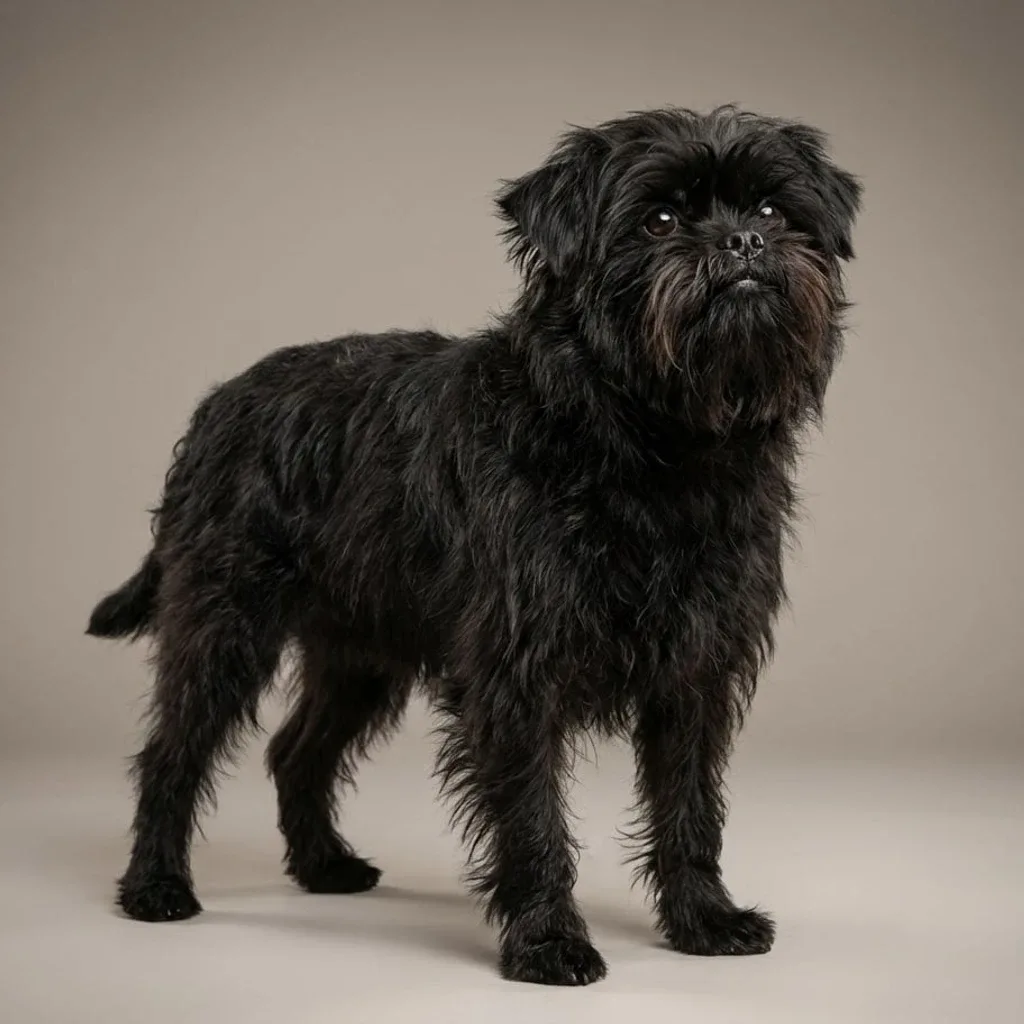
Affenpinscher
The Affenpinscher is a sturdy, monkey-like terrier-type toy breed known for its confidence and playful spirit. Despite its small size, it possesses a courageous heart and a loyal personality, making it a wonderful companion for Kiwi apartment dwellers or those with smaller sections.
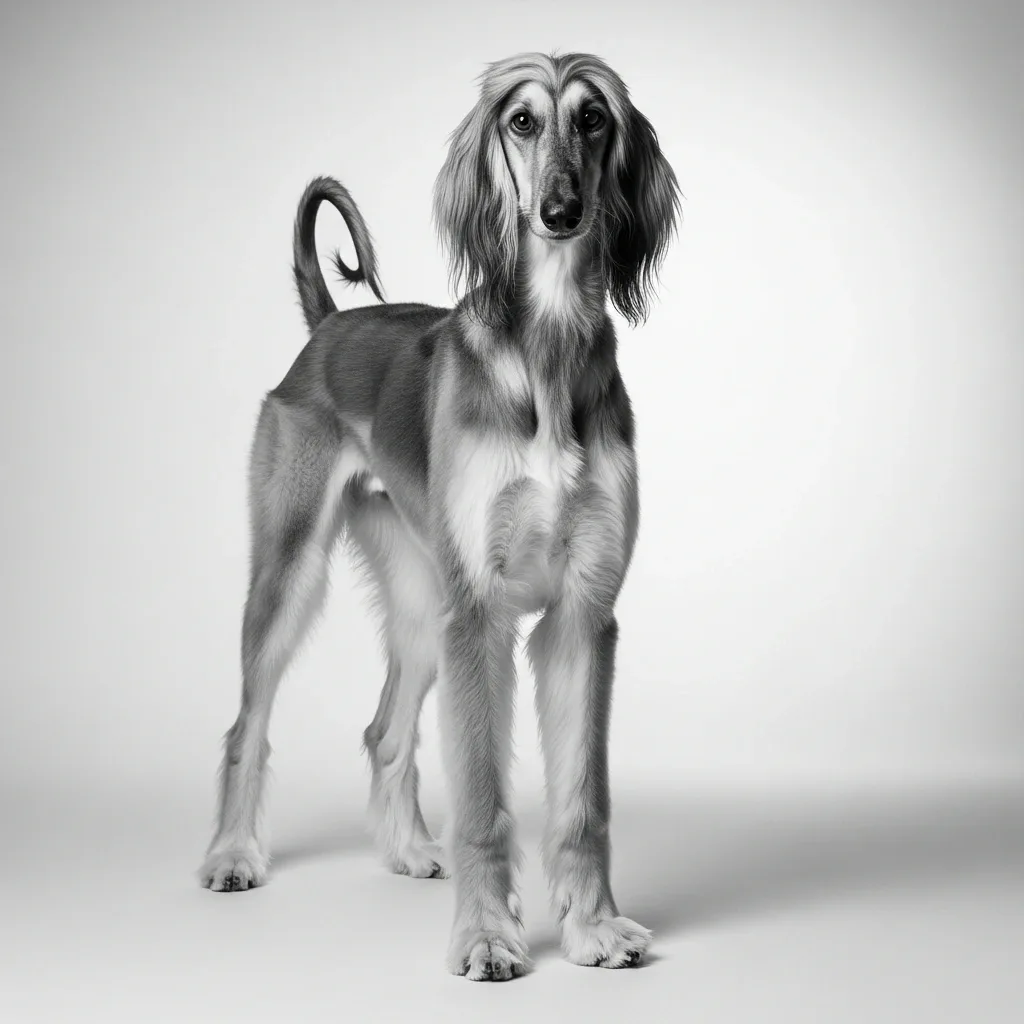
Afghan Hound
The Afghan Hound is an elegant aristocrat with a dignified and aloof personality. Known for its striking, silky coat, this breed is a high-maintenance beauty that requires ample space to run and an owner dedicated to its complex grooming needs.
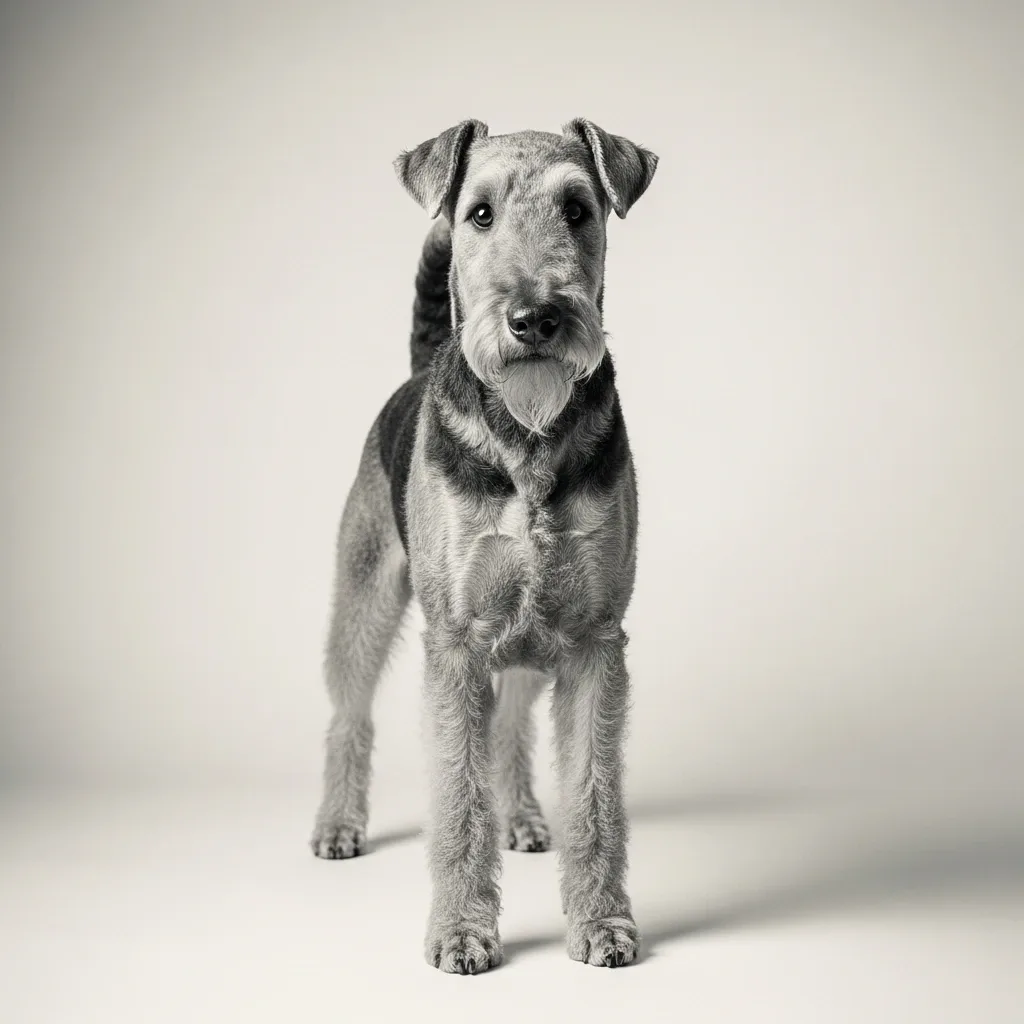
Airedale Terrier
The 'King of Terriers', the Airedale is the largest of all terrier breeds. They are brave, hardworking, and highly intelligent, making them excellent partners for active Kiwi families who love tramping and outdoor adventures.
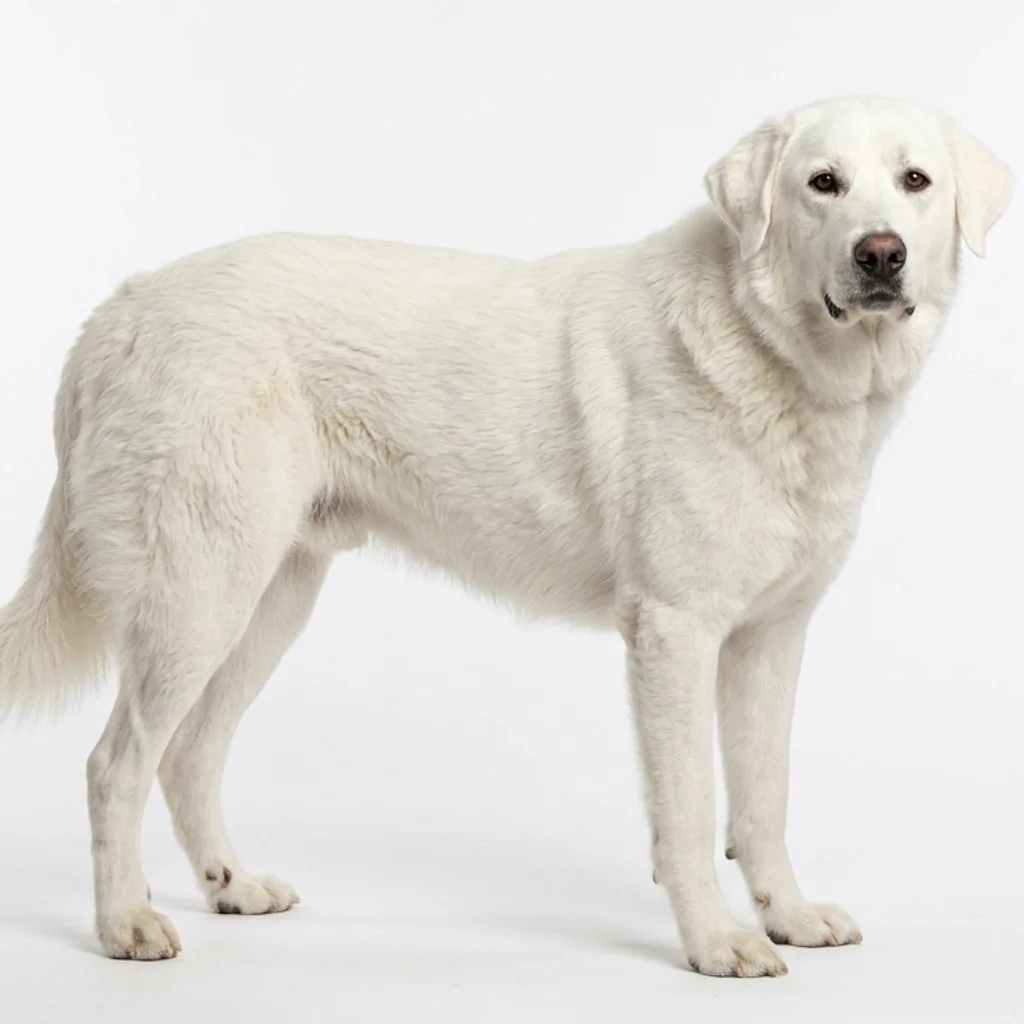
Akbash Dog
Originally a Turkish livestock guardian, the Akbash is a serious, protective, and independent breed. They are not suited for apartment living and thrive on large NZ lifestyle blocks where they can have a 'territory' to watch over.