Dog Breed Guide NZ
Scottish Deerhound
The Scottish Deerhound is a truly magnificent and noble canine, often referred to as the 'Royal Dog of Scotland'. This large sighthound combines a dignified presence with a gentle and affectionate nature, making them devoted family members. Their rough, shaggy coat and elegant build belie a powerful athlete who, despite being quiet and calm indoors, requires ample space for exhilarating bursts of speed. In New Zealand, Deerhounds thrive in homes with a generous section or rural properties where they can stretch their long legs. Their calm demeanour makes them wonderful companions for Kiwi families seeking a loyal, gentle giant who appreciates both a good run and a cosy spot by the fire.
Photo Gallery
Breed Snapshot
- Size
- Male: 39-50 kg; Female: 34-43 kg
- Lifespan
- 8-11 years
- Origin
- Being enriched
- Temperament
- Gentle, dignified, calm, loyal, friendly
- NZ Price
- $3,000 - $5,000 NZD from registered breeders; $150-$350 NZD adoption via SPCA (rarely available)
- Annual Vet Cost
- Estimated annual vet costs for a Scottish Deerhound in NZ range from $800 - $1,500 NZD. This includes routine check-ups, vaccinations, and parasite prevention. However, due to breed-specific health issues such as bloat (gastric dilatation-volvulus), cardiomyopathy, osteosarcoma (bone cancer), and sensitivity to anaesthesia, emergency or specialist treatment could significantly increase this. Owners should budget for potential diagnostic tests, medications, or surgeries related to these conditions, which can easily run into thousands of dollars.
Personality Scores
NZ Lifestyle Fit
Scottish Deerhounds are best suited for homes with ample space. An apartment in Auckland, even a large one, is generally not ideal due to their size and crucial need for bursts of high-speed running. While quiet indoors, they require a secure outdoor area for exercise. A house with a generous, securely fenced section is a much better fit, allowing them to stretch their legs daily. Rural NZ farms are an excellent environment, offering vast open spaces for them to gallop, though secure boundaries are still paramount due to their strong prey drive. Auckland's humid summers can be uncomfortable for their rough coat; ensure plenty of shade and fresh water. South Island's cold winters necessitate a warm, sheltered indoor sleeping area. High UV levels across New Zealand mean sun protection or limiting prolonged exposure during peak hours is advisable. There are no specific MPI restrictions on Scottish Deerhounds beyond general dog ownership regulations.
Origins & History
The Scottish Deerhound boasts an ancient and storied lineage, tracing its roots back centuries to the Highlands of Scotland. Bred specifically to hunt the formidable red deer, these dogs were essential companions to Scottish chieftains and nobility. Their history is intertwined with the rugged landscape and the pursuit of large game, requiring a dog with incredible speed, stamina, and courage. Historically, ownership was restricted, often only permitted to those of noble birth, cementing their status as the 'Royal Dog of Scotland'. While their primary role as deer hunters has diminished, their noble spirit and gentle nature have ensured their continued admiration as cherished companions. Today, they remain a relatively rare breed, valued for their unique combination of power and grace.
Appearance
The Scottish Deerhound is a striking and impressive dog, instantly recognisable by its large, lean, and athletic build, characteristic of a sighthound. Males typically stand between 76-81 cm at the shoulder and weigh 39-50 kg, while females are slightly smaller at 71-76 cm and 34-43 kg. Their most distinctive feature is their rough, shaggy coat, which is harsh to the touch and comes in various shades of grey, brindle, or fawn, often with darker points. This coat provides protection against the harsh Scottish weather, and equally, the varied New Zealand climate. They possess a long, tapered head, intelligent eyes, and small, high-set ears that fold back against the head. Their long, muscular legs and deep chest are built for speed and endurance, allowing them to cover ground with an effortless, graceful stride.
Temperament & Personality
Beneath their imposing stature, Scottish Deerhounds possess a truly gentle, dignified, and calm temperament. They are renowned for being incredibly loyal and affectionate with their families, often forming strong bonds. Indoors, they are surprisingly quiet and placid, content to lounge and observe, earning them the nickname 'couch potatoes'. However, this calm demeanour should not be mistaken for laziness; they are always ready for an adventure outdoors. They are generally friendly with strangers once properly introduced and typically get along well with children, showing patience and a protective instinct. While they possess a strong prey drive common to sighthounds, they can coexist peacefully with other pets if socialised from a young age, though small, fast-moving animals may trigger their chasing instinct. Their sensitive nature means they respond best to positive reinforcement and gentle handling.
Life in New Zealand
Scottish Deerhounds are well-suited to the New Zealand lifestyle, particularly for families with a good-sized section or those living in rural areas. Their need for space to run makes them ideal for properties with secure fencing, whether it's a suburban home with a large garden or a sprawling farm. They enjoy exploring New Zealand's diverse landscapes, from beaches (where permitted by local council bylaws) to open reserves and even some tramping tracks, provided they are kept on a lead due to their sighthound instincts. While their rough coat offers some protection, owners should be mindful of Auckland's humid summers, ensuring access to shade and water, and South Island's cold winters, providing warm, sheltered sleeping areas. Their high UV exposure risk in NZ means sun protection for lighter-coated areas or prolonged outdoor exposure is wise. They thrive as part of a family, enjoying both active outdoor excursions and quiet evenings at home.
Is This the Right Breed for You?
The Scottish Deerhound is an exceptional breed for the right owner, but they are not for everyone. If you appreciate a large, noble dog with a gentle soul and a calm indoor presence, this could be your perfect match. You must, however, be able to provide ample secure space for them to run and regular opportunities for vigorous exercise. They are devoted family members who thrive on companionship and do not do well left alone for long periods. Their relatively low grooming needs for a large dog, combined with their quiet nature, make them appealing, but potential owners must be prepared for their significant size and the associated costs of feeding and veterinary care for a large breed. Their sighthound instincts mean a securely fenced property is non-negotiable. If you can offer a loving home with space, time, and a commitment to their unique needs, a Scottish Deerhound will reward you with unwavering loyalty and affection, becoming a cherished part of your Kiwi whānau.
Fun Facts
Fact 1
The Scottish Deerhound is often referred to as the 'Royal Dog of Scotland' due to its historical association with Scottish nobility and its role in hunting red deer.
Fact 2
Despite their large size and hunting prowess, Deerhounds are known for being incredibly gentle, quiet, and affectionate companions indoors.
Fact 3
Their distinctive rough, shaggy coat was historically bred to protect them from the harsh Scottish weather and the rough terrain of the Highlands.
Fact 4
Scottish Deerhounds are one of the tallest dog breeds, with males often standing over 76 cm at the shoulder.
Fact 5
They possess a unique 'double suspension gallop', allowing them to cover ground with incredible speed and grace, essential for their original purpose of chasing deer.
Related Breeds
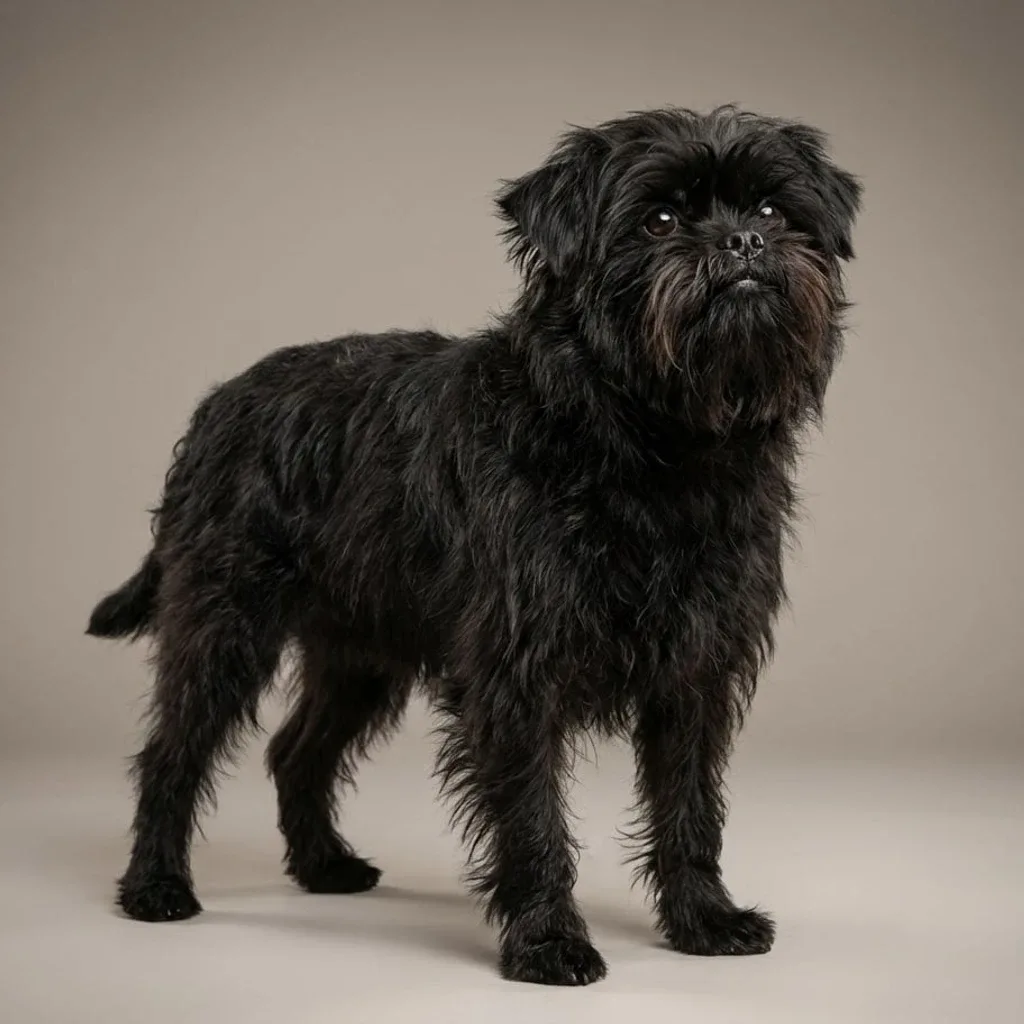
Affenpinscher
The Affenpinscher is a sturdy, monkey-like terrier-type toy breed known for its confidence and playful spirit. Despite its small size, it possesses a courageous heart and a loyal personality, making it a wonderful companion for Kiwi apartment dwellers or those with smaller sections.
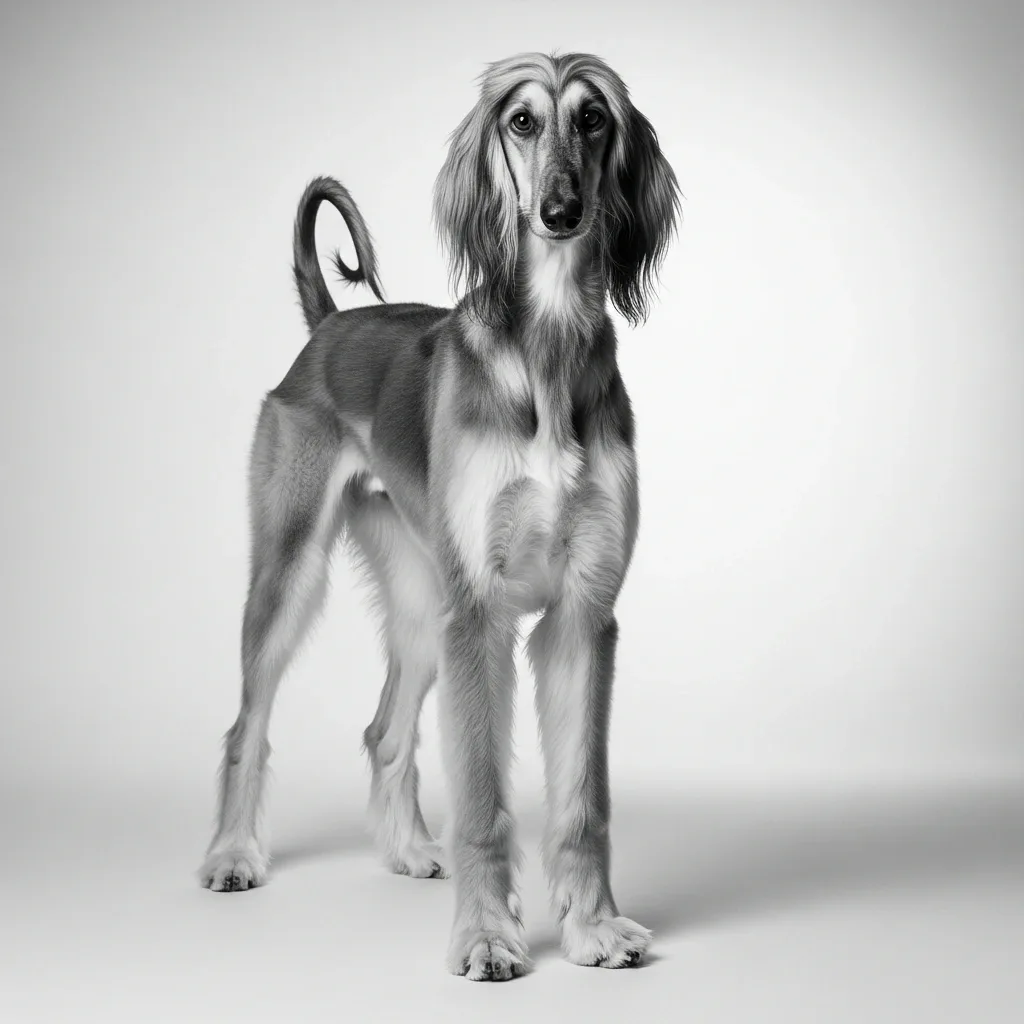
Afghan Hound
The Afghan Hound is an elegant aristocrat with a dignified and aloof personality. Known for its striking, silky coat, this breed is a high-maintenance beauty that requires ample space to run and an owner dedicated to its complex grooming needs.
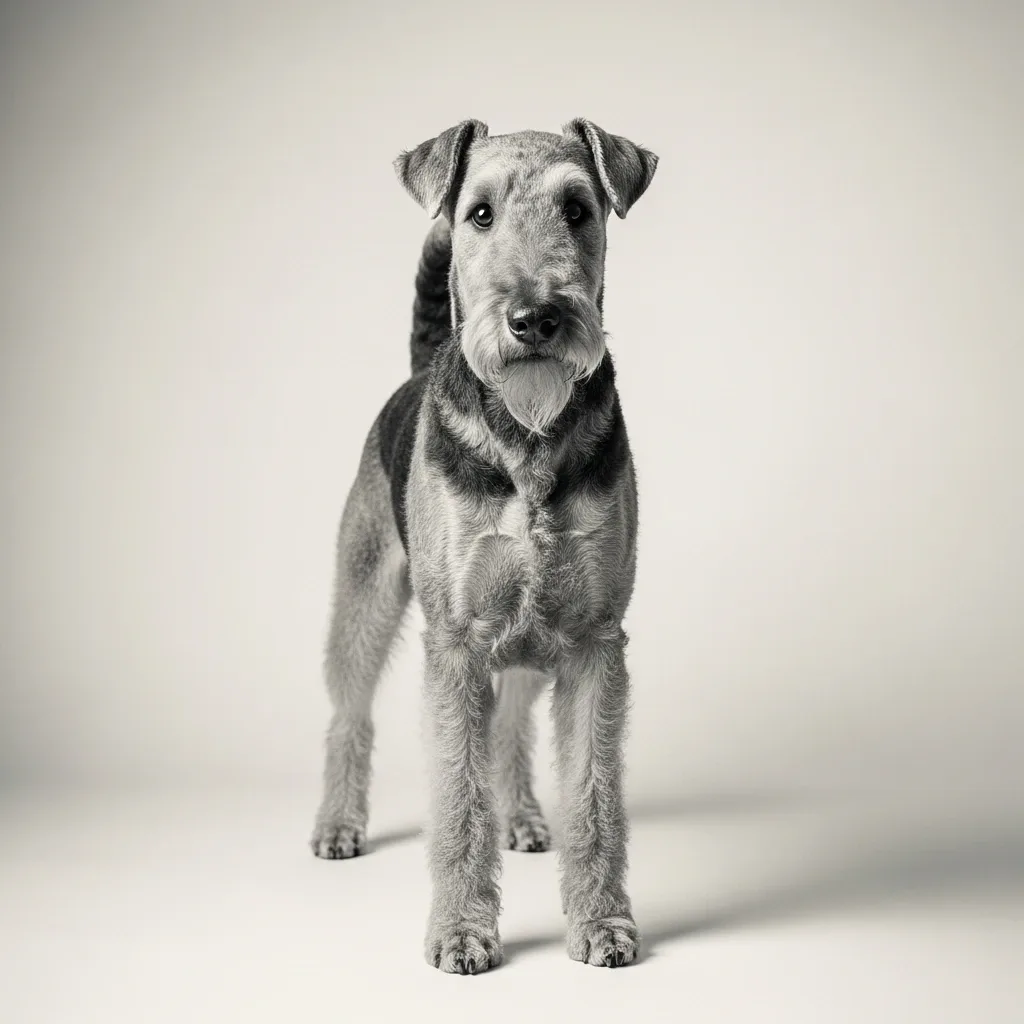
Airedale Terrier
The 'King of Terriers', the Airedale is the largest of all terrier breeds. They are brave, hardworking, and highly intelligent, making them excellent partners for active Kiwi families who love tramping and outdoor adventures.
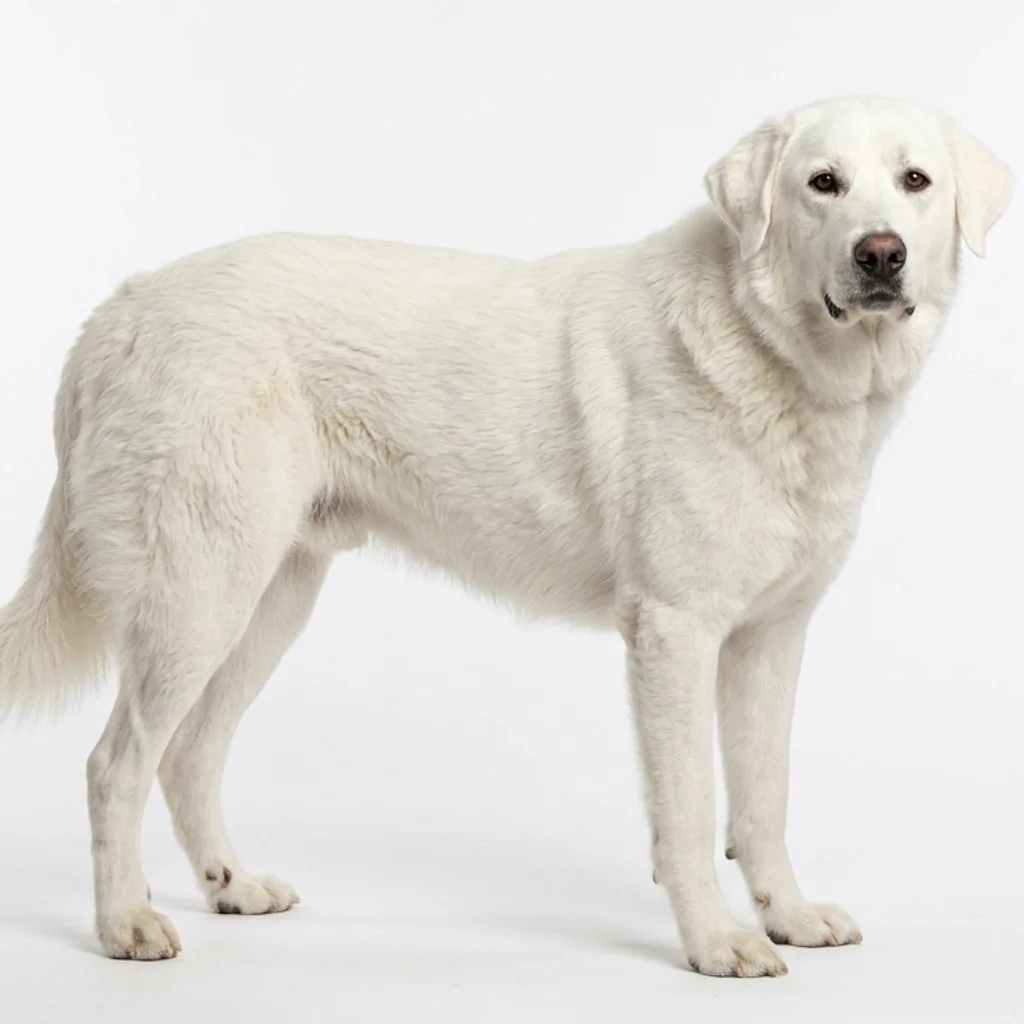
Akbash Dog
Originally a Turkish livestock guardian, the Akbash is a serious, protective, and independent breed. They are not suited for apartment living and thrive on large NZ lifestyle blocks where they can have a 'territory' to watch over.