Dog Breed Guide NZ
Schnoodle
The Schnoodle is an intelligent and loyal cross between a Schnauzer and a Poodle. Spirited, alert, and affectionate, they make excellent watchdogs and family pets but require consistent training and strict low-fat diets.
Photo Gallery
Breed Snapshot
- Size
- Toy: 4–6 kg; Miniature: 6–10 kg
- Lifespan
- 12–15 years
- Origin
- United States / United Kingdom
- Temperament
- Loyal, intelligent, alert, playful, active, protective, stubborn
- NZ Price
- $2,000 – $4,000+ NZD from reputable NZ breeders; $150 – $450 NZD via SPCA or local rescue organisations.
- Annual Vet Cost
- Routine annual vet care (vaccinations, flea/worming, health checks) runs $500 – $1,000 NZD. Breed-specific risks include pancreatitis, which often requires emergency veterinary clinic hospitalization costing $1,500 – $4,500+ NZD per acute episode. Other potential costs include dental cleanings under anaesthesia and eye surgeries (PRA/cataracts) running $2,000 – $5,000+ NZD.
Personality Scores
NZ Lifestyle Fit
Schnoodles suit many New Zealand lifestyles, adapting well to suburban townhouses and family homes with small backyards. Because they inherit the Schnauzer's watchdog instincts, early alert barking management is essential for high-density city living. They tolerate NZ's temperate climate well but need standard sun protection and a shorter clip in summer. Due to their companion focus, they form tight bonds and do best when not left alone in empty houses for long workdays.
Origins & History
The Schnoodle is an established designer crossbreed that first emerged in the United States and United Kingdom during the 1980s. It was developed by crossing a Miniature Schnauzer with a Toy or Miniature Poodle. The original breeding goal was to combine the loyalty, protective instincts, and trainability of the Schnauzer with the high intelligence and low-shedding qualities of the Poodle. Over the past two decades, the Schnoodle has become a highly popular family companion in New Zealand, valued by suburban homeowners and retirees in metropolitan areas like Auckland, Tauranga, and Christchurch.
Crossbreed Reality & Breed Characteristics
As a hybrid cross, the Schnoodle is not recognized as a standardized breed by Dogs New Zealand, meaning there is no official breed standard. Offspring can inherit any combination of traits from the parent breeds. F1 generation crosses (a purebred Miniature Schnauzer bred to a purebred Poodle) show the greatest variation in coat type, body shape, and temperament. While many buyers hope for a hypoallergenic lapdog, some Schnoodles inherit the stronger working drive and wiry coat of the Schnauzer. Multi-generational Schnoodles tend to show more consistency, but prospective owners must be prepared to accept the genetic lottery of hybrid dogs.
Coat Types & Grooming Requirements
Schnoodle coats are highly variable and require significant maintenance:
- Wiry Hair Coat: More closely resembling the Schnauzer. This coat sheds moderately, requires weekly brushing, and needs regular hand-stripping or trimming to maintain its texture. It is less suitable for severe allergy sufferers.
- Curly Wool Coat: Resembling the Poodle. This coat is very low-shedding and hypoallergenic but mats extremely easily. It requires daily thorough combing down to the skin with a metal comb and professional clipping every 6 to 8 weeks.
- Wavy Fleece Coat: A soft blend of both parent coats. It is low-shedding but prone to matting around the ears, belly, and legs.
In addition to coat care, Schnoodles need weekly ear cleaning, as their floppy ears trap hair and moisture, increasing the risk of ear infections.
Temperament & Watchdog Instincts
Schnoodles are famously loyal, affectionate, and protective companions. They bond deeply with their owners, often acting as a shadow around the house. They combine the Poodle's sharp intellect with the Schnauzer's spunky, spirited personality.
However, Kiwi owners must be prepared for the Schnauzer's watchdog heritage: Schnoodles possess a strong alert barking instinct. They are quick to sound the alarm at any unfamiliar sound, the postie, or visitors. If left unmanaged, this can develop into nuisance barking, making them challenging for high-density apartments or close townhouse living. Early training and providing adequate mental stimulation are essential to prevent boredom-based barking.
Health, Diet & Pancreatitis Risks
While hybrids can benefit from hybrid vigour, Schnoodles are genetically prone to several serious conditions. The most critical health concern is acute and chronic pancreatitis, inherited from the Schnauzer side. Miniature Schnauzers are genetically predisposed to hyperlipidemia (high levels of fat in the blood), which can trigger severe, life-threatening inflammation of the pancreas.
Even a single high-fat treat — such as bacon, roast meat trimmings, or table leftovers — can trigger an emergency veterinary crisis. Owners must commit to a strictly monitored, low-fat diet. Other potential health issues include diabetes, Progressive Retinal Atrophy (PRA) leading to blindness, cataracts, and patellar luxation.
For more details on adopting dogs and puppies in New Zealand, visit the SPCA New Zealand guide.
Fun Facts
Fact 1
The name 'Schnoodle' combines 'Schnauzer' and 'Poodle' (often Toy or Miniature Poodle).
Fact 2
They inherit the Schnauzer's natural watchdog instincts, making them very alert and quick to bark at visitors.
Fact 3
Schnoodles are highly susceptible to pancreatitis; feeding them a single piece of greasy human food can trigger a veterinary emergency.
Fact 4
Their coat can range from wiry (like a Schnauzer) to curly (like a Poodle), with pepper-and-salt being a popular color pattern.
Fact 5
Many Schnoodles are described as having a 'forever puppy' look, retaining their cute features and playful spirit into senior years.
Related Breeds
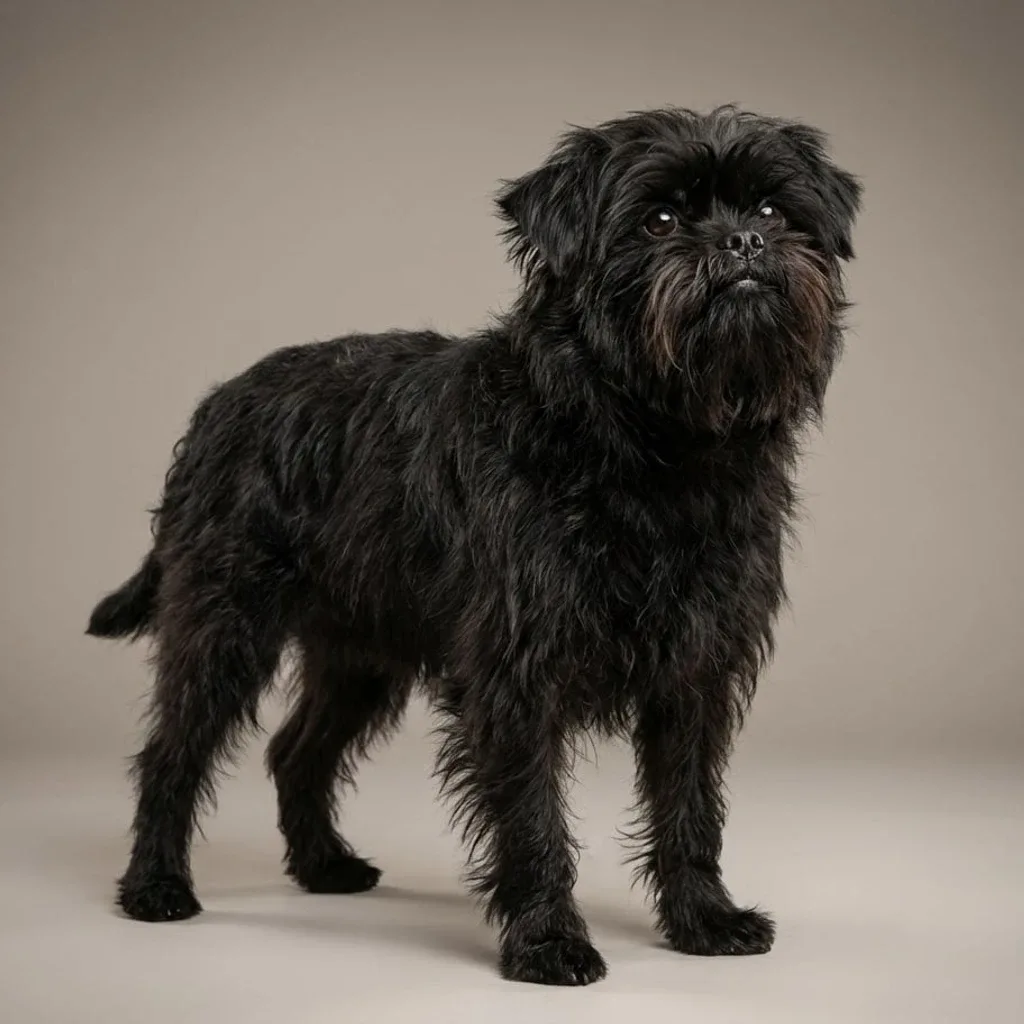
Affenpinscher
The Affenpinscher is a sturdy, monkey-like terrier-type toy breed known for its confidence and playful spirit. Despite its small size, it possesses a courageous heart and a loyal personality, making it a wonderful companion for Kiwi apartment dwellers or those with smaller sections.
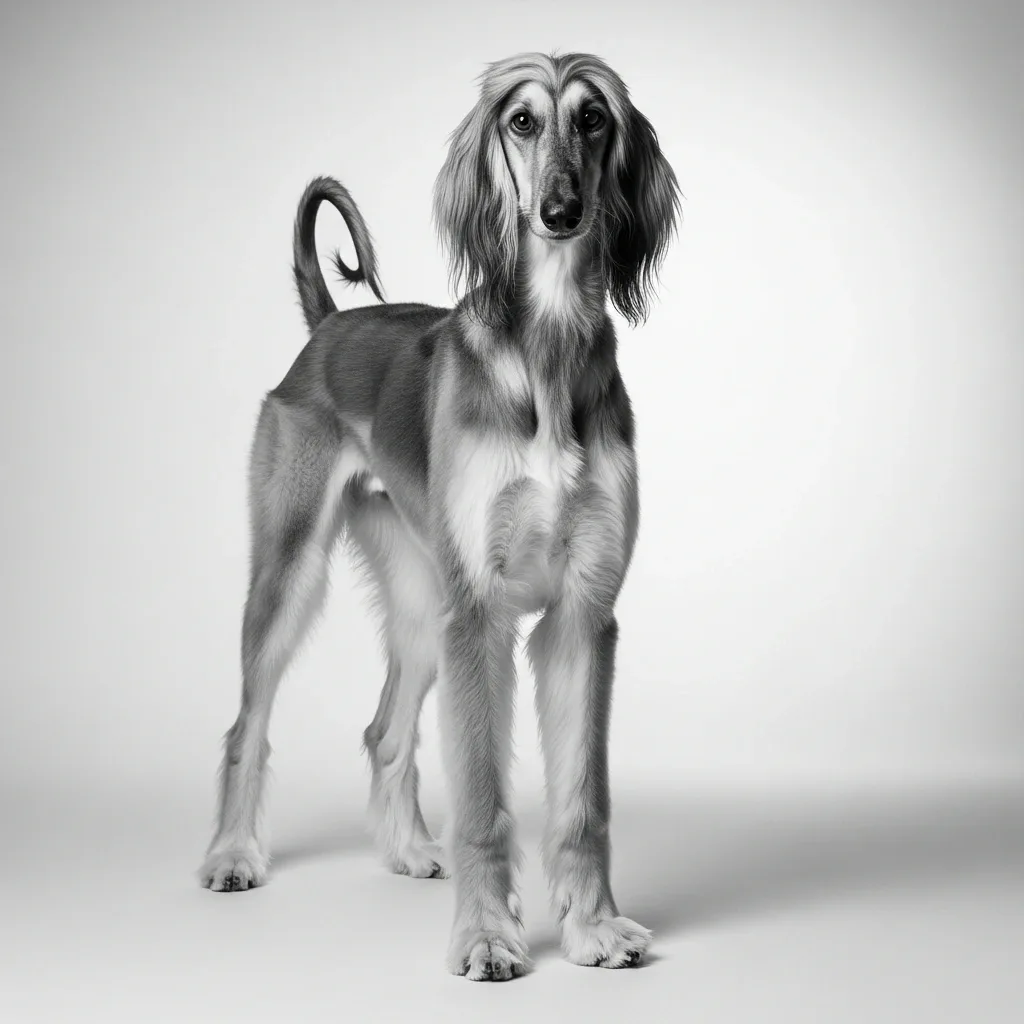
Afghan Hound
The Afghan Hound is an elegant aristocrat with a dignified and aloof personality. Known for its striking, silky coat, this breed is a high-maintenance beauty that requires ample space to run and an owner dedicated to its complex grooming needs.
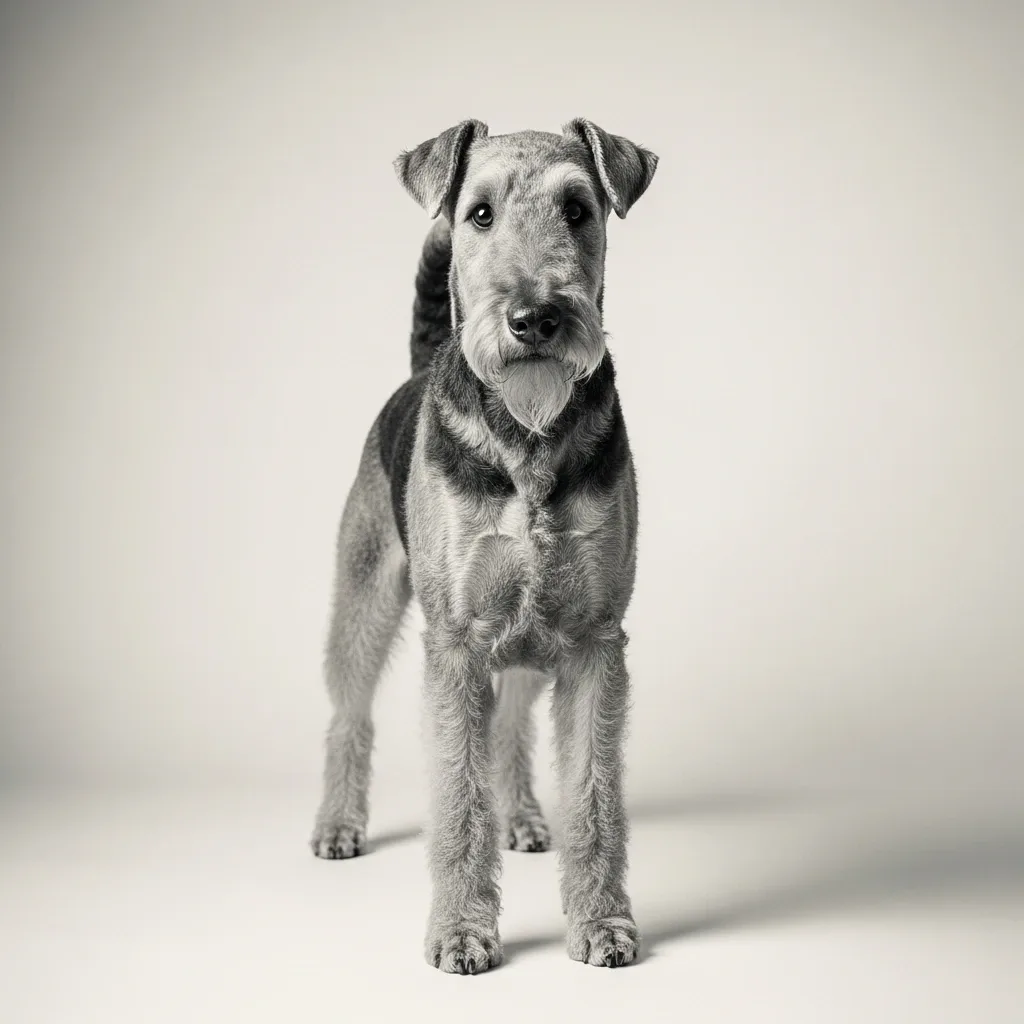
Airedale Terrier
The 'King of Terriers', the Airedale is the largest of all terrier breeds. They are brave, hardworking, and highly intelligent, making them excellent partners for active Kiwi families who love tramping and outdoor adventures.
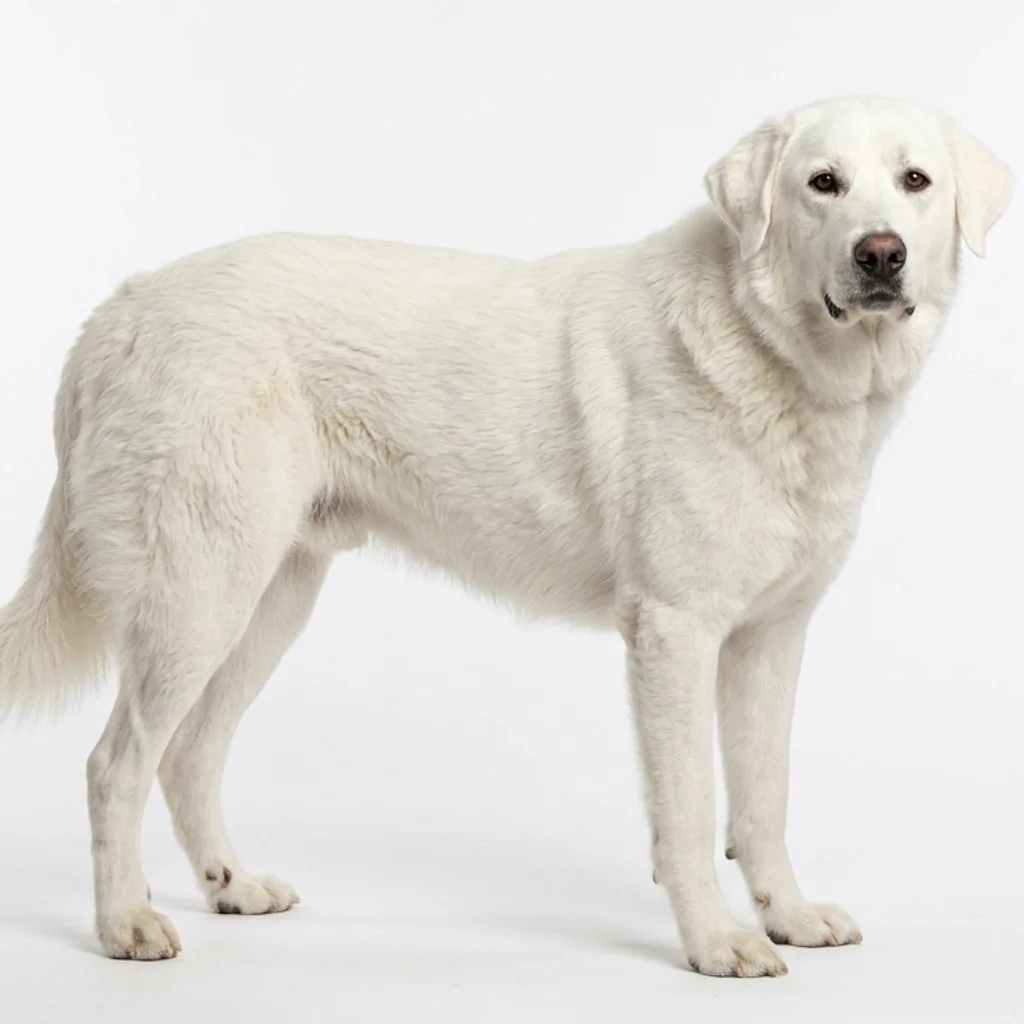
Akbash Dog
Originally a Turkish livestock guardian, the Akbash is a serious, protective, and independent breed. They are not suited for apartment living and thrive on large NZ lifestyle blocks where they can have a 'territory' to watch over.