Dog Breed Guide NZ
Schipperke
The Schipperke, often dubbed the 'Little Black Devil,' is a captivating and agile companion packed with personality. Originating as canal boat dogs in Belgium, these intelligent and mischievous canines are renowned for their alert nature and endless curiosity. Despite their small stature (4.5-7 kg), they possess a surprising amount of energy and a strong independent streak, making them excellent watchdogs. Their distinctive fox-like appearance and dense black coat add to their unique charm. In New Zealand, a Schipperke thrives in active households, whether in a city flat with regular outings or a home with a secure section, always ready for an adventure at the beach or a bush walk. They fit well into the Kiwi lifestyle for those seeking a spirited, loyal, and compact companion.
Photo Gallery
Breed Snapshot
- Size
- 4.5-7 kg
- Lifespan
- 12-14 years
- Origin
- Being enriched
- Temperament
- Alert, confident, energetic, intelligent, independent, curious
- NZ Price
- $1,500 - $3,000 NZD from registered breeders (NZKC); $150-$450 NZD adoption via SPCA or breed-specific rescues
- Annual Vet Cost
- Estimated annual vet costs for a Schipperke in New Zealand typically range from '$400 - $800 NZD'. This covers routine check-ups, vaccinations, flea and worm treatments, and general preventative care. However, potential breed-specific health issues can increase these costs. Schipperkes are predisposed to conditions like Legg-Calvé-Perthes disease, patellar luxation, and certain eye conditions such as Progressive Retinal Atrophy (PRA). A rare genetic metabolic disorder, Mucopolysaccharidosis Type IIIB (MPS IIIB), is also specific to the breed, though responsible breeders screen for it. Managing these conditions, if they arise, could involve specialist consultations, medications, or surgery, potentially adding thousands of dollars to annual expenses. Pet insurance is highly recommended to help mitigate the financial impact of unexpected health issues.
Personality Scores
NZ Lifestyle Fit
The Schipperke's compact size and adaptable nature make it surprisingly versatile for various New Zealand living situations, though its energetic personality is a key consideration. For those in an Auckland apartment or city flat, a Schipperke can thrive provided it receives ample daily exercise, including walks around local parks or along the waterfront. Owners must be diligent with mental stimulation to prevent boredom in smaller spaces. Auckland's humid summers can be warm for their dense double coat, so access to air conditioning or cool, shaded areas is crucial. In a house with a secure section, a Schipperke will revel in the extra space to explore and play, but supervision is still essential as they are curious escape artists. Their alertness makes them excellent watchdogs for suburban homes. Rural New Zealand farm life could suit a Schipperke if they are kept safe from livestock and farm machinery. Their ratting instincts are strong, making them useful pest controllers. However, their independent nature means they might wander, so secure fencing is paramount. South Island's cold winters are generally well-tolerated by their thick coat, but shelter from extreme weather is always necessary. High UV levels across NZ mean ensuring shade during peak sun hours, though their black coat and dense fur offer some natural protection. There are no MPI restrictions on owning Schipperkes in New Zealand.
Origins & History
The Schipperke's history is as intriguing as its personality. Originating in 17th-century Belgium, particularly around the canals and waterways of Flanders, these small, agile dogs were primarily employed as ratters and watchdogs on barges and canal boats. Their name, "Schipperke," is Flemish for "little captain" or "little skipper," a testament to their maritime heritage. They quickly gained a reputation for their fierce loyalty and vigilant nature, earning them the affectionate, yet fitting, nickname "Little Black Devil" due to their mischievous antics and dark, often tailless appearance. While their exact lineage is debated, they are believed to be descendants of the Leauvenaar, a black sheepdog, making them one of the oldest breeds in Belgium. Their popularity spread beyond the canals, becoming cherished companions and guardians in homes and workshops throughout Belgium and eventually, the world.
Appearance
The Schipperke is a distinctive-looking breed, often described as a miniature black fox. They are compact, sturdy dogs, typically weighing between 4.5 to 7 kilograms. Their most striking feature is their dense, harsh double coat, which is uniformly black. This coat is longer around the neck, forming a prominent ruff, and also on the chest and hindquarters, creating characteristic "culottes" or "breeches." Their body is short and cobby, giving them a square silhouette. They have a keen, alert expression, enhanced by their small, dark, oval-shaped eyes and erect, triangular ears. Schipperkes traditionally had their tails docked, giving them a unique bob-tailed appearance, though in many countries, including New Zealand, tail docking is now restricted or illegal, so natural-tailed Schipperkes are becoming more common. Their overall appearance exudes confidence and alertness, reflecting their active and watchful nature.
Temperament & Personality
True to their "Little Black Devil" moniker, Schipperkes are renowned for their spirited, intelligent, and often mischievous personalities. They are incredibly alert and confident, making them exceptional watchdogs who will readily announce any perceived intruder or unusual activity. Despite their small size, they possess a fearless and independent streak, often believing they are much larger than they are. They are highly energetic and curious explorers, always eager to investigate their surroundings. Schipperkes form strong bonds with their families and are fiercely loyal, thriving on companionship. However, their intelligence and independence mean they require consistent training and mental stimulation to prevent boredom and destructive behaviours. They can be wary of strangers and other dogs if not properly socialised from a young age. With their playful nature and boundless energy, they are engaging companions for active individuals or families who appreciate a dog with a big personality in a small package.
Life in New Zealand
Schipperkes are well-suited to various lifestyles across Aotearoa, from city flats to suburban homes with a good section. Their compact size makes them adaptable, but their high energy levels demand regular exercise and mental engagement. They love exploring New Zealand's diverse landscapes, whether it’s a stroll along a local beach, a bush walk in a regional park, or a run at an off-leash dog park. Their dense double coat provides good insulation for cooler South Island winters, but owners should be mindful of Auckland's humid summers, ensuring they have access to shade and fresh water. Their natural vigilance makes them excellent guardians for any Kiwi home, always ready to alert their family to visitors or passers-by. Early socialisation is key to ensuring they are well-adjusted to meeting new people and other pets, fitting seamlessly into New Zealand's community-focused lifestyle.
Is This the Right Breed for You?
The Schipperke is an ideal companion for individuals or families who are looking for an intelligent, energetic, and loyal dog with a distinct personality. They thrive in homes where they receive plenty of attention, consistent training, and opportunities for both physical and mental stimulation. If you enjoy an active lifestyle and are prepared to engage with a dog that has a mind of its own, a Schipperke could be a fantastic fit. They are excellent watchdogs but require early socialisation to ensure they are friendly rather than overly protective. Their small size makes them suitable for various living situations, but their energy means they are not couch potatoes. If you appreciate a dog with character, a mischievous streak, and unwavering devotion, and are ready for the commitment of training and exercise, the 'Little Black Devil' might just be your perfect Kiwi companion.
Fun Facts
Fact 1
"Schipperke" means "little captain" or "little skipper" in Flemish, reflecting their origins as canal boat dogs.
Fact 2
They are often called the "Little Black Devil" due to their mischievous nature and dark, often tailless appearance.
Fact 3
Despite their small size, they are fearless and were originally bred as ratters and watchdogs.
Fact 4
Schipperkes have a distinctive "ruff" around their neck and "culottes" (breeches) on their hind legs, giving them a unique silhouette.
Fact 5
They were the first breed to have a specialty show in Belgium in 1880, sparking their international popularity.
Related Breeds
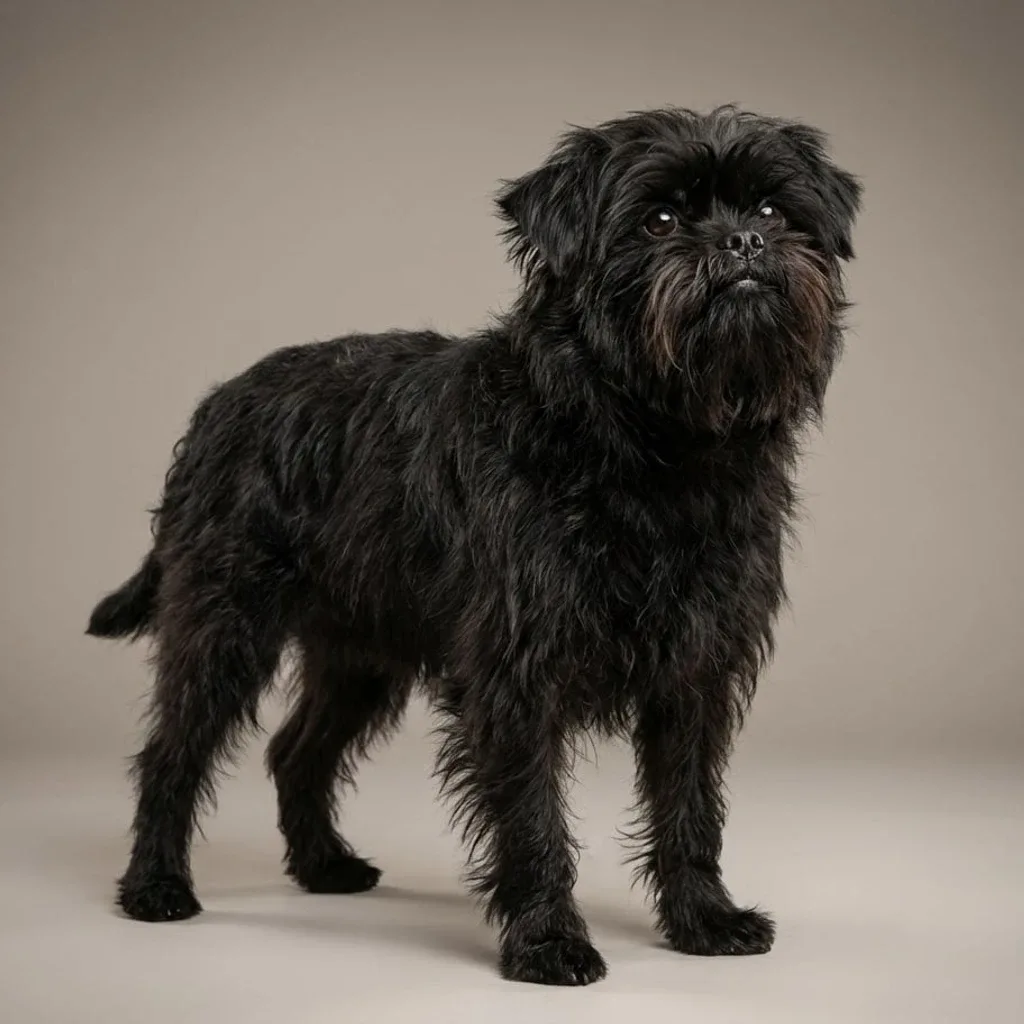
Affenpinscher
The Affenpinscher is a sturdy, monkey-like terrier-type toy breed known for its confidence and playful spirit. Despite its small size, it possesses a courageous heart and a loyal personality, making it a wonderful companion for Kiwi apartment dwellers or those with smaller sections.
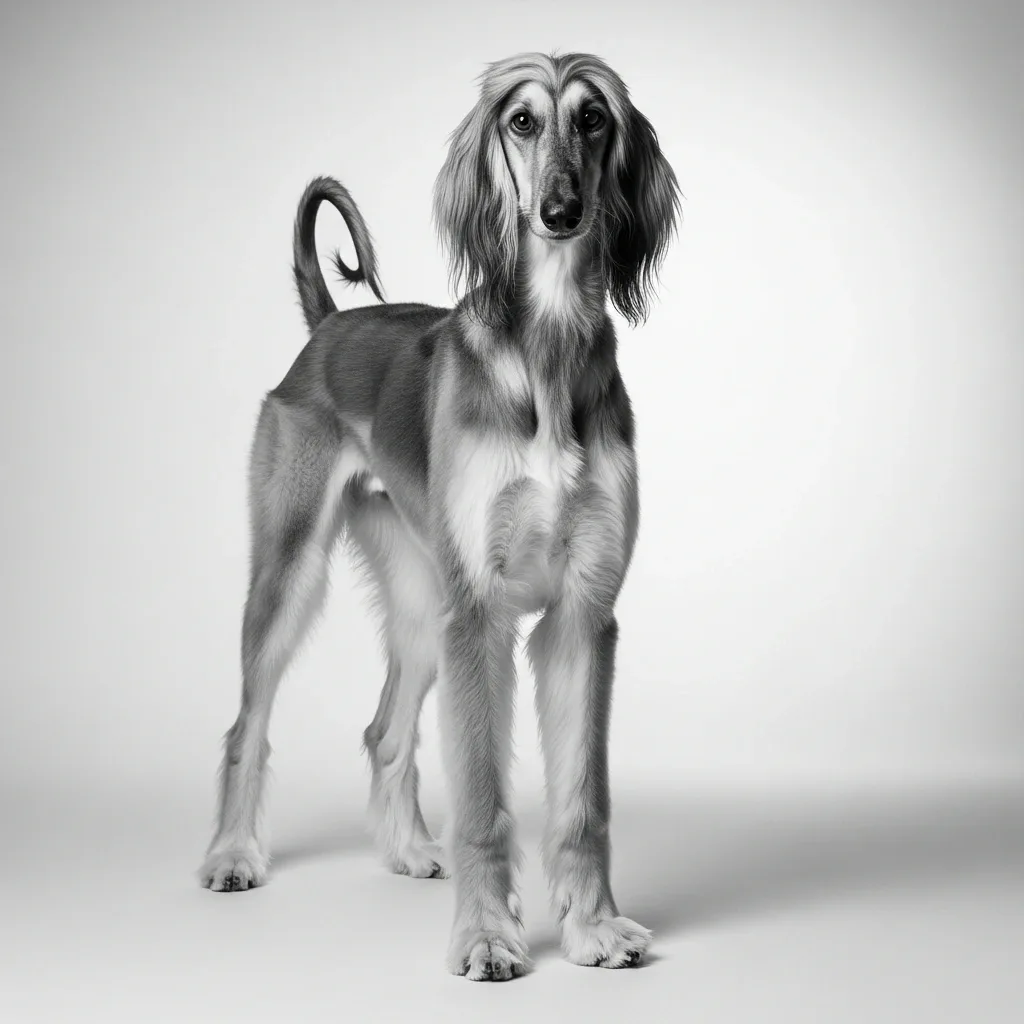
Afghan Hound
The Afghan Hound is an elegant aristocrat with a dignified and aloof personality. Known for its striking, silky coat, this breed is a high-maintenance beauty that requires ample space to run and an owner dedicated to its complex grooming needs.
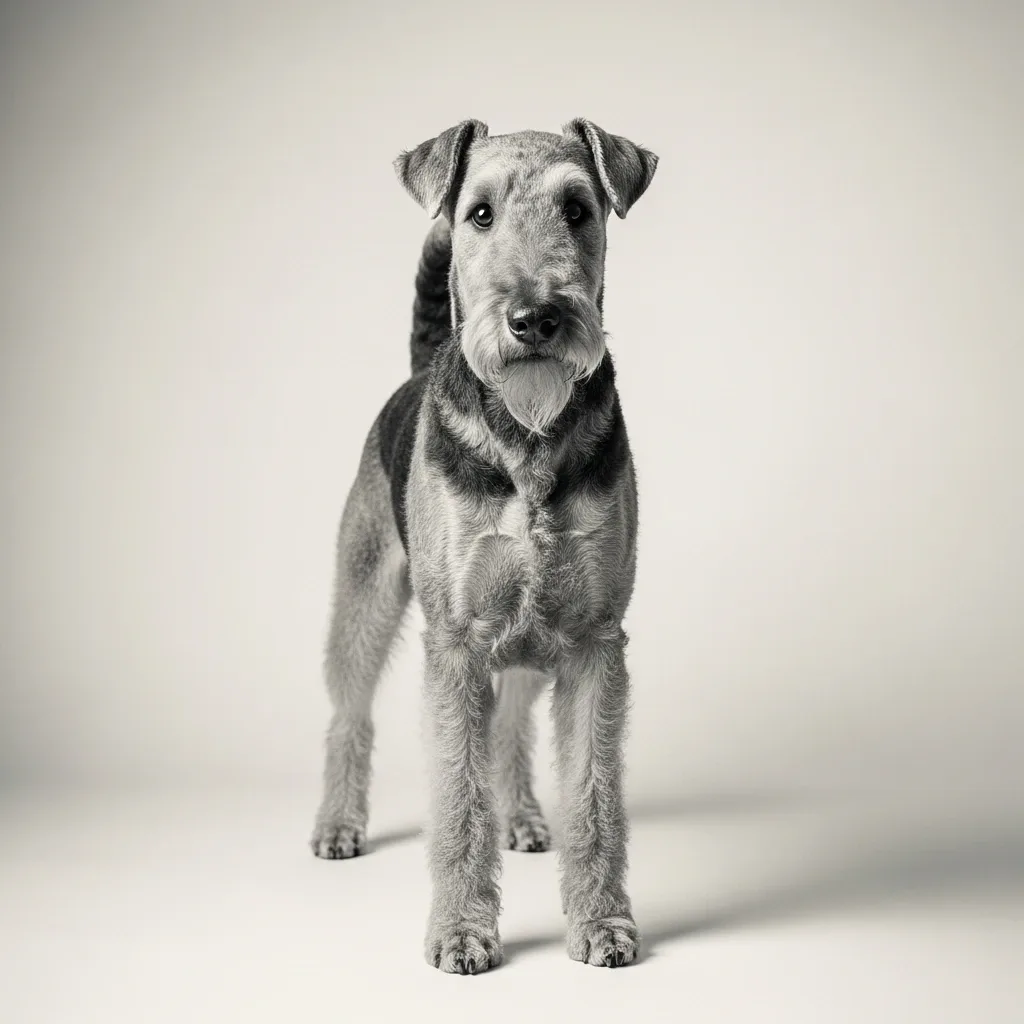
Airedale Terrier
The 'King of Terriers', the Airedale is the largest of all terrier breeds. They are brave, hardworking, and highly intelligent, making them excellent partners for active Kiwi families who love tramping and outdoor adventures.
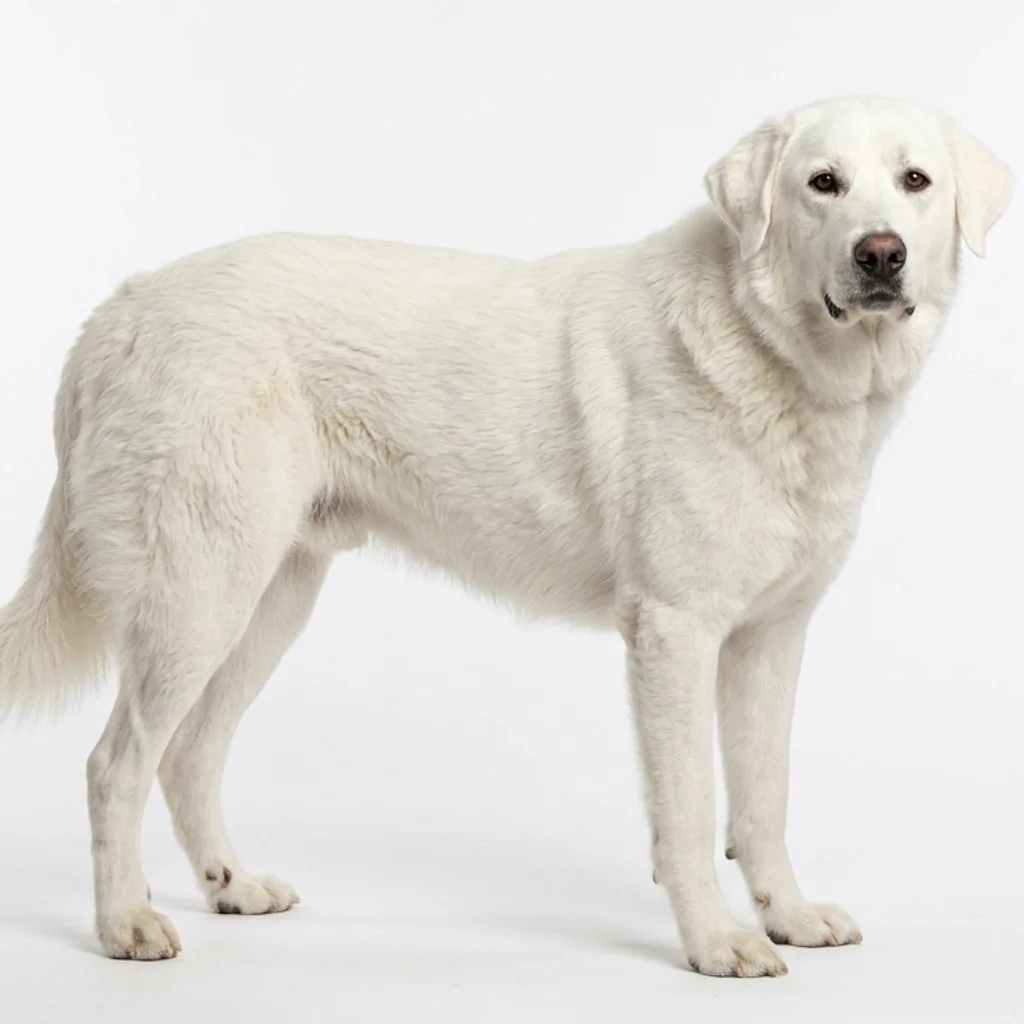
Akbash Dog
Originally a Turkish livestock guardian, the Akbash is a serious, protective, and independent breed. They are not suited for apartment living and thrive on large NZ lifestyle blocks where they can have a 'territory' to watch over.