Dog Breed Guide NZ
Samoyed
The Samoyed, affectionately known as the 'Smiling Sammy,' is celebrated for its breathtaking white double coat and perpetually cheerful demeanour. Originating from Siberia, these social, intelligent, and energetic dogs thrive on being integral members of their human family. Their friendly, gentle, and adaptable nature makes them wonderful companions, always eager for interaction and play. With their distinctive 'Samoyed smile,' they bring an undeniable charm to any household. In New Zealand, Samoyeds fit well into active family lifestyles, particularly those with a backyard section and a love for the outdoors, from beach walks to exploring local reserves and tramping tracks. They are adaptable, but truly shine when given ample exercise and companionship, making them a joyful and stunning addition to many Kiwi homes.
Photo Gallery
Breed Snapshot
- Size
- Male: 20-29 kg; Female: 16-23 kg
- Lifespan
- 12-14 years
- Origin
- Being enriched
- Temperament
- Friendly, gentle, adaptable, alert, intelligent, playful
- NZ Price
- $2,000 - $4,000 NZD from registered breeders; $150-$350 NZD adoption via SPCA or breed-specific rescues
- Annual Vet Cost
- Estimated annual vet costs for a Samoyed in New Zealand typically range from '$600 - $1,200 NZD'. This covers routine check-ups, vaccinations, flea and worm treatments, and general health maintenance. However, Samoyeds are prone to certain breed-specific health issues that can incur higher costs. These include hip and elbow dysplasia, progressive retinal atrophy (PRA), Samoyed hereditary glomerulopathy (a kidney disease), and occasionally diabetes mellitus. Regular screening for these conditions, especially in older dogs, is recommended. Unexpected illnesses or accidents can easily push annual costs beyond this range, making pet insurance a wise consideration for Samoyed owners in New Zealand.
Personality Scores
NZ Lifestyle Fit
Samoyeds can adapt to various living situations in New Zealand, but their ideal environment provides ample space and activity. An apartment in Auckland, for example, would be challenging unless the owners are highly committed to daily, extensive exercise outside. The humid Auckland summers can also be tough on their thick coats, requiring careful management, cooling mats, and avoiding midday heat. A house with a good-sized, securely fenced section is far more suitable, allowing them space to play and explore safely. They thrive on having a backyard to potter in, though this doesn't replace their need for walks and mental stimulation. For those in rural New Zealand or with larger properties, Samoyeds can flourish. Their history as working dogs means they enjoy having a "job" or plenty of space to roam and explore. In the South Island, their thick coats are perfectly suited to the colder winters, making them excellent companions for outdoor adventures. However, high UV levels across New Zealand mean owners must protect their Samoyed from sunburn, especially on exposed skin like noses, and ensure ample shade. There are no specific MPI restrictions on Samoyed ownership in New Zealand; they are a recognised and welcome breed, though responsible ownership, including registration and microchipping, is mandatory under local council bylaws.
Origins & History
The Samoyed breed boasts an ancient and fascinating history, tracing its roots back over 3,000 years to the nomadic Samoyedic people of Siberia, particularly the Nenet tribe. These indigenous people relied heavily on their dogs for survival in the harsh Arctic environment. Samoyeds were not merely pets; they were integral working partners, used for herding reindeer, guarding against predators, and pulling sleds across vast, icy landscapes. Crucially, they also shared their owners' tents, providing warmth and companionship, which fostered their incredibly close bond with humans and contributed to their gentle, social temperament. Unlike many other sled dog breeds, Samoyeds were rarely used for fighting, which further cemented their friendly disposition.
The breed first arrived in the Western world in the late 19th century, brought back by explorers and zoologists. Ernest Kilburn-Scott is largely credited with establishing the breed in England, importing several dogs and founding the first Samoyed Club in 1909. These early imports formed the foundation for the Samoyeds we know today. Their striking appearance, combined with their charming personality, quickly made them popular beyond their working origins. Today, while still capable of their traditional roles, Samoyeds are cherished primarily as beloved family companions worldwide, including here in Aotearoa. Their history as close companions in extreme conditions has left them with an enduring need for human interaction and a remarkable adaptability.
Appearance
The Samoyed is instantly recognisable by its magnificent, thick, pure white double coat and its characteristic 'Samoyed smile' – a slight upturn at the corners of the mouth, which not only gives them a happy expression but also prevents drooling and icicles from forming around their mouth in freezing conditions. This dense coat consists of a harsh, long outer layer and a soft, woolly undercoat, providing exceptional insulation against both cold and heat. While typically pure white, some Samoyeds may have biscuit or cream markings.
They are medium-sized, sturdy dogs with an elegant yet powerful build. Males typically weigh between 20-29 kg and stand around 54-60 cm at the shoulder, while females are slightly smaller, weighing 16-23 kg and standing 50-56 cm. Their dark, almond-shaped eyes convey intelligence and alertness, contrasting beautifully with their white fur. Their ears are erect, triangular, and well-furred, perfectly suited for their Arctic heritage. A distinctive feature is their tail, which is carried curled over their back, often touching it, especially when alert or excited. This combination of stunning looks and a joyful expression makes the Samoyed a truly captivating breed.
Temperament & Personality
The Samoyed's temperament is as captivating as its appearance. They are renowned for being incredibly friendly, gentle, and adaptable, earning them the nickname 'Smiling Sammy.' These dogs thrive on social interaction and consider themselves integral members of the family, often following their humans from room to room. Their intelligence makes them quick learners, though they can also possess an independent streak, a remnant of their working dog heritage, which requires consistent and patient training.
Playful and alert, Samoyeds retain a puppy-like enthusiasm well into adulthood. They are generally excellent with children, exhibiting a patient and tolerant nature, making them wonderful family pets. Early socialisation is key to ensuring they are well-adjusted with other pets and strangers. While not typically aggressive, their alert nature means they will often bark to announce visitors or unusual occurrences. They possess a strong desire to please but also a certain stubbornness, so positive reinforcement methods work best. A bored Samoyed can become destructive, highlighting their need for mental stimulation and plenty of companionship. They are not suited to being left alone for long periods and will express their displeasure through barking or digging.
Life in New Zealand
Samoyeds can adapt well to life in New Zealand, provided their specific needs are met. Their thick double coat, while designed for Arctic conditions, also offers protection against the strong New Zealand sun and can help them regulate temperature in cooler climates. However, owners in warmer regions like Auckland or Northland must be vigilant during humid summers, ensuring their Samoyed has access to shade, plenty of fresh water, and avoids strenuous exercise during the hottest parts of the day. Regular grooming is crucial to prevent matting and allow air circulation, especially in humid conditions.
In contrast, Samoyeds absolutely thrive in the cooler temperatures of the South Island, relishing the crisp winters and opportunities for outdoor adventures. They are energetic dogs that enjoy exploring New Zealand's diverse landscapes, from frolicking on dog-friendly beaches to enjoying walks in local reserves and even joining their families on suitable tramping tracks. Their social nature means they love being part of family outings, whether it's a trip to the bach or a weekend away. Owners must ensure their Samoyed is well-socialised and trained for off-leash activities in designated areas, as their herding and hunting instincts can sometimes kick in.
Is This the Right Breed for You?
Bringing a Samoyed into your home is a significant commitment that requires careful consideration. They are stunning dogs with wonderful personalities, but they come with specific needs. Prospective owners must be prepared for a substantial grooming routine to maintain their magnificent coat, especially during shedding seasons. Their high energy levels demand consistent daily exercise – more than just a quick stroll around the block. They need opportunities to run, play, and engage their intelligent minds.
Samoyeds thrive on companionship and are not suited to being left alone for extended periods. If you work long hours or travel frequently, a Samoyed may not be the best fit unless you have arrangements for their care and companionship. They are vocal dogs, known for their "Samoyed talk" and barking, which might be a consideration for those living in close proximity to neighbours. However, for active families or individuals who can provide consistent training, ample exercise, dedicated grooming, and endless affection, the Samoyed will reward you with unwavering loyalty, joy, and a constant 'smile' that brightens every day. They are a truly unique and rewarding breed for the right Kiwi family.
Fun Facts
Fact 1
The Samoyed's iconic 'smile' is not just for looks; the upturned corners of their mouth prevent drooling and icicles from forming around their lips in freezing Arctic conditions.
Fact 2
Their thick double coat is so insulating that it can protect them from temperatures as low as -60°C, and also helps them regulate body temperature in warmer climates.
Fact 3
Samoyeds were historically used by the Samoyedic people of Siberia for herding reindeer, guarding, and pulling sleds, often sleeping inside their owners' tents for warmth.
Fact 4
The breed is known for its "Samoyed talk" – a range of vocalizations including yips, howls, and 'woo-woos' rather than just barking.
Fact 5
Samoyed fur is sometimes spun into yarn and knitted into extremely warm, soft garments, similar to angora or cashmere, and is surprisingly hypoallergenic.
Related Breeds
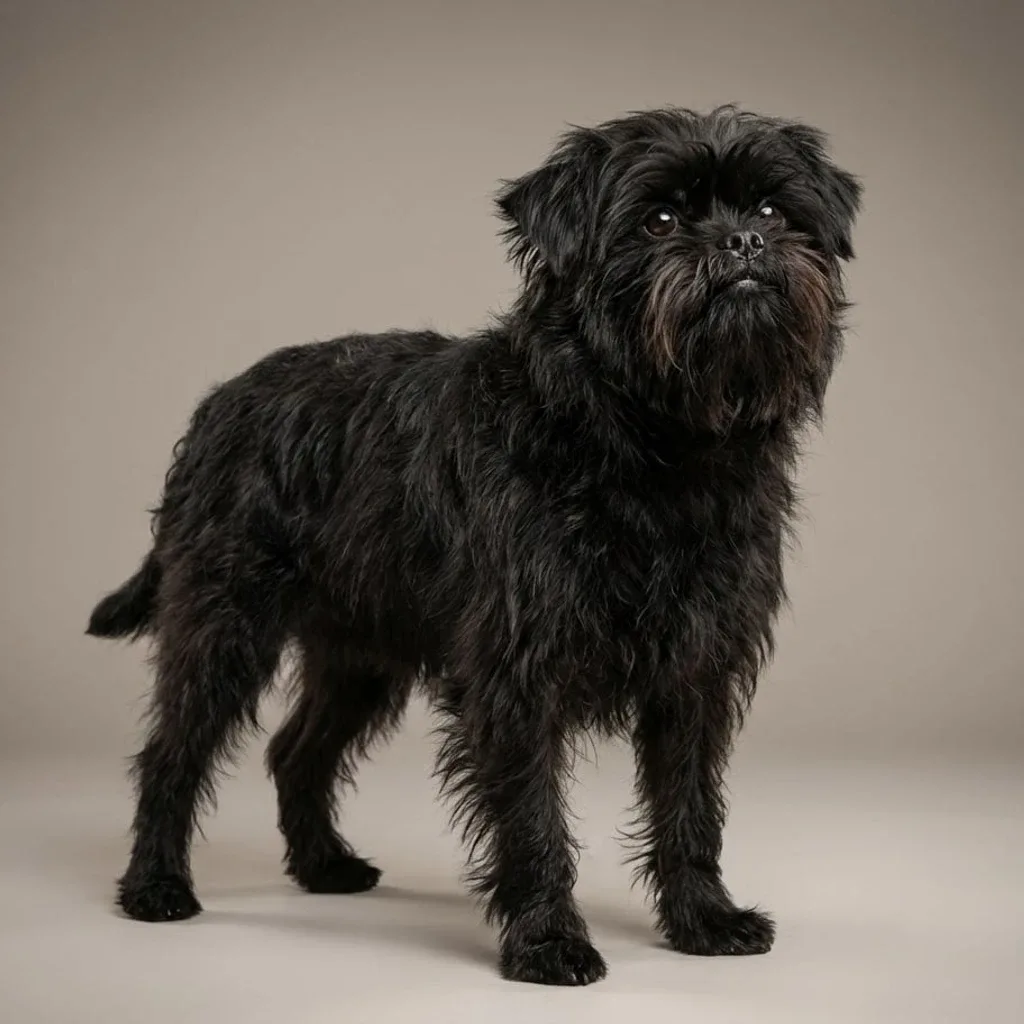
Affenpinscher
The Affenpinscher is a sturdy, monkey-like terrier-type toy breed known for its confidence and playful spirit. Despite its small size, it possesses a courageous heart and a loyal personality, making it a wonderful companion for Kiwi apartment dwellers or those with smaller sections.
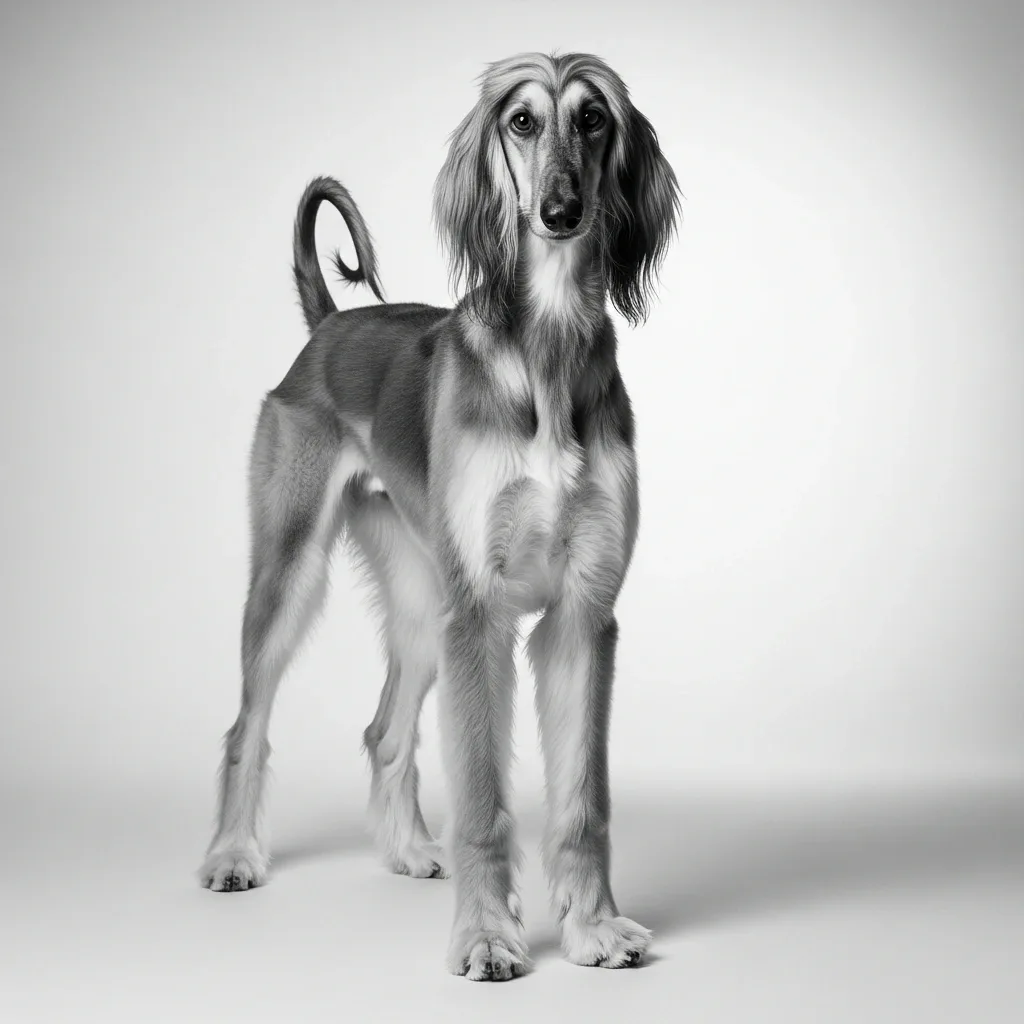
Afghan Hound
The Afghan Hound is an elegant aristocrat with a dignified and aloof personality. Known for its striking, silky coat, this breed is a high-maintenance beauty that requires ample space to run and an owner dedicated to its complex grooming needs.
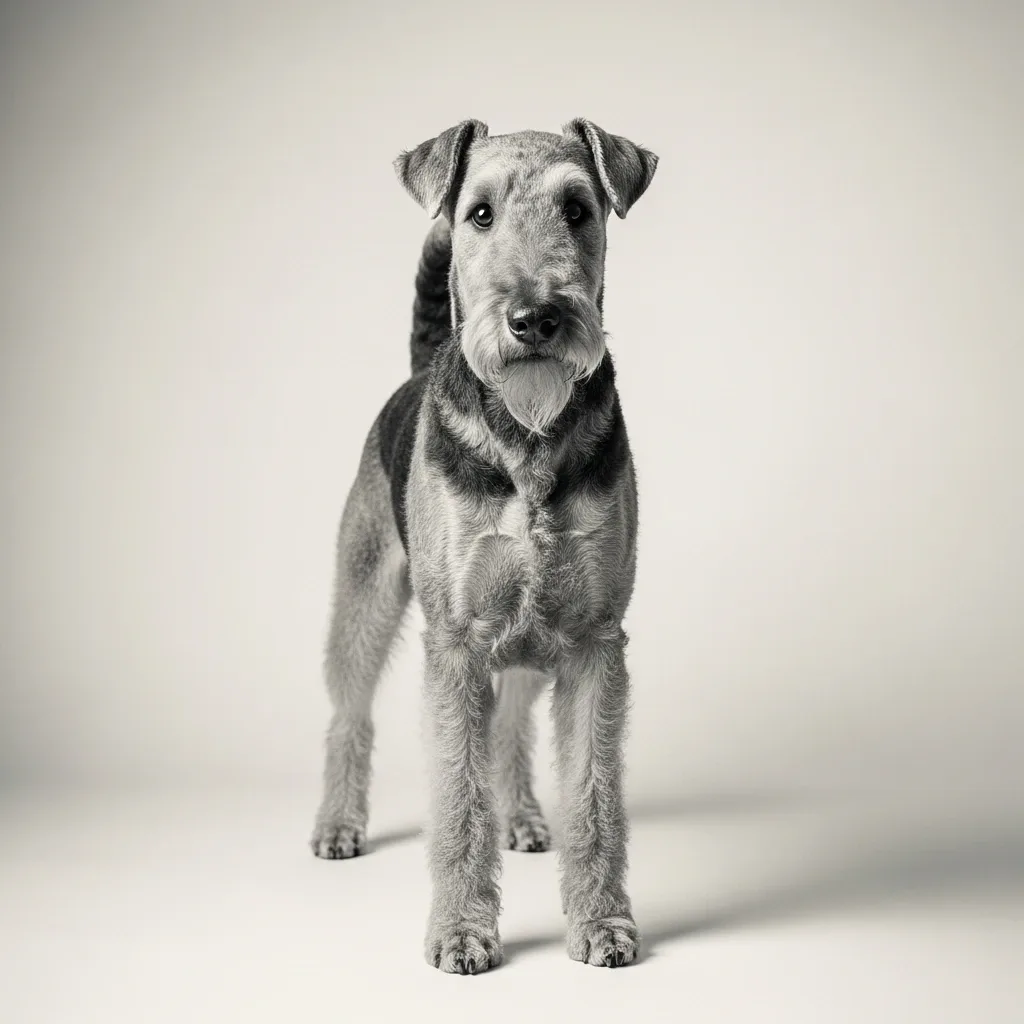
Airedale Terrier
The 'King of Terriers', the Airedale is the largest of all terrier breeds. They are brave, hardworking, and highly intelligent, making them excellent partners for active Kiwi families who love tramping and outdoor adventures.
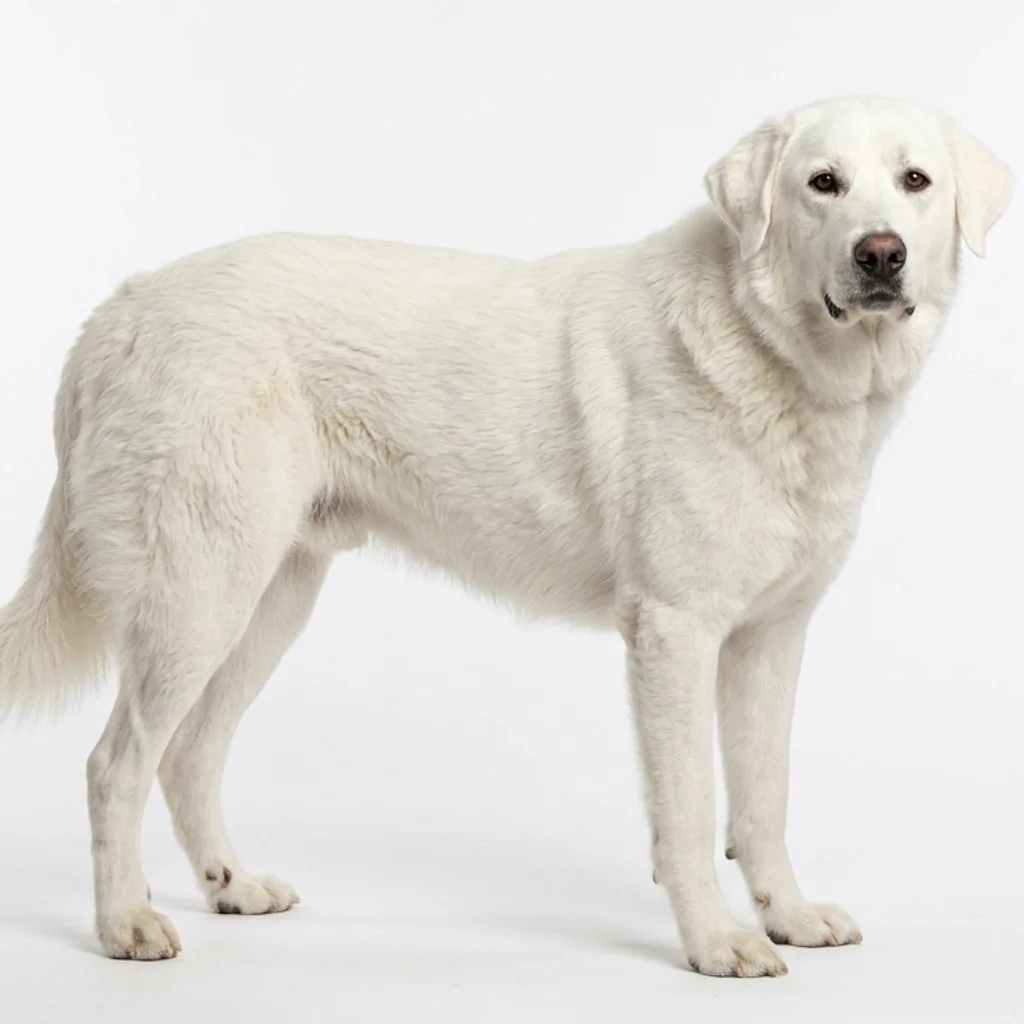
Akbash Dog
Originally a Turkish livestock guardian, the Akbash is a serious, protective, and independent breed. They are not suited for apartment living and thrive on large NZ lifestyle blocks where they can have a 'territory' to watch over.