Dog Breed Guide NZ
Saluki
The Saluki, often called the 'Royal Dog of Egypt,' is an ancient and elegant sighthound renowned for its incredible speed and dignified demeanour. With a history stretching back millennia, these graceful dogs combine an independent spirit with deep devotion to their families. While possessing a powerful prey drive that demands secure exercise, Salukis are typically quiet and calm indoors, making them surprisingly adaptable companions. In New Zealand, their need for open spaces for a good sprint makes them ideal for homes with a decent section or owners committed to regular visits to secure off-leash parks or beaches. Their low-maintenance coat and gentle nature can fit well into many Kiwi lifestyles.
Photo Gallery
Breed Snapshot
- Size
- Male: 18-29 kg; Female: 16-25 kg
- Lifespan
- 10-17 years
- Origin
- Being enriched
- Temperament
- Gentle, independent, intelligent, devoted, calm, reserved
- NZ Price
- $1,500 - $3,500 NZD from registered breeders; $150-$350 NZD adoption via SPCA or breed-specific rescue groups
- Annual Vet Cost
- Estimated annual vet costs for a Saluki in New Zealand range from $600 - $1,200 NZD for routine care. This includes annual check-ups, vaccinations (including leptospirosis if in a high-risk area), flea and worm treatments, and general preventative care. However, Salukis are prone to certain breed-specific health issues that can increase costs. They are highly sensitive to anaesthesia due to their low body fat, requiring specialised protocols that can be more expensive. Other concerns include bloat (gastric dilatation-volvulus), which is a life-threatening emergency requiring immediate and costly surgery (potentially $3,000 - $7,000+ NZD). Heart conditions like cardiomyopathy, certain cancers, and eye conditions (e.g., progressive retinal atrophy, persistent pupillary membranes) can also incur significant diagnostic and treatment expenses, ranging from hundreds to several thousands of dollars depending on the severity and required interventions. Pet insurance is highly recommended to help manage these potential costs.
Personality Scores
NZ Lifestyle Fit
Salukis can adapt to various New Zealand living situations, but their specific needs must be met. For an apartment in Auckland, a Saluki could potentially thrive if the owner is incredibly committed to daily, vigorous exercise outside. While calm indoors, their need for a full-speed sprint is non-negotiable. This means regular trips to secure off-leash parks like Meola Reef or a long, safe beach. Auckland's humid summers require careful management to prevent overheating, ensuring shade and hydration during exercise. A house with a decent section offers more flexibility, provided the section is fully and securely fenced (at least 1.8m high) to contain their jumping ability and strong prey drive. This allows for safe bursts of energy throughout the day. For rural NZ farms, a Saluki might seem ideal given the space, but their high prey drive is a significant concern. They *will* chase livestock, chickens, and native wildlife, making off-leash freedom highly risky unless in a completely secure, dedicated area. MPI has no specific restrictions on Salukis, but owners must ensure their dogs are under control and not a nuisance to livestock or wildlife, as per the Dog Control Act. South Island's cold winters will necessitate a warm indoor sleeping area and potentially a dog coat for outdoor activities due to their lean build. The high UV levels across NZ mean ensuring shade and considering sun protection for their often thin skin, especially on the nose and ears.
Origins & History
The Saluki's lineage is one of the most ancient among all dog breeds, tracing its roots back to the Fertile Crescent and ancient Egypt, where they were revered as 'Royal Dogs.' Depictions of Saluki-like hounds appear on Egyptian tombs dating back to 2100 BC, and they were often mummified alongside pharaohs. Bred by nomadic tribes, particularly Bedouins, across the Middle East, these swift sighthounds were indispensable for hunting fast-moving prey like gazelle and hare. Their exceptional speed, keen eyesight, and stamina allowed them to course game over vast distances in challenging desert terrains. Unlike many hunting breeds, Salukis were often treated as cherished members of the family, sharing tents and receiving great respect, a testament to their noble and gentle nature. This long history of companionship and utility has shaped the Saluki into the dignified, loyal, and somewhat independent breed we know today.
Appearance
The Saluki is the epitome of canine elegance and athleticism, built for speed and endurance. Males typically weigh between 18-29 kg, while females are slightly lighter at 16-25 kg, standing tall and slender. Their most striking feature is their lean, graceful physique, characterised by a deep chest, a tucked-up abdomen, and long, powerful legs that allow for breathtaking bursts of speed. They possess a refined, aristocratic head with long, pendulous ears that are often feathered. Salukis come in two coat varieties: feathered and smooth. The feathered variety has silky feathering on the ears, tail, and backs of the legs, while the smooth coat is uniformly short. Both coats are soft to the touch and come in a wide array of colours and patterns, including white, cream, fawn, golden, red, grizzle and tan, tricolour, and black and tan. Their expressive, dark eyes convey an intelligent and somewhat reserved gaze, reflecting their ancient heritage and dignified temperament.
Temperament & Personality
The Saluki's temperament is a unique blend of independence, intelligence, and deep devotion. They are often described as 'cat-like' due to their reserved nature and tendency to choose when and how they interact, preferring to be close to their family without being overly demanding. While they can be aloof or indifferent towards strangers, they form incredibly strong, loyal bonds with their immediate family, often displaying a gentle affection. Salukis are intelligent dogs, but their independence means they are not always eager to please, requiring patience and consistent, positive reinforcement in training. Indoors, they are typically quiet, calm, and dignified, enjoying lounging on soft furnishings. However, their sighthound instincts are strong; they possess an incredibly high prey drive and will chase anything that moves, making secure containment and careful supervision paramount. They are generally gentle with children who understand how to interact respectfully with dogs, and can coexist peacefully with other pets if introduced carefully and raised together, though their instinct to chase smaller animals remains.
Life in New Zealand
Bringing a Saluki into a New Zealand home means understanding their unique needs within our diverse landscapes and lifestyles. Their requirement for regular, vigorous exercise, particularly opportunities to sprint at full speed, makes them well-suited to homes with a securely fenced, spacious section. Access to large, secure off-leash dog parks or quiet, expansive beaches where they can safely run is essential. Owners must be vigilant about their high prey drive; a Saluki spotting a rabbit or bird will be off in a flash, making reliable recall training and secure fencing non-negotiable.
New Zealand's varied climate also plays a role. Salukis, with their lean build and often thin coats, are sensitive to extreme temperatures. They will appreciate a warm, sheltered spot indoors during South Island's cold winters and may need a coat for outdoor excursions. Conversely, Auckland's humid summers and New Zealand's high UV levels mean ensuring access to shade and fresh water, and avoiding strenuous exercise during the hottest parts of the day. Their relatively low grooming needs fit well into a busy Kiwi lifestyle, but their need for mental stimulation and dedicated exercise time requires a committed owner.
Is This the Right Breed for You?
The Saluki is a magnificent breed, but not one for every prospective dog owner. They thrive with individuals or families who understand and appreciate their independent yet devoted nature. If you're looking for a dog that lives to please and is easily trained for complex commands, a Saluki might not be your ideal match; their intelligence often comes with a stubborn streak. However, if you value a dignified, quiet indoor companion who transforms into an athletic marvel outdoors, and you're prepared for their exercise requirements and strong prey drive, the Saluki could be a wonderful addition.
They are best suited to homes where they can be an integral part of the family, receiving plenty of affection and mental stimulation. Owners must be committed to providing secure environments for exercise and consistent, positive training. Their sensitivity means they do not respond well to harsh methods. If you have experience with sighthounds or are prepared to dedicate time to understanding this unique breed, and can offer a loving home with space to run, the Saluki offers unparalleled elegance, loyalty, and a truly ancient connection to canine history.
Fun Facts
Fact 1
Salukis are one of the oldest dog breeds, with their lineage traceable back to ancient Egypt and the Middle East over 5,000 years ago.
Fact 2
They were revered as 'Royal Dogs' and were often mummified alongside pharaohs, indicating their high status in ancient civilisations.
Fact 3
Salukis were traditionally used by nomadic tribes, like the Bedouins, for hunting gazelles and other fast-moving prey in the desert.
Fact 4
Despite their incredible speed and athleticism, Salukis are often described as 'cat-like' indoors, preferring to lounge gracefully on soft furnishings.
Fact 5
The Saluki holds the Guinness World Record for the fastest dog over a short distance, capable of reaching speeds up to 68 km/h (42 mph).
Related Breeds
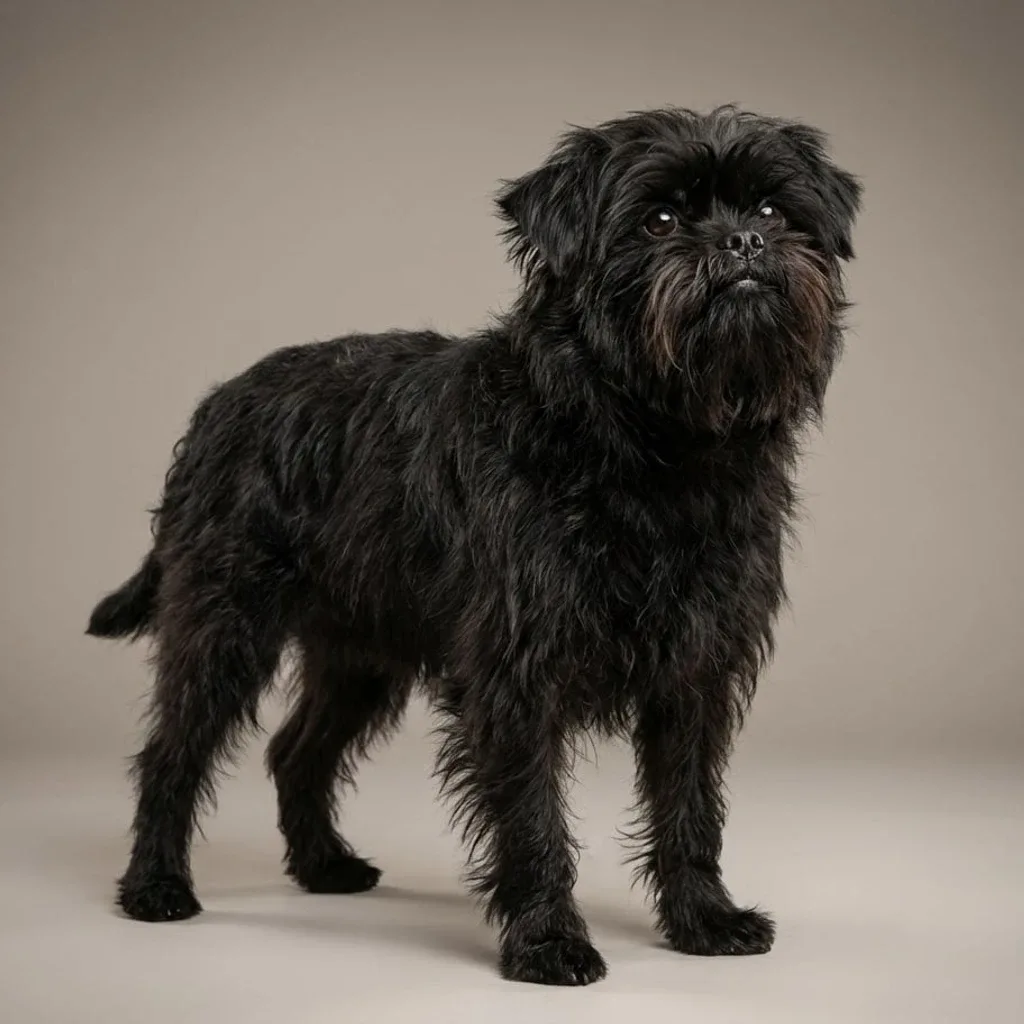
Affenpinscher
The Affenpinscher is a sturdy, monkey-like terrier-type toy breed known for its confidence and playful spirit. Despite its small size, it possesses a courageous heart and a loyal personality, making it a wonderful companion for Kiwi apartment dwellers or those with smaller sections.
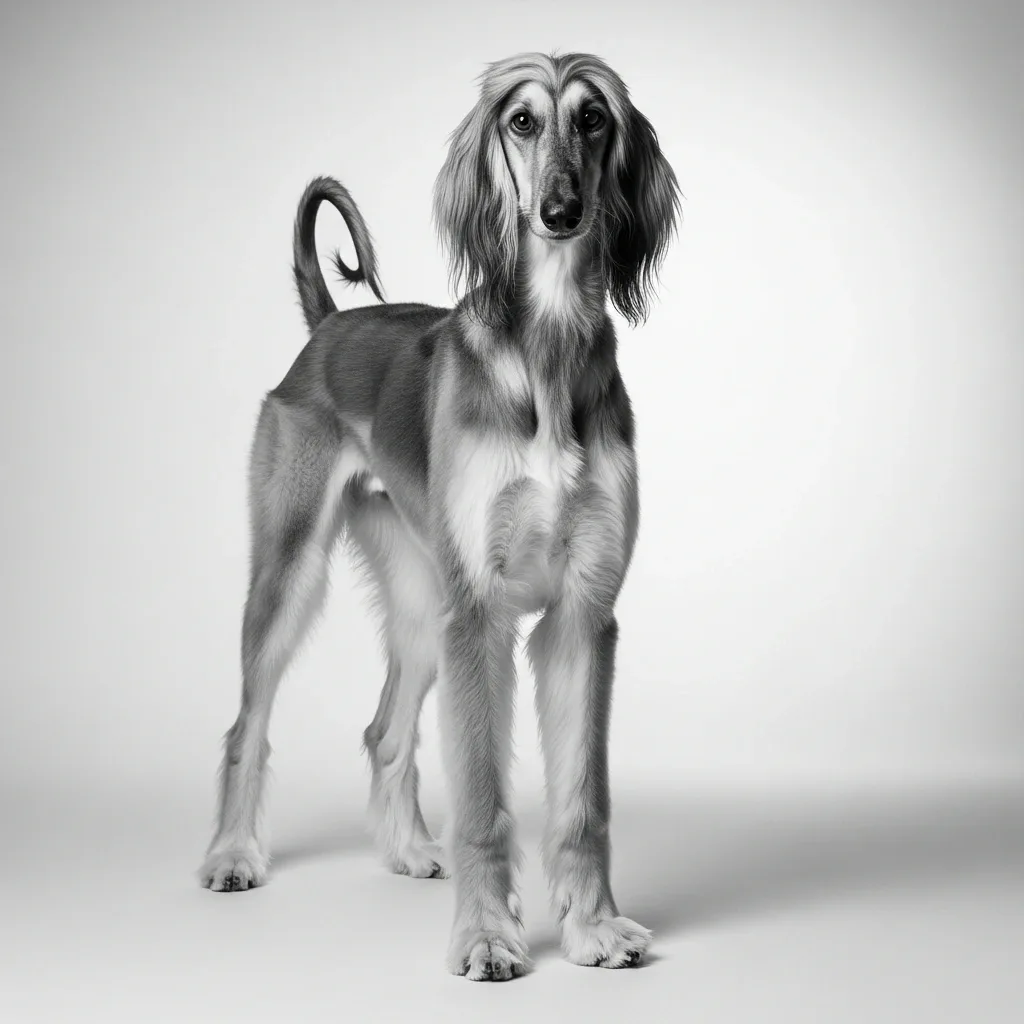
Afghan Hound
The Afghan Hound is an elegant aristocrat with a dignified and aloof personality. Known for its striking, silky coat, this breed is a high-maintenance beauty that requires ample space to run and an owner dedicated to its complex grooming needs.
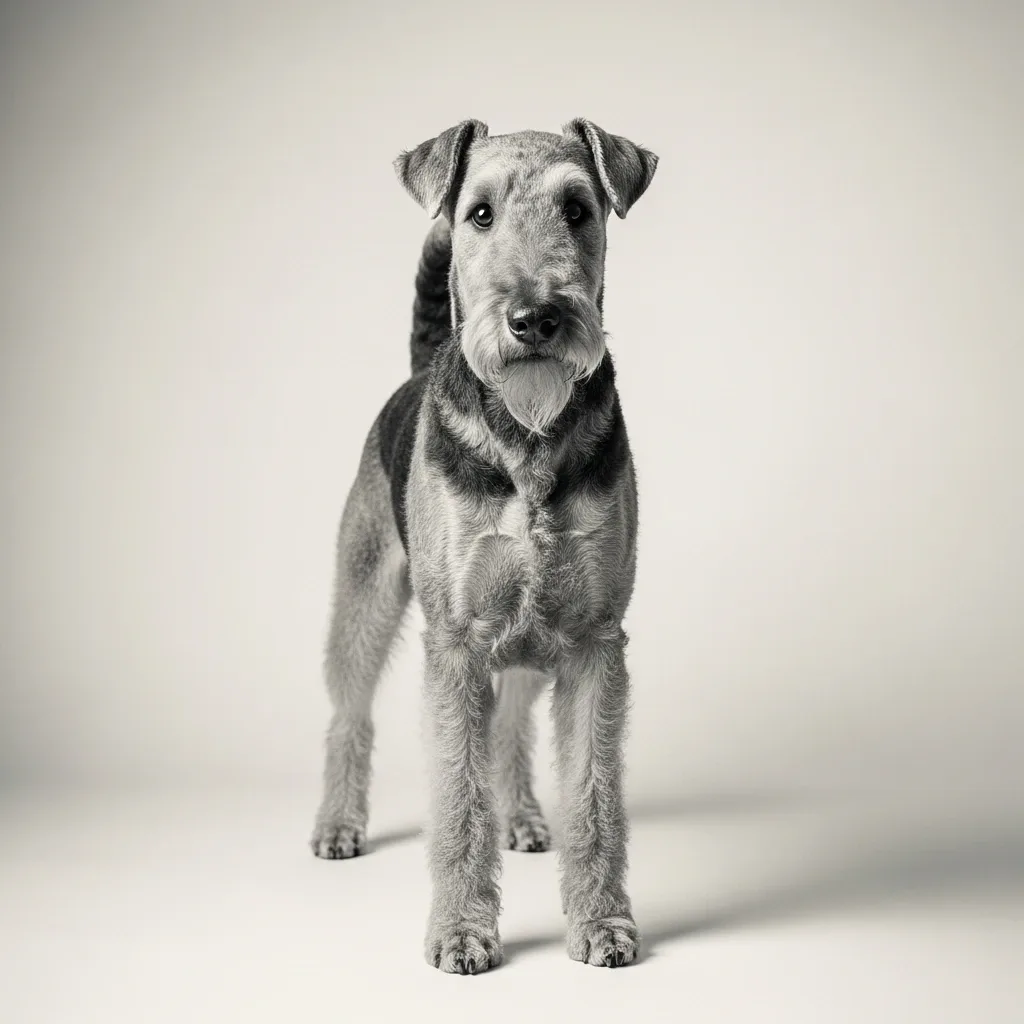
Airedale Terrier
The 'King of Terriers', the Airedale is the largest of all terrier breeds. They are brave, hardworking, and highly intelligent, making them excellent partners for active Kiwi families who love tramping and outdoor adventures.
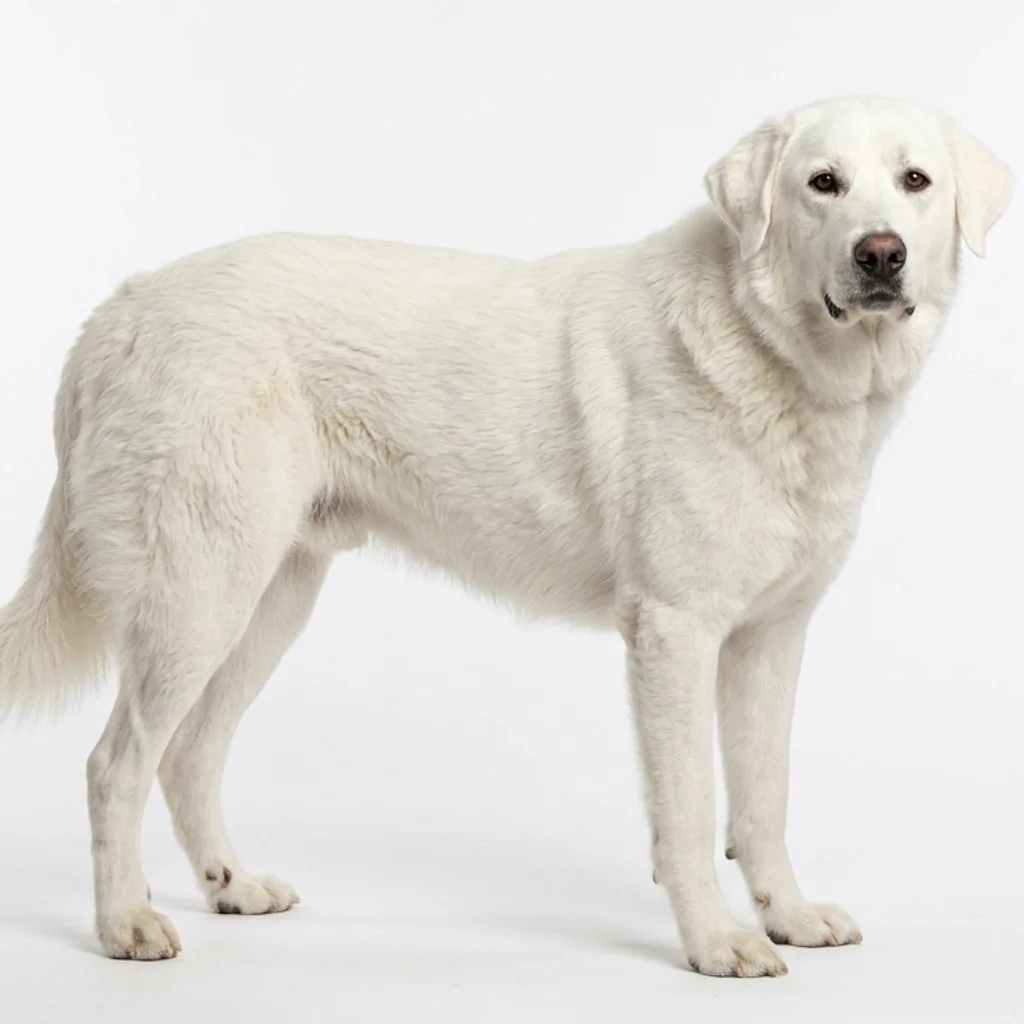
Akbash Dog
Originally a Turkish livestock guardian, the Akbash is a serious, protective, and independent breed. They are not suited for apartment living and thrive on large NZ lifestyle blocks where they can have a 'territory' to watch over.