Dog Breed Guide NZ
Saint Bernard
The Saint Bernard, often affectionately known as the 'Gentle Giant', is a magnificent dog breed renowned for its patient, kind, and loyal nature. Originating from the Swiss Alps, these massive canines are surprisingly low-energy indoors, making them wonderful companions despite their imposing size. They thrive in homes with ample space and a loving family, offering unwavering devotion and a calm presence. In New Zealand, a Saint Bernard fits best with families who have a good-sized section for them to roam, particularly in cooler regions, ensuring they can enjoy the Kiwi lifestyle comfortably while providing endless cuddles and companionship.
Photo Gallery
Breed Snapshot
- Size
- Male: 64-82 kg; Female: 54-64 kg
- Lifespan
- 8-10 years
- Origin
- Being enriched
- Temperament
- Gentle, friendly, calm, patient, loyal, protective
- NZ Price
- $1,800 - $4,000 NZD from registered breeders; $150-$350 NZD adoption via SPCA
- Annual Vet Cost
- Estimated annual vet costs for a Saint Bernard in NZ can range from $800 - $1,500 NZD for routine care. However, due to their predisposition to breed-specific health issues like hip and elbow dysplasia, bloat (gastric torsion), entropion/ectropion (eyelid issues), and certain heart conditions, emergency or ongoing treatment costs could easily push this significantly higher, potentially into the thousands for surgeries or long-term medication.
Personality Scores
NZ Lifestyle Fit
Saint Bernards are generally not suited for apartment living in Auckland or other major cities due to their massive size and need for space. A large ground-floor flat with direct access to a private, securely fenced section might work, but it would still be challenging. They thrive in homes with a generous section, offering room to move and relax. Rural NZ farms can be suitable, provided there's secure fencing to prevent wandering and potential issues with livestock. Auckland's humid summers pose a significant risk of overheating for Saint Bernards; owners must ensure constant access to shade, cool surfaces, and potentially air conditioning. South Island's colder winters are generally more agreeable for their thick coats, but shelter from extreme weather is always necessary. High UV levels across NZ mean sun protection for sensitive areas like pink noses. There are no specific MPI restrictions on owning Saint Bernards in New Zealand.
Origins & History
The Saint Bernard's history is deeply rooted in the snowy, treacherous passes of the Swiss Alps, specifically the Great St. Bernard Pass, which connects Switzerland and Italy. For centuries, monks at the Hospice du Grand Saint Bernard bred these powerful dogs to assist with rescue missions, locating and saving travellers lost in avalanches or blizzards. Their incredible sense of smell, strength, and innate ability to navigate deep snow made them legendary heroes. The most famous of these rescue dogs was Barry, credited with saving over 40 lives in the early 19th century. While the image of a Saint Bernard with a small barrel of brandy around its neck is iconic, it's largely a romanticised myth; however, their reputation as life-savers is entirely true. Today, they are cherished worldwide not for their rescue prowess, but for their gentle demeanour and steadfast companionship.
Appearance
Saint Bernards are undeniably massive dogs, embodying the term 'gentle giant'. Males typically weigh between 64-82 kg and stand 70-90 cm tall, while females are slightly smaller at 54-64 kg and 65-80 cm. They possess a powerful, muscular build, a broad head, and expressive, often droopy, dark eyes that convey their kind nature. Their coat comes in two varieties: short-haired (smooth coat) and long-haired (rough coat). Both types are dense and weather-resistant, usually a combination of red and white, often with brindle patches and a distinctive black mask around their eyes. Their substantial dewlap and jowls are characteristic, contributing to their propensity for drooling – a trait any potential owner should be prepared for!
Temperament & Personality
True to their 'Gentle Giant' moniker, Saint Bernards are celebrated for their calm, patient, and incredibly friendly temperament. They are exceptionally loyal to their families and possess a natural protective instinct, making them excellent watchdogs, though rarely aggressive. Their patience makes them wonderful companions for children, often tolerating the antics of little ones with remarkable grace. Early socialisation is crucial to ensure they grow into well-adjusted adults, especially given their size. They generally get along well with other pets when introduced properly. Despite their imposing stature, Saint Bernards are surprisingly sensitive and thrive on human companionship, preferring to be part of family activities rather than left alone for long periods.
Life in New Zealand
Bringing a Saint Bernard into a Kiwi home requires careful consideration of their needs and our unique environment. Their massive size means they are not suited for apartment living or small flats; a home with a securely fenced, spacious section is essential. While they are relatively low-energy indoors, they still need room to stretch out and move around. New Zealand's climate presents specific challenges: our high UV levels mean they need ample shade outdoors, and their thick coats make them susceptible to overheating during humid Auckland summers. Conversely, they are well-suited to the colder South Island winters, though they still require proper shelter from the elements. Their calm nature makes them good candidates for families who enjoy leisurely walks in local parks or reserves, rather than strenuous tramping.
Is This the Right Breed for You?
Adopting a Saint Bernard is a significant commitment. Their sheer size means higher costs for food, veterinary care, and even larger vehicles for transport. They shed considerably, requiring regular grooming, and their famous drool is a daily reality. While they are gentle and loving, their strength necessitates early and consistent training to ensure they are manageable on a lead. Potential owners must be prepared for the time and effort involved in socialisation and training. However, for those who can provide the space, care, and unwavering affection these magnificent dogs crave, a Saint Bernard offers unparalleled loyalty, a calm presence, and a truly gentle heart, enriching family life with their devoted companionship.
Fun Facts
Fact 1
The most famous Saint Bernard, Barry, reportedly saved over 40 lives in the Swiss Alps during the early 19th century.
Fact 2
Despite popular imagery, Saint Bernards did not historically carry small barrels of brandy around their necks; this is a romanticised myth.
Fact 3
They were originally bred by monks at the Great St. Bernard Hospice in the Swiss Alps, primarily for rescue work and companionship.
Fact 4
Saint Bernards are known for their incredibly powerful sense of smell, which was crucial for locating travellers buried under snow.
Fact 5
Their thick double coat provides excellent insulation, making them well-suited to cold, snowy environments.
Related Breeds
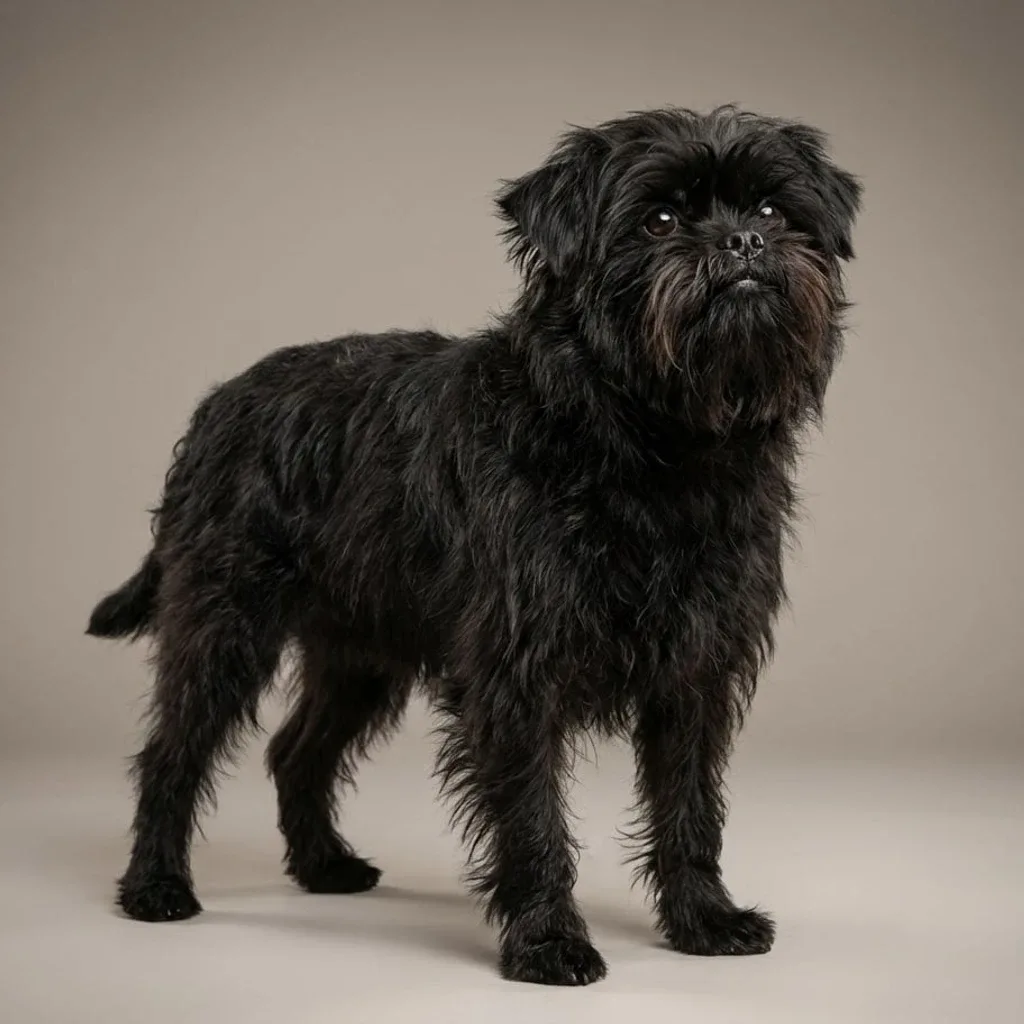
Affenpinscher
The Affenpinscher is a sturdy, monkey-like terrier-type toy breed known for its confidence and playful spirit. Despite its small size, it possesses a courageous heart and a loyal personality, making it a wonderful companion for Kiwi apartment dwellers or those with smaller sections.
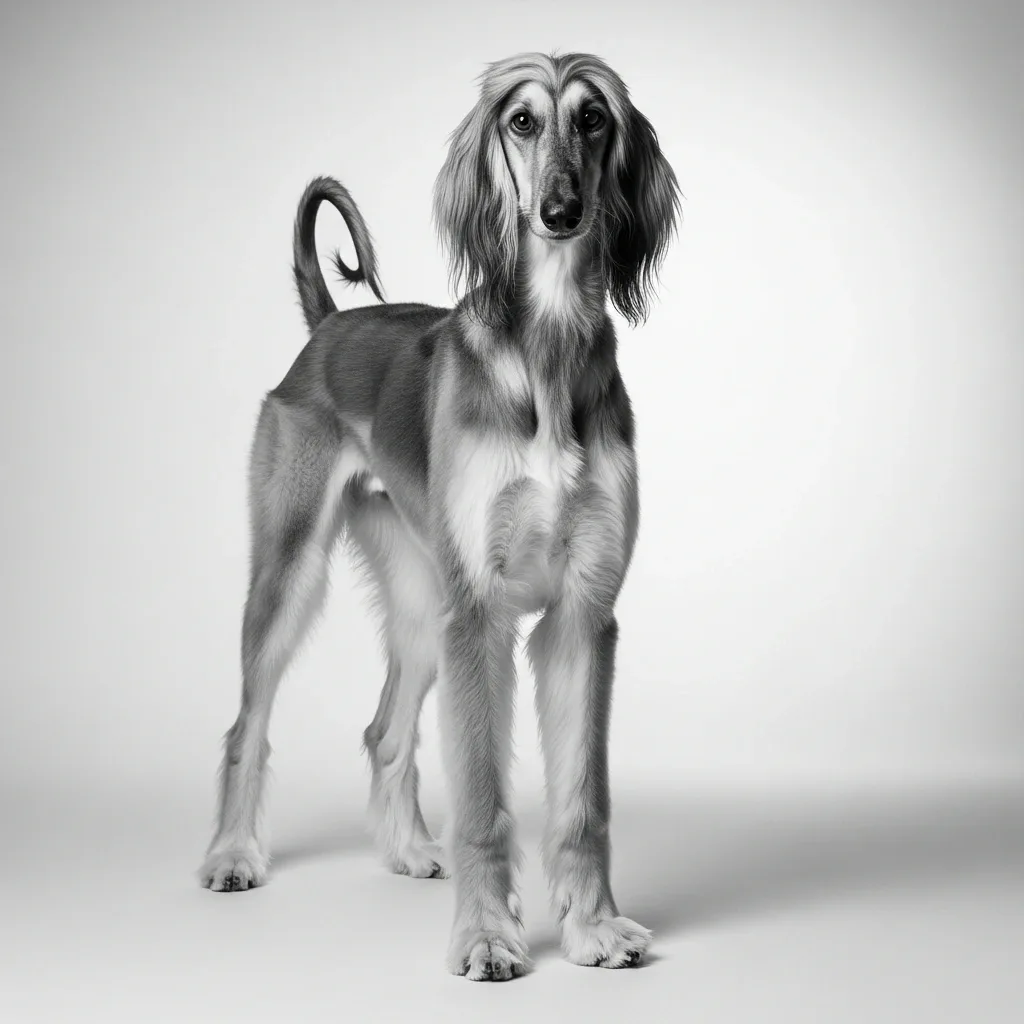
Afghan Hound
The Afghan Hound is an elegant aristocrat with a dignified and aloof personality. Known for its striking, silky coat, this breed is a high-maintenance beauty that requires ample space to run and an owner dedicated to its complex grooming needs.
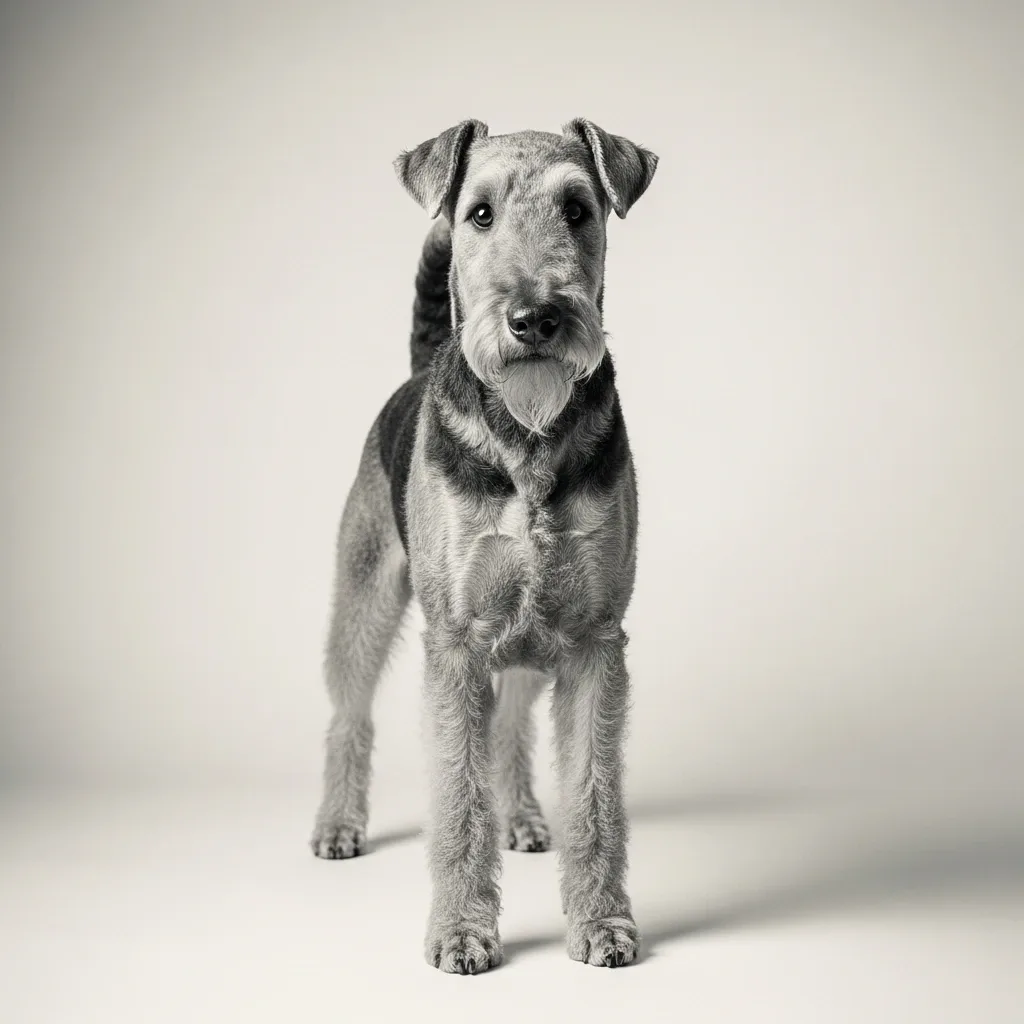
Airedale Terrier
The 'King of Terriers', the Airedale is the largest of all terrier breeds. They are brave, hardworking, and highly intelligent, making them excellent partners for active Kiwi families who love tramping and outdoor adventures.
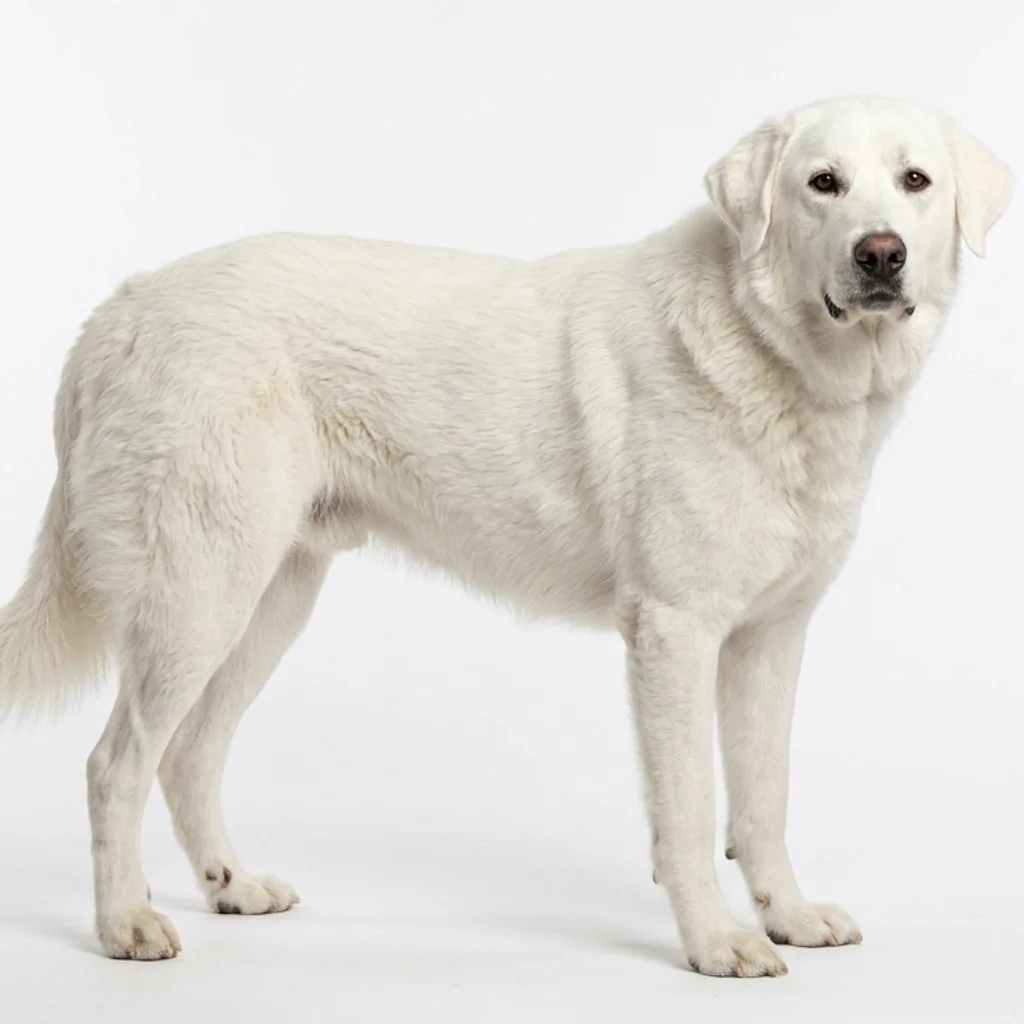
Akbash Dog
Originally a Turkish livestock guardian, the Akbash is a serious, protective, and independent breed. They are not suited for apartment living and thrive on large NZ lifestyle blocks where they can have a 'territory' to watch over.