Dog Breed Guide NZ
Russian Toy
The Russian Toy is a delightful pocket-sized companion, known for its elegant appearance and surprisingly robust personality. Weighing a mere 1.4-3 kg, these lively and cheerful dogs are deeply affectionate, forming strong bonds with their families. Don't let their small stature fool you; they are intelligent, alert, and full of spirited energy, often acting like much larger dogs. Perfect for urban living, the Russian Toy thrives in New Zealand apartments or smaller homes, offering a portable and loving presence without demanding extensive outdoor space. Their adaptability and relatively low exercise requirements make them an ideal choice for Kiwis seeking a devoted, spirited, and manageable canine friend perfectly suited to a modern New Zealand lifestyle.
Photo Gallery
Breed Snapshot
- Size
- 1.4-3 kg
- Lifespan
- 12-14 years
- Origin
- Being enriched
- Temperament
- Alert, intelligent, loyal, playful, affectionate, energetic, outgoing
- NZ Price
- $3,000 - $5,000 NZD from registered breeders; $150-$350 NZD adoption via SPCA (extremely rare for this specific breed)
- Annual Vet Cost
- Estimated annual vet costs for a Russian Toy in New Zealand typically range from **$400 - $800 NZD** for routine preventative care, including vaccinations, regular flea and worm treatments, and annual health check-ups. However, this breed is predisposed to certain health issues that can significantly increase expenses. **Patellar luxation**, where the kneecap slips out of place, is common in small breeds and may require surgical correction costing between $1,500 - $4,000 NZD per knee. **Dental disease** is also a major concern; small mouths are prone to plaque and tartar build-up, necessitating professional dental cleanings and potential extractions every one to two years, which can range from $400 - $1,000 NZD per procedure. **Eye conditions** such as progressive retinal atrophy (PRA) or cataracts can lead to specialist veterinary consultations and potential surgeries, with costs varying widely from $800 - $3,000 NZD. Some Russian Toys may also have an **open fontanelle** (a soft spot on the skull), requiring extra care to prevent head injuries. Regular veterinary check-ups in New Zealand are crucial for early detection and proactive management of these breed-specific health concerns, ensuring a long and healthy life for your tiny companion.
Personality Scores
NZ Lifestyle Fit
The Russian Toy is remarkably adaptable to various New Zealand living situations. For **Auckland apartment dwellers**, they are an ideal choice; their minimal space requirements mean they thrive in smaller urban flats, getting sufficient exercise from indoor play and short daily walks along city footpaths. Auckland's humid summers are manageable, provided they have access to shade, fresh water, and air conditioning if necessary, as their fine coats offer limited insulation. In a **house with a section**, a Russian Toy will enjoy supervised outdoor time, but a securely fenced yard is crucial to prevent escapes or protect them from larger animals. They are not suited for unsupervised outdoor living, especially in rural areas, due to their small size and vulnerability to predators like stoats, ferrets, or even larger birds, as well as potential hazards from livestock or farm machinery. South Island's **cold winters** necessitate warm dog coats or jumpers for any outdoor excursions, as their delicate build offers little protection against the chill. New Zealand's **high UV** levels mean sun protection, especially for smooth-coated varieties or those with lighter pigmentation, is important during peak sun hours. There are **no MPI restrictions** on owning Russian Toys in New Zealand; they are a recognised and welcome breed.
Origins & History
The Russian Toy's lineage traces back to 19th-century Russia, where English Toy Terriers were popular among the aristocracy. Following the 1917 Russian Revolution, the breed's numbers severely declined. By the mid-20th century, Russian breeders began a dedicated effort to revive a small terrier-type dog, selectively breeding the remaining small terriers to create a distinct, elegant companion. A pivotal moment occurred in 1958 with the birth of a long-haired puppy from two smooth-coated parents, leading to the development of the long-haired variety, initially known as the Moscow Long-Haired Toy Terrier. Both varieties were eventually recognised together as the Russian Toy Terrier, later simplified to Russian Toy. The breed gained international recognition from the FCI in 2006, and is now slowly establishing a presence among New Zealand dog enthusiasts, celebrated for its unique heritage and charming character.
Appearance
The Russian Toy is a truly miniature dog, typically standing 20-28 cm tall and weighing between 1.4 and 3 kg, making it one of the world's smallest breeds. They possess a delicate yet agile frame, with fine bone structure, large, erect, high-set ears, and expressive, round eyes.
The breed comes in two distinct coat varieties:
- Smooth-coated: Features a short, close-lying, shiny coat with no undercoat, highlighting their elegant silhouette and requiring minimal grooming.
- Long-haired: Characterised by a longer, softer coat, most notably forming beautiful fringes on the ears, legs, and tail. This variety requires more regular grooming to prevent tangles.
Both varieties are found in colours such as black and tan, brown and tan, blue and tan, and various shades of red, sometimes with black or brown overlay. Despite their diminutive size, Russian Toys carry themselves with confidence and grace, embodying a "big dog" personality.
Temperament & Personality
Russian Toys are renowned for their vibrant and spirited personalities. They are lively, cheerful, and deeply affectionate, forming incredibly strong bonds with their human families. This breed thrives on interaction and attention, often shadowing their owners and preferring to be an integral part of daily life.
Intelligent and eager to please, they respond well to positive reinforcement training. Their alert nature makes them surprisingly good watchdogs, quick to signal unfamiliar sounds or visitors. They are energetic and playful, always ready for a game, but equally content to cuddle on a lap. Generally outgoing and friendly with those they know, proper socialisation is important for amiable interactions with strangers and other pets. Due to their small size, supervision is crucial around larger dogs or boisterous children to ensure their safety. Their unwavering loyalty and devotion make them incredibly rewarding companions for owners who can provide consistent love and companionship.
Life in New Zealand
The Russian Toy is exceptionally well-suited to various New Zealand lifestyles, particularly urban and suburban settings. Their small size makes them ideal for apartment living in cities like Auckland, Wellington, or Christchurch, requiring minimal outdoor space. They can get ample exercise indoors or through short walks along local footpaths or dog-friendly reserves.
For homes with a section, a secure fence is essential to prevent escapes or protect them from potential hazards. They are not suited for unsupervised outdoor living, especially in rural areas, due to their delicate nature and vulnerability to predators. New Zealand's climate generally suits them, though considerations are needed. In Auckland's humid summers, ensure access to cool, shaded areas. For South Island's colder winters, a warm dog coat or jumper is essential for outdoor excursions. Their portable nature makes them excellent travel companions for bach holidays or road trips across Aotearoa, provided their safety and comfort are prioritised.
Is This the Right Breed for You?
The Russian Toy is an excellent choice for those seeking a devoted, spirited, and relatively low-maintenance companion in a compact form. They are ideal for individuals, couples, or families with older, respectful children who can provide consistent companionship and appreciate a dog's constant presence. Their adaptability to apartment living and moderate exercise needs fit well with many modern Kiwi lifestyles.
However, prospective owners must be prepared for their need for attention and potential for separation anxiety if left alone frequently. Their fragility means they are not suitable for homes with very young, boisterous children or large, untrained dogs who might accidentally injure them. Early socialisation and consistent positive reinforcement training are crucial. If you're looking for a loyal, intelligent, and affectionate little dog that will bring endless joy and elegance to your New Zealand home, the Russian Toy could be your perfect match, offering a "big dog" personality in a wonderfully small package.
Fun Facts
Fact 1
The Russian Toy was originally bred to be a rat catcher before becoming a cherished companion dog.
Fact 2
They are one of the smallest dog breeds in the world, often weighing less than a bag of sugar.
Fact 3
The long-haired variety was a spontaneous mutation, born from two smooth-coated parents in 1958.
Fact 4
Despite their delicate appearance, they are known for their fearless and confident "big dog" attitude.
Fact 5
They were largely unknown outside of Russia until the fall of the Iron Curtain in the late 20th century.
Related Breeds
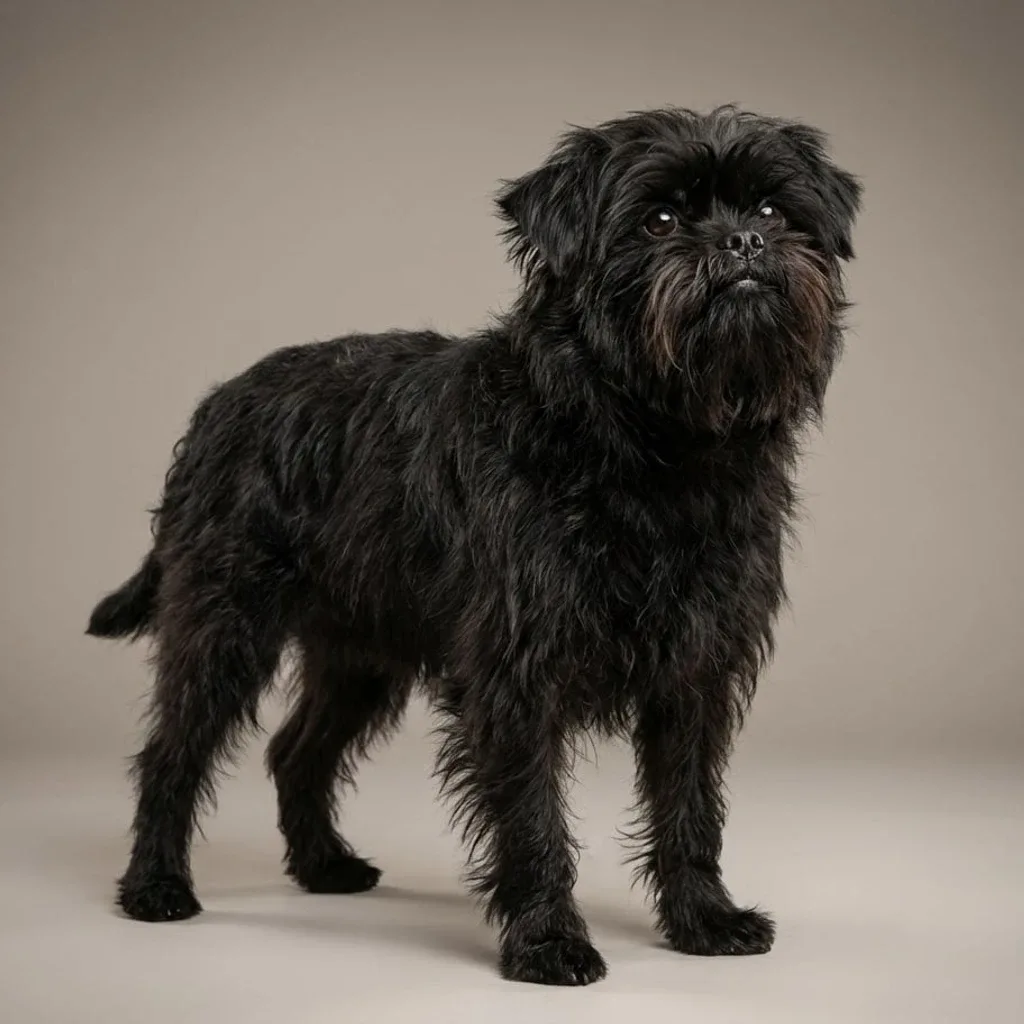
Affenpinscher
The Affenpinscher is a sturdy, monkey-like terrier-type toy breed known for its confidence and playful spirit. Despite its small size, it possesses a courageous heart and a loyal personality, making it a wonderful companion for Kiwi apartment dwellers or those with smaller sections.
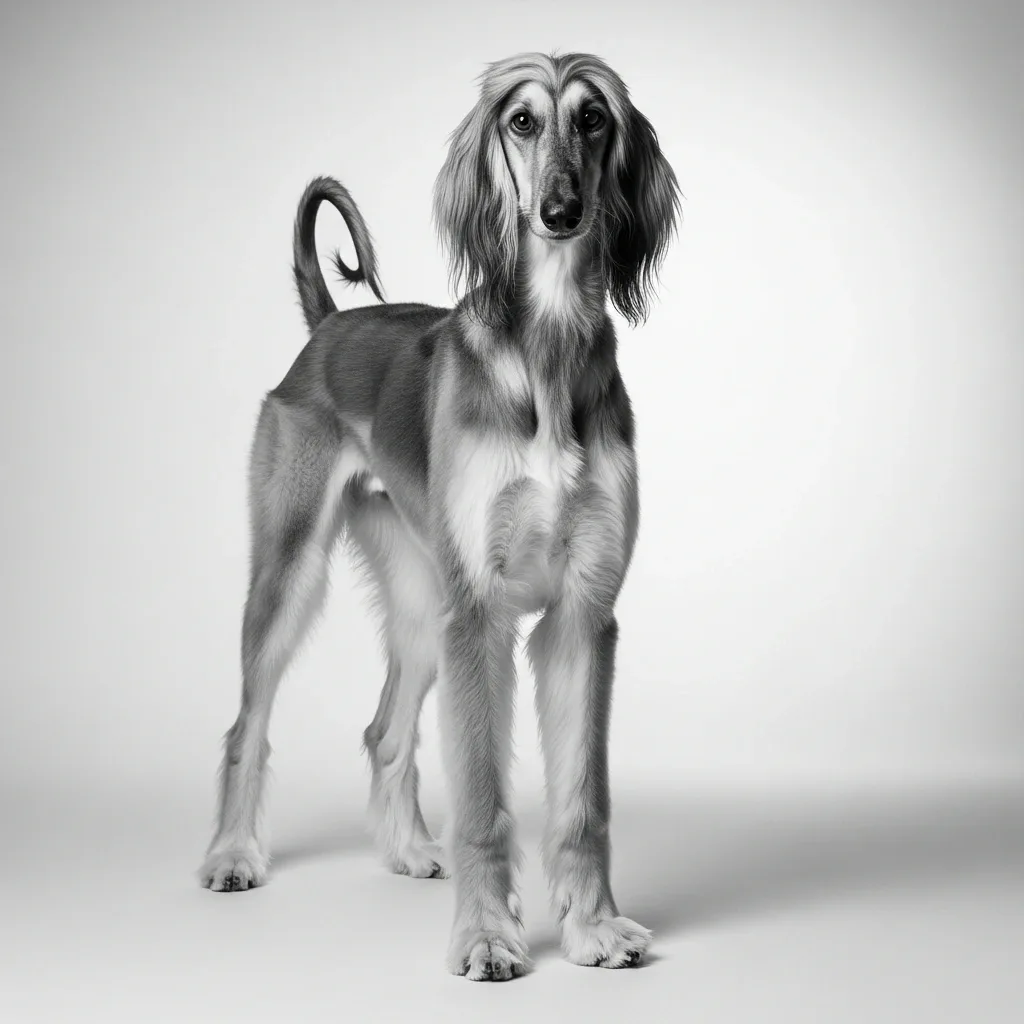
Afghan Hound
The Afghan Hound is an elegant aristocrat with a dignified and aloof personality. Known for its striking, silky coat, this breed is a high-maintenance beauty that requires ample space to run and an owner dedicated to its complex grooming needs.
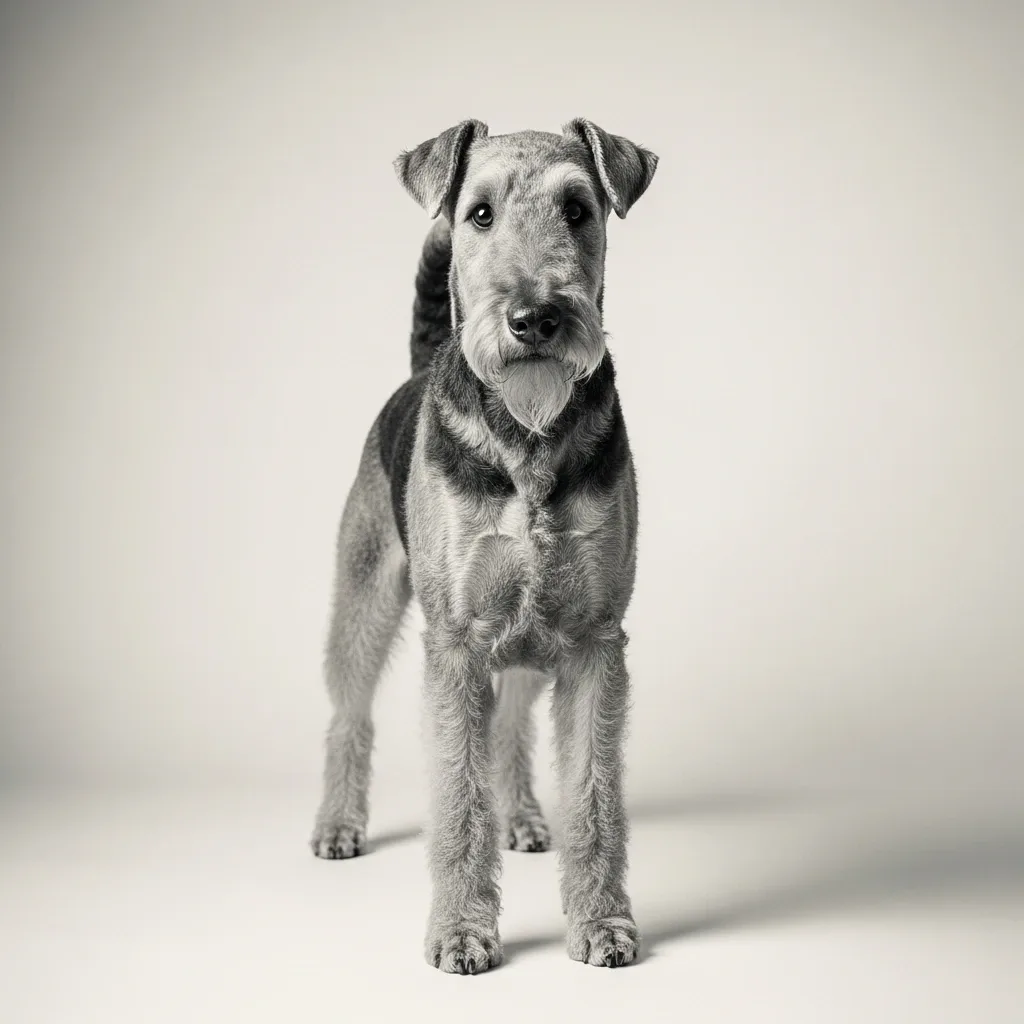
Airedale Terrier
The 'King of Terriers', the Airedale is the largest of all terrier breeds. They are brave, hardworking, and highly intelligent, making them excellent partners for active Kiwi families who love tramping and outdoor adventures.
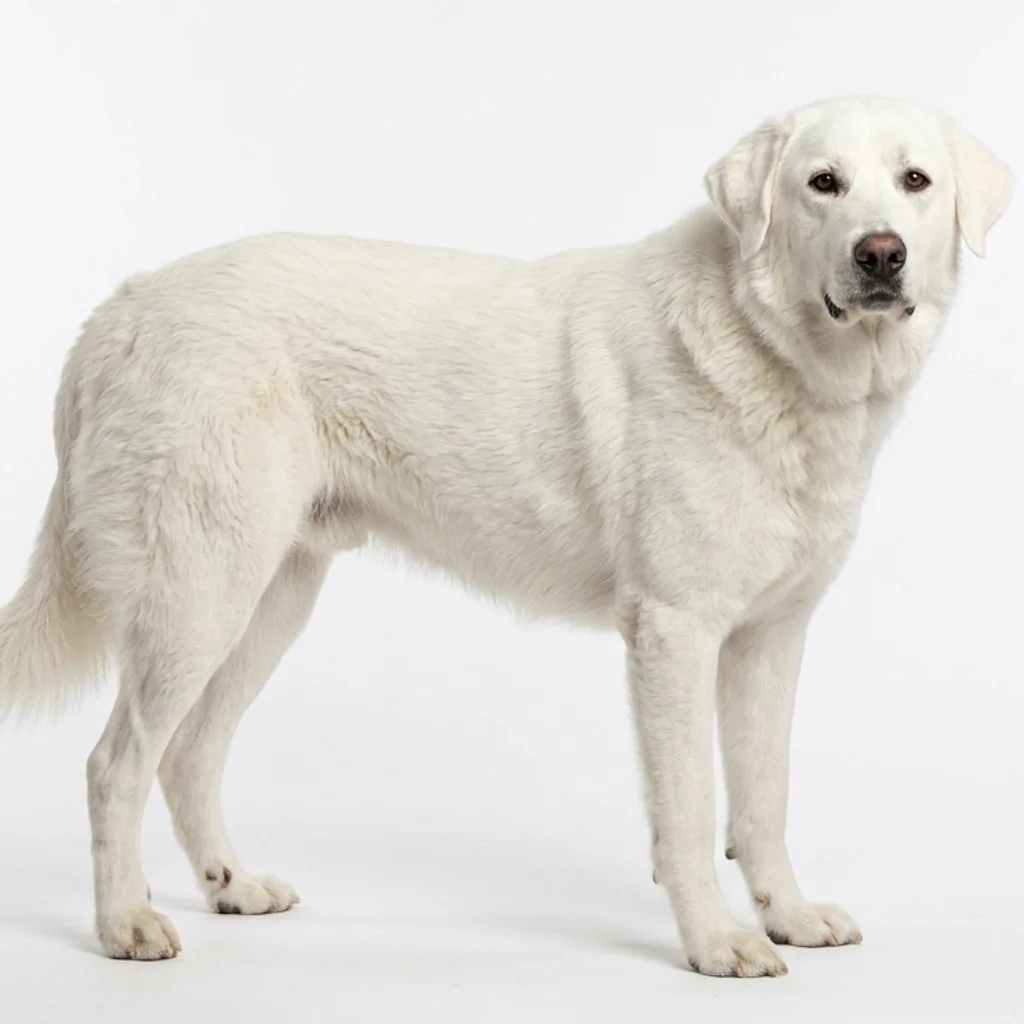
Akbash Dog
Originally a Turkish livestock guardian, the Akbash is a serious, protective, and independent breed. They are not suited for apartment living and thrive on large NZ lifestyle blocks where they can have a 'territory' to watch over.