Dog Breed Guide NZ
Rottweiler
The Rottweiler, a powerful and devoted guardian, is renowned for its calm confidence and unwavering loyalty to its family. Originating from Germany, this breed thrives on having a purpose and requires a firm yet fair leader to channel its protective instincts effectively. While reserved with strangers, a well-socialised Rottweiler is an affectionate and gentle companion within its inner circle. In New Zealand, these majestic dogs are respected family protectors, perfectly suited to active homes with ample space, provided they receive consistent training, early socialisation, and plenty of mental and physical stimulation to flourish as balanced members of the whānau.
Photo Gallery
Breed Snapshot
- Size
- Male: 43-61 kg; Female: 36-45 kg
- Lifespan
- 9-10 years
- Origin
- Being enriched
- Temperament
- Confident, loyal, courageous, calm, protective, affectionate
- NZ Price
- $1,500 - $3,500 NZD from registered breeders; $250-$450 NZD adoption via SPCA or breed-specific rescues (when available)
- Annual Vet Cost
- Estimated annual vet costs for a Rottweiler in NZ can range from $800 - $1,500 NZD, not including major surgeries. This covers routine check-ups, vaccinations, flea and worm treatments, and potentially some medication for common health issues. Breed-specific concerns like hip and elbow dysplasia, osteosarcoma (bone cancer), bloat (gastric torsion), and certain eye conditions can incur significant additional costs, potentially running into thousands for diagnostics and surgery. Pet insurance is highly recommended for this breed.
Personality Scores
NZ Lifestyle Fit
Rottweilers are generally not suited for apartment living, even in a vibrant city like Auckland. Their size, energy levels, and need for space to move and patrol make a flat challenging, especially during Auckland's humid summers where they need cooler areas. A house with a good-sized, securely fenced section is far more appropriate, allowing them room to play and exercise daily. For rural New Zealand farms, Rottweilers can thrive, particularly if given a 'job' like guarding livestock or property, which aligns with their historical purpose. They cope well with South Island's cold winters provided they have warm, insulated shelter. New Zealand's high UV index means ensuring they have access to shade during peak sun hours, though their dense coat offers good protection. Importantly, the Ministry for Primary Industries (MPI) does not classify Rottweilers as a restricted breed in New Zealand, meaning there are no specific national restrictions on ownership, but local council bylaws may apply.
Origins & History
The Rottweiler's lineage stretches back to the Roman Empire, where their ancestors were mastiff-type dogs used to drive and guard cattle for the Roman legions as they marched across Europe. When the Romans settled in the region of Rottweil in southern Germany, these dogs remained, eventually becoming integral to the local butchers. They were known as 'Rottweiler Metzgerhund' (Rottweil Butcher's Dog), responsible for driving cattle to market, guarding money pouches tied around their necks, and protecting their owners. With the advent of railways in the 19th century, the need for cattle-driving dogs diminished, and the breed faced near extinction. However, dedicated breeders revived the Rottweiler, recognising its intelligence, strength, and protective nature, leading to its re-establishment as a police and military dog, and eventually, a beloved family companion worldwide.
Appearance
Rottweilers are robust, medium-to-large sized dogs with a powerful and athletic build. Males typically weigh between 43-61 kg and stand 61-69 cm at the shoulder, while females are slightly smaller, weighing 36-45 kg and standing 56-63 cm. Their distinctive coat is short, dense, and coarse, always black with clearly defined, rich tan or mahogany markings on the muzzle, chest, legs, and under the tail. Their broad head, strong jaws, and dark, almond-shaped eyes convey an alert and intelligent expression. Traditionally, their tails were docked, but this practice is now illegal and considered unethical in New Zealand, so most Rottweilers here have natural, long tails.
Temperament & Personality
The Rottweiler's temperament is a blend of confidence, loyalty, and courage. They are inherently protective of their families and can be reserved or even aloof with strangers, making early and extensive socialisation crucial. Within their family unit, they are deeply affectionate, playful, and often surprisingly gentle, especially with children they have grown up with. Rottweilers are intelligent and eager to please, but their strong will and dominant nature require a confident, consistent leader. They thrive on having a 'job' to do, whether it's obedience training, guarding, or participating in dog sports. Without proper training and mental stimulation, they can become bored, destructive, or develop unwanted protective behaviours. A well-socialised and trained Rottweiler is a calm, self-assured, and trustworthy companion.
Life in New Zealand
In New Zealand, Rottweilers are popular as family protectors and companions. Their imposing presence and loyal nature make them excellent deterrents, but their true value lies in their devotion. Kiwi owners appreciate their robust health and relatively low grooming needs. However, their size and strength mean they are not suitable for every household. They require secure fencing, ample space, and dedicated owners committed to ongoing training and socialisation. While not classified as a restricted breed by MPI, responsible ownership is paramount. Many Rottweiler owners in NZ are active in obedience, agility, and even Schutzhund (protection dog sport), showcasing the breed's versatility and intelligence.
Is This the Right Breed for You?
Bringing a Rottweiler into your life is a significant commitment. They are not a breed for first-time dog owners or those seeking a low-maintenance pet. You must be prepared to invest time, effort, and resources into their training, socialisation, and exercise. A Rottweiler needs a secure, spacious environment, consistent boundaries, and an active lifestyle. If you can provide a loving, structured home with a confident leader, you will be rewarded with an incredibly loyal, protective, and affectionate companion who will be a cherished member of your whānau for years to come.
Fun Facts
Fact 1
Rottweilers are one of the oldest herding breeds, with their lineage tracing back to Roman drover dogs.
Fact 2
Their original name, 'Rottweiler Metzgerhund', translates to 'Rottweil Butcher's Dog', reflecting their role in guarding cattle and money for butchers in Germany.
Fact 3
Rottweilers were among the first police dogs, recognised for their intelligence, strength, and protective instincts.
Fact 4
Despite their powerful appearance, Rottweilers are often referred to as 'velcro dogs' by their owners due to their strong desire to be close to their families.
Fact 5
Tail docking, once common for the breed, is now illegal in New Zealand, meaning most Kiwi Rottweilers proudly sport their natural, long tails.
Related Breeds
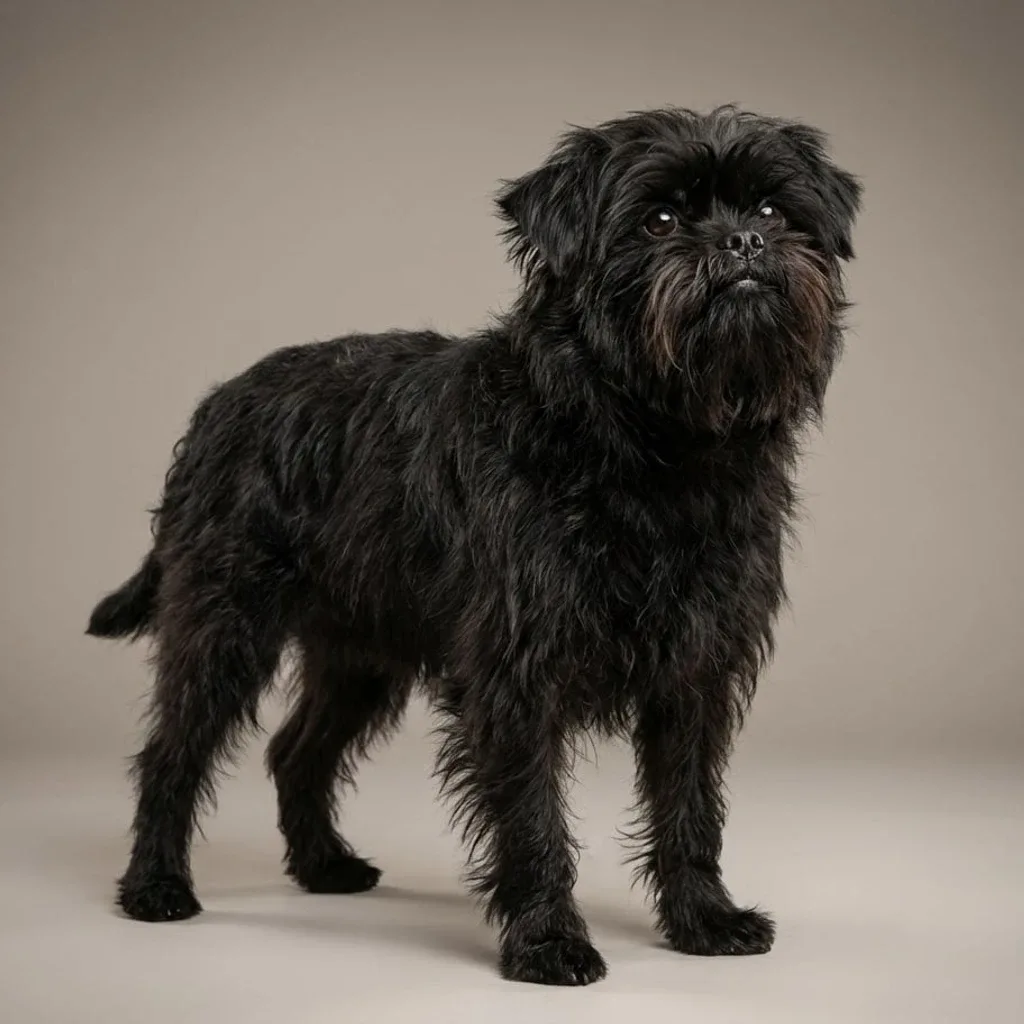
Affenpinscher
The Affenpinscher is a sturdy, monkey-like terrier-type toy breed known for its confidence and playful spirit. Despite its small size, it possesses a courageous heart and a loyal personality, making it a wonderful companion for Kiwi apartment dwellers or those with smaller sections.
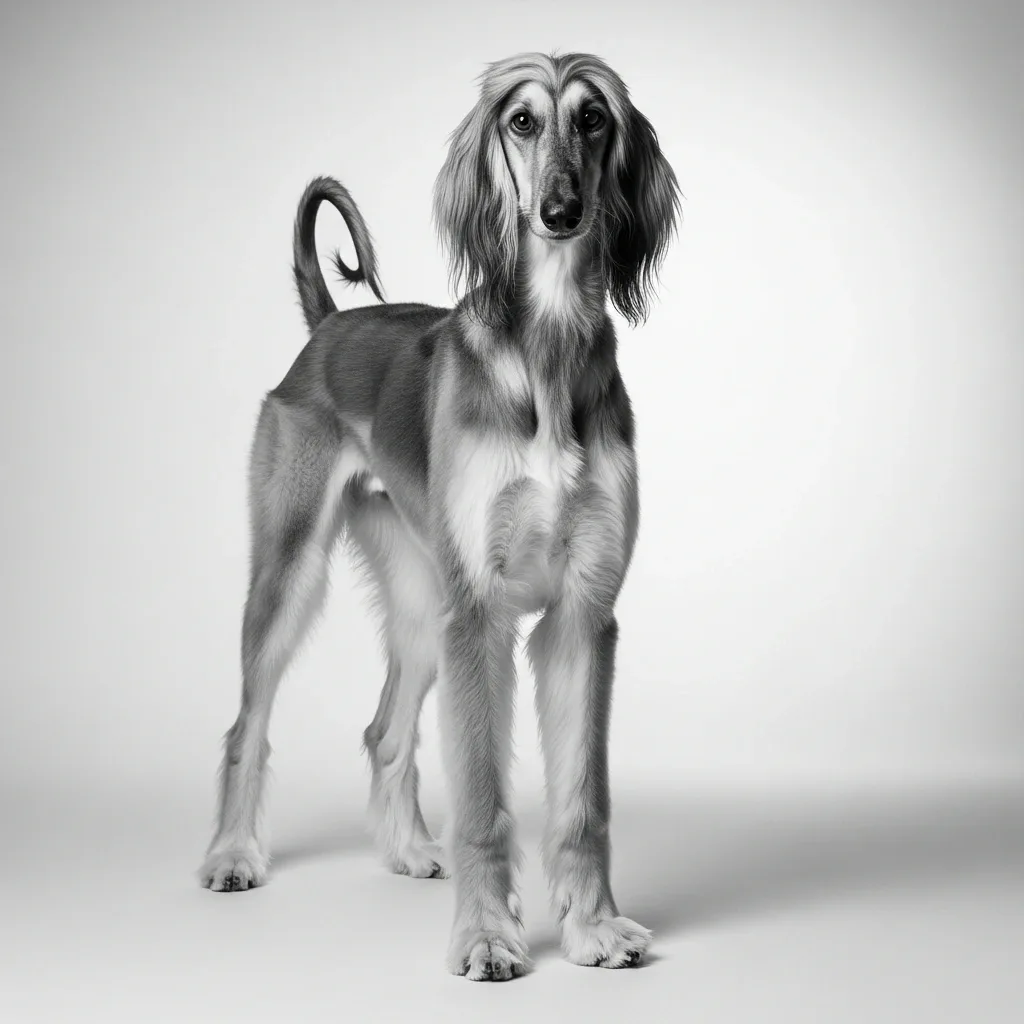
Afghan Hound
The Afghan Hound is an elegant aristocrat with a dignified and aloof personality. Known for its striking, silky coat, this breed is a high-maintenance beauty that requires ample space to run and an owner dedicated to its complex grooming needs.
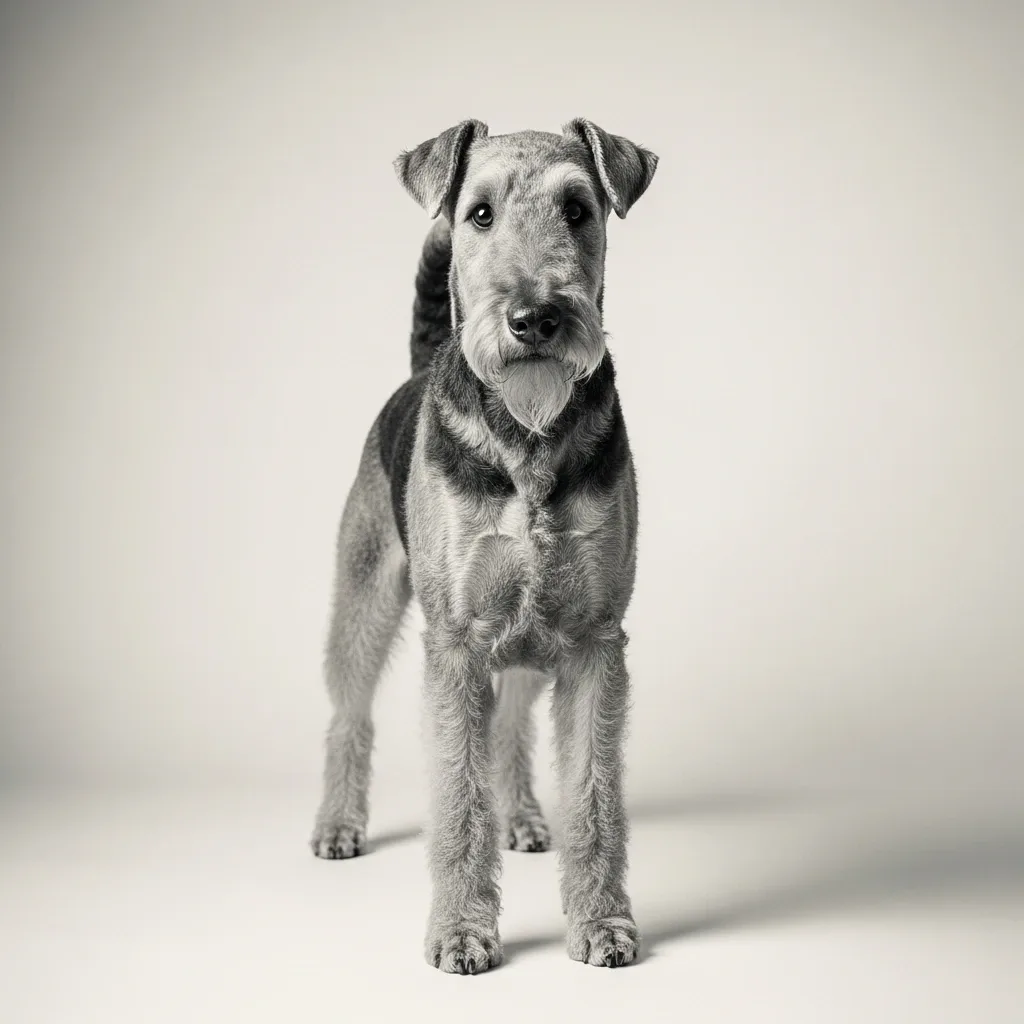
Airedale Terrier
The 'King of Terriers', the Airedale is the largest of all terrier breeds. They are brave, hardworking, and highly intelligent, making them excellent partners for active Kiwi families who love tramping and outdoor adventures.
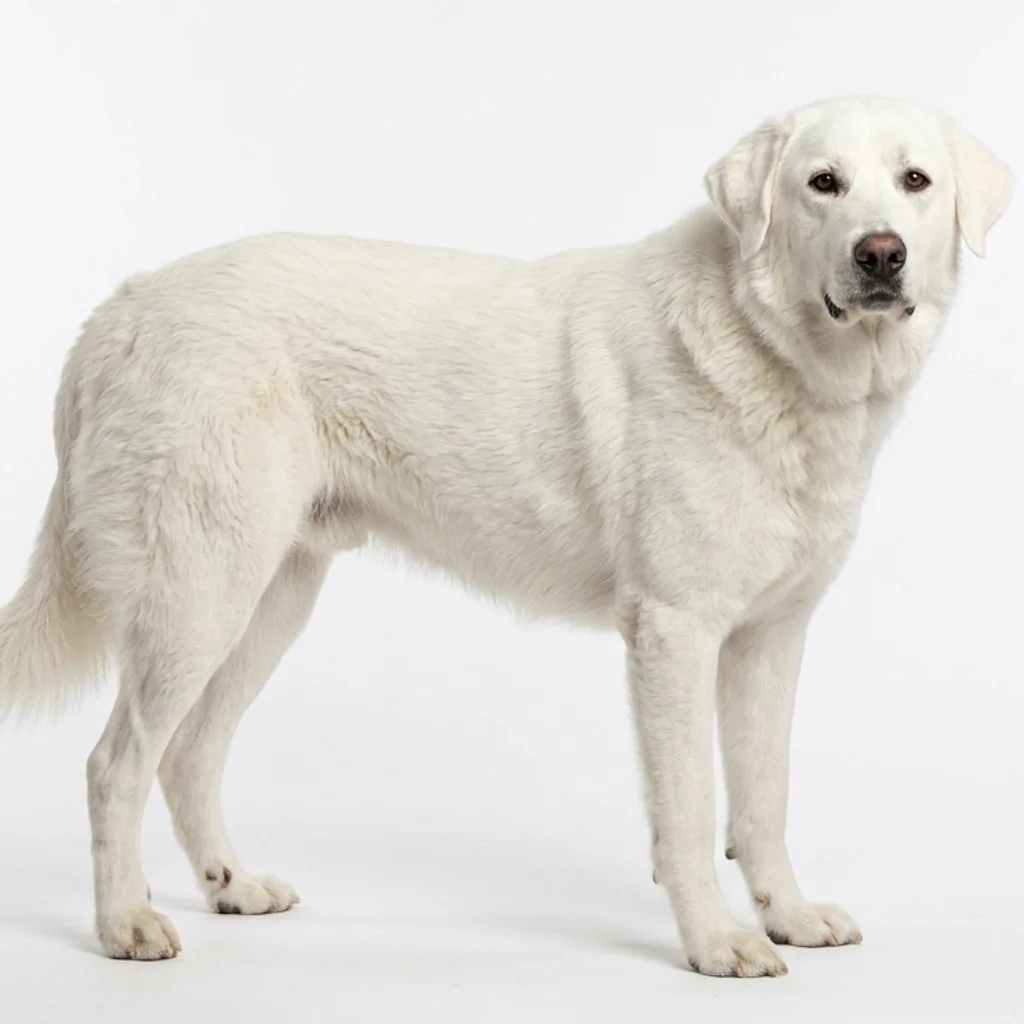
Akbash Dog
Originally a Turkish livestock guardian, the Akbash is a serious, protective, and independent breed. They are not suited for apartment living and thrive on large NZ lifestyle blocks where they can have a 'territory' to watch over.