Dog Breed Guide NZ
Rhodesian Ridgeback
The Rhodesian Ridgeback, famously known as the 'Lion Dog' of Africa, is a majestic and powerful canine athlete. Recognisable by the distinctive ridge of hair running down its spine, this breed combines a dignified presence with a fiercely loyal and protective nature. They are intelligent and confident, forming deep bonds with their families while remaining independent. For active Kiwi households with ample space – be it a large section or a rural property – the Ridgeback can be an exceptional guardian and a devoted companion, thriving on adventure and close family ties in the New Zealand lifestyle.
Photo Gallery
Breed Snapshot
- Size
- Male: 36-41 kg; Female: 29-34 kg
- Lifespan
- 10-12 years
- Origin
- Being enriched
- Temperament
- Loyal, intelligent, confident, independent, affectionate
- NZ Price
- $2,500 - $4,500 NZD from registered breeders; $250-$450 NZD adoption via SPCA or breed-specific rescues (when available)
- Annual Vet Cost
- Estimated annual vet costs for a Rhodesian Ridgeback in NZ typically range from $800 - $1,500+ NZD. This includes routine check-ups, vaccinations, flea/worming treatments, and potential costs for breed-specific health screenings. Given their predisposition to conditions like hip and elbow dysplasia, dermoid sinus, and bloat (gastric dilatation-volvulus), owners should budget for potential diagnostic tests, specialist consultations, or surgical interventions, which can significantly increase costs in any given year. Pet insurance is highly recommended for this breed.
Personality Scores
NZ Lifestyle Fit
Rhodesian Ridgebacks are generally not suited for apartment living, even in bustling cities like Auckland, due to their size, energy levels, and need for space to patrol. They thrive in homes with a generous, securely fenced section where they can play and exercise. Rural NZ farm life can be suitable, provided they are trained to respect livestock and boundaries, as their strong prey drive can be an issue. In Auckland's humid summers, their short coat helps them cope, but access to shade and plenty of fresh water is crucial to prevent overheating. Conversely, South Island's colder winters will require a warm, dry, insulated shelter, as their short coat offers little protection against the cold. High UV levels across NZ mean lighter-coated Ridgebacks, or those with pink noses, may need sun protection to prevent sunburn. There are no specific restrictions on owning Rhodesian Ridgebacks by the Ministry for Primary Industries (MPI) in New Zealand.
Origins & History
The Rhodesian Ridgeback's story begins in Southern Africa, where it was originally bred by European settlers in the 17th century. Their primary purpose was to hunt big game, most notably lions, hence their moniker 'Lion Dog'. They weren't bred to kill lions, but rather to track, corner, and hold them at bay until the hunter arrived. This required a dog of immense courage, stamina, and intelligence, capable of working independently. The breed is a unique blend of indigenous Hottentot hunting dogs, known for their distinctive spinal ridge, and various European breeds brought by settlers, including Mastiffs, Great Danes, and Greyhounds. The breed standard was first drafted in Rhodesia (now Zimbabwe) in 1922, solidifying its place as a formidable and unique hunting companion. Today, while still possessing their ancestral instincts, Ridgebacks are cherished worldwide as loyal family protectors and active companions.
Appearance
The Rhodesian Ridgeback is a large, muscular, and athletic dog, built for endurance and power. Males typically stand 63-69 cm at the shoulder and weigh 36-41 kg, while females are slightly smaller at 61-66 cm and 29-34 kg. Their most striking feature is, of course, the 'ridge' – a strip of hair along the back that grows in the opposite direction to the rest of the coat, starting behind the shoulders and tapering towards the hips, with two identical crowns (whorls) at the top. Their coat is short, dense, and sleek, ranging in colour from light wheaten to red wheaten. They have a powerful, deep chest, strong legs, and a dignified expression, often conveying an air of reserved confidence. Their eyes are round, bright, and typically match the coat colour, ranging from dark to amber.
Temperament & Personality
Rhodesian Ridgebacks are renowned for their loyal, intelligent, and confident temperament. They are deeply devoted to their families, often forming a strong, protective bond. While affectionate with their loved ones, they can be reserved or aloof with strangers, a trait stemming from their guardian instincts. This independence means they are not always eager to please and require consistent, firm, but fair training from an early age. They are highly intelligent but can be strong-willed, making them best suited for experienced dog owners. When properly socialised and trained, they are generally good with children, viewing them as part of their 'pack' to be protected. They are known for being quiet indoors, often content to lounge near their family, provided their exercise needs have been met.
Life in New Zealand
Rhodesian Ridgebacks can thrive in New Zealand homes that understand and cater to their specific needs. Their athletic build and high energy levels make them ideal companions for active Kiwi families who enjoy outdoor pursuits like tramping, beach walks, or running. They require a securely fenced section for play and patrolling, making them less suitable for apartment living. Their short coat is relatively easy to maintain, but it offers limited protection against the South Island's colder winters, meaning a warm, dry shelter is essential. In Auckland's humid summers or during high UV periods across the country, they need access to shade and fresh water, and lighter-coated individuals may benefit from sun protection. Their protective nature makes them excellent guardians for a family home, but early and ongoing socialisation is key to ensure they are well-adjusted members of the community.
Is This the Right Breed for You?
Bringing a Rhodesian Ridgeback into your life is a significant commitment. They are magnificent dogs, offering unparalleled loyalty and protection, but they are not for everyone. If you are an experienced dog owner with an active lifestyle, a large, securely fenced property, and the time and dedication for consistent training and socialisation, a Ridgeback could be your perfect match. They excel with families who include them in daily activities and provide plenty of mental and physical stimulation. However, if you live in a small flat, have limited time for exercise, or are new to dog ownership, a Ridgeback's independent nature, strength, and protective instincts might prove challenging. They are a truly rewarding breed for the right Kiwi family, offering a unique blend of dignity, athleticism, and unwavering devotion.
Fun Facts
Fact 1
Rhodesian Ridgebacks were originally bred to track and hold lions at bay in Africa, earning them the nickname 'Lion Dog'.
Fact 2
Their most distinctive feature is the 'ridge' of hair along their spine that grows in the opposite direction to the rest of their coat.
Fact 3
Despite their powerful build and hunting heritage, Ridgebacks are known for being quiet and dignified indoors, often preferring to lounge near their family.
Fact 4
They are considered one of the few truly 'African' dog breeds, with their origins firmly rooted on the continent.
Fact 5
A Ridgeback's loyalty is profound, often leading them to be reserved or aloof with strangers, acting as natural guardians for their family.
Related Breeds
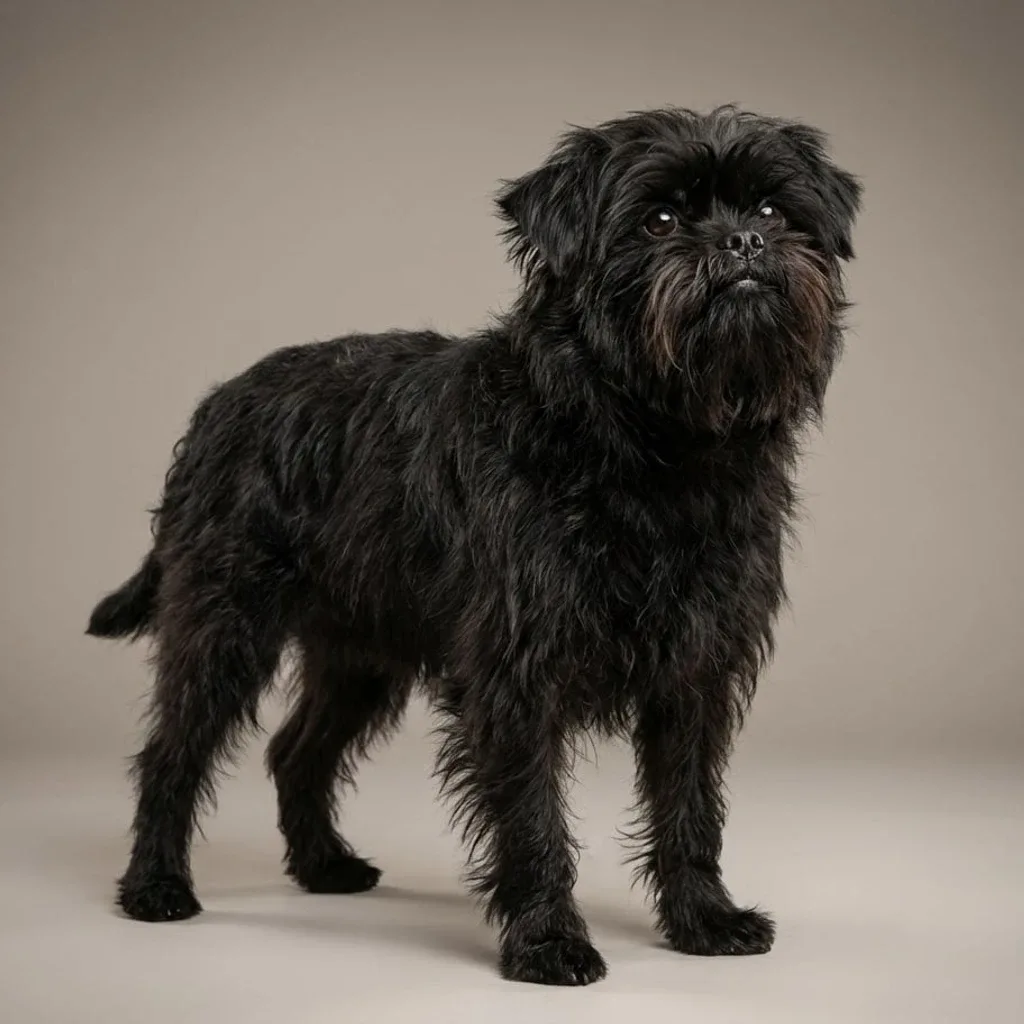
Affenpinscher
The Affenpinscher is a sturdy, monkey-like terrier-type toy breed known for its confidence and playful spirit. Despite its small size, it possesses a courageous heart and a loyal personality, making it a wonderful companion for Kiwi apartment dwellers or those with smaller sections.
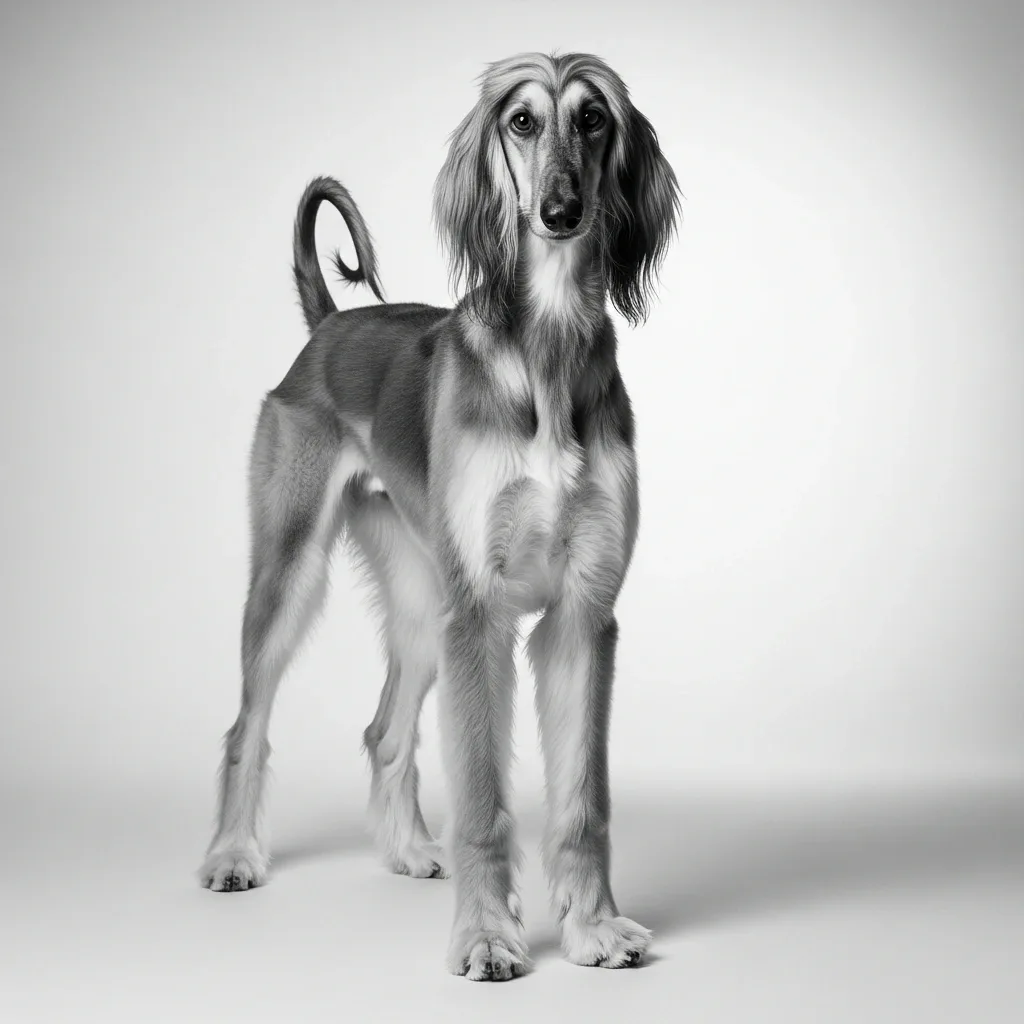
Afghan Hound
The Afghan Hound is an elegant aristocrat with a dignified and aloof personality. Known for its striking, silky coat, this breed is a high-maintenance beauty that requires ample space to run and an owner dedicated to its complex grooming needs.
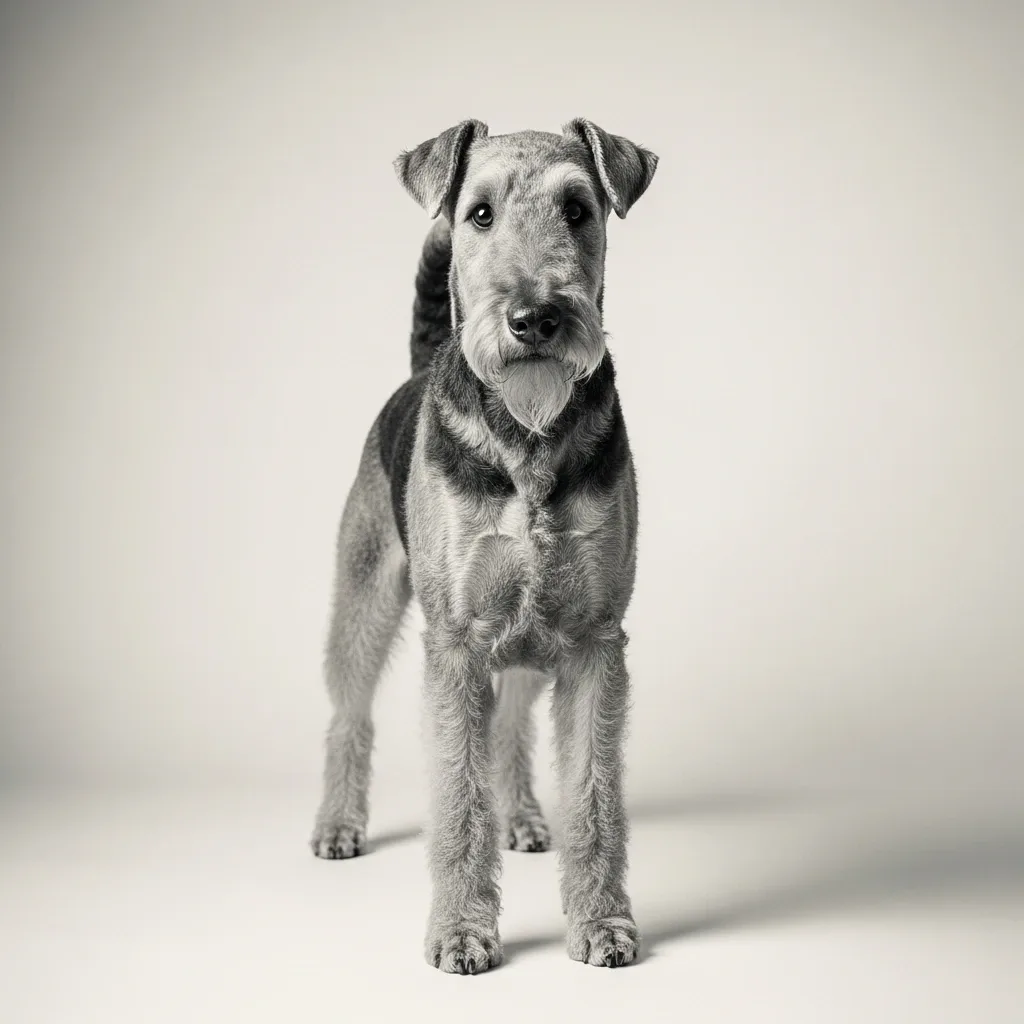
Airedale Terrier
The 'King of Terriers', the Airedale is the largest of all terrier breeds. They are brave, hardworking, and highly intelligent, making them excellent partners for active Kiwi families who love tramping and outdoor adventures.
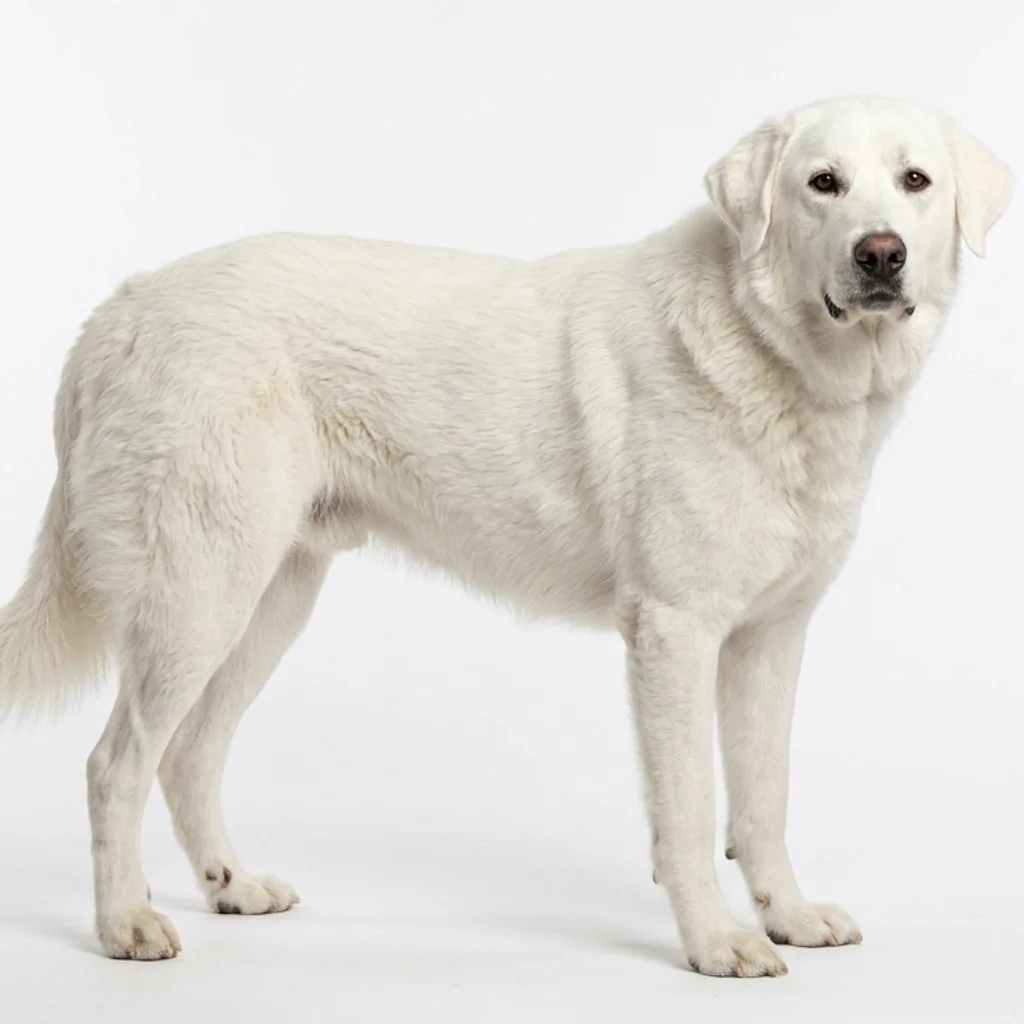
Akbash Dog
Originally a Turkish livestock guardian, the Akbash is a serious, protective, and independent breed. They are not suited for apartment living and thrive on large NZ lifestyle blocks where they can have a 'territory' to watch over.