Dog Breed Guide NZ
Rat Terrier
The Rat Terrier is an athletic, intelligent, and incredibly versatile small to medium-sized dog, renowned for its boundless energy and unwavering devotion. Originating as efficient farm dogs, these keen workers possess a strong desire to please, making them highly trainable and excellent watchdogs. Their alert nature, combined with a friendly and playful disposition, ensures they quickly become cherished members of any family. In New Zealand, their adaptable size and robust health make them a fantastic fit for active Kiwi households, whether living in a suburban home with a garden or joining in on adventures across our beautiful landscapes.
Photo Gallery
Breed Snapshot
- Size
- 4-11 kg
- Lifespan
- 12-18 years
- Origin
- Being enriched
- Temperament
- Alert, intelligent, energetic, friendly, playful, loyal
- NZ Price
- $1,500 - $3,500 NZD from registered breeders; $150-$450 NZD adoption via SPCA or rescue organisations
- Annual Vet Cost
- Estimated annual vet costs for a Rat Terrier in New Zealand typically range from '$400 - $800 NZD' for routine care, including vaccinations, flea/worm treatments, and annual check-ups. However, specific health issues can increase this. While generally robust, Rat Terriers can be prone to certain conditions. These include patellar luxation (slipping kneecaps), hip and elbow dysplasia, Legg-Calve-Perthes disease (a hip joint disorder), and various allergies (skin and food). Dental disease is also common in smaller breeds, requiring regular professional cleaning which can add '$300 - $700 NZD' per procedure. Eye conditions like lens luxation can also occur. Investing in pet insurance is highly recommended to help manage unexpected costs associated with these potential breed-specific health concerns. Regular vet visits are crucial for early detection and management, ensuring your Rat Terrier lives a long, healthy life in New Zealand.
Personality Scores
NZ Lifestyle Fit
The Rat Terrier's adaptability makes them suitable for various New Zealand living situations, though some considerations apply. For an apartment in Auckland, a Rat Terrier can adapt if their significant exercise and mental stimulation needs are rigorously met daily. However, it's not ideal; a house with a secure section is far better. Auckland's humid summers mean these short-coated dogs will need ample shade and fresh water, though their coat type generally handles heat better than long-haired breeds. A house with a fully fenced section is an excellent environment for a Rat Terrier, providing space for them to burn off energy and explore safely. Their strong prey drive necessitates secure fencing to prevent them from chasing birds or other small animals. In rural NZ farm settings, they truly shine, leveraging their historical role as vermin hunters. However, their prey drive means strict training and supervision are crucial around livestock and poultry. For South Island cold winters, their short coat offers little protection, so a warm dog coat for outdoor excursions is essential. High UV levels across New Zealand mean light-coloured Rat Terriers might be susceptible to sunburn, requiring shade and potentially pet-safe sunscreen on exposed areas. There are no specific MPI (Ministry for Primary Industries) restrictions on owning Rat Terriers in New Zealand, making them a straightforward choice for adoption or purchase.
Origins & History
The Rat Terrier's lineage traces back to the late 19th and early 20th centuries in the United States, where farmers sought a tenacious and efficient vermin hunter. Their ancestry is a fascinating blend of various terrier types, including the Old English White Terrier (now extinct), Fox Terrier, Manchester Terrier, and even some Whippet and Italian Greyhound for speed and agility. This diverse genetic cocktail created a dog perfectly suited for dispatching rats and other small pests, earning them their distinctive name. President Theodore Roosevelt is often credited with coining the name "Rat Terrier" after his own dog, though this is sometimes debated. Beyond their working prowess, these dogs were also valued for their companionship and loyalty, thriving as family pets on American farms. While not as widely known globally as some other terrier breeds, the Rat Terrier has a dedicated following who appreciate their unique blend of intelligence, athleticism, and affectionate nature. Their history is deeply rooted in practicality, developing a breed that is as much a diligent worker as it is a devoted friend.
Appearance
The Rat Terrier is a compact, muscular, and agile dog, typically falling into the small to medium size range. They stand between 25 to 46 centimetres at the shoulder and weigh between 4 to 11 kilograms, showcasing a sturdy yet refined build. Their body is well-proportioned, conveying both strength and speed. The head is wedge-shaped with a moderate stop, and their expressive, almond-shaped eyes are usually dark, reflecting their keen intelligence and alertness. Their ears can be erect, semi-erect, or folded, adding to their individual charm. One of the most distinctive features of the Rat Terrier is its short, smooth, and dense coat, which lies close to the body. This coat is low-maintenance and comes in a wide array of colours and patterns. While piebald (white with patches of any other colour) is the most common, they can also be found in black, tan, chocolate, blue, fawn, red, orange, or lemon, often with white markings. Some may also have ticking or merle patterns, adding to their visual diversity. Their tail is typically docked in countries where it is permitted, but in New Zealand, natural tails are common and preferred. Overall, the Rat Terrier presents an image of an alert, ready-for-action dog, perfectly suited for both work and play.
Temperament & Personality
The Rat Terrier is celebrated for its vibrant and engaging temperament, making it a truly versatile companion. They are inherently alert, intelligent, and brimming with energy, always keen to be involved in family activities. Their intelligence makes them highly trainable, eager to please, and quick to pick up new commands and tricks, though their terrier stubbornness can sometimes surface. These dogs are known for being incredibly friendly and playful, thriving on interaction with their human family. They form strong bonds and are fiercely loyal, often displaying a protective streak towards their loved ones, making them excellent watchdogs who will readily alert you to anything unusual. With proper socialisation from a young age, Rat Terriers generally get along well with children, often becoming patient and enthusiastic playmates. However, due to their strong prey drive, caution should be exercised around smaller household pets like hamsters or birds. While generally good with other dogs, early introductions and supervision are always recommended. They possess a curious and adventurous spirit, always ready for an exploration or a game, and require consistent mental and physical stimulation to prevent boredom and destructive behaviours. A well-exercised and mentally engaged Rat Terrier is a happy and well-behaved companion.
Life in New Zealand
The Rat Terrier's adaptable nature and robust constitution make them well-suited for life in New Zealand. Their moderate size means they can comfortably live in various settings, from suburban homes with a garden to more rural properties, provided their exercise and mental stimulation needs are met. For active Kiwi families, a Rat Terrier can be an ideal companion for adventures, whether it's a stroll along a local beach, a hike on a dog-friendly tramping track, or a run in an off-leash park. Their short coat is generally easy to manage in New Zealand's diverse climate, though they may appreciate a warm coat during colder South Island winters or on chilly Auckland mornings. During the hot, humid summers, particularly in the North Island, ensuring access to shade and fresh water is crucial, and their short coat means they are less prone to overheating than long-haired breeds. Their alert nature makes them excellent watchdogs, a valuable trait in any Kiwi household. With their intelligence and eagerness to please, they excel in dog sports like agility, flyball, and obedience, which are popular activities across New Zealand and offer great ways to bond and keep them mentally stimulated. Overall, the Rat Terrier's energetic and loyal disposition aligns perfectly with the active, outdoor-loving Kiwi lifestyle.
Is This the Right Breed for You?
Deciding if a Rat Terrier is the right fit for your household in New Zealand involves considering their specific needs and your lifestyle. If you're an active individual or family looking for an intelligent, energetic, and devoted companion, the Rat Terrier could be an excellent match. They thrive on interaction and being an integral part of family life, so they are not suited to being left alone for long periods. Their strong prey drive means secure fencing is essential, especially in rural areas, and careful introductions are needed if you have smaller pets. Prospective owners should be prepared for consistent training and socialisation from a young age to harness their intelligence and manage their terrier tendencies. They require daily exercise, more than just a quick walk around the block, and benefit greatly from mental challenges like puzzle toys or training sessions. While their grooming needs are minimal, their need for engagement is high. If you enjoy an active lifestyle, are committed to positive reinforcement training, and can provide a loving, stimulating environment, a Rat Terrier will reward you with boundless affection, endless entertainment, and unwavering loyalty. They are a fantastic choice for those who appreciate a spirited, clever, and truly versatile canine companion.
Fun Facts
Fact 1
Rat Terriers were originally bred in the United States to control rodent populations on farms, earning them their descriptive name.
Fact 2
Their ancestry is a mix of several terrier breeds, including Fox Terriers and Manchester Terriers, along with Whippets and Italian Greyhounds for speed.
Fact 3
Despite their name, Rat Terriers are incredibly versatile and excel in various dog sports like agility, obedience, and lure coursing.
Fact 4
They are known for their 'feist' type characteristics, a term historically used for small, tenacious hunting dogs in the American South.
Fact 5
President Theodore Roosevelt is often credited with coining the breed's name, though the exact lineage of his own dogs is debated.
Related Breeds
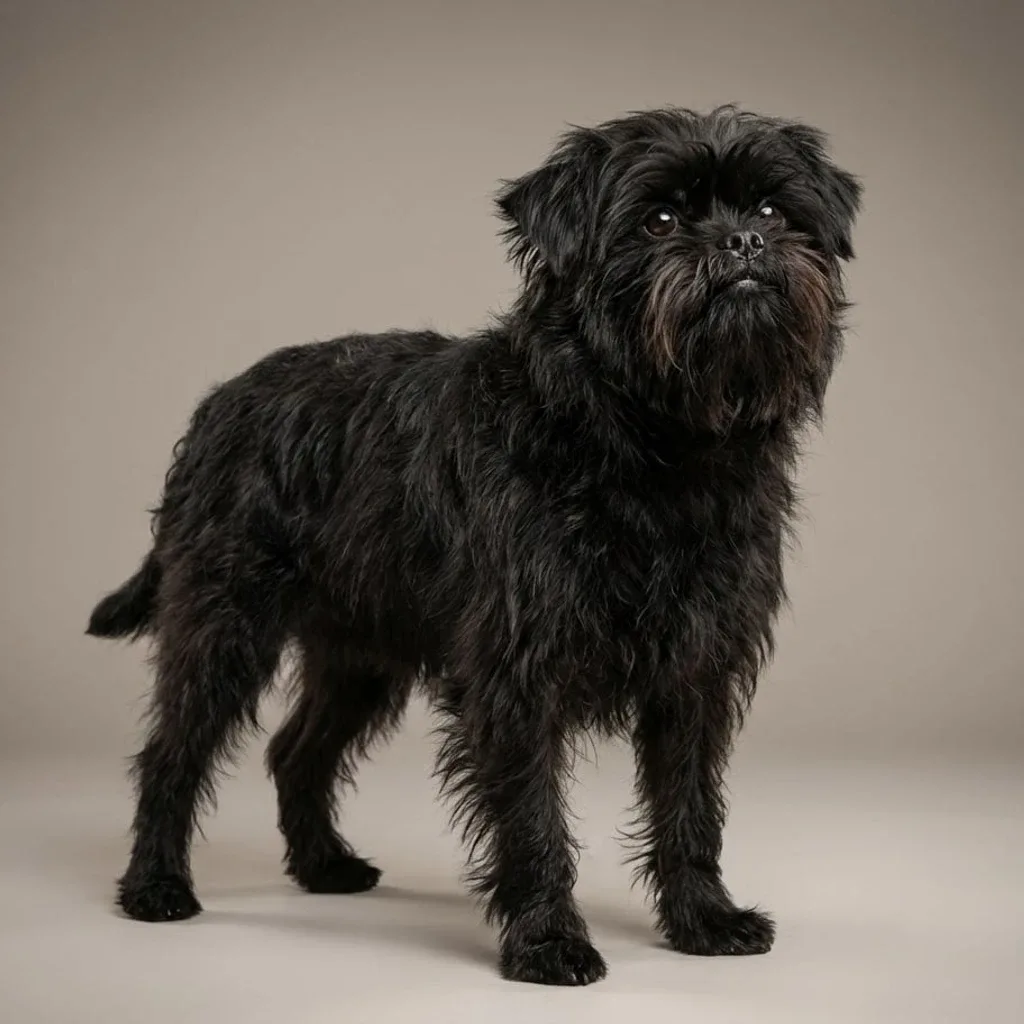
Affenpinscher
The Affenpinscher is a sturdy, monkey-like terrier-type toy breed known for its confidence and playful spirit. Despite its small size, it possesses a courageous heart and a loyal personality, making it a wonderful companion for Kiwi apartment dwellers or those with smaller sections.
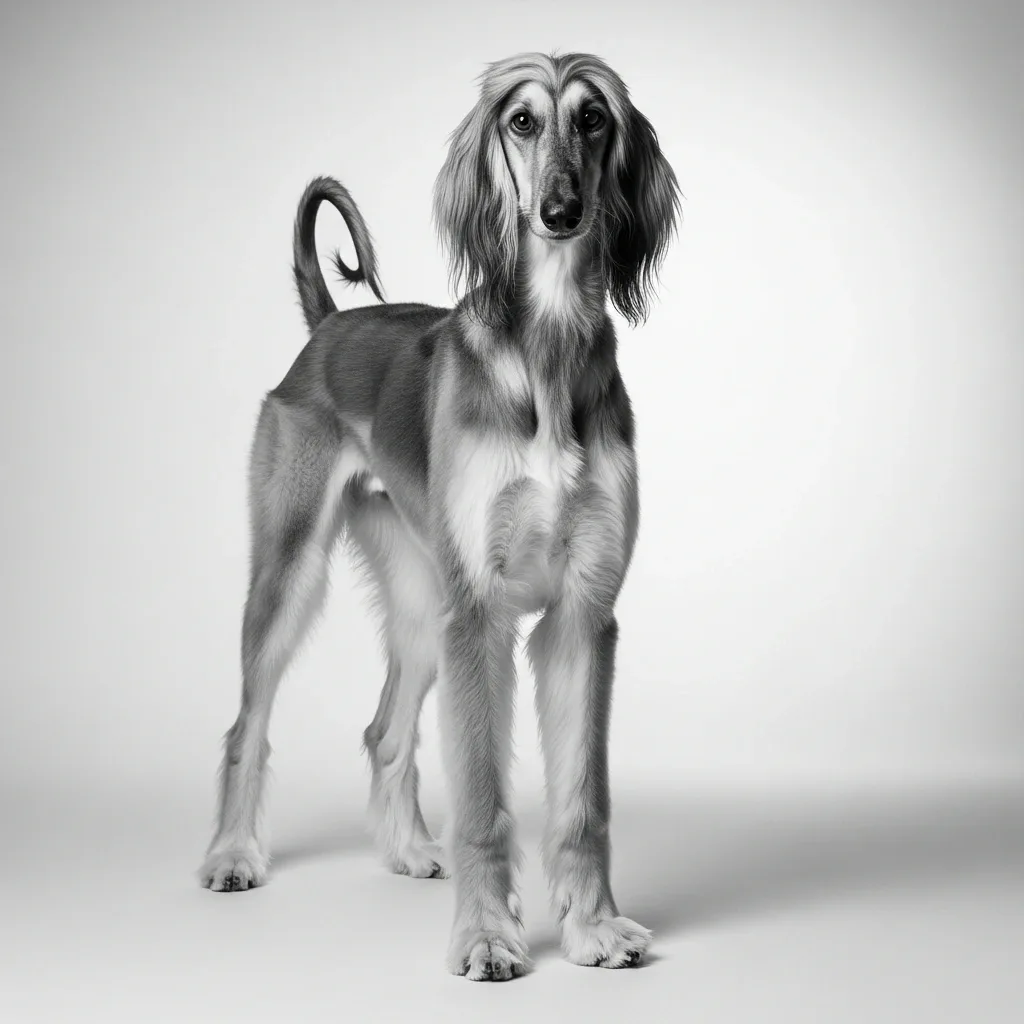
Afghan Hound
The Afghan Hound is an elegant aristocrat with a dignified and aloof personality. Known for its striking, silky coat, this breed is a high-maintenance beauty that requires ample space to run and an owner dedicated to its complex grooming needs.
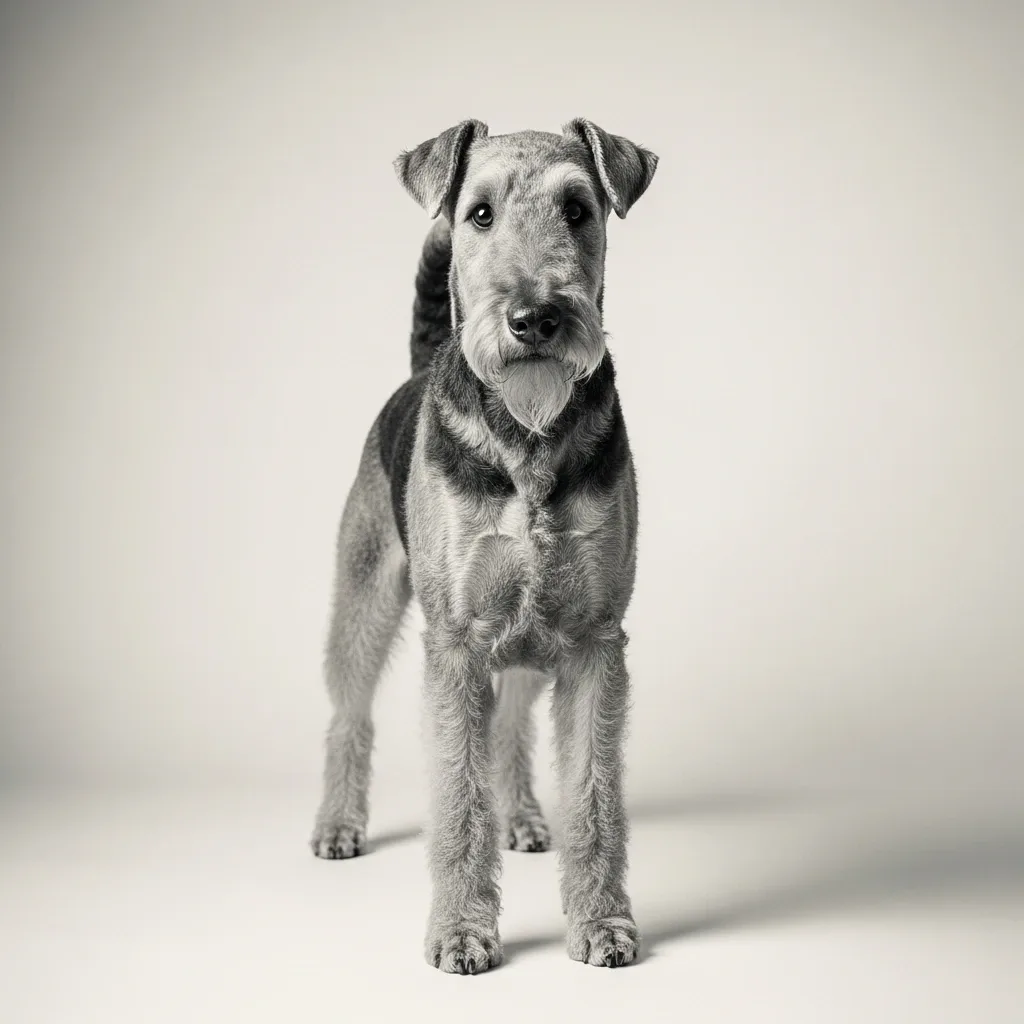
Airedale Terrier
The 'King of Terriers', the Airedale is the largest of all terrier breeds. They are brave, hardworking, and highly intelligent, making them excellent partners for active Kiwi families who love tramping and outdoor adventures.
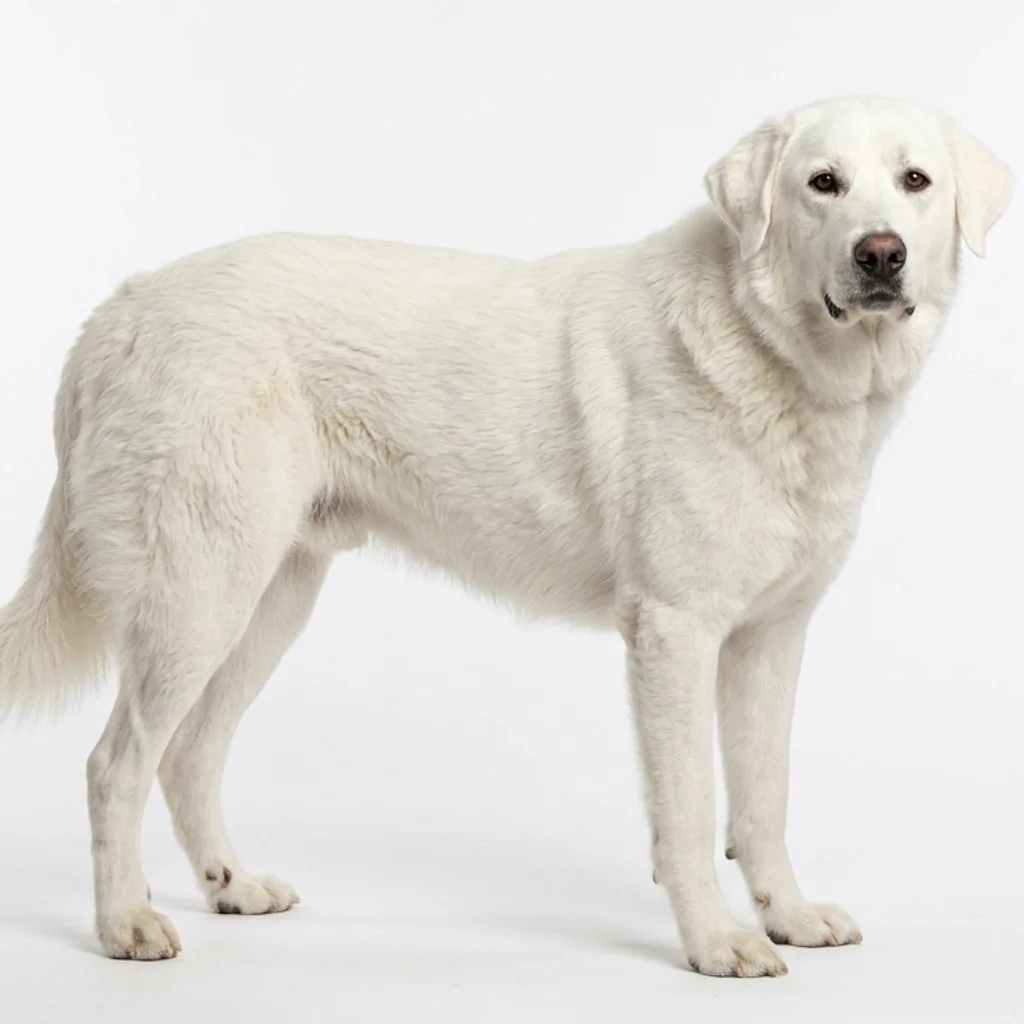
Akbash Dog
Originally a Turkish livestock guardian, the Akbash is a serious, protective, and independent breed. They are not suited for apartment living and thrive on large NZ lifestyle blocks where they can have a 'territory' to watch over.