Dog Breed Guide NZ
Pumi
The Pumi is a captivating Hungarian herding dog, instantly recognisable by its whimsical expression, distinctive curly coat, and lively, intelligent eyes. Known for their boundless energy and sharp minds, Pumis thrive when they have a 'job' to do, making them exceptional partners for dog sports like agility, obedience, and herding. These versatile athletes are also incredibly loyal and playful, forming strong bonds with their families. Their vocal nature means they make excellent watchdogs, always alert to their surroundings. For active Kiwi families who enjoy the outdoors – be it tramping, beach walks, or exploring local reserves – a Pumi offers an enthusiastic and devoted companion ready for any adventure.
Photo Gallery
Breed Snapshot
- Size
- 10-13 kg
- Lifespan
- 12-13 years
- Origin
- Being enriched
- Temperament
- Intelligent, energetic, alert, playful, loyal, confident
- NZ Price
- $2,000 - $4,000 NZD from registered breeders; $150-$350 NZD adoption via SPCA
- Annual Vet Cost
- Estimated annual vet costs for a Pumi in New Zealand typically range from $400 - $800 NZD. This covers routine check-ups, vaccinations, flea and worming treatments. However, potential breed-specific health issues such as Hip Dysplasia, Patellar Luxation, and Primary Lens Luxation could incur additional costs for diagnosis and treatment. Regular screenings for these conditions, especially if from a reputable breeder, can help mitigate risks. Pet insurance is highly recommended to help manage unexpected veterinary expenses.
Personality Scores
NZ Lifestyle Fit
The Pumi's energetic nature and intelligence make its living situation a key consideration in New Zealand. An apartment in Auckland, while possible, would require an exceptionally dedicated owner committed to multiple daily walks and mental stimulation sessions, as these dogs need more than just a quick trot around the block. A house with a secure section is much more suitable, providing space for play and exploration, which is vital for their well-being. Rural NZ farms, particularly those with livestock, are an ideal environment, allowing the Pumi to utilise its natural herding instincts and boundless energy. Regarding climate, their curly coat offers good insulation for South Island cold winters, though a dog coat might be appreciated during extreme chills. Auckland's humid summers necessitate regular grooming to prevent matting and ensure comfort. High UV levels across NZ mean access to shade and fresh water is crucial during outdoor activities. There are no specific MPI restrictions on owning a Pumi in New Zealand.
Origins & History
Originating from Hungary in the 17th and 18th centuries, the Pumi is a relatively modern breed, developed from ancient Hungarian herding dogs like the Puli, crossed with various French and German herding terriers. This unique blend gave the Pumi its distinctive terrier-like characteristics, including its lively temperament, alert nature, and the desire to work closely with humans. Initially bred to herd cattle, sheep, and pigs, the Pumi's agility, intelligence, and vocal nature made it highly effective at managing livestock in diverse terrains. For centuries, the Pumi and Puli were often considered the same breed, but in the early 20th century, efforts were made to distinguish and standardise the Pumi as a separate breed, culminating in its official recognition in Hungary in 1924. While still rare outside of its native country, the Pumi has steadily gained recognition worldwide for its unique charm and working abilities.
Appearance
The Pumi is a medium-sized dog, typically weighing between 10-13 kg, with a sturdy yet agile build that belies its playful appearance. Its most striking feature is its unique coat – a combination of wavy and curly hair, forming corkscrew curls that are neither smooth nor corded. This double coat is harsh to the touch and provides excellent protection against the elements. Pumis come in various colours, including black, white, grey (in various shades), and fawn. Their expressive, dark eyes are set beneath eyebrows that contribute to their often-described 'whimsical' or 'alert' expression. The Pumi's ears are high-set, semi-erect, and mobile, adding to their attentive demeanour. Their tail is carried in a high curl over the back, completing their distinctive silhouette.
Temperament & Personality
True to its herding and terrier heritage, the Pumi possesses a vibrant and intelligent temperament. They are highly energetic, alert, and confident dogs that thrive on mental and physical stimulation. Pumis are incredibly loyal to their families, often forming deep bonds and enjoying being at the centre of household activities. Their playful nature makes them excellent companions for children, provided they are properly socialised and the children are taught how to interact respectfully with dogs. They can be wary of strangers, making them excellent watchdogs, and their vocal nature means they will certainly alert you to any perceived intruders or unusual occurrences. While intelligent and eager to please, their strong will and independent streak mean consistent, positive reinforcement training from a young age is essential. A bored Pumi can become a destructive Pumi, so providing them with a 'job' or regular engaging activities is crucial for their well-being.
Life in New Zealand
For active New Zealanders, a Pumi can be an ideal companion. Their robust double coat offers good protection against both the South Island's colder winters and the North Island's more humid summers, though regular grooming is essential to prevent matting in damp conditions. Their energy levels make them perfect for exploring New Zealand's diverse landscapes, from beach runs along the Tasman Sea to tramping tracks in our national parks (always checking local council and DOC regulations for dog access). Pumis excel in dog sports, and New Zealand boasts a thriving community of agility, obedience, and herding clubs through the NZKC, where a Pumi can truly shine. Their moderate size makes them suitable for homes with a decent section, and they can adapt to a larger flat if their exercise and mental stimulation needs are rigorously met. Their alert nature makes them good guardians, but their vocal tendencies mean early training is key to ensure they're good neighbours, especially in suburban areas.
Is This the Right Breed for You?
The Pumi is not a dog for the faint of heart or the couch potato. They require a significant commitment of time and energy from their owners. Ideal owners are active individuals or families who are prepared to provide daily exercise, consistent training, and ample mental stimulation. They thrive in environments where they are considered part of the family and involved in daily activities. If you're looking for a dog to join you on your tramping adventures, participate in dog sports, or simply be an engaging and loyal companion, the Pumi could be an excellent fit. However, if you prefer a quiet, low-maintenance dog, or have limited time for training and exercise, another breed might be more suitable. Prospective owners should also be prepared for their vocal nature and ensure they have the time and patience for early socialisation and training to manage this trait effectively. A Pumi truly blossoms when given a purpose and a loving, active home.
Fun Facts
Fact 1
The Pumi is often referred to as the 'Hungarian Herding Terrier' due to its blend of herding instincts and terrier-like temperament.
Fact 2
Their name 'Pumi' is thought to be derived from 'Puli,' another Hungarian herding breed, or from the German word 'Pummel,' meaning 'puppy' or 'little dog.'
Fact 3
Pumis are known for their unique 'Pumi bark,' which is a rapid, high-pitched series of barks often used when herding.
Fact 4
Despite their curly coat, Pumis are considered to be a low-shedding breed, making them a potentially good choice for some allergy sufferers.
Fact 5
The Pumi's ears are highly mobile and expressive, often described as 'alert' or 'whimsical,' adding to their distinctive facial expression.
Related Breeds
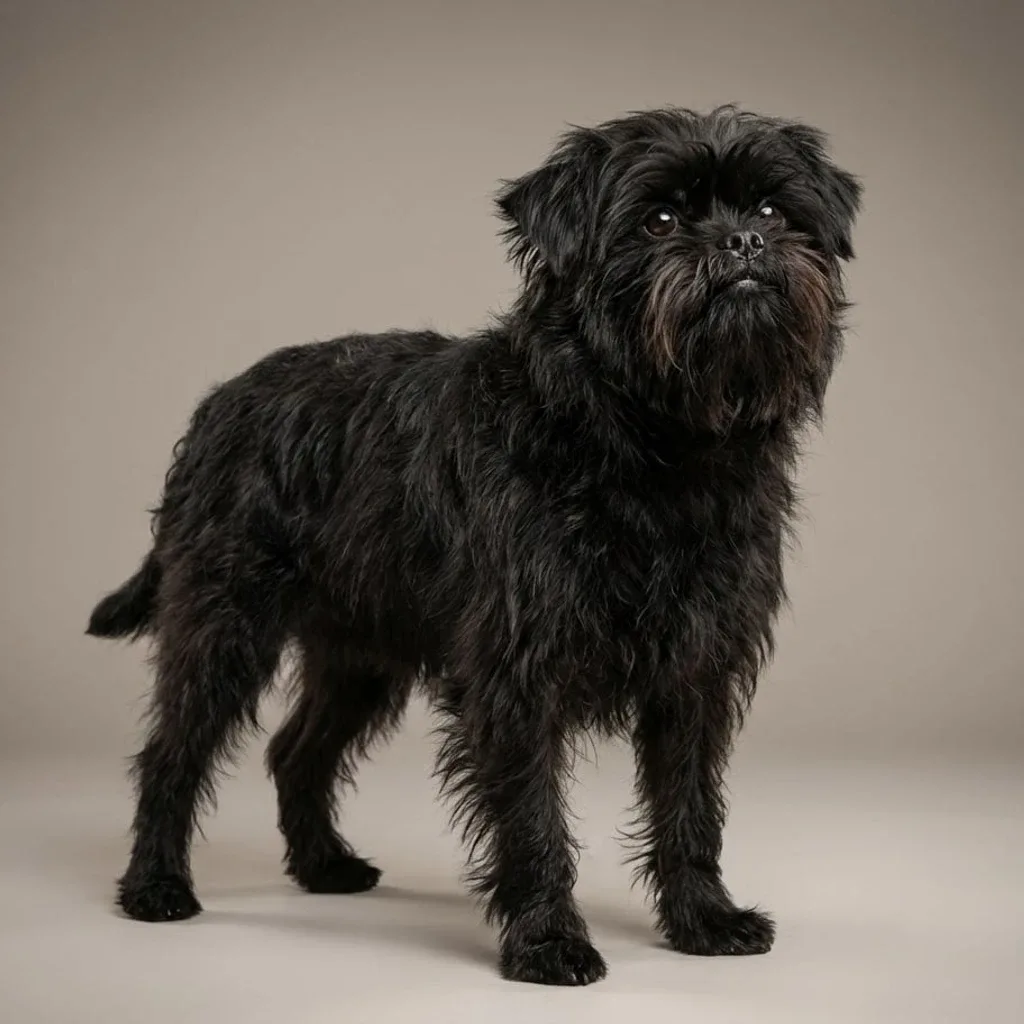
Affenpinscher
The Affenpinscher is a sturdy, monkey-like terrier-type toy breed known for its confidence and playful spirit. Despite its small size, it possesses a courageous heart and a loyal personality, making it a wonderful companion for Kiwi apartment dwellers or those with smaller sections.
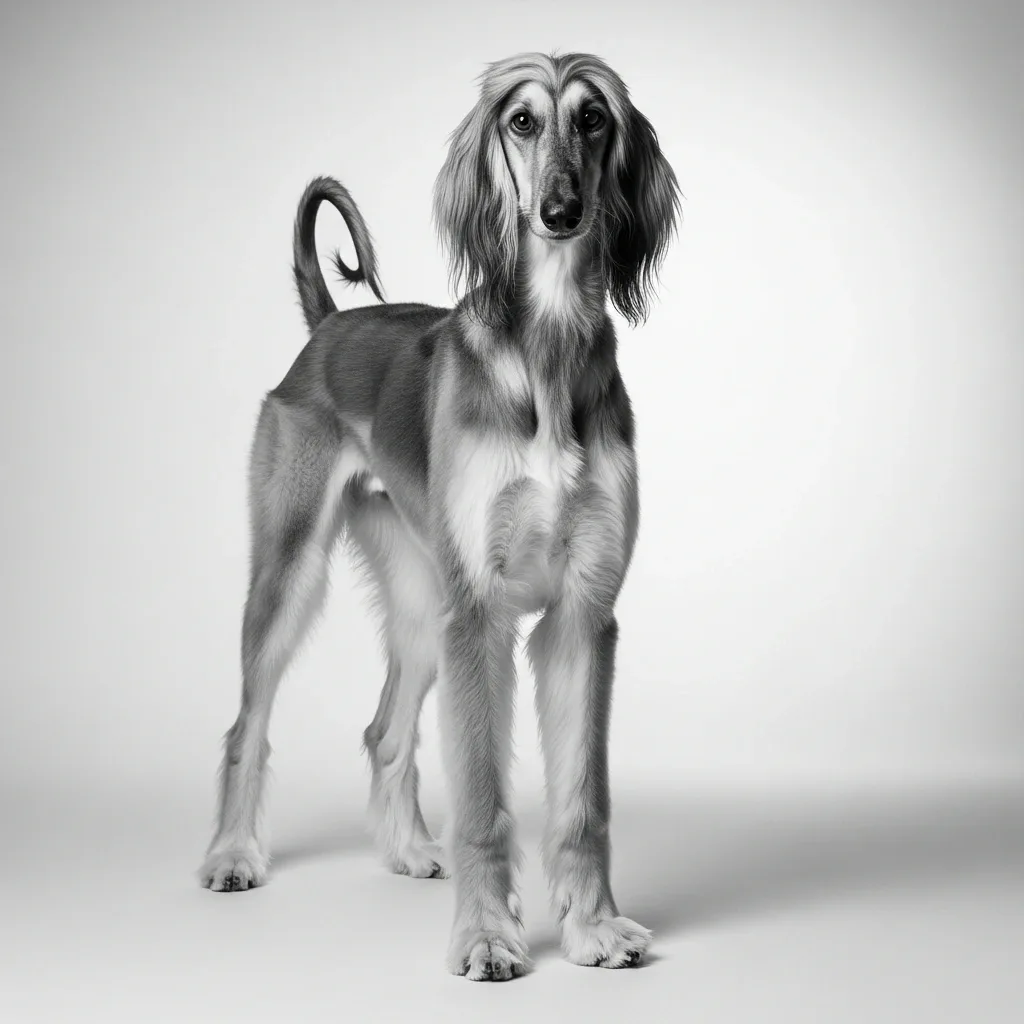
Afghan Hound
The Afghan Hound is an elegant aristocrat with a dignified and aloof personality. Known for its striking, silky coat, this breed is a high-maintenance beauty that requires ample space to run and an owner dedicated to its complex grooming needs.
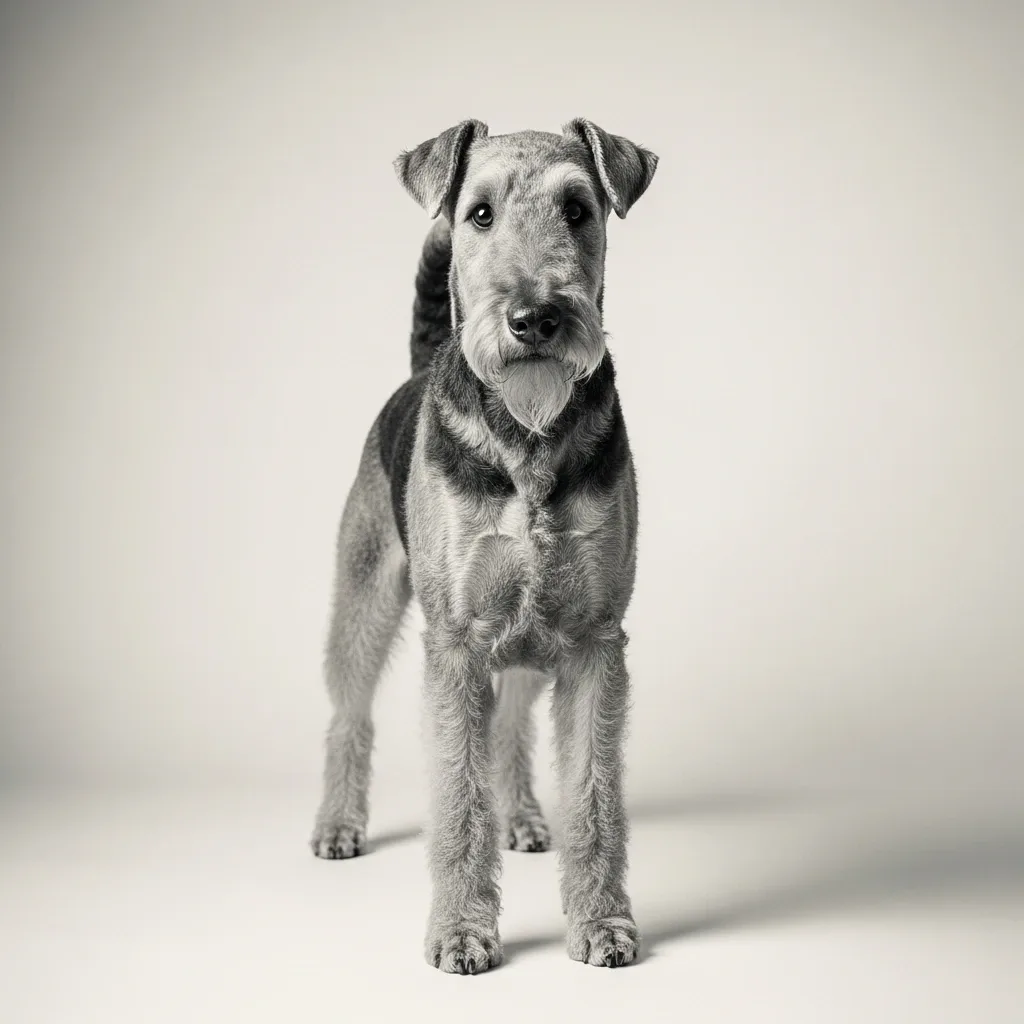
Airedale Terrier
The 'King of Terriers', the Airedale is the largest of all terrier breeds. They are brave, hardworking, and highly intelligent, making them excellent partners for active Kiwi families who love tramping and outdoor adventures.
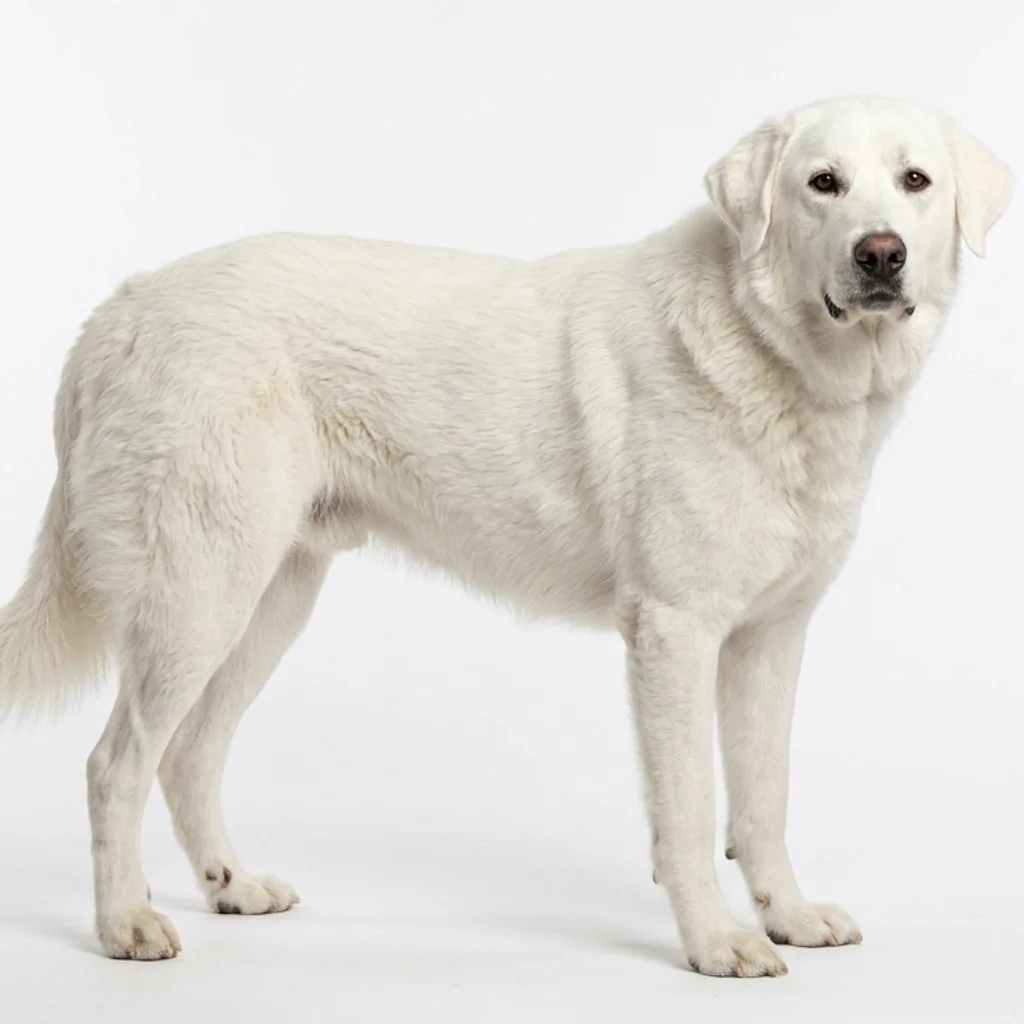
Akbash Dog
Originally a Turkish livestock guardian, the Akbash is a serious, protective, and independent breed. They are not suited for apartment living and thrive on large NZ lifestyle blocks where they can have a 'territory' to watch over.