Dog Breed Guide NZ
Puli
Famous for its truly unique corded coat, the Puli is an agile, energetic, and intelligent herding dog hailing from Hungary. These distinctive canines are renowned for their loyalty, making them excellent watchdogs and devoted family companions. Beyond their striking appearance, Pulis are highly intelligent and require consistent mental stimulation to thrive. Their playful nature and alertness mean they're always ready for an adventure or a puzzle to solve. In a Kiwi household, a Puli fits best with active families who can commit to their exercise needs and unique grooming routine. They are particularly well-suited to homes with a secure section where they can burn off energy, making them a vibrant addition to many New Zealand lifestyles.
Photo Gallery
Breed Snapshot
- Size
- Male: 13.5-16 kg; Female: 11-14 kg
- Lifespan
- 10-16 years
- Origin
- Being enriched
- Temperament
- Intelligent, energetic, loyal, alert, devoted, playful
- NZ Price
- $2,000 - $4,000 NZD from registered breeders; $150-$350 NZD adoption via SPCA
- Annual Vet Cost
- Estimated annual vet costs for a Puli in NZ range from $400 - $800 NZD. This includes routine check-ups, vaccinations, and parasite prevention (flea, tick, and worming treatments). Breed-specific health issues that may incur additional costs include screening for Hip Dysplasia, which can lead to arthritis later in life, and certain eye conditions such as Progressive Retinal Atrophy (PRA) and Persistent Pupillary Membranes (PPM). Regular dental care is also important. Owners should budget for potential specialist consultations or treatments if these genetic conditions manifest.
Personality Scores
NZ Lifestyle Fit
The Puli's suitability for different New Zealand living situations varies. For an apartment in Auckland, a Puli is generally not ideal due to their high energy levels and vocal nature. While possible with significant daily exercise and mental stimulation, the humid Auckland summers can also pose a challenge for their dense corded coat, requiring extra vigilance against matting and skin issues. A house with a secure section is a much better fit, providing ample space for them to run, play, and fulfil their exercise needs. Their alert nature makes them excellent watchdogs for suburban homes. For rural NZ farm life, Pulis are in their element; their herding instincts and robust coat are perfectly suited. However, owners must manage these instincts if the dog is not actively working. The Puli's thick coat provides excellent insulation for South Island cold winters, but they still need appropriate shelter. High UV levels across NZ mean owners should be mindful of sun exposure during prolonged outdoor activities. There are no specific MPI restrictions on Puli ownership in New Zealand, beyond standard import regulations for all dog breeds.
Origins & History
The Puli's history stretches back over a thousand years, originating in Hungary where they were indispensable working dogs for Magyar shepherds. These agile canines were primarily used for herding sheep, with their distinctive corded coats providing excellent protection against harsh weather and even predator bites. Their intelligence and agility made them adept at controlling flocks, often working alongside larger guard dogs like the Komondor. The Puli's unique coat also served as camouflage amongst the sheep, allowing them to blend in and surprise any lurking predators. While their numbers dwindled during the early 20th century, dedicated breeding efforts ensured the survival of this remarkable breed. Today, the Puli remains a beloved companion and a testament to its ancient herding heritage.
Appearance
The Puli is instantly recognisable by its dense, corded coat, which can reach the ground in mature dogs. These cords are naturally forming, akin to dreadlocks, and are a defining characteristic of the breed. The coat colours typically include black, rusty black, grey, and white. Beneath this impressive coat, the Puli is a medium-sized, sturdy dog with a compact, square build. Males typically weigh between 13.5-16 kg and stand around 42-45 cm at the shoulder, while females are slightly smaller, weighing 11-14 kg and standing 39-42 cm. They possess a lively, intelligent expression, often hidden behind their long facial cords. Their tail curls tightly over their back, adding to their distinctive silhouette. Despite their heavy coat, Pulis are surprisingly agile and light-footed, a legacy of their herding past.
Temperament & Personality
The Puli boasts a vibrant and engaging personality. They are highly intelligent, energetic, and possess a strong will, making them both a joy and a challenge to train. Their loyalty to their family is unwavering, and they form deep bonds with their human companions, often shadowing them around the house. Pulis are naturally alert and possess strong watchdog instincts, quick to bark at anything they perceive as unusual, making them excellent guardians of the home. Early socialisation is crucial to ensure they are well-adjusted and friendly towards strangers and other animals, as they can be reserved or suspicious if not properly introduced. They are devoted and playful, thriving on interaction and mental stimulation. Without adequate engagement, a Puli can become bored and potentially destructive. Their herding instincts can sometimes manifest as nipping at heels or attempting to 'herd' children or other pets, which requires consistent training and management.
Life in New Zealand
The Puli's adaptable nature and energetic spirit make them a good fit for many active Kiwi households. Their robust build and protective coat mean they cope well with New Zealand's varied climate, from the cooler South Island winters to the warmer North Island summers, provided their coat is properly managed. They thrive in homes where they can be an integral part of family life, enjoying outdoor adventures like walks on the beach (where permitted), exploring local reserves, or even short tramping excursions. Their intelligence means they excel in dog sports like agility, which are popular across New Zealand and offer excellent mental and physical outlets. While they can adapt to urban living, a Puli truly flourishes in a home with a secure, fenced section where they can run and play freely. Their watchdog tendencies are often appreciated, but their barking can be managed with consistent training.
Is This the Right Breed for You?
Bringing a Puli into your life is a significant commitment, but one that offers immense rewards for the right owner. They are not a low-maintenance breed, particularly concerning their unique grooming needs and high energy levels. Ideal owners are active individuals or families who can dedicate time to daily exercise, consistent training, and regular coat care. If you're looking for a couch potato, the Puli is not for you; they need mental challenges and physical activity to prevent boredom and destructive behaviours. Their strong watchdog instincts mean they will alert you to visitors, but this also requires managing their barking. Pulis thrive on companionship and do not do well when left alone for extended periods. If you're prepared for an intelligent, loyal, and energetic companion with a truly distinctive look, and you have the time and dedication to meet their needs, a Puli could be the perfect addition to your New Zealand home.
Fun Facts
Fact 1
The Puli's corded coat is naturally waterproof, providing excellent protection from the elements.
Fact 2
Pulis are renowned for their incredible jumping ability, often clearing fences with ease.
Fact 3
Their dense coat can make them look like a walking mop, a common and endearing comparison.
Fact 4
Historically, Hungarian shepherds would sometimes shave a Puli's coat in summer to keep them cool.
Fact 5
A Puli named 'King Timahoe' was a presidential pet in the White House during John F. Kennedy's administration.
Related Breeds
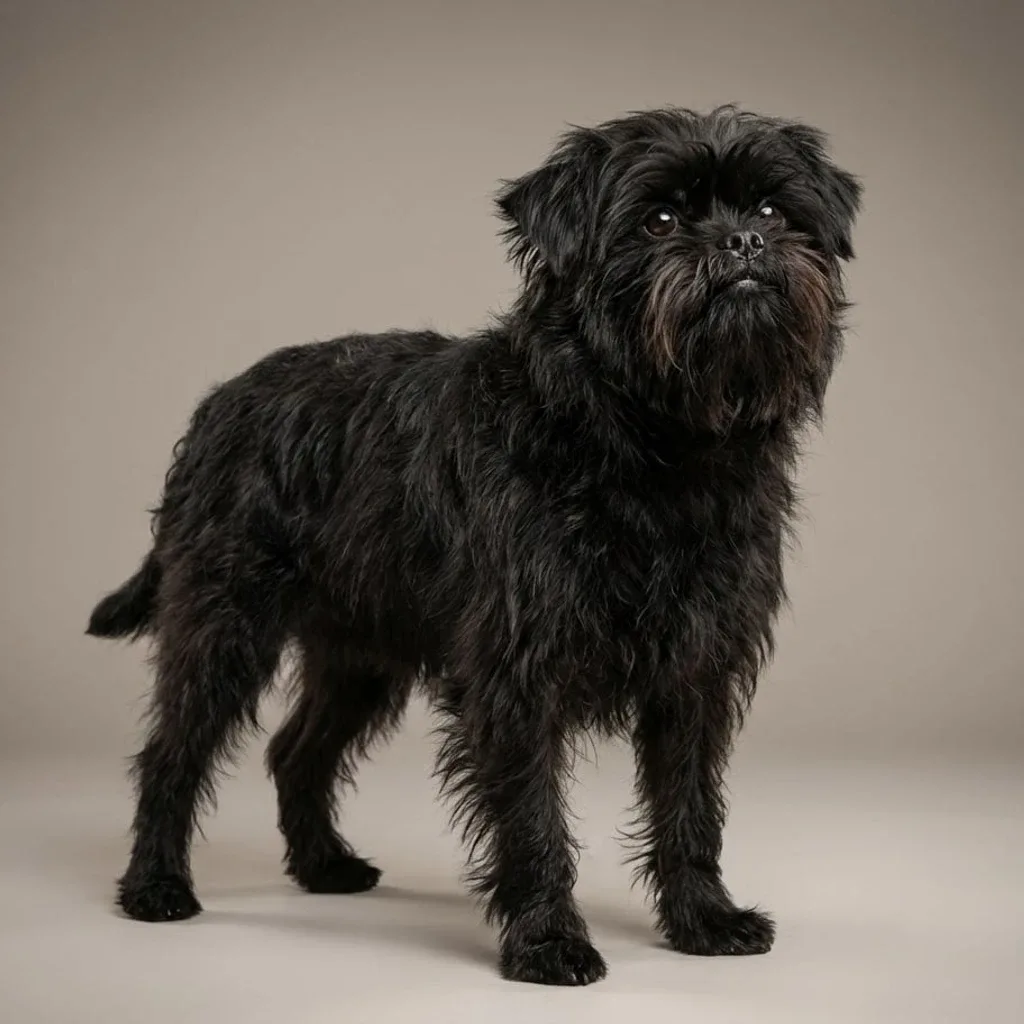
Affenpinscher
The Affenpinscher is a sturdy, monkey-like terrier-type toy breed known for its confidence and playful spirit. Despite its small size, it possesses a courageous heart and a loyal personality, making it a wonderful companion for Kiwi apartment dwellers or those with smaller sections.
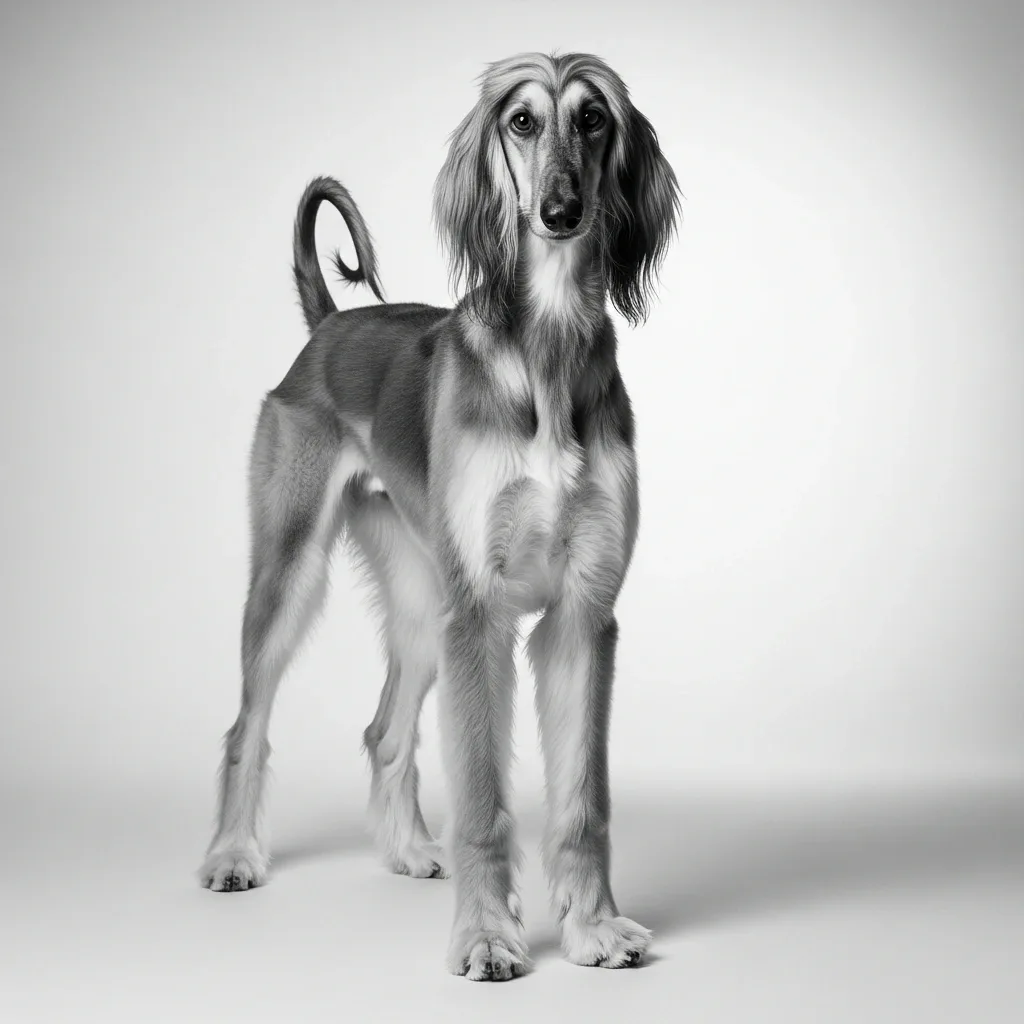
Afghan Hound
The Afghan Hound is an elegant aristocrat with a dignified and aloof personality. Known for its striking, silky coat, this breed is a high-maintenance beauty that requires ample space to run and an owner dedicated to its complex grooming needs.
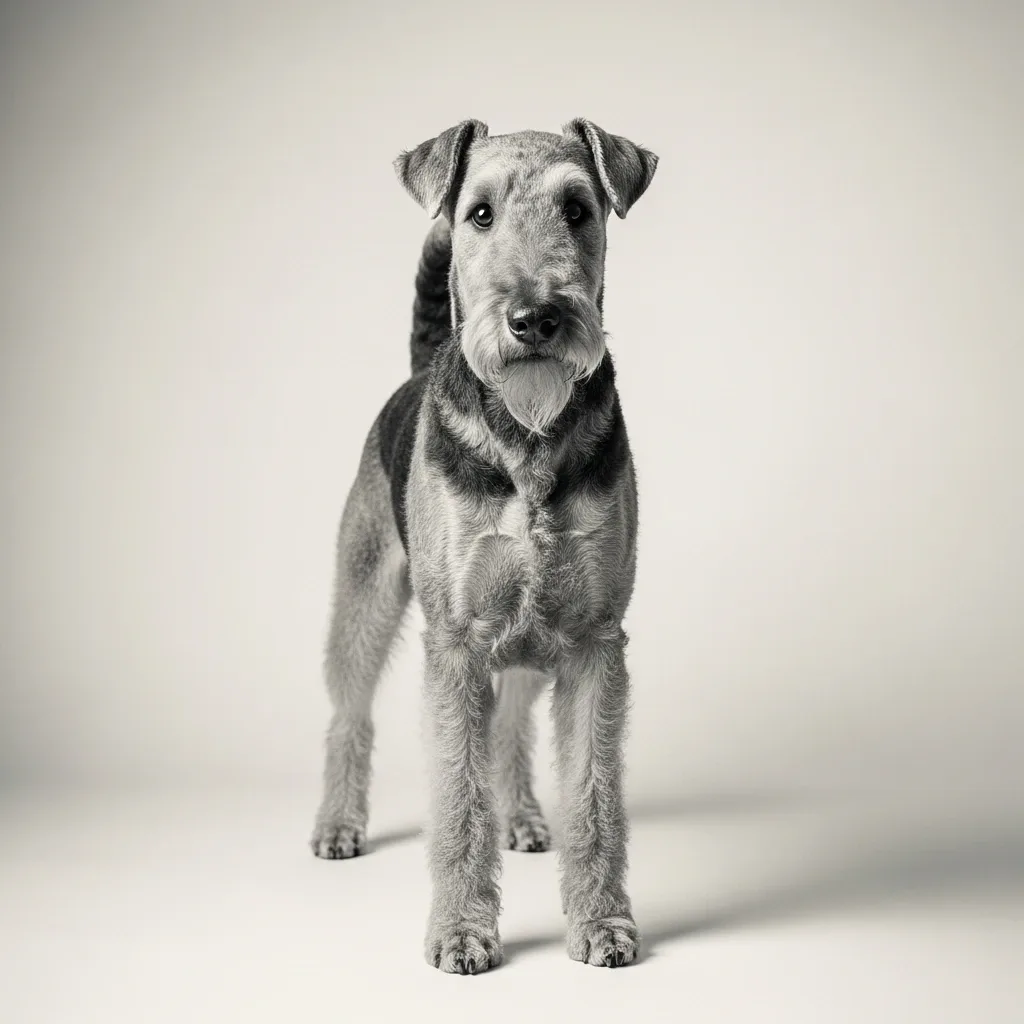
Airedale Terrier
The 'King of Terriers', the Airedale is the largest of all terrier breeds. They are brave, hardworking, and highly intelligent, making them excellent partners for active Kiwi families who love tramping and outdoor adventures.
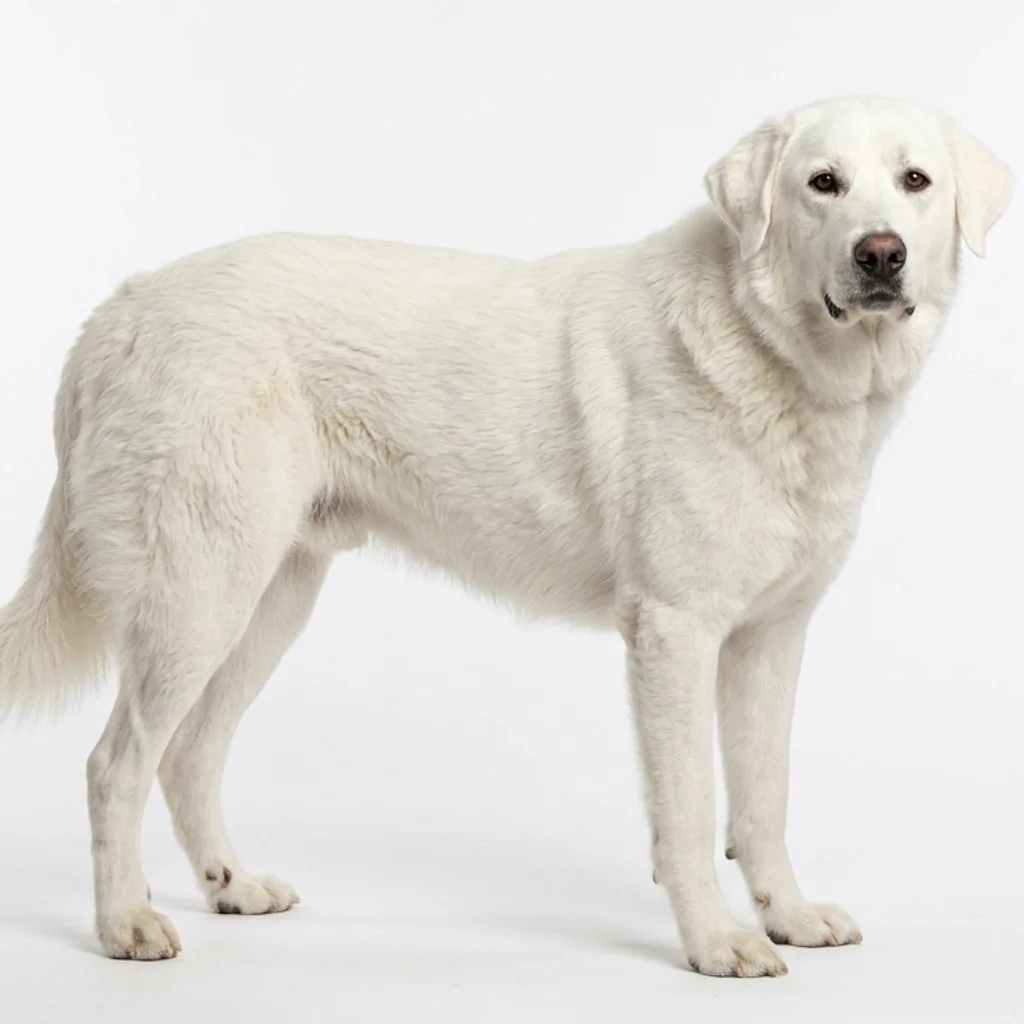
Akbash Dog
Originally a Turkish livestock guardian, the Akbash is a serious, protective, and independent breed. They are not suited for apartment living and thrive on large NZ lifestyle blocks where they can have a 'territory' to watch over.