Dog Breed Guide NZ
Poodle (Toy)
The Toy Poodle is a pint-sized package of intelligence and elegance, offering all the charm of its larger relatives in a compact form. Renowned for their sharp minds and keen alertness, these dedicated lap dogs are incredibly smart and quick to learn, making them a joy to train. Their confident and playful nature, combined with unwavering affection and loyalty, ensures they quickly become cherished members of any whānau. With their minimal shedding coat and adaptable temperament, Toy Poodles are perfectly suited for modern Kiwi apartment living, thriving on companionship and mental stimulation rather than vast outdoor spaces. They are truly a sophisticated companion for any New Zealand home.
Photo Gallery
Breed Snapshot
- Size
- 1.8-2.7 kg
- Lifespan
- 10-18 years
- Origin
- Being enriched
- Temperament
- Intelligent, alert, confident, playful, affectionate, loyal, outgoing
- NZ Price
- $2,000 - $4,000 NZD from registered breeders; $150-$350 NZD adoption via SPCA
- Annual Vet Cost
- Estimated annual vet costs for a Toy Poodle in NZ can range from $400 - $800 NZD for routine care (vaccinations, flea/worm treatments, annual check-ups). However, this can increase significantly if breed-specific health issues arise. Common concerns include Patellar Luxation (dislocating kneecap), which might require surgery costing $1,500 - $4,000 per knee. Progressive Retinal Atrophy (PRA), an eye condition, can lead to blindness, with diagnostic tests costing $300-$800. Legg-Calve-Perthes disease, affecting the hip joint, may also require surgery ($2,000 - $5,000). Dental issues are prevalent in small breeds, with professional dental cleaning often costing $300 - $700 NZD, potentially more if extractions are needed. Regular vet check-ups are crucial for early detection.
Personality Scores
NZ Lifestyle Fit
The Toy Poodle is exceptionally well-suited for various New Zealand living situations. For those in an Auckland apartment, their small size, minimal exercise needs, and non-shedding coat make them an ideal flatmate. During Auckland's humid summers, their curly coat requires diligent grooming to prevent matting and keep them comfortable; ensure access to cool, shaded areas. If you have a house with a section, a Toy Poodle will enjoy the outdoor space for supervised play, but a large section isn't necessary. Secure fencing is crucial, as their curiosity can lead them to explore. For rural New Zealand farm life, while not a working dog, they can thrive as a companion, though owners must be vigilant about leptospirosis risks, especially near water sources or livestock. In the South Island's cold winters, their fine coat means they'll need warm indoor spaces and possibly a dog coat for outdoor excursions. High UV levels across NZ mean lighter-coloured Poodles may need sun protection for their nose and ears. MPI has no specific restrictions on owning Toy Poodles in New Zealand.
Origins & History
The Poodle's exact origins are a subject of debate, with both Germany and France laying claim to its heritage. What is certain is that the breed was originally developed as a water retriever, with its distinctive curly coat providing insulation and its athletic build making it an excellent swimmer. The name "Poodle" likely comes from the German word "Pudel," meaning "to splash in water." Over centuries, the breed's intelligence and elegant appearance led to its popularity among European nobility. The Poodle was eventually bred down in size from the Standard to the Miniature, and then to the even smaller Toy Poodle, to serve as companions for the wealthy, often carried in sleeves or laps. Despite their delicate appearance, Toy Poodles retain the working dog's intelligence and athleticism, albeit on a much smaller scale. They have long been cherished in New Zealand homes for their charm and adaptability, fitting seamlessly into various Kiwi lifestyles.
Appearance
The Toy Poodle is the smallest of the three Poodle varieties recognised by the New Zealand Kennel Club (NZKC), typically weighing between 1.8 to 2.7 kilograms and standing no taller than 28 centimetres at the shoulder. They possess an elegant and proud carriage, with a distinctive square build and a long, graceful neck. Their most defining feature is their dense, curly, non-shedding coat, which comes in a vast array of solid colours including black, white, silver, apricot, cream, and brown. This unique coat requires regular grooming but is a boon for allergy sufferers. Their dark, intelligent eyes and alert expression convey their keen mind and lively personality. Despite their small stature, they move with a springy, confident gait, reflecting their inherent self-assurance.
Temperament & Personality
Toy Poodles are celebrated for their exceptional intelligence, often ranking among the smartest dog breeds. This makes them highly trainable and eager to please, excelling in obedience and various dog sports. They are incredibly alert and make surprisingly good watchdogs, quick to bark at anything unusual, though their size limits their effectiveness beyond an alarm system. Their temperament is a delightful mix of confidence, playfulness, and profound affection. They thrive on human companionship and are known for their loyalty, often forming strong bonds with their primary caregivers. Outgoing and sociable, Toy Poodles generally get along well with children and other pets, provided they are properly socialised from a young age. They enjoy being the centre of attention and will happily engage in games or simply cuddle on the couch, making them wonderful companions for individuals and families alike.
Life in New Zealand
Toy Poodles are wonderfully suited to life in New Zealand, particularly for those living in urban or suburban environments. Their small size and moderate exercise needs mean they adapt exceptionally well to apartment living or homes with smaller sections. They are not demanding of vast outdoor spaces, preferring the comfort and companionship of their human family indoors. Their non-shedding coat is a significant advantage in a country where many suffer from allergies, and their intelligence makes them easy to integrate into a busy Kiwi household. Whether it's a stroll along a local footpath, a visit to a dog-friendly café, or a quiet evening at home, the Toy Poodle is a versatile and loving companion that fits well into the relaxed New Zealand pace of life. They are robust little dogs that can handle the varied New Zealand climate, though care must be taken in extreme heat or cold.
Is This the Right Breed for You?
The Toy Poodle is an excellent choice for individuals or families seeking an intelligent, affectionate, and relatively low-shedding companion. Their trainability makes them suitable for first-time dog owners, provided they are committed to consistent positive reinforcement. They thrive on mental stimulation and human interaction, so they are not a breed that can be left alone for long periods. If you're looking for a dedicated lap dog that can also impress with its cleverness and playful antics, the Toy Poodle might be your perfect match. However, be prepared for their significant grooming requirements and the need for early socialisation to ensure they grow into well-adjusted adults. They are a long-lived breed, offering many years of joy and companionship, making them a truly rewarding addition to any New Zealand home.
Fun Facts
Fact 1
Toy Poodles were originally bred down from larger Poodles, which were water retrievers, hence their name from the German 'Pudel' meaning 'to splash in water'.
Fact 2
Despite their elegant appearance, Poodles are one of the most intelligent dog breeds, often ranking in the top tier for trainability and problem-solving.
Fact 3
Their distinctive curly coat is considered hypoallergenic because it sheds minimally, trapping dander and making them a popular choice for allergy sufferers.
Fact 4
The iconic 'Poodle clip' with shaved areas and pom-poms was originally functional, designed to protect vital organs in cold water while allowing free movement for swimming.
Fact 5
Toy Poodles are known for their longevity, often living well into their teens, with some reaching nearly 20 years of age, offering many years of companionship.
Related Breeds
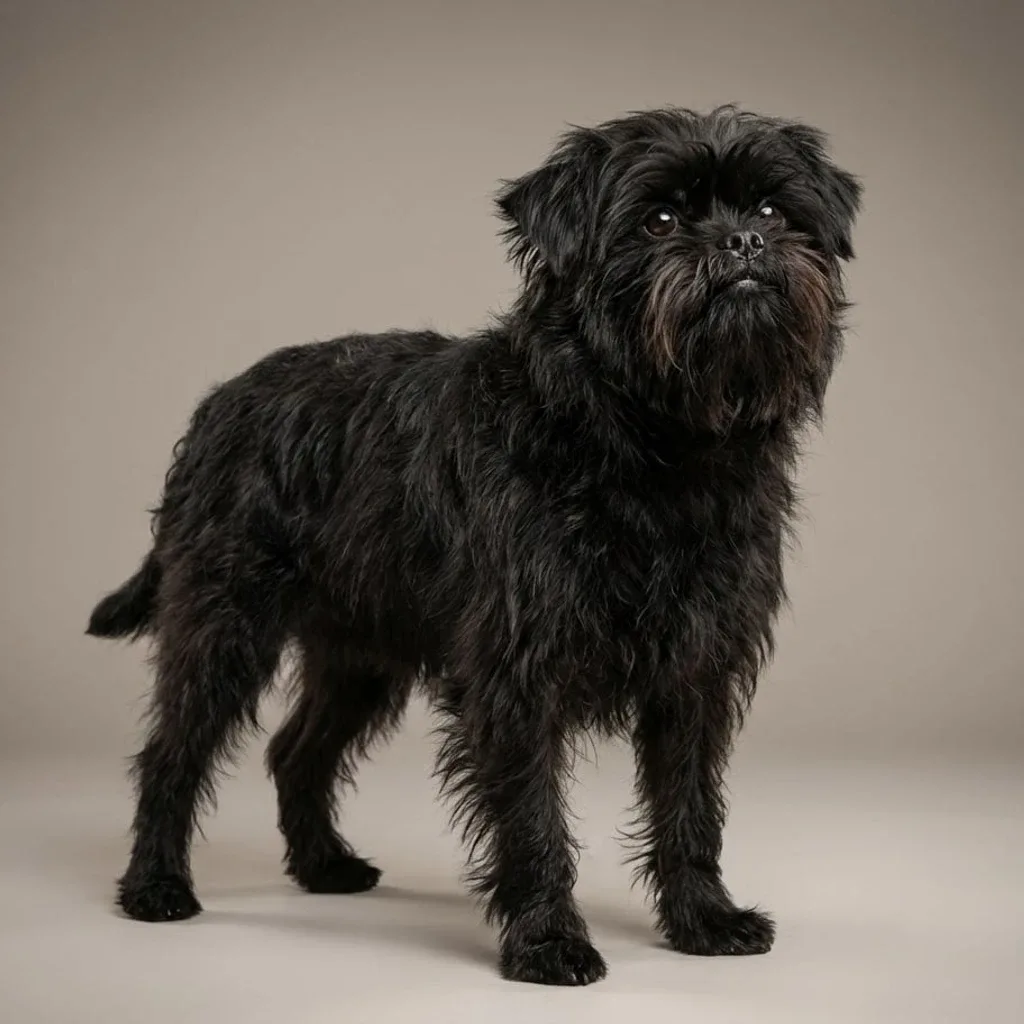
Affenpinscher
The Affenpinscher is a sturdy, monkey-like terrier-type toy breed known for its confidence and playful spirit. Despite its small size, it possesses a courageous heart and a loyal personality, making it a wonderful companion for Kiwi apartment dwellers or those with smaller sections.
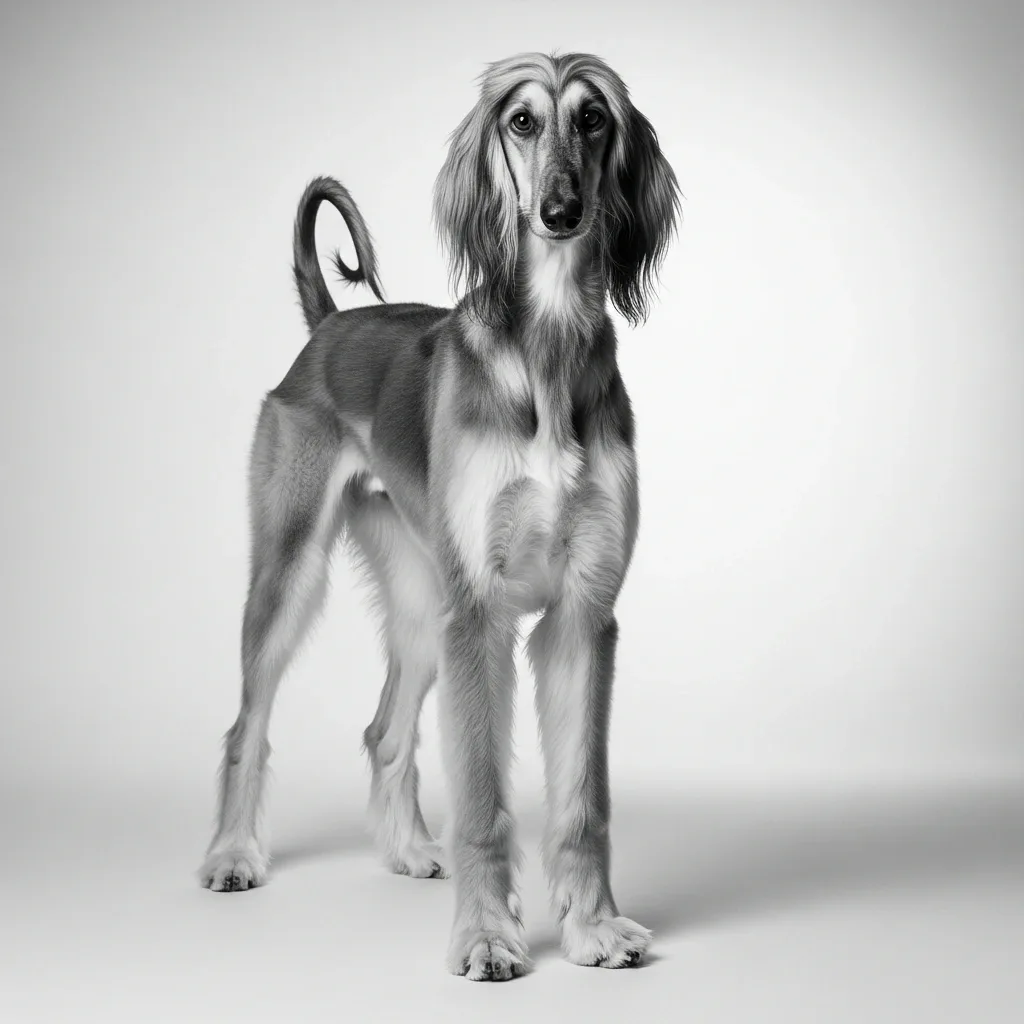
Afghan Hound
The Afghan Hound is an elegant aristocrat with a dignified and aloof personality. Known for its striking, silky coat, this breed is a high-maintenance beauty that requires ample space to run and an owner dedicated to its complex grooming needs.
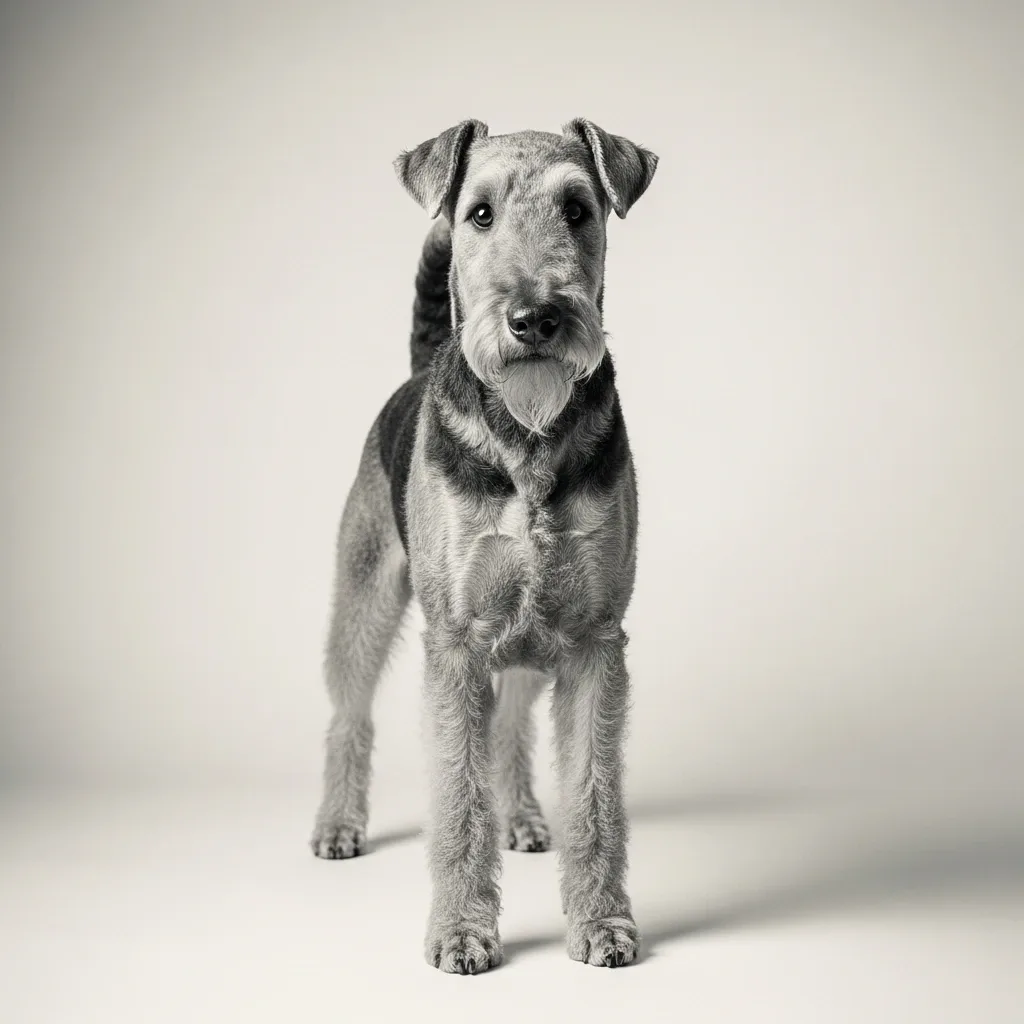
Airedale Terrier
The 'King of Terriers', the Airedale is the largest of all terrier breeds. They are brave, hardworking, and highly intelligent, making them excellent partners for active Kiwi families who love tramping and outdoor adventures.
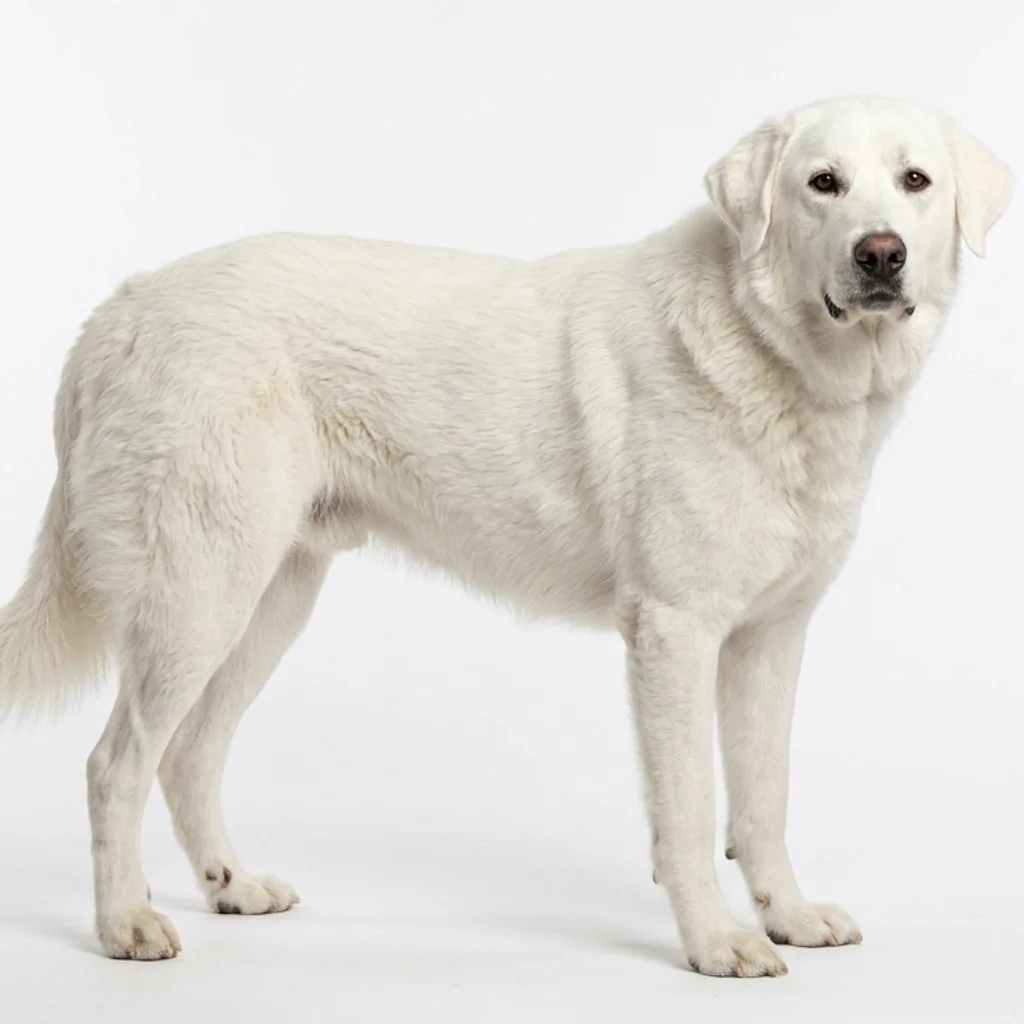
Akbash Dog
Originally a Turkish livestock guardian, the Akbash is a serious, protective, and independent breed. They are not suited for apartment living and thrive on large NZ lifestyle blocks where they can have a 'territory' to watch over.