Dog Breed Guide NZ
Pomsky
The Pomsky is a striking cross between a Siberian Husky and a Pomeranian, capturing a miniature wolf-like look. High-spirited, intelligent, and vocal, they are active dogs requiring experienced handling and dedicated grooming.
Photo Gallery
Breed Snapshot
- Size
- Toy: 3–7 kg; Standard: 7–15 kg
- Lifespan
- 12–15 years
- Origin
- United States
- Temperament
- Energetic, playful, intelligent, vocal, stubborn, loyal, alert
- NZ Price
- $2,500 – $5,000+ NZD from specialized breeders (prices are high due to mandatory veterinary costs for Artificial Insemination); $150 – $450 NZD via rescues such as the SPCA.
- Annual Vet Cost
- Routine annual veterinary care (check-ups, vaccinations, parasite prevention) costs roughly $500 – $1,000 NZD. Breed-specific risks include patellar luxation (knee surgery $2,500 – $5,000+ NZD) and hip dysplasia (hip surgery $4,000 – $10,000+ NZD). Breeding F1 generations requires expensive veterinary AI procedures ($2,000 – $4,000+ NZD per attempt).
Personality Scores
NZ Lifestyle Fit
Pomskies are best suited to active New Zealand households with secure yards. They are generally not recommended for apartments or close-density townhouses due to their potential for loud alert barking and expressive howling. Their thick double coat means they tolerate cold South Island winters exceptionally well, but they can easily overheat in hot, humid North Island summers, requiring shaded rest areas and indoor cooling. Because of their strong escape instincts, backyards must have secure, tall fencing (at least 1.8m) with concrete footings or dig-guards.
Origins & History
The Pomsky is a relatively recent designer crossbreed that originated in the United States around 2012. It was created by crossing a Siberian Husky with a Pomeranian, aiming to capture the striking, wolf-like appearance of the Husky in a smaller, more manageable companion dog. In New Zealand, the breed has gained popularity as a novelty designer pet, particularly among those who admire the Nordic look but cannot accommodate a full-sized working sled dog.
However, prospective Kiwi owners must understand the breeding realities: because of the significant size difference between the male Pomeranian (sire) and the female Siberian Husky (dam), natural mating is physically impossible and dangerous. Therefore, F1 generation Pomskies must be conceived via veterinary-performed Artificial Insemination (AI), with the Husky always acting as the mother to prevent life-threatening birth complications. This high-tech veterinary requirement makes the breeding process complex and exceptionally expensive.
Crossbreed Reality & Genetic Unpredictability
As a hybrid cross, the Pomsky is not recognized as a standardized breed by Dogs New Zealand, and there is no uniform breed standard. The genetic outcome of crossing a Husky and a Pomeranian is highly unpredictable. While marketing campaigns often showcase tiny, perfectly marked "micro-wolves," the reality is that F1 puppies show massive variation. A Pomsky puppy can grow to be much larger than expected — frequently reaching 10 to 15 kg — and may not display the coveted blue eyes or Siberian coat markings. Temperament is equally variable: a puppy may inherit the independent, roaming nature of the Husky rather than the biddable, lapdog traits of the Pomeranian.
Coat Types, Heavy Shedding & Grooming Realities
Prospective owners must look past claims that Pomskies are low-shedding or hypoallergenic. They are heavy shedders. Most Pomskies inherit the thick, dense double coat of the Siberian Husky, consisting of a straight outer coat and a soft, dense undercoat.
Grooming is a major commitment:
- Regular Maintenance: The coat requires thorough brushing with an undercoat rake and slicker brush at least two to three times a week to prevent tangles and remove dead hair.
- Seasonal Coat Blows: Twice a year, as the seasons change, Pomskies undergo a major "coat blow" where the entire undercoat sheds in large clumps over several weeks. During this period, daily brushing is mandatory, and professional deshedding baths are highly recommended to manage the volume of hair.
Because of their dense coats, they are not suitable for households with dog allergies and require a significant investment in quality grooming tools and professional services.
Temperament, Energy & Escape Tendencies
Pomskies are highly energetic, intelligent, and vocal dogs. They possess a high work drive from the Husky lineage and a bold, alert curiosity from the Pomeranian. They are affectionate companions but need structured daily outlets.
A defining trait is that they are not quiet dogs; they frequently combine the Pomeranian's alert barking with the Siberian Husky's expressive howling, yodelling, and vocal protests.
Furthermore, they inherit the Husky's strong prey drive and escape instinct. Pomskies are natural escape artists, capable of digging under fences or scaling low barriers if they become bored. They require a highly secure backyard and should never be trusted off-leash in unsecured areas, as their recall is notoriously unreliable when they spot a scent or a small animal. Early socialization and patience-based positive training are essential to manage these behaviors.
For more details on adopting dogs and puppies in New Zealand, visit the SPCA New Zealand guide.
Fun Facts
Fact 1
Most F1 generation Pomskies must be bred using veterinary Artificial Insemination because of the physical size difference between the Pomeranian sire and Husky dam.
Fact 2
They are exceptionally vocal dogs, known for yodelling, yapping, yip-howling, and talking back to their owners when excited.
Fact 3
Pomskies undergo a massive 'coat blow' twice a year, shedding their entire dense undercoat in large clumps over a few weeks.
Fact 4
Their adult size is highly unpredictable; while some remain small, others can grow to a medium-sized 15 kg dog.
Fact 5
They are supreme escape artists, capable of digging under fences or climbing low obstacles if left bored in a yard.
Related Breeds
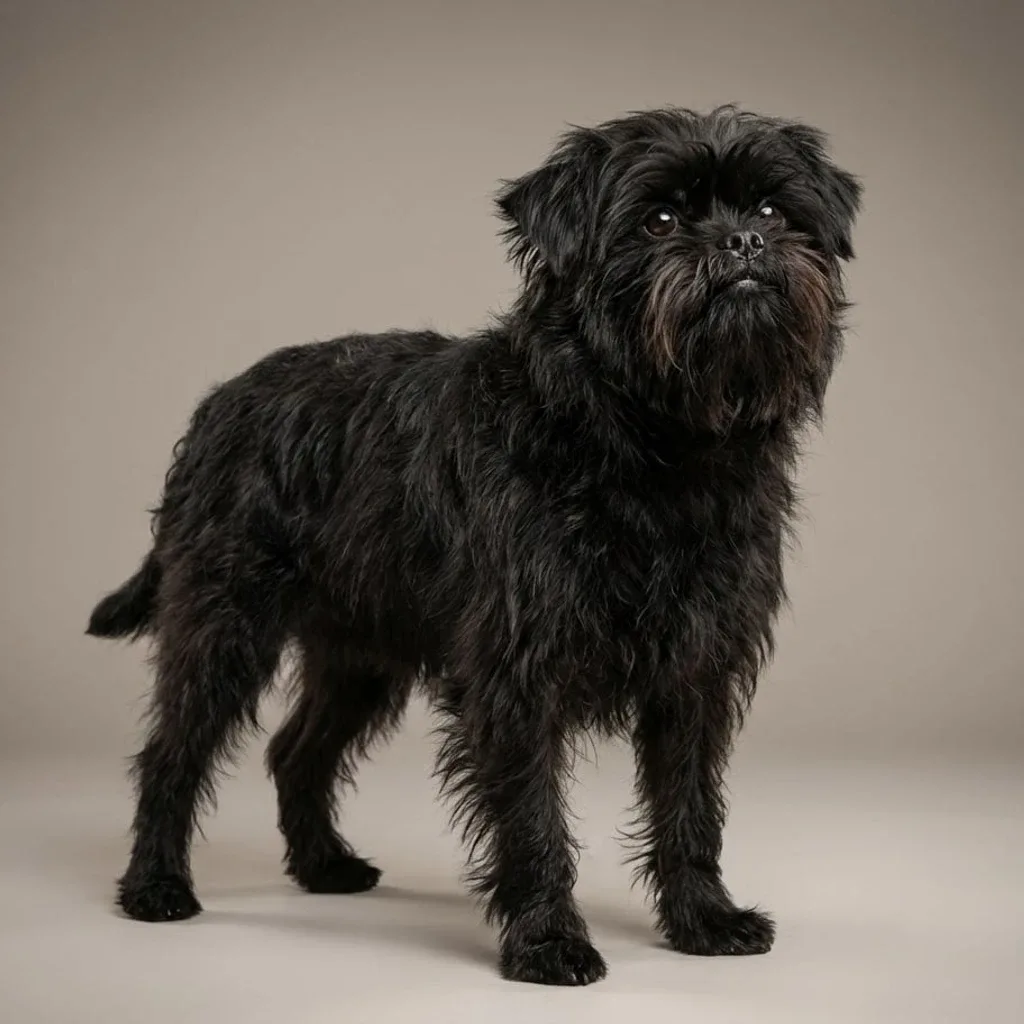
Affenpinscher
The Affenpinscher is a sturdy, monkey-like terrier-type toy breed known for its confidence and playful spirit. Despite its small size, it possesses a courageous heart and a loyal personality, making it a wonderful companion for Kiwi apartment dwellers or those with smaller sections.
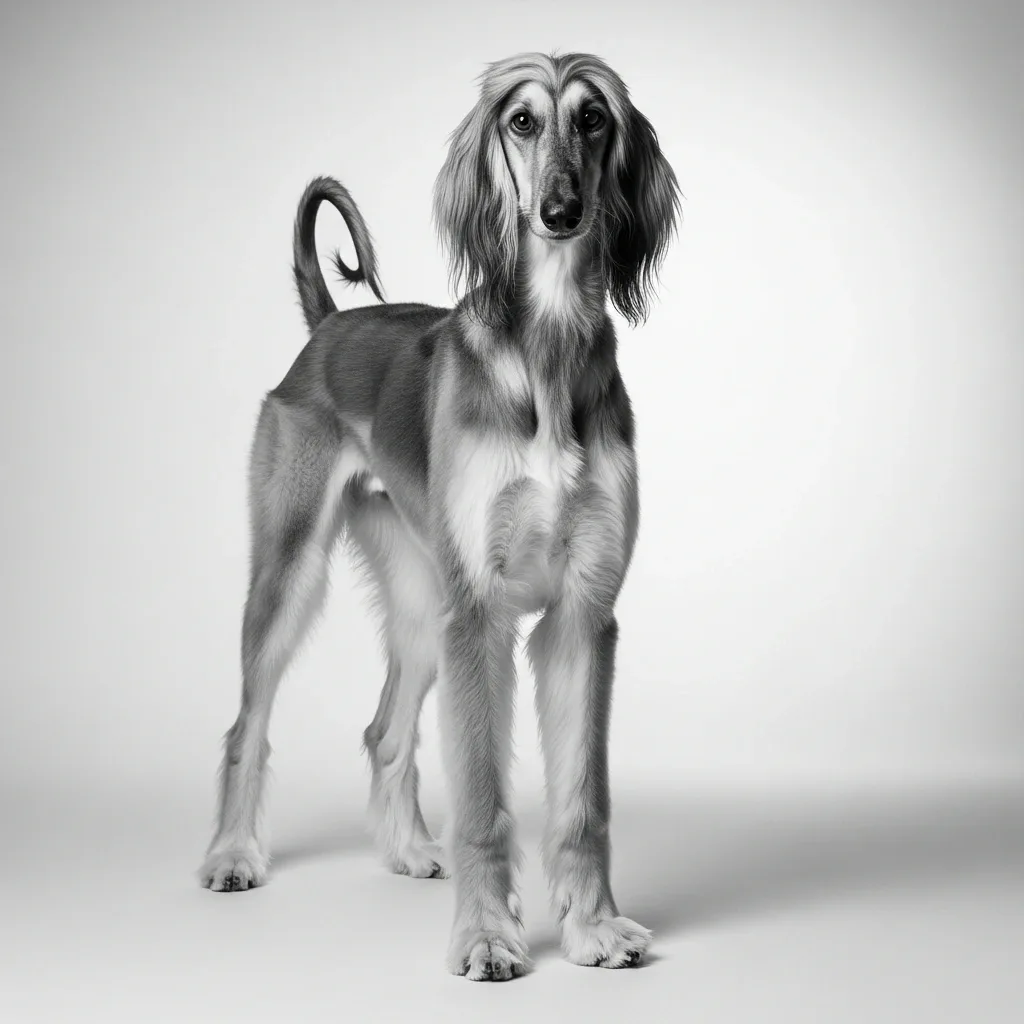
Afghan Hound
The Afghan Hound is an elegant aristocrat with a dignified and aloof personality. Known for its striking, silky coat, this breed is a high-maintenance beauty that requires ample space to run and an owner dedicated to its complex grooming needs.
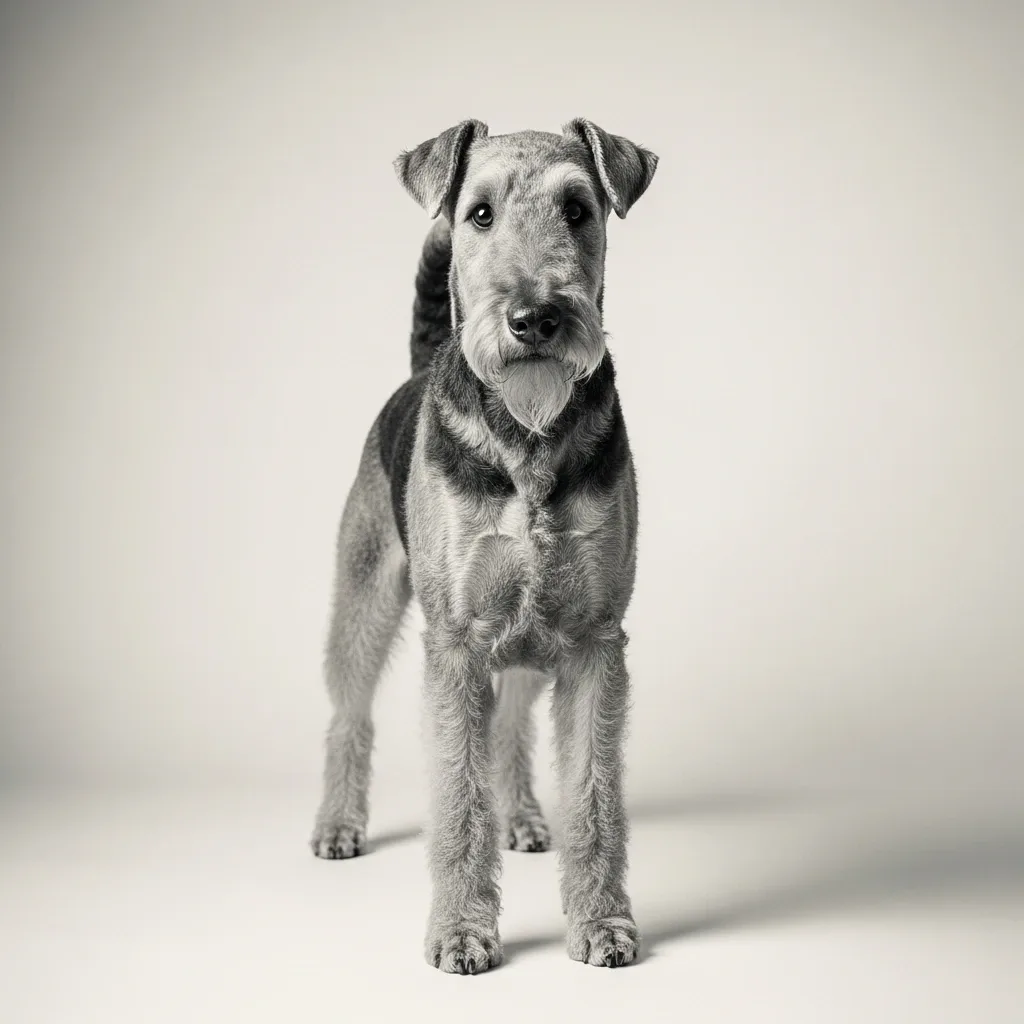
Airedale Terrier
The 'King of Terriers', the Airedale is the largest of all terrier breeds. They are brave, hardworking, and highly intelligent, making them excellent partners for active Kiwi families who love tramping and outdoor adventures.
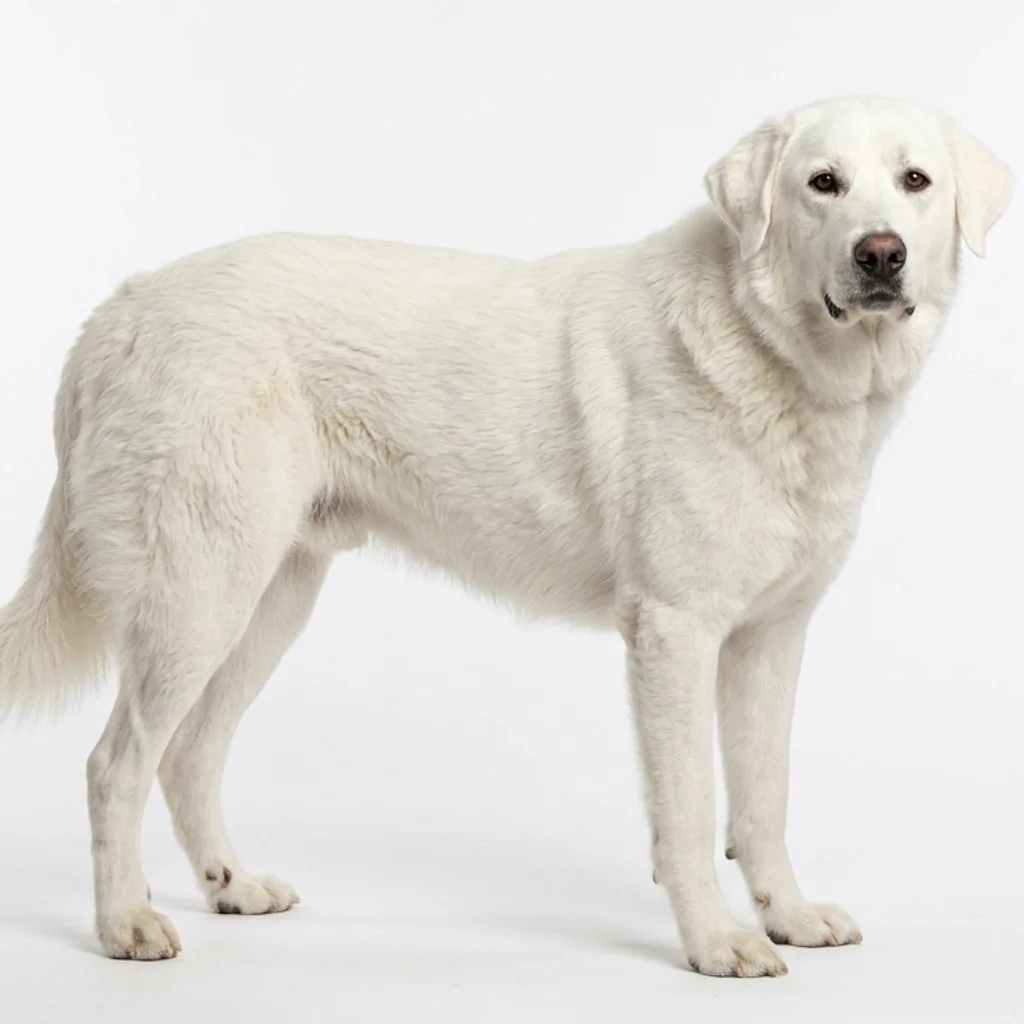
Akbash Dog
Originally a Turkish livestock guardian, the Akbash is a serious, protective, and independent breed. They are not suited for apartment living and thrive on large NZ lifestyle blocks where they can have a 'territory' to watch over.