Dog Breed Guide NZ
Pointer
The Pointer is a quintessential athletic hunter, renowned for its tireless work ethic and genuinely friendly nature. With exceptional intelligence and incredible stamina, these dogs are not just superb gundogs but also devoted family companions. Their sleek, muscular build and distinctive 'pointing' stance make them instantly recognisable. Pointers thrive on activity and mental stimulation, forming strong bonds with their human pack. In New Zealand, their robust health and love for the outdoors make them ideal tramping partners, capable of keeping pace on our diverse trails and enjoying the vast open spaces of a Kiwi lifestyle, provided they get ample exercise and engagement.
Photo Gallery
Breed Snapshot
- Size
- 20-34 kg
- Lifespan
- 12-15 years
- Origin
- Being enriched
- Temperament
- The Pointer has an even temperament and alert good sense, making it a congenial companion in the field and at home. It should be dignified, trainable and never timid, with enough energy for serious daily exercise.
- NZ Price
- $1,500 - $3,500 NZD from registered breeders; $150-$350 NZD adoption via SPCA
- Annual Vet Cost
- Estimated annual vet costs for a Pointer in NZ range from $600 - $1,200 NZD. This includes routine check-ups, vaccinations, flea/worm treatments, and potential costs for breed-specific health issues such as hip and elbow dysplasia, progressive retinal atrophy (PRA), and bloat (gastric dilatation-volvulus). Regular preventative care can help manage these conditions.
Personality Scores
NZ Lifestyle Fit
Pointers are high-energy dogs that thrive in active environments. An apartment in Auckland would be challenging unless the owner is extremely committed to daily, extensive exercise, including runs or long walks around parks like Cornwall Park or along coastal paths. A house with a good-sized, securely fenced section is far more suitable, allowing them space to run and play. Rural NZ farms or lifestyle blocks are ideal, providing ample room for them to explore and expend energy, potentially even engaging in gundog work. Auckland's humid summers can be warm for Pointers, so ensure access to shade and fresh water, and avoid peak heat exercise. South Island cold winters are generally manageable for their short coats with appropriate shelter and perhaps a dog coat for prolonged outdoor exposure. New Zealand's high UV index means sun protection is crucial for Pointers, especially those with lighter coats or pink skin, to prevent sunburn and reduce skin cancer risk. There are no specific MPI restrictions on owning a Pointer in New Zealand.
Origins & History
The Pointer's history is deeply rooted in the pursuit of game birds, with its development largely attributed to 17th-century England. While its exact lineage is debated, it's believed to have descended from various European pointing breeds, including Spanish Pointers, French Pointers, and possibly even Foxhounds and Greyhounds, contributing to its speed, stamina, and keen scenting ability. The breed was meticulously refined to 'point' – to stand motionless, indicating the location of game birds with its nose – a crucial skill for hunters before the advent of modern firearms. This distinctive behaviour, combined with their incredible athleticism and endurance, quickly established them as premier gundogs. Over centuries, Pointers have maintained their reputation as tireless workers in the field, while simultaneously evolving into cherished family pets, admired for their amiable disposition and striking appearance.
Appearance
The Pointer is a dog of noble and athletic bearing, built for speed and endurance. They typically stand between 61-71 cm at the shoulder and weigh 20-34 kg, with males generally larger than females. Their coat is short, dense, and smooth, lying close to the body, offering some protection from the elements while being low maintenance. Common coat colours include lemon and white, orange and white, liver and white, and black and white, often with ticking or solid colours. Their head is distinctive, with a slightly dished face, a prominent stop, and a broad muzzle. Their eyes are usually dark and expressive, conveying intelligence and eagerness. The Pointer's most iconic feature is its powerful, muscular body, culminating in a strong, whip-like tail that is carried level with the back when working. Their overall appearance is one of grace, power, and purpose, perfectly reflecting their heritage as a working gundog.
Temperament & Personality
Beneath their serious working exterior, Pointers possess a wonderfully friendly and affectionate temperament. They are known for being exceptionally intelligent, eager to please, and highly trainable, though their independent streak and high energy levels require consistent, positive reinforcement training from a young age. Pointers are generally good with children, displaying patience and a playful nature, making them excellent family dogs. They typically get along well with other dogs, especially if socialised early. However, their strong prey drive, honed over centuries of hunting, means they may not be suitable for homes with small pets like cats or rabbits unless raised with them from puppyhood. They thrive on human companionship and can become bored or destructive if left alone for extended periods without adequate physical and mental stimulation. A Pointer's ideal home is one where they are an integral part of family activities and have plenty of opportunities to exercise their bodies and minds.
Life in New Zealand
For active Kiwis, the Pointer is an exceptional companion. Their incredible stamina and love for the outdoors make them perfect for New Zealand's diverse landscapes. Whether it's a long tramp in the bush, a run along a sandy beach, or exploring one of our many dog-friendly reserves, a Pointer will be in its element. Their short coat is well-suited to our climate, though care must be taken in extreme heat or cold. They adapt well to homes with a securely fenced section where they can burn off some energy. Many Pointers in New Zealand excel in various dog sports, including agility, obedience, and scent work, which provide crucial mental stimulation. Their friendly nature also means they are generally well-received in public spaces, provided they are well-trained and socialised. Pointers truly embody the spirit of adventure that many New Zealanders cherish, making them fantastic partners for an active, outdoor-oriented lifestyle.
Is This the Right Breed for You?
The Pointer is an ideal breed for individuals or families who lead an active lifestyle and are prepared to commit to significant daily exercise and mental engagement. They are not suited for sedentary homes or apartment living unless their owners are extremely dedicated to providing multiple long walks, runs, or off-leash play sessions daily. First-time dog owners might find their energy and intelligence a challenge, but with consistency and patience, they are highly rewarding. Owners should be prepared for their strong prey drive and ensure secure fencing. If you're looking for a loyal, intelligent, and energetic companion to join you on your New Zealand adventures, from beach runs to tramping tracks, and you can provide the necessary commitment to training, exercise, and companionship, then a Pointer could be the perfect addition to your whānau.
Fun Facts
Fact 1
The Pointer's distinctive 'pointing' stance is an instinctive behaviour, where they freeze and indicate game with their nose and body.
Fact 2
They are often called 'the aristocrats of the dog world' due to their elegant appearance and noble bearing.
Fact 3
Pointers have an incredibly keen sense of smell, making them excellent at scent work beyond just hunting.
Fact 4
Despite their hunting prowess, Pointers are known for being gentle and affectionate family pets.
Fact 5
The breed's short coat helps them regulate body temperature, making them efficient hunters in various climates.
Related Breeds
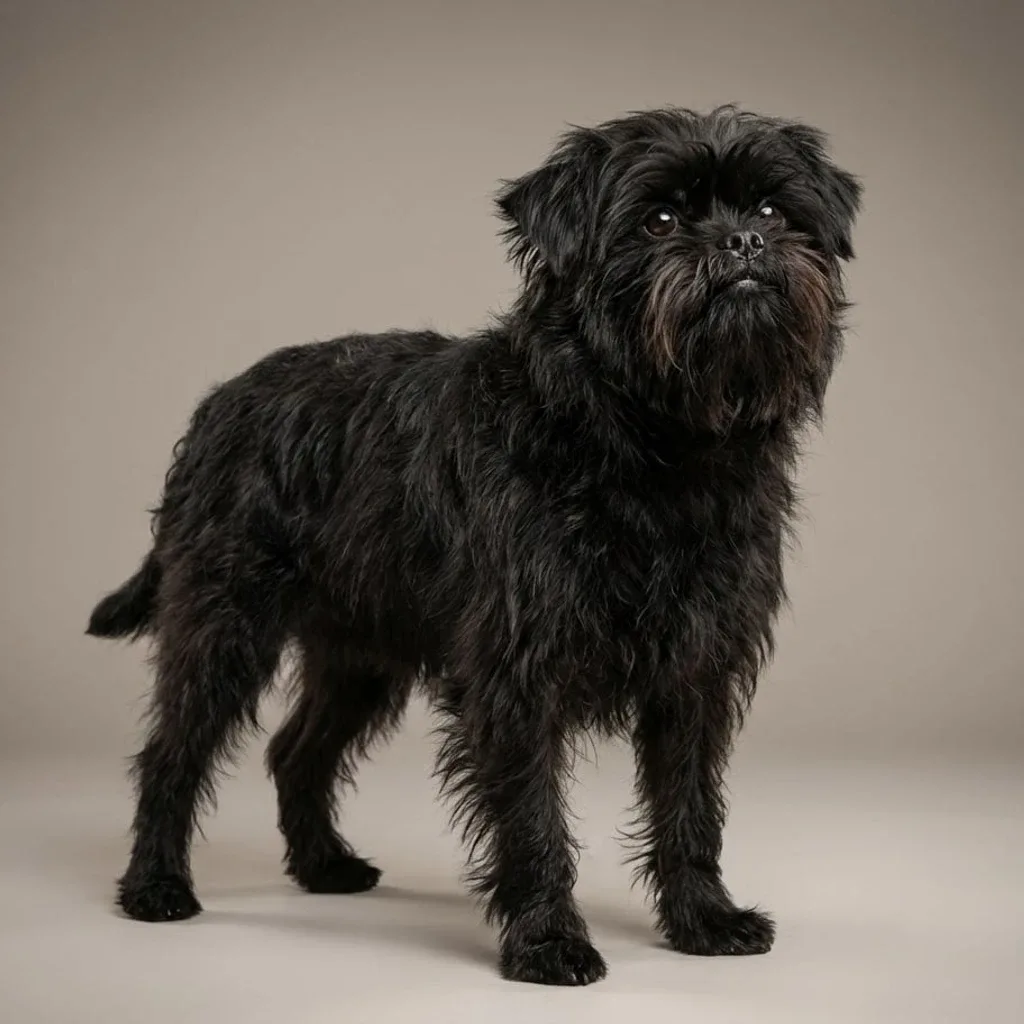
Affenpinscher
The Affenpinscher is a sturdy, monkey-like terrier-type toy breed known for its confidence and playful spirit. Despite its small size, it possesses a courageous heart and a loyal personality, making it a wonderful companion for Kiwi apartment dwellers or those with smaller sections.
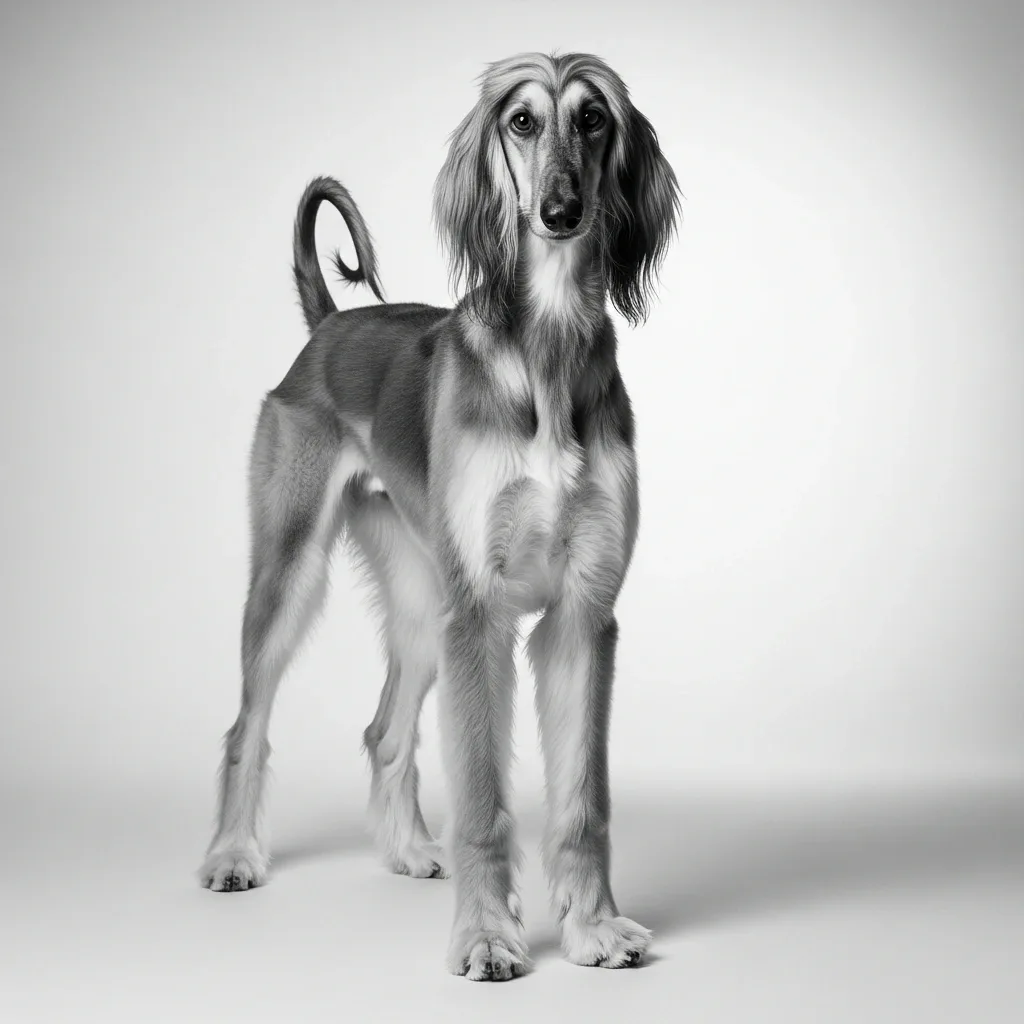
Afghan Hound
The Afghan Hound is an elegant aristocrat with a dignified and aloof personality. Known for its striking, silky coat, this breed is a high-maintenance beauty that requires ample space to run and an owner dedicated to its complex grooming needs.
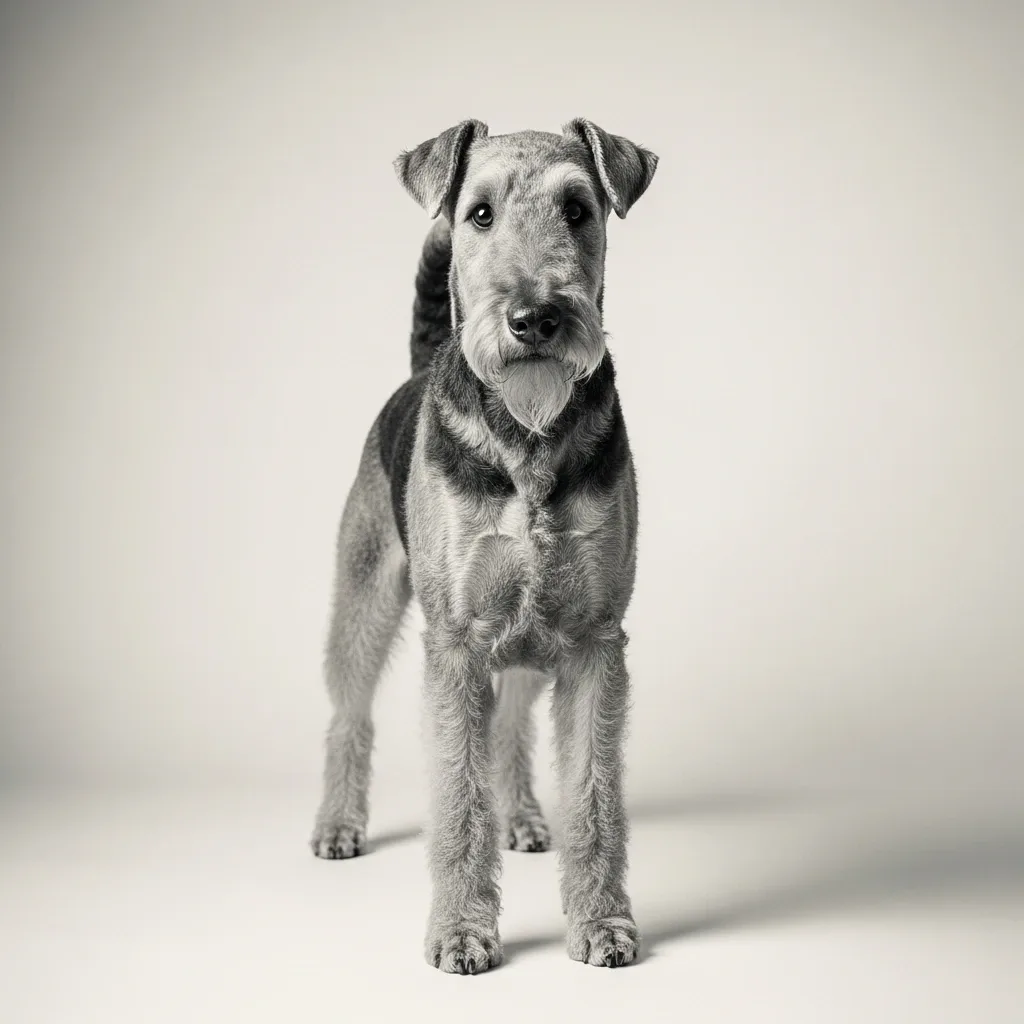
Airedale Terrier
The 'King of Terriers', the Airedale is the largest of all terrier breeds. They are brave, hardworking, and highly intelligent, making them excellent partners for active Kiwi families who love tramping and outdoor adventures.
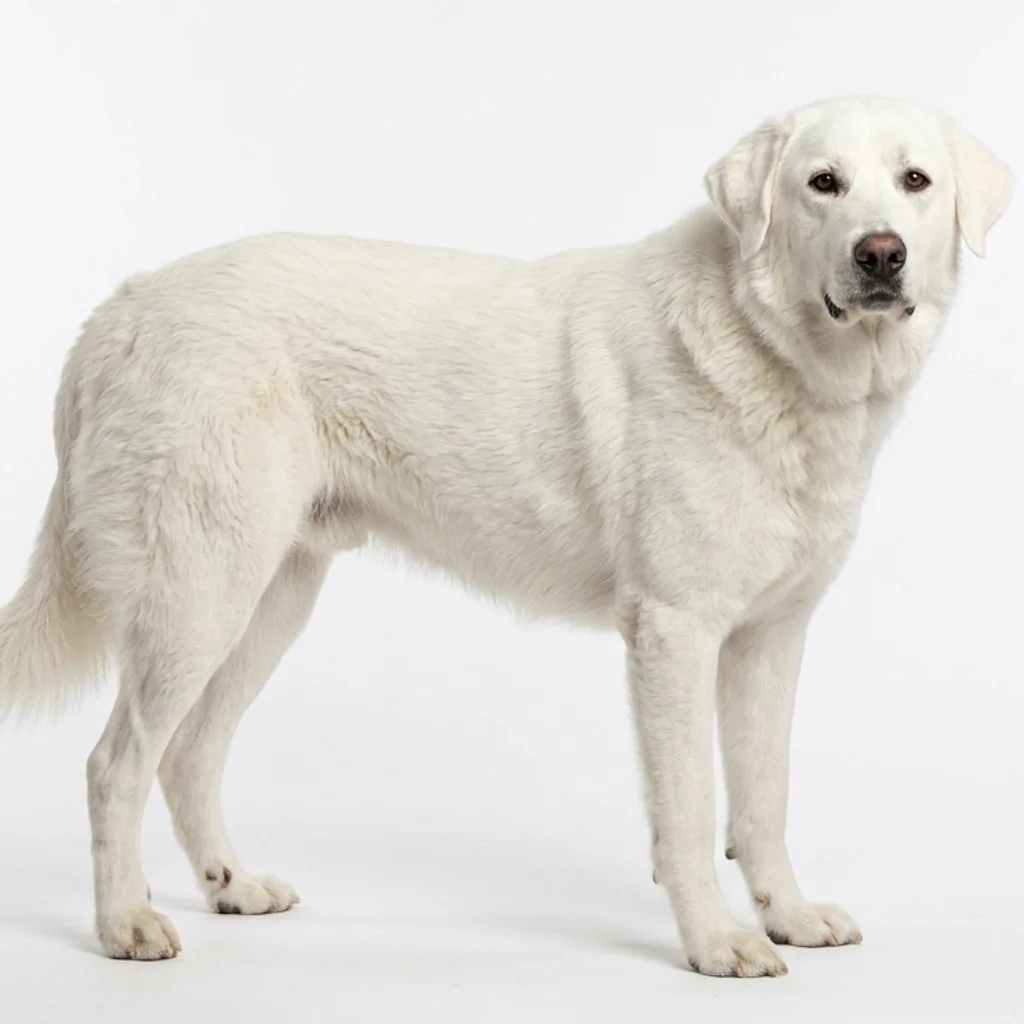
Akbash Dog
Originally a Turkish livestock guardian, the Akbash is a serious, protective, and independent breed. They are not suited for apartment living and thrive on large NZ lifestyle blocks where they can have a 'territory' to watch over.