Dog Breed Guide NZ
Plott
The Plott is an athletic, intelligent, and incredibly courageous scent hound, renowned for its unwavering stamina and striking brindled coat. Originating from German roots in the American mountains, these dedicated workers possess a keen nose and a strong drive, making them exceptional hunting companions. Beyond their working prowess, Plotts are loyal and affectionate family members, thriving in active households where they receive ample exercise and mental stimulation. Their robust nature and need for engagement make them a fantastic fit for active Kiwi families with a love for the outdoors, particularly those with a spacious section or rural lifestyle in New Zealand.
Photo Gallery
Breed Snapshot
- Size
- 18-27 kg
- Lifespan
- 12-14 years
- Origin
- Being enriched
- Temperament
- The Plott is loyal, intelligent, alert and eager to please, with bold hunting drive. Its disposition is generally even, but working lines can be strong-minded and vocal, so it suits active handlers who understand scenthounds.
- NZ Price
- $1,500 - $3,500 NZD from registered breeders; $150-$350 NZD adoption via SPCA
- Annual Vet Cost
- Estimated annual vet costs for a Plott in NZ typically range from $600 - $1,200 NZD. This covers routine check-ups, vaccinations, flea and worm treatments, and general preventative care. Given their predisposition to certain health issues, additional costs may arise. For instance, bloat (gastric dilatation-volvulus) can be a life-threatening emergency requiring expensive surgery. Hip and elbow dysplasia may necessitate ongoing medication or surgical intervention. Ear infections are also common due to their pendulous ears, requiring regular cleaning and potential medication. Pet insurance is highly recommended to help manage unexpected veterinary expenses.
Personality Scores
NZ Lifestyle Fit
The Plott's energetic and intelligent nature means suitability varies greatly across New Zealand living situations. An apartment in Auckland would generally be unsuitable; the lack of space and constant stimulation can lead to boredom and destructive behaviours. A house with a good-sized, securely fenced section in a suburban area could work, provided the owners are committed to daily vigorous exercise outside the property, utilising local parks and dog-friendly reserves. Rural New Zealand farms or lifestyle blocks are often ideal, offering ample space for exploration and opportunities for scent work or other activities that engage their natural instincts. Auckland's humid summers and the South Island's cold winters are generally manageable for Plotts due to their robust build, but a cool, shaded spot in summer and a warm, sheltered sleeping area in winter are essential. Their short coat offers minimal protection from high UV, so sun protection during peak hours is advised. MPI has no specific restrictions on the Plott breed in New Zealand.
Origins & History
The Plott Hound's story is a unique one, tracing its lineage not to English foxhounds like many American hounds, but to German brindle mountain curs. In 1750, Johannes Plott emigrated from Germany to North Carolina, bringing with him five Hanoverian Hounds. These dogs were bred for hunting wild boar and bear, prized for their courage, stamina, and keen scenting abilities. For over 200 years, the Plott family, and later other dedicated breeders, meticulously developed and refined the line, focusing purely on performance and hunting prowess in the rugged Appalachian Mountains. Unlike many breeds, the Plott's development was largely isolated, with no outcrossing to other hound breeds for generations, preserving its distinct characteristics. This dedication to a pure working line has resulted in the courageous, intelligent, and tenacious hound we know today, a true testament to its mountain heritage.
Appearance
The Plott is a powerfully built, muscular dog, exuding an athletic grace. Males typically stand between 51-64 cm at the shoulder and weigh 23-27 kg, while females are slightly smaller. Their most distinctive feature is their short, dense, and often glossy coat, which is almost exclusively brindled. This brindle pattern can range from light fawn to dark chocolate, often with black stripes, giving each Plott a unique appearance. Solid black or buckskin coats are rare but do occur. They have a proud, intelligent expression, with medium-sized, dark eyes and medium-length, pendulous ears set high on the head. Their tail is long, tapering, and carried with a slight curve, often wagging with enthusiasm. The Plott's robust build and striking coat reflect its history as a formidable hunter in challenging terrain.
Temperament & Personality
Beneath their rugged exterior, Plotts are known for their loyalty and affectionate nature towards their families. They are intelligent, courageous, and possess a strong desire to please, making them highly trainable with the right approach. However, their strong prey drive, inherited from generations of hunting, means they require secure fencing and should generally be kept on a lead when not in a safely enclosed area. They are naturally alert and can be protective of their home and family, making them good watchdogs. Plotts thrive on companionship and do not do well when left alone for extended periods; they can become bored and destructive. Early socialisation with various people, places, and other animals is crucial to ensure they grow into well-adjusted adults. They are generally good with children, especially if raised with them, but their boisterous nature means supervision is always advised with very young kids.
Life in New Zealand
For the right Kiwi owner, a Plott can be an incredible companion. Their love for the outdoors makes them ideal for exploring New Zealand's diverse landscapes, from forest parks to beaches (where dogs are permitted). They excel in activities like tramping, canicross, and scent work, which tap into their natural instincts. However, their high energy and vocal tendencies mean they are not suited to apartment living or small urban sections without significant daily commitment to exercise. A home with a secure, large section or a rural property is far more appropriate. Given New Zealand's high UV levels, especially during summer, care should be taken to prevent sunburn on their short coats, particularly on lighter brindles or areas with less hair. Their robust health generally stands up well to the varied New Zealand climate, though South Island winters will require a warm, sheltered sleeping area.
Is This the Right Breed for You?
Bringing a Plott into your home is a significant commitment. They require an active lifestyle, consistent training, and plenty of mental stimulation to be happy and well-behaved. If you're an outdoorsy individual or family who enjoys tramping, running, or other adventurous activities, and you have the time and space to dedicate to a high-energy dog, a Plott could be your perfect match. They are not for the faint of heart or those seeking a couch potato companion. Their strong scent drive means they can be easily distracted, so recall training is paramount. If you're prepared for an intelligent, loyal, and energetic companion who will join you on all your Kiwi adventures, the Plott might just be the breed for you.
Fun Facts
Fact 1
The Plott is the only American coonhound breed that does not trace its ancestry back to the English Foxhound.
Fact 2
They are renowned for their unique 'Plott bawl' or 'chop' — a distinctive, loud vocalisation used when tracking prey.
Fact 3
Plotts were originally bred in the Appalachian Mountains for hunting large game like bear and wild boar.
Fact 4
Their striking brindle coat is a hallmark of the breed, with no two Plotts having identical patterns.
Fact 5
The breed's name comes directly from the Plott family, who developed the line over generations after emigrating from Germany.
Related Breeds
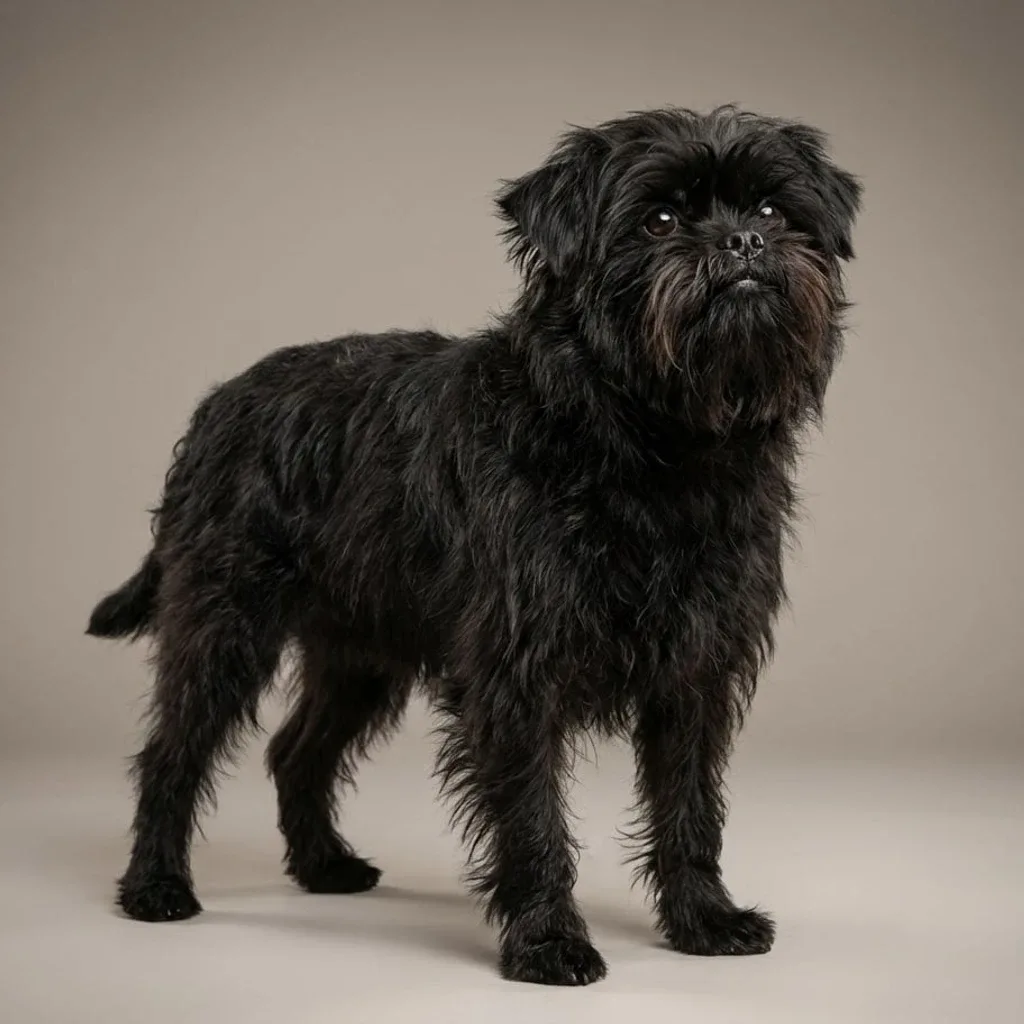
Affenpinscher
The Affenpinscher is a sturdy, monkey-like terrier-type toy breed known for its confidence and playful spirit. Despite its small size, it possesses a courageous heart and a loyal personality, making it a wonderful companion for Kiwi apartment dwellers or those with smaller sections.
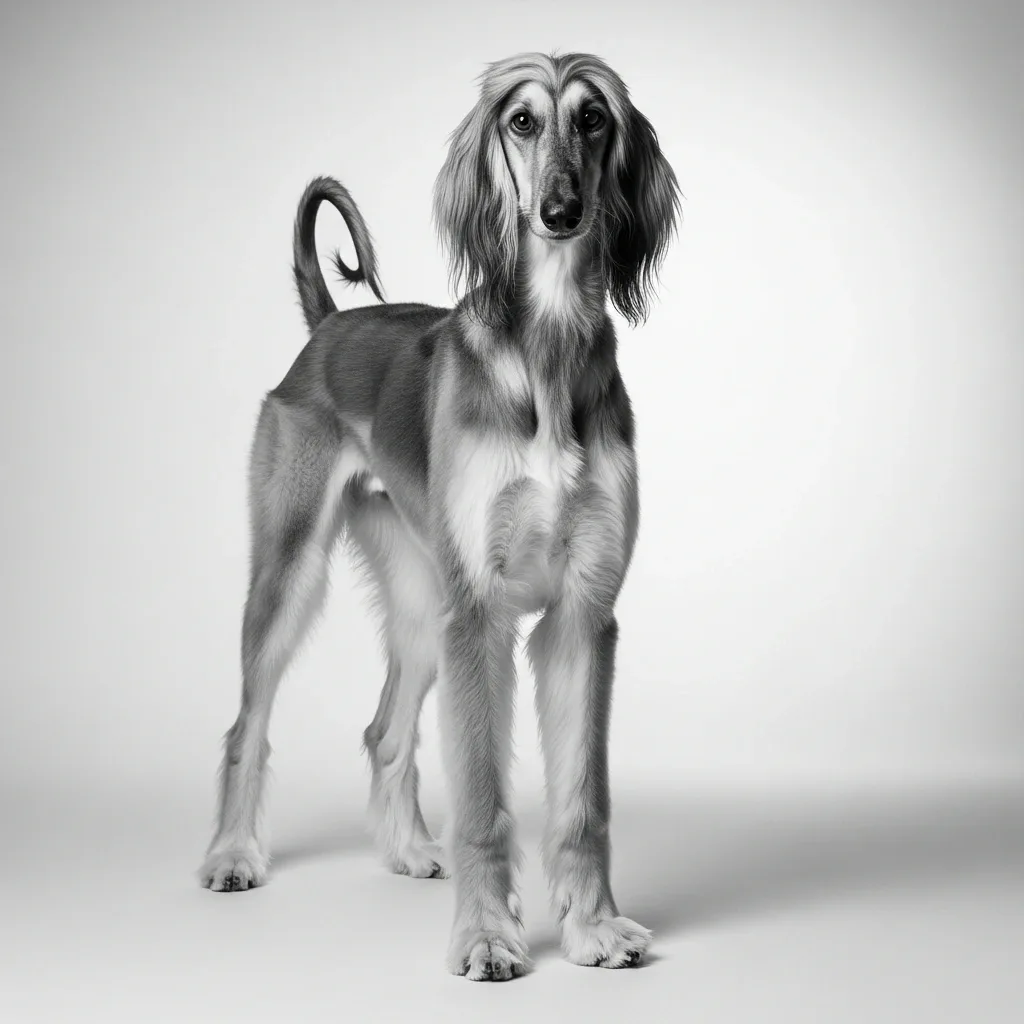
Afghan Hound
The Afghan Hound is an elegant aristocrat with a dignified and aloof personality. Known for its striking, silky coat, this breed is a high-maintenance beauty that requires ample space to run and an owner dedicated to its complex grooming needs.
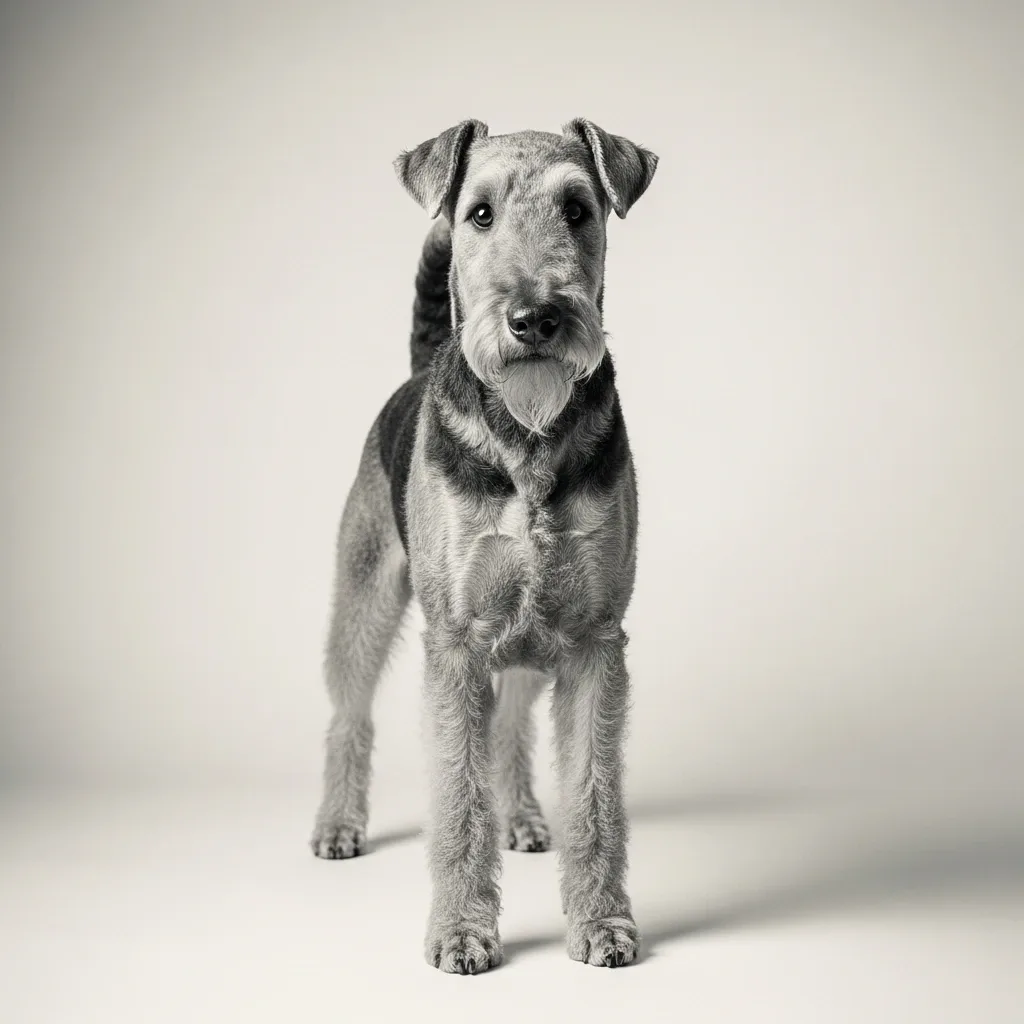
Airedale Terrier
The 'King of Terriers', the Airedale is the largest of all terrier breeds. They are brave, hardworking, and highly intelligent, making them excellent partners for active Kiwi families who love tramping and outdoor adventures.
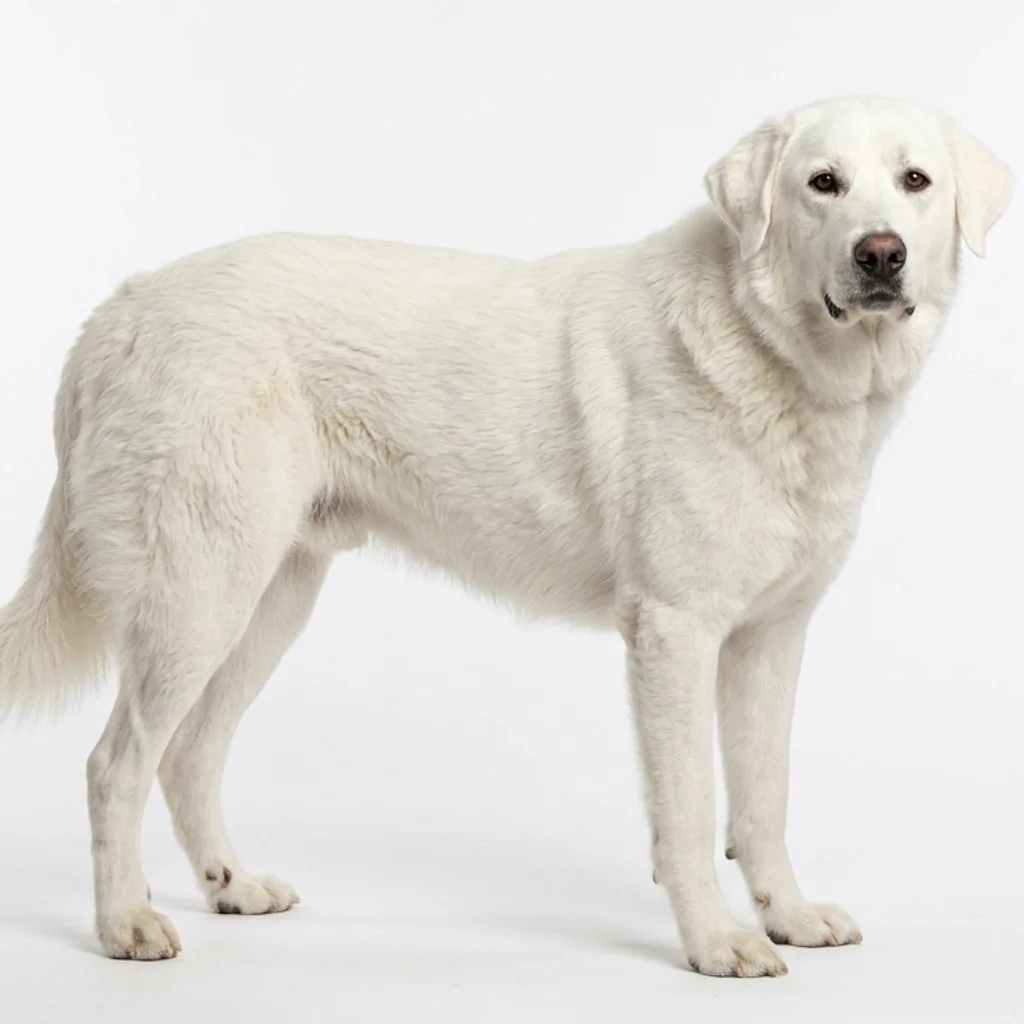
Akbash Dog
Originally a Turkish livestock guardian, the Akbash is a serious, protective, and independent breed. They are not suited for apartment living and thrive on large NZ lifestyle blocks where they can have a 'territory' to watch over.