Dog Breed Guide NZ
Norwich Terrier
The Norwich Terrier, a small but robust companion, packs a huge personality into its compact frame. Originating from the UK, these plucky terriers are renowned for their spirited, affectionate, and courageous nature, making them excellent family pets. Despite their hunting instincts, they thrive on human companionship and are surprisingly adaptable. Their hardy constitution and manageable size, typically 5-5.5 kg, mean they fit well into various New Zealand lifestyles, from active urban families with a modest section to those enjoying coastal walks or weekend tramping. They offer a lively presence without demanding excessive space, making them a fantastic choice for many Kiwi households.
Photo Gallery
Breed Snapshot
- Size
- 5-5.5 kg
- Lifespan
- 12-15 years
- Origin
- Being enriched
- Temperament
- Alert, energetic, affectionate, courageous, outgoing
- NZ Price
- $2,500 - $4,500 NZD from registered breeders; $150-$350 NZD adoption via SPCA (rarely available)
- Annual Vet Cost
- Estimated annual vet costs for a Norwich Terrier in NZ range from $400 - $800 NZD for routine care (vaccinations, flea/worm treatment, annual check-ups). This excludes unexpected emergencies or management of breed-specific health issues. Norwich Terriers can be prone to conditions like patellar luxation, hip dysplasia, and certain eye conditions (e.g., cataracts, primary lens luxation), which could incur additional costs ranging from $500 to several thousand NZD for diagnostics and treatment. Dental care is also important, with cleanings potentially costing $400-$800 NZD.
Personality Scores
NZ Lifestyle Fit
The Norwich Terrier is remarkably adaptable to various New Zealand living conditions. For those in an Auckland apartment or a city flat, their compact size is a definite advantage, provided they receive daily walks and mental stimulation. They don't require a large section, but a secure outdoor area for play is a bonus. Auckland's humid summers are generally manageable for their wiry coat, but access to shade and fresh water is crucial, and avoiding peak heat for exercise is wise. In colder South Island winters, their double coat offers good insulation, but a warm, dry indoor sleeping area is essential. High UV levels across NZ mean sun protection for any exposed skin (though rare for this breed) and ensuring they don't overheat. For homes with a section, they'll enjoy patrolling their territory. Rural NZ farm life suits their vermin-hunting instincts, but strict supervision is needed to protect livestock and native birds. There are no MPI restrictions on importing or owning Norwich Terriers in New Zealand, making them a straightforward choice for prospective owners.
Origins & History
Originating in the late 19th century in East Anglia, England, the Norwich Terrier was initially bred to hunt vermin, particularly rats and foxes, in the barns and fields of rural Norfolk. They were highly valued for their fearless nature and compact size, allowing them to go to ground after prey. The breed's early development is closely linked to Cambridge University students, who kept them as mascots and companions, further popularising them. For many years, the Norwich and Norfolk Terriers were considered a single breed, distinguished only by their ear set – prick ears for the Norwich and drop ears for the Norfolk. It wasn't until 1964 that the breeds were officially separated by the Kennel Club in the UK, solidifying the Norwich Terrier's unique identity as the prick-eared variety. Their history as working dogs has instilled in them a resilient spirit and an independent streak, tempered by a deep loyalty to their human families.
Appearance
The Norwich Terrier is a small, sturdy, and compact dog, typically weighing between 5 to 5.5 kilograms and standing around 25-26 cm at the shoulder. They possess a distinctive harsh, wiry double coat that is weather-resistant, coming in shades of red, wheaten, black and tan, or grizzle. Their small, dark, oval-shaped eyes convey an alert and intelligent expression, while their characteristic prick ears stand erect, giving them an ever-ready look. The tail is often docked in countries where it is permitted, though natural tails are increasingly common and preferred in many regions, including New Zealand. Their robust bone structure and short legs give them a powerful, balanced appearance, perfectly suited for their original purpose of going to ground. Despite their small stature, they exude an air of substance and strength.
Temperament & Personality
Norwich Terriers are celebrated for their massive personalities, often described as 'big dogs in small packages.' They are alert, energetic, affectionate, courageous, and outgoing, making them delightful companions. They form strong bonds with their families and thrive on being included in daily activities. While they possess the typical terrier tenacity and prey drive, they are generally more amenable and less prone to excessive barking than some other terrier breeds. They are known for their playful nature and enjoy games and interaction. Their intelligence makes them quick learners, though their independent terrier spirit means training requires consistency and positive reinforcement. They are generally good with children and other pets if socialised early, but their hunting instincts mean small rodents or birds might be viewed as prey.
Life in New Zealand
Norwich Terriers adapt wonderfully to life in New Zealand. Their compact size makes them suitable for various living situations, from flats in inner-city Auckland to houses with a decent section in the suburbs or even a lifestyle block. They love exploring our beautiful beaches, reserves, and dog-friendly walking tracks. Their hardy coat provides good protection against both the humid Auckland summers and the colder South Island winters, though appropriate shade and shelter are always necessary. They enjoy being active participants in family outings, whether it's a stroll along the local footpath or a weekend adventure. Owners must be mindful of their terrier instincts around native wildlife, ensuring they are well-trained and leashed where appropriate, especially in areas with vulnerable birdlife.
Is This the Right Breed for You?
The Norwich Terrier is an excellent choice for active individuals or families who appreciate a spirited and affectionate companion. They thrive on companionship and do best when they are an integral part of family life. If you're looking for a small dog with a big heart, a playful nature, and a courageous spirit, the Norwich could be your perfect match. They require consistent training and early socialisation to channel their natural terrier instincts positively. While they don't demand vast amounts of space, regular exercise and mental stimulation are crucial to prevent boredom. Their relatively low grooming needs for a wire-coated breed and generally robust health add to their appeal. If you're prepared to offer a loving, active home, a Norwich Terrier will undoubtedly bring immense joy and character to your New Zealand household.
Fun Facts
Fact 1
Norwich Terriers were originally known as 'Cantab Terriers' due to their popularity with Cambridge University students.
Fact 2
For many years, Norwich and Norfolk Terriers were considered the same breed, differentiated only by their ear set.
Fact 3
They are one of the smallest working terrier breeds, perfectly sized for 'going to ground' after vermin.
Fact 4
Despite their small stature, they are fearless and have a reputation for being 'big dogs in small packages'.
Fact 5
Norwich Terriers are known for their distinctive 'happy bark' when excited or greeting their loved ones.
Related Breeds
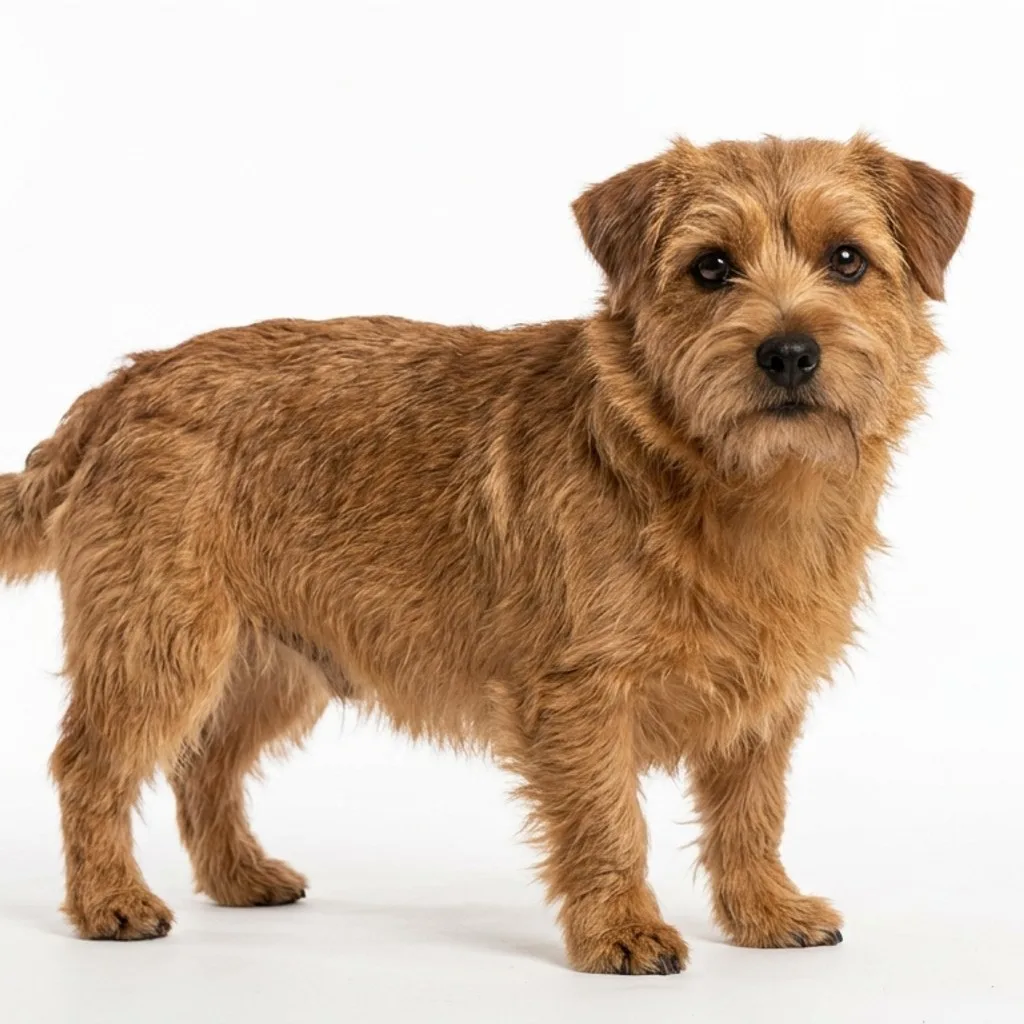
Norfolk Terrier
A hardy, spirited, and social terrier with dropped ears. Norfolk Terriers are active, intelligent, and less independent than some other terriers. they make wonderful companions for active families in NZ.
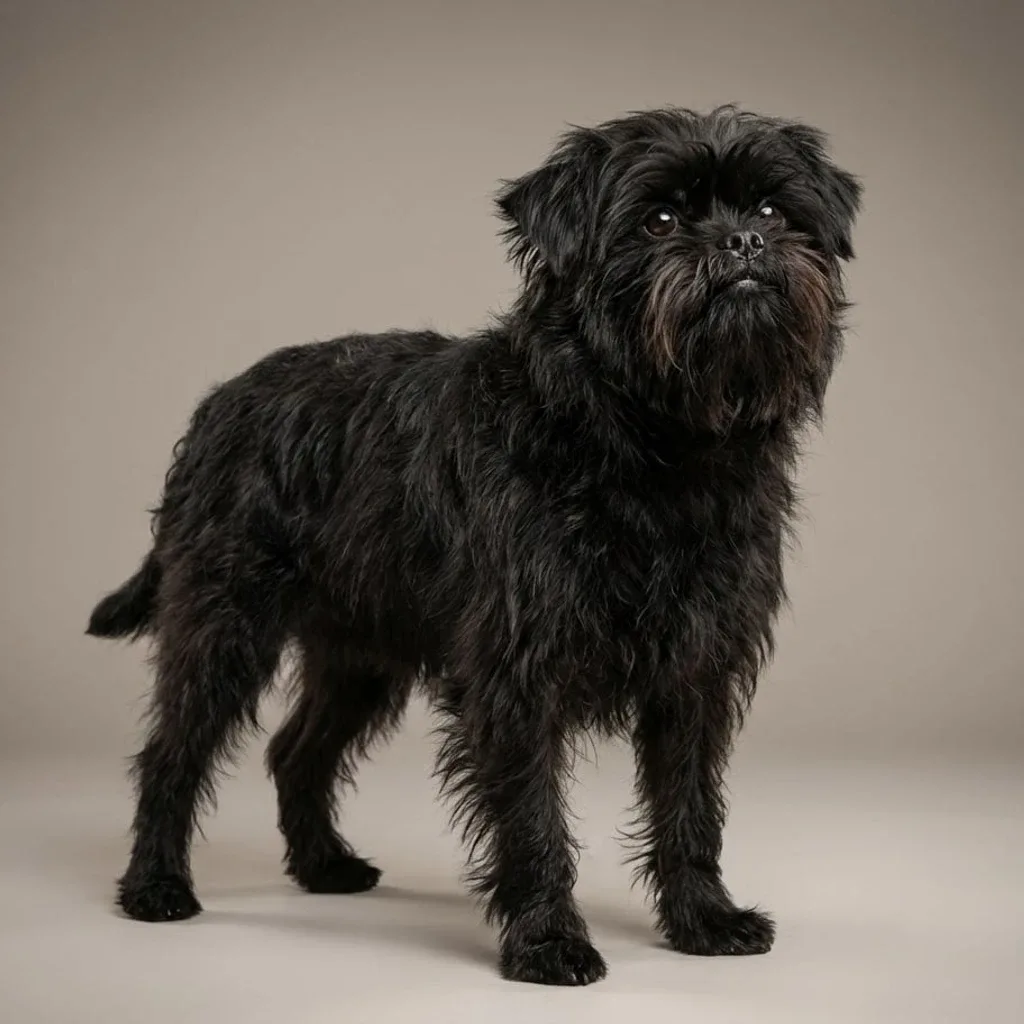
Affenpinscher
The Affenpinscher is a sturdy, monkey-like terrier-type toy breed known for its confidence and playful spirit. Despite its small size, it possesses a courageous heart and a loyal personality, making it a wonderful companion for Kiwi apartment dwellers or those with smaller sections.
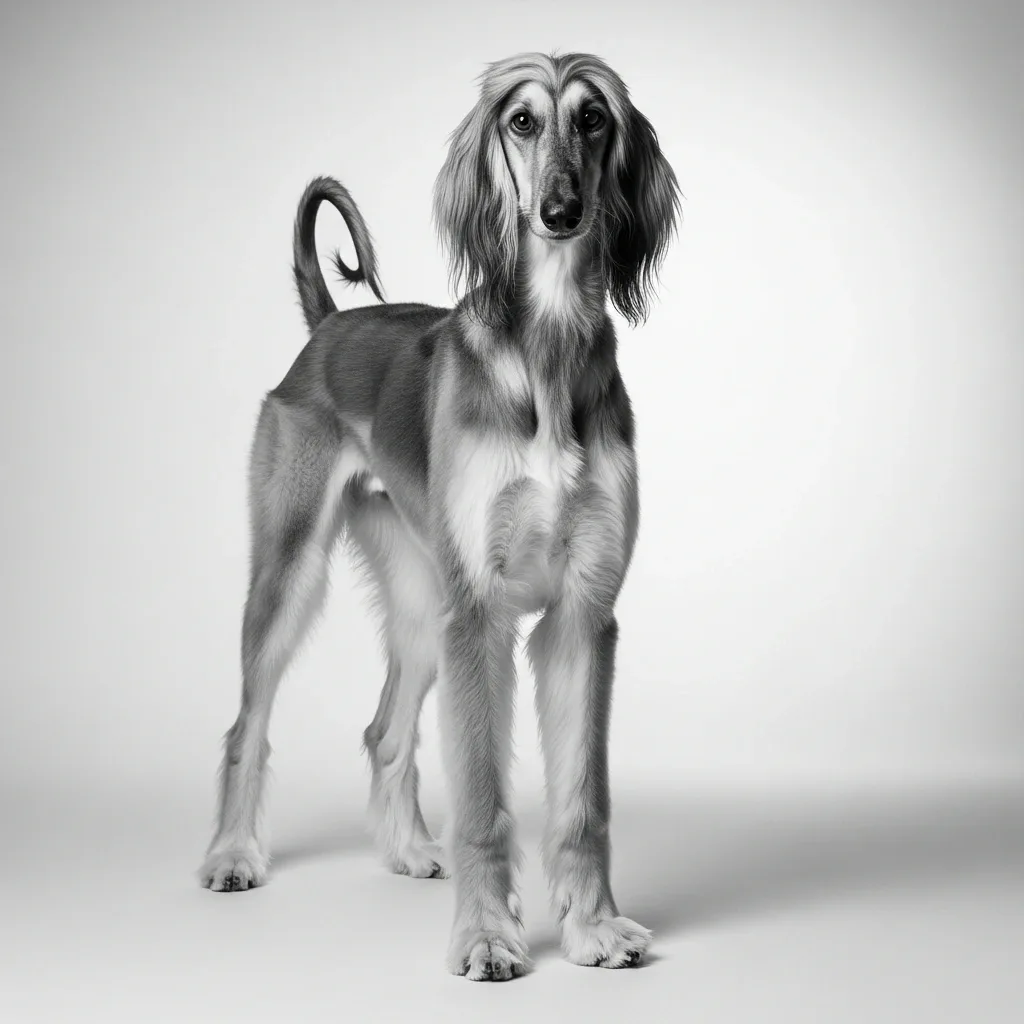
Afghan Hound
The Afghan Hound is an elegant aristocrat with a dignified and aloof personality. Known for its striking, silky coat, this breed is a high-maintenance beauty that requires ample space to run and an owner dedicated to its complex grooming needs.
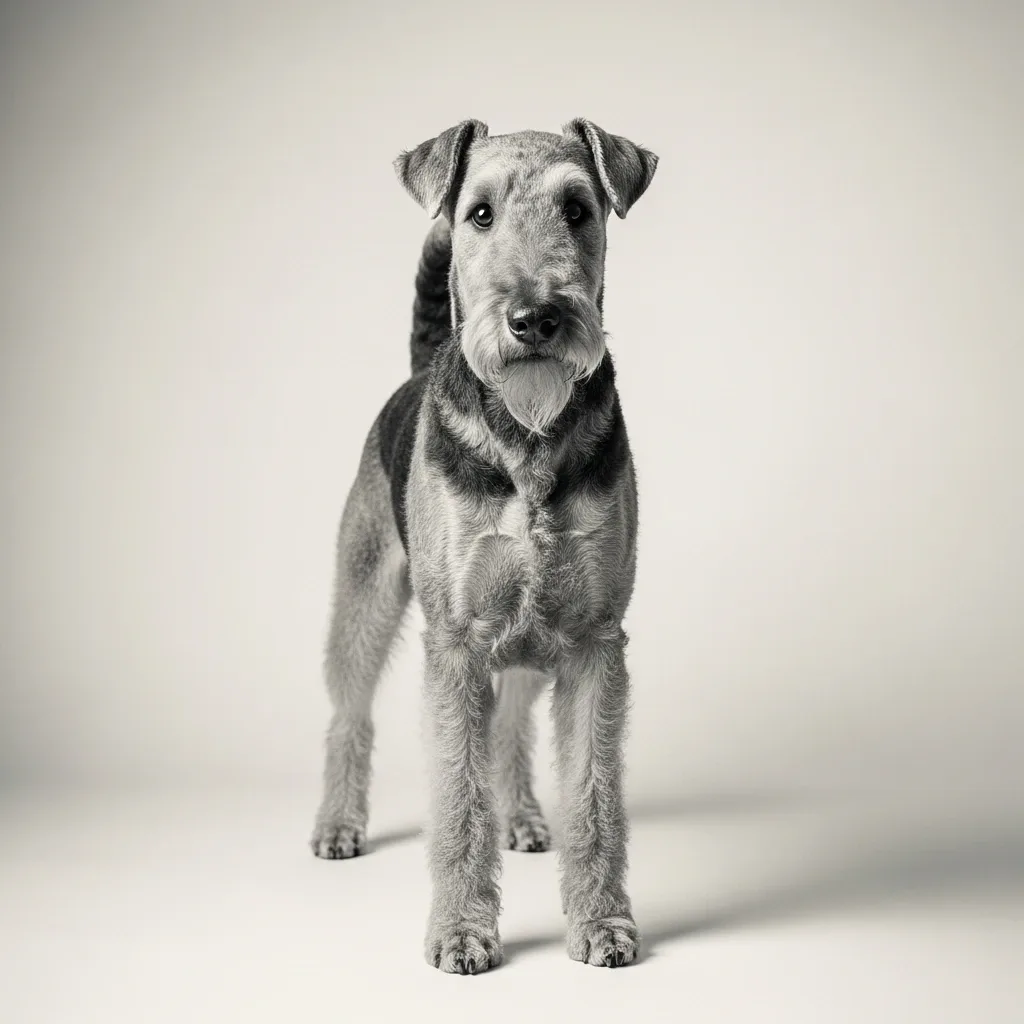
Airedale Terrier
The 'King of Terriers', the Airedale is the largest of all terrier breeds. They are brave, hardworking, and highly intelligent, making them excellent partners for active Kiwi families who love tramping and outdoor adventures.