Dog Breed Guide NZ
Norfolk Terrier
The Norfolk Terrier is a hardy, spirited, and social companion, instantly recognisable by their dropped ears and lively expression. Originating as a working terrier, they are active, intelligent, and possess a delightful, less independent nature compared to some other terriers. This makes them highly adaptable and eager to please. Norfolks thrive on companionship and are known for their affectionate disposition, making them wonderful additions to active families across New Zealand. Their compact size and robust health mean they can adapt well to various Kiwi lifestyles, from city flats with regular outings to houses with sections, as long as their need for engagement and exercise is met.
Photo Gallery
Breed Snapshot
- Size
- 5-5.5 kg
- Lifespan
- 12-16 years
- Origin
- Being enriched
- Temperament
- Alert, courageous, affectionate, energetic, playful
- NZ Price
- $1,800 - $3,500 NZD from registered breeders; $150-$350 NZD adoption via SPCA
- Annual Vet Cost
- Estimated annual vet costs for a Norfolk Terrier in NZ typically range from $400 - $800 NZD, covering routine check-ups, vaccinations, flea and worm treatments. However, this can increase significantly if breed-specific health issues arise. Common health concerns for Norfolks include Patellar Luxation (knee cap dislocation), which might require surgery costing $1,500 - $4,000+ per knee. Mitral Valve Disease, a heart condition, could involve ongoing medication and specialist consultations, potentially $500 - $2,000+ annually. Glaucoma, an eye condition, might require ongoing medication or surgery, costing $500 - $3,000+. Dental issues are also common in small breeds, with professional dental cleans under anaesthesia typically costing $400 - $800 NZD.
Personality Scores
NZ Lifestyle Fit
The Norfolk Terrier is remarkably adaptable to various New Zealand living situations. For an apartment in Auckland, they can thrive provided they receive sufficient daily exercise and mental stimulation. Their compact size is a plus, but their energetic nature means daily walks and playtime are non-negotiable. Auckland's humid summers generally pose no issue for their wiry coat, but access to shade and fresh water is always vital. A house with a secure section is ideal, offering space for zoomies and sunbathing, though secure fencing is paramount due to their terrier instincts. In rural NZ farm settings, they can be excellent companions, but their strong prey drive requires careful supervision around livestock. They are not typically primary farm working dogs. South Island cold winters are manageable thanks to their protective double coat, but a warm, dry indoor sleeping area is essential. High UV levels across NZ mean owners should be mindful of prolonged sun exposure, especially for dogs with lighter coats, to prevent sunburn.
Origins & History
The Norfolk Terrier's story begins in the late 19th century in East Anglia, England, specifically in the county of Norfolk. Bred primarily as a working terrier, their original purpose was to hunt vermin, particularly rats and foxes, in barns and fields. They were highly prized for their courage, tenacity, and ability to go to ground. Initially, both prick-eared and drop-eared terriers were considered the same breed, known as Norwich Terriers. However, in 1964, the Kennel Club in the UK officially recognised the drop-eared variety as a distinct breed, naming them the Norfolk Terrier, while the prick-eared dogs retained the Norwich Terrier name. This separation allowed both breeds to develop their unique characteristics and gain individual recognition. Despite their working origins, Norfolks quickly gained popularity as charming and affectionate companions, valued for their spirited personality and manageable size.
Appearance
The Norfolk Terrier is a small, sturdy, and compact dog, exuding an air of confidence and athleticism. Males and females typically weigh between 5 to 5.5 kg and stand around 25-26 cm at the shoulder. Their most distinctive feature is their dropped, V-shaped ears, which frame their expressive, dark eyes, giving them a soft yet alert look. The coat is hard, wiry, and straight, lying close to the body, with a noticeable ruff around the neck and shoulders. This double coat provides excellent weather resistance, a testament to their working heritage. Common coat colours include all shades of red, wheaten, black and tan, or grizzle. Their tail is often docked in countries where it's permitted (though less common in NZ now), carried gaily but not excessively over the back, contributing to their balanced and well-proportioned appearance.
Temperament & Personality
Norfolk Terriers are renowned for their delightful temperament, often described as a 'big dog in a small package.' They are alert, courageous, and possess a lively spirit, yet they are notably more affectionate and less independent than many other terrier breeds. This makes them highly trainable and eager to please their human companions. They thrive on social interaction and are known for forming strong bonds with their families, enjoying being an integral part of daily life. Norfolks are energetic and playful, always up for an adventure or a game in the garden, but they are equally content to cuddle up on the sofa. They generally get along well with children and other pets, provided they are properly socialised from a young age. Their alertness makes them excellent watchdogs, quick to bark at anything unusual, but they are not typically aggressive.
Life in New Zealand
Norfolk Terriers are wonderfully suited to the diverse lifestyles and environments found across New Zealand. Their robust health and adaptable nature mean they can thrive in various settings, from a city flat in Auckland to a spacious house with a section in the Waikato, or even a lifestyle block in Canterbury. Their love for the outdoors makes them ideal companions for exploring NZ's beautiful beaches, reserves, and dog-friendly walking tracks. While they enjoy adventure, their moderate exercise needs mean they're not overly demanding, fitting well into busy Kiwi family schedules. Their wiry coat offers good protection against both the humid northern summers and the colder southern winters, though common sense care like shade and shelter is always essential. For families seeking a spirited, loyal, and affectionate canine companion to share in the unique New Zealand way of life, the Norfolk Terrier is an excellent choice.
Is This the Right Breed for You?
Bringing a Norfolk Terrier into your home means welcoming a vibrant and engaging personality. They are best suited for individuals or families who can provide consistent companionship, daily exercise, and positive reinforcement training. While generally healthy, their wiry coat requires regular grooming, including hand-stripping a few times a year, which can be a commitment. They are intelligent and enjoy mental stimulation, so puzzle toys and training sessions are beneficial. Their alert nature means they will bark to announce visitors or unusual sounds, which can be managed with training. If you're looking for a small, sturdy, and affectionate dog with a spirited character, who loves to be involved in family activities and can adapt to various New Zealand living situations, the Norfolk Terrier could be your perfect canine match. They offer a wonderful blend of terrier tenacity and companionable charm.
Fun Facts
Fact 1
Norfolk Terriers were originally considered the same breed as Norwich Terriers, only separated by ear type in 1964.
Fact 2
They are one of the smallest of the working terrier breeds, packed with courage and tenacity.
Fact 3
Despite their small stature, they are known for their 'big dog in a small package' personality.
Fact 4
Their primary historical role was as ratters, making them excellent pest controllers.
Fact 5
Norfolks are highly social dogs and prefer to be included in family activities rather than left alone.
Related Breeds
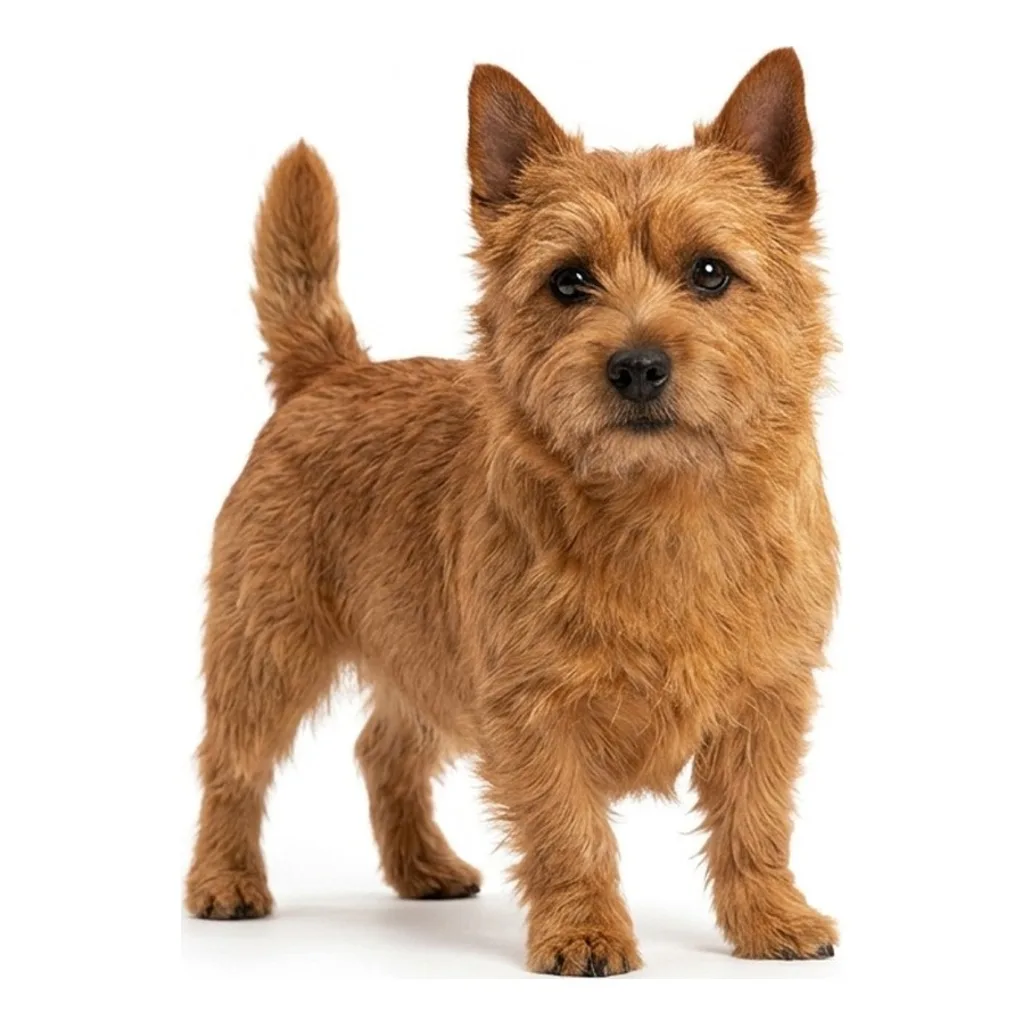
Norwich Terrier
Small but substantiative, the Norwich Terrier is a hardy, spirited, and affectionate hunter. They are one of the smallest terriers but possess a massive personality, making them ideal for active NZ families with smaller backyards.
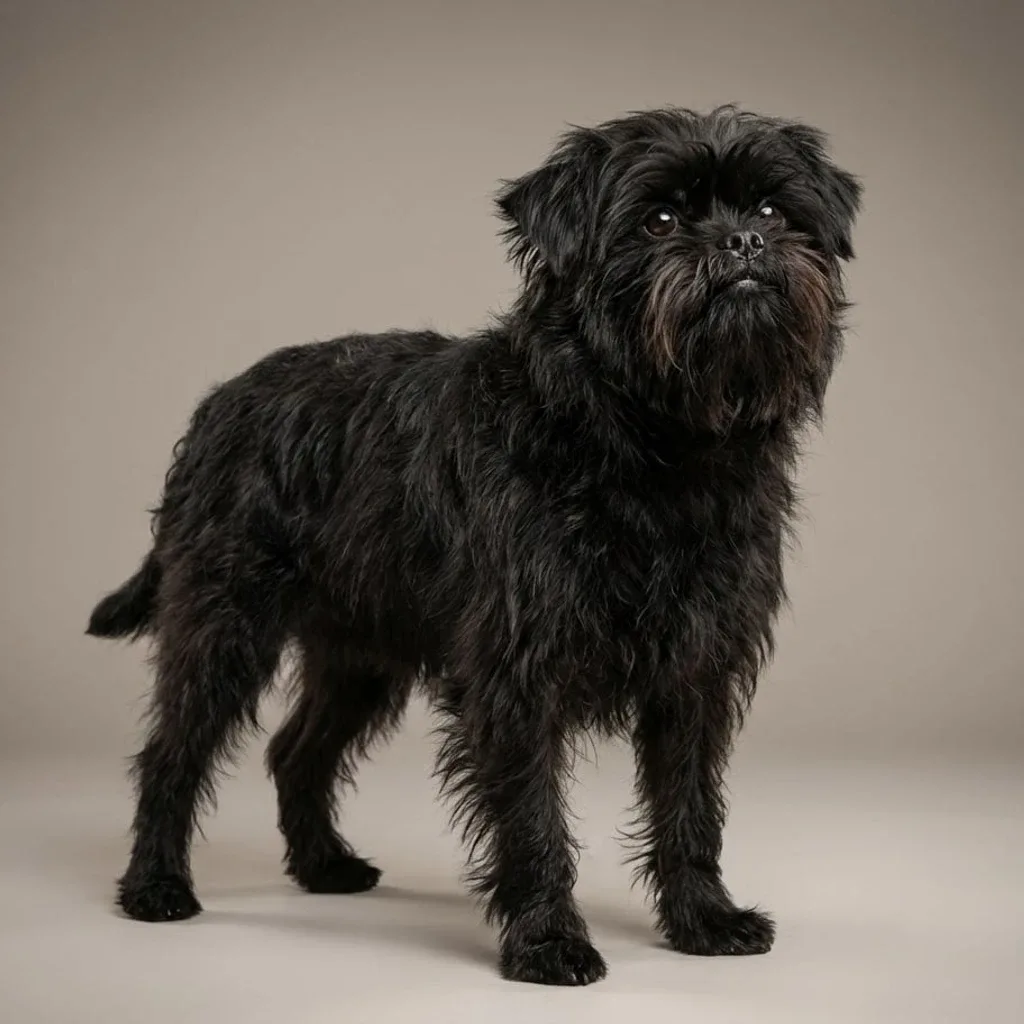
Affenpinscher
The Affenpinscher is a sturdy, monkey-like terrier-type toy breed known for its confidence and playful spirit. Despite its small size, it possesses a courageous heart and a loyal personality, making it a wonderful companion for Kiwi apartment dwellers or those with smaller sections.
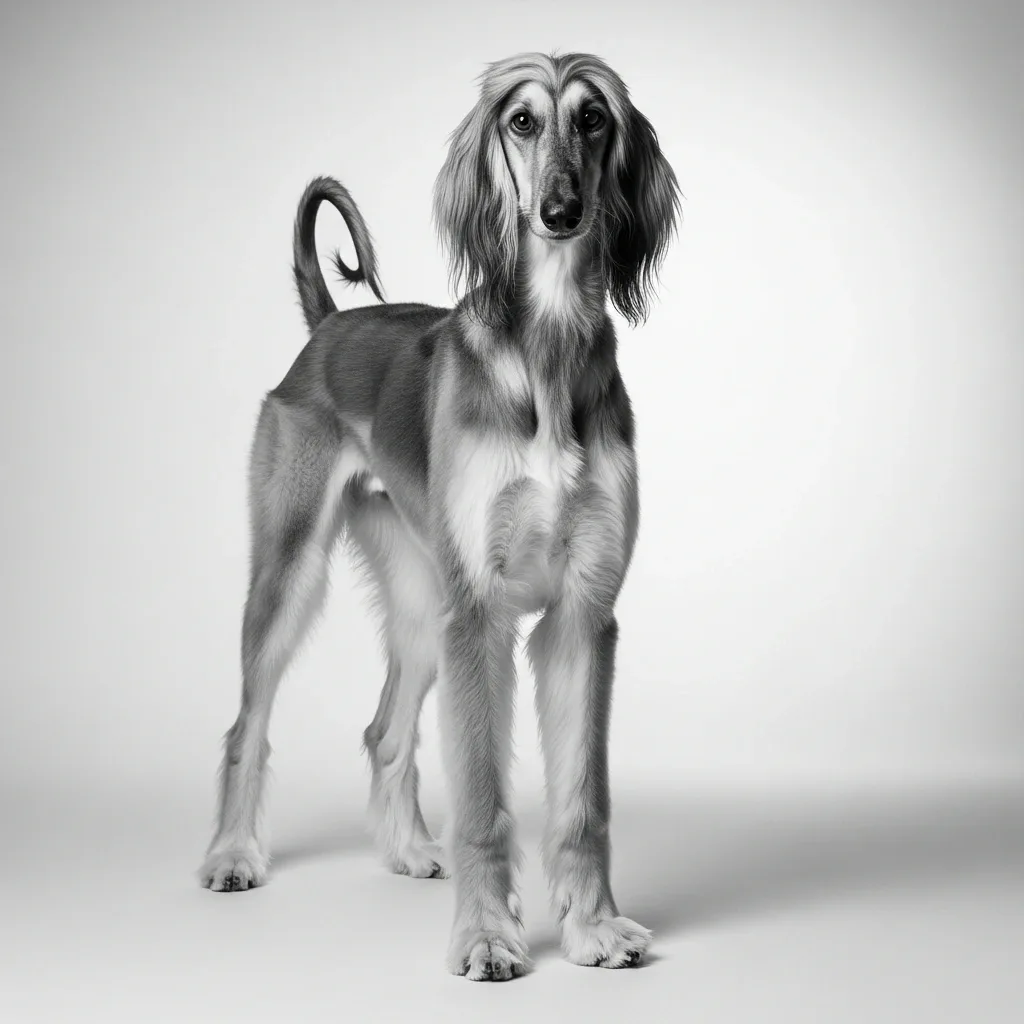
Afghan Hound
The Afghan Hound is an elegant aristocrat with a dignified and aloof personality. Known for its striking, silky coat, this breed is a high-maintenance beauty that requires ample space to run and an owner dedicated to its complex grooming needs.
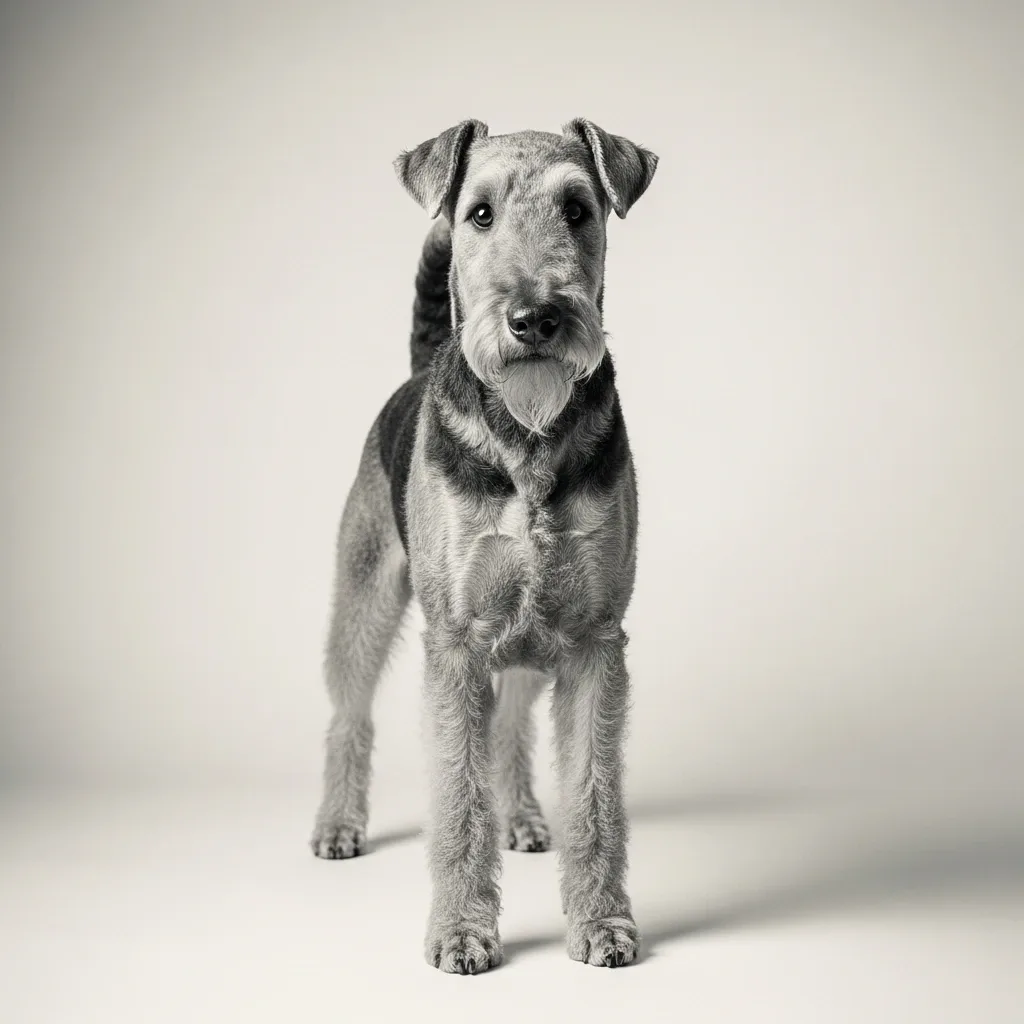
Airedale Terrier
The 'King of Terriers', the Airedale is the largest of all terrier breeds. They are brave, hardworking, and highly intelligent, making them excellent partners for active Kiwi families who love tramping and outdoor adventures.