Dog Breed Guide NZ
Norwegian Lundehund
The Norwegian Lundehund is a truly unique and agile spitz breed, famed for its extraordinary physical flexibility, including six toes on each foot, and the ability to fold its ears shut. Originating from Norway, these alert and energetic companions have an intriguing history as puffin hunters, navigating treacherous cliffs with ease. Their playful and loyal nature makes them a captivating addition to an active Kiwi household. While they possess an independent streak, their intelligence and adaptability mean they can thrive in various New Zealand lifestyles, from suburban homes with secure sections to more rural settings, provided their exercise and mental stimulation needs are met.
Photo Gallery
Breed Snapshot
- Size
- 6-7 kg
- Lifespan
- 12-14 years
- Origin
- Being enriched
- Temperament
- The Norwegian Lundehund is alert, energetic and lively, shaped by its history as a specialised puffin-hunting dog. It is usually loyal and friendly with its people, but its independent streak and rare-breed quirks suit patient owners.
- NZ Price
- $4,000 - $6,000 NZD from registered breeders (due to rarity); $150-$350 NZD adoption via SPCA (highly unlikely to find this breed)
- Annual Vet Cost
- Estimated annual vet costs for a Norwegian Lundehund in NZ range from $600 - $1,200 NZD. This includes routine vaccinations, worming, flea and tick prevention, and annual check-ups. However, Lundehunds are prone to a serious gastrointestinal condition known as Lundehund Syndrome (Intestinal Lymphangiectasia), which can incur significant diagnostic and ongoing treatment costs if it develops. Other potential issues like patellar luxation and eye conditions (e.g., cataracts) could also add to expenses. Pet insurance is highly recommended given the breed's specific health vulnerabilities.
Personality Scores
NZ Lifestyle Fit
The Norwegian Lundehund can adapt to various New Zealand living situations, though some are more ideal than others. For an apartment in Auckland, it's possible if the owner is committed to providing ample daily exercise and mental stimulation outside the flat. However, their natural energy and digging instincts mean a secure backyard is preferable. A house with a well-fenced section is an excellent environment, allowing them space to play safely. Rural New Zealand farms can also be suitable, but their strong prey drive necessitates careful supervision to prevent them from chasing livestock or local wildlife. Owners must ensure secure boundaries. Regarding climate, their double coat offers good protection against South Island cold winters, but they will still appreciate warm, dry sleeping areas. In Auckland's humid summers and under New Zealand's high UV, ensure constant access to shade and fresh water to prevent overheating and sunburn. MPI (Ministry for Primary Industries) does not list the Norwegian Lundehund as a restricted breed, so there are no specific import or ownership restrictions beyond general dog control bylaws.
Origins & History
The Norwegian Lundehund's history is as fascinating as its unique physical traits. Originating from the remote Lofoten Islands off the coast of Norway, the breed's name literally translates to 'puffin dog' ('Lunde' meaning puffin and 'hund' meaning dog). For centuries, these agile canines were indispensable to local farmers, scaling steep, rocky cliffs and navigating narrow crevices to hunt puffins and retrieve their eggs. Their unparalleled flexibility, including extra toes, double-jointed shoulders, and ears that can fold shut to protect against water and dirt, were all adaptations crucial for this demanding task. The invention of fishing nets for puffin hunting in the 19th century, coupled with a distemper outbreak in the early 20th century, pushed the Lundehund to the brink of extinction. By the 1940s, only a handful remained. Dedicated breeders, primarily Eleanor Christie, worked tirelessly to revive the breed, carefully managing the small gene pool to ensure its survival. Today, while still rare, the Norwegian Lundehund continues to charm enthusiasts worldwide with its ancient lineage and distinctive characteristics.
Appearance
The Norwegian Lundehund is a small, rectangular spitz-type dog, typically weighing between 6-7 kg and standing 32-38 cm at the shoulder. Their most striking feature is their polydactyly – they possess at least six fully formed, padded toes on each foot, with an additional dewclaw on the front legs. This unique foot structure, along with highly flexible joints in their shoulders and neck (allowing their head to bend backwards to touch their spine), gave them exceptional grip and agility on slippery rocks. They have a dense, harsh double coat, shorter on the head and front of the legs, which is typically reddish-brown to fawn with black tips, often with white markings. Their expressive, almond-shaped eyes and erect, mobile ears (which can fold back and close) give them an alert and intelligent expression. Their tail is usually carried curled over the back or slightly to the side.
Temperament & Personality
Lundehunds are known for their lively, alert, and curious temperament. They are intelligent dogs with an independent streak, a remnant of their solitary hunting past. While generally affectionate and loyal with their families, they can be reserved or wary around strangers, making early socialisation crucial. They possess a playful and mischievous nature, often described as having a good sense of humour. Their energy levels are moderate to high, requiring regular exercise and mental stimulation to prevent boredom and destructive behaviours. They are known for their digging tendencies and a strong prey drive, so a secure section is a must. With proper training and socialisation, they can be wonderful companions, adapting well to family life and often getting along with respectful children and other pets.
Life in New Zealand
Bringing a Norwegian Lundehund into a New Zealand home means embracing their unique needs within our beautiful landscape. Their dense double coat provides good insulation for cooler South Island winters, but owners should be mindful of Auckland's humid summers and high UV levels, ensuring access to shade and fresh water. Their agility and love for exploring make them excellent companions for tramping on dog-friendly tracks, walks along our stunning beaches (checking local council restrictions), or exploring local reserves. However, their strong prey drive means they should always be kept on a lead in unsecured areas to prevent them from chasing birds or other wildlife. Their intelligence requires consistent training and mental enrichment, making them good candidates for dog sports like agility or obedience clubs found across New Zealand. They thrive on companionship and are not suited to being left alone for long periods.
Is This the Right Breed for You?
The Norwegian Lundehund is a breed for those who appreciate uniqueness and are prepared for an active, engaging companion. If you're an active individual or family who enjoys outdoor adventures and can provide consistent training, early socialisation, and a secure environment, a Lundehund could be a fantastic fit. They are not a low-maintenance breed; their intelligence and independent nature require a committed owner who understands positive reinforcement training. Their rarity in New Zealand means finding a puppy may take time, and their specific health concerns, particularly Lundehund Syndrome, require diligent care. If you're looking for a loyal, playful, and endlessly fascinating dog that will keep you on your toes, and you're ready for the commitment, the Norwegian Lundehund might just be your perfect Kiwi companion.
Fun Facts
Fact 1
Norwegian Lundehunds have at least six fully formed, padded toes on each foot, giving them exceptional grip.
Fact 2
Their shoulder joints are so flexible they can extend their forelegs straight out to the sides.
Fact 3
They can bend their head backwards to touch their spine, a unique adaptation for navigating tight spaces.
Fact 4
The breed's name translates to 'puffin dog', reflecting their historical role in hunting puffins on cliffs.
Fact 5
Lundehunds can voluntarily close their ear canals to protect against water and dirt, a trait shared by very few other breeds.
Related Breeds
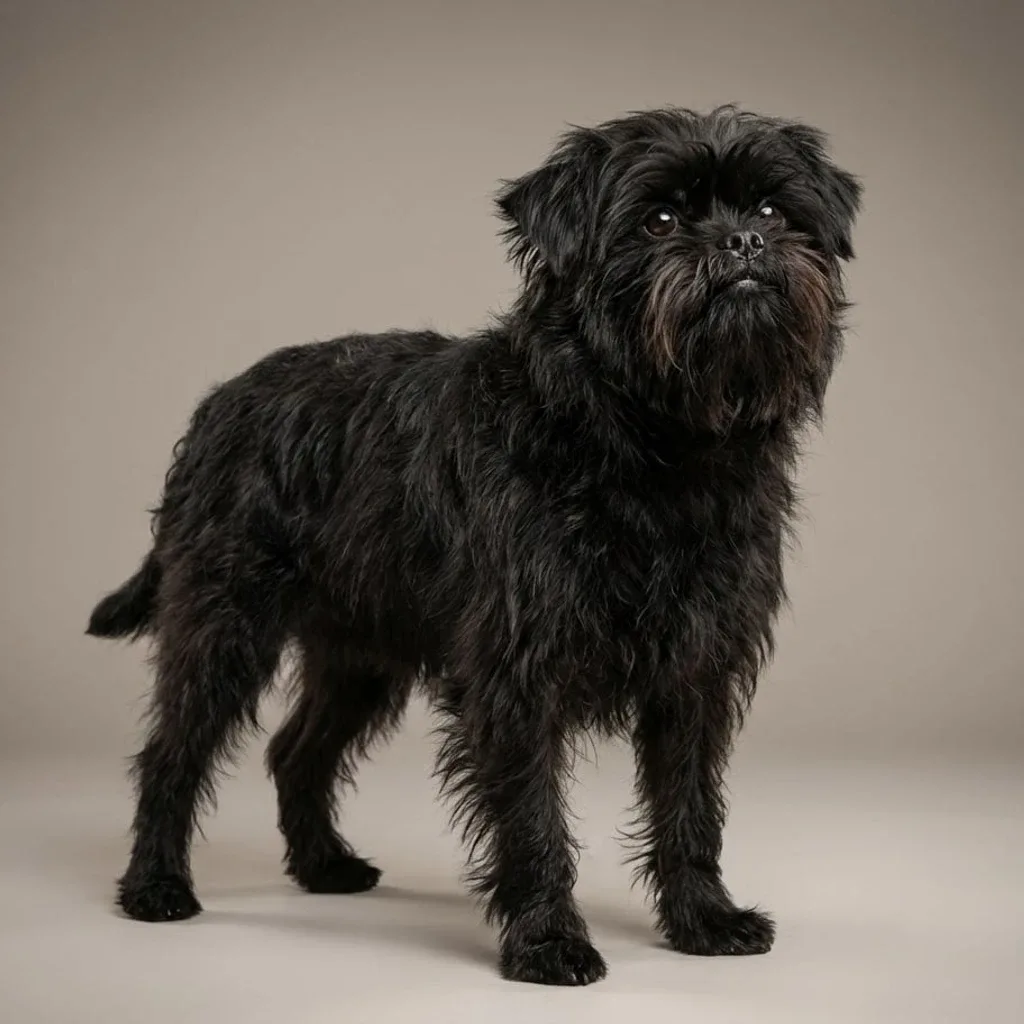
Affenpinscher
The Affenpinscher is a sturdy, monkey-like terrier-type toy breed known for its confidence and playful spirit. Despite its small size, it possesses a courageous heart and a loyal personality, making it a wonderful companion for Kiwi apartment dwellers or those with smaller sections.
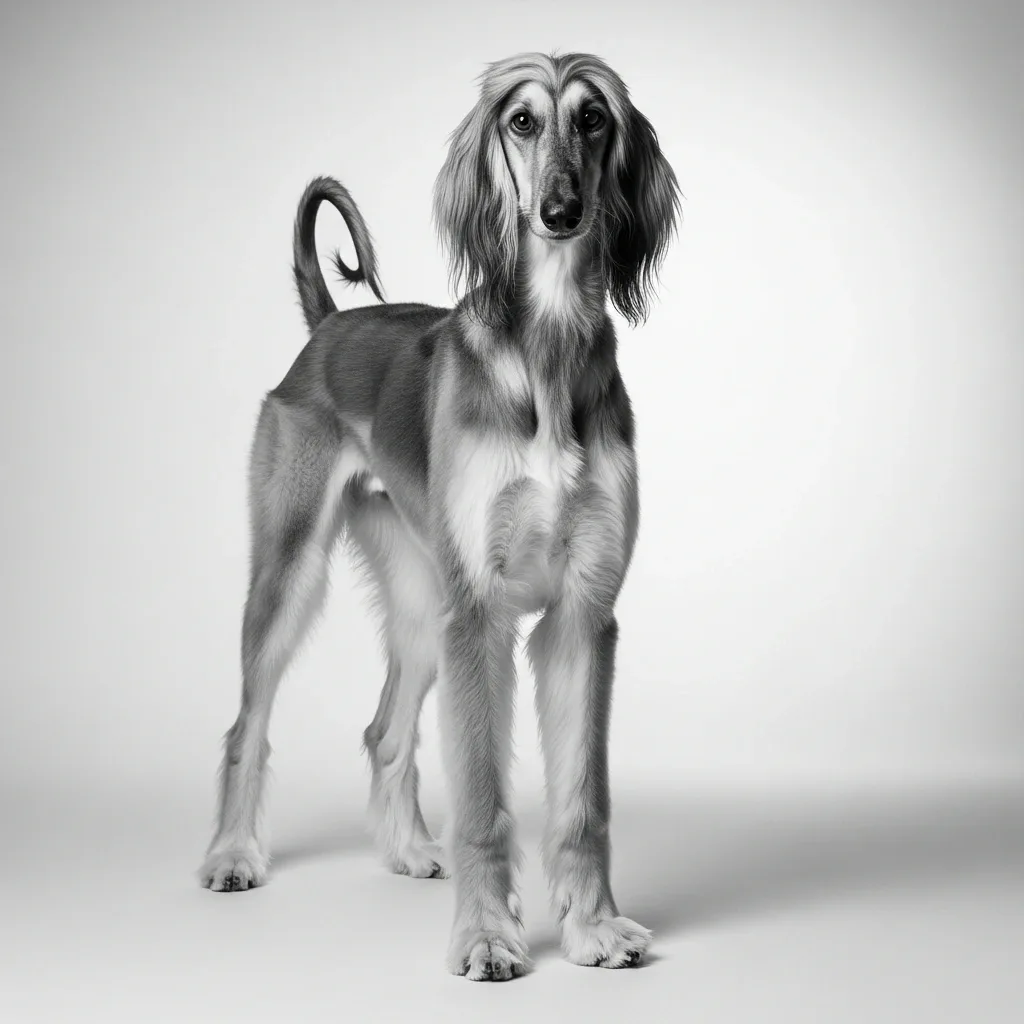
Afghan Hound
The Afghan Hound is an elegant aristocrat with a dignified and aloof personality. Known for its striking, silky coat, this breed is a high-maintenance beauty that requires ample space to run and an owner dedicated to its complex grooming needs.
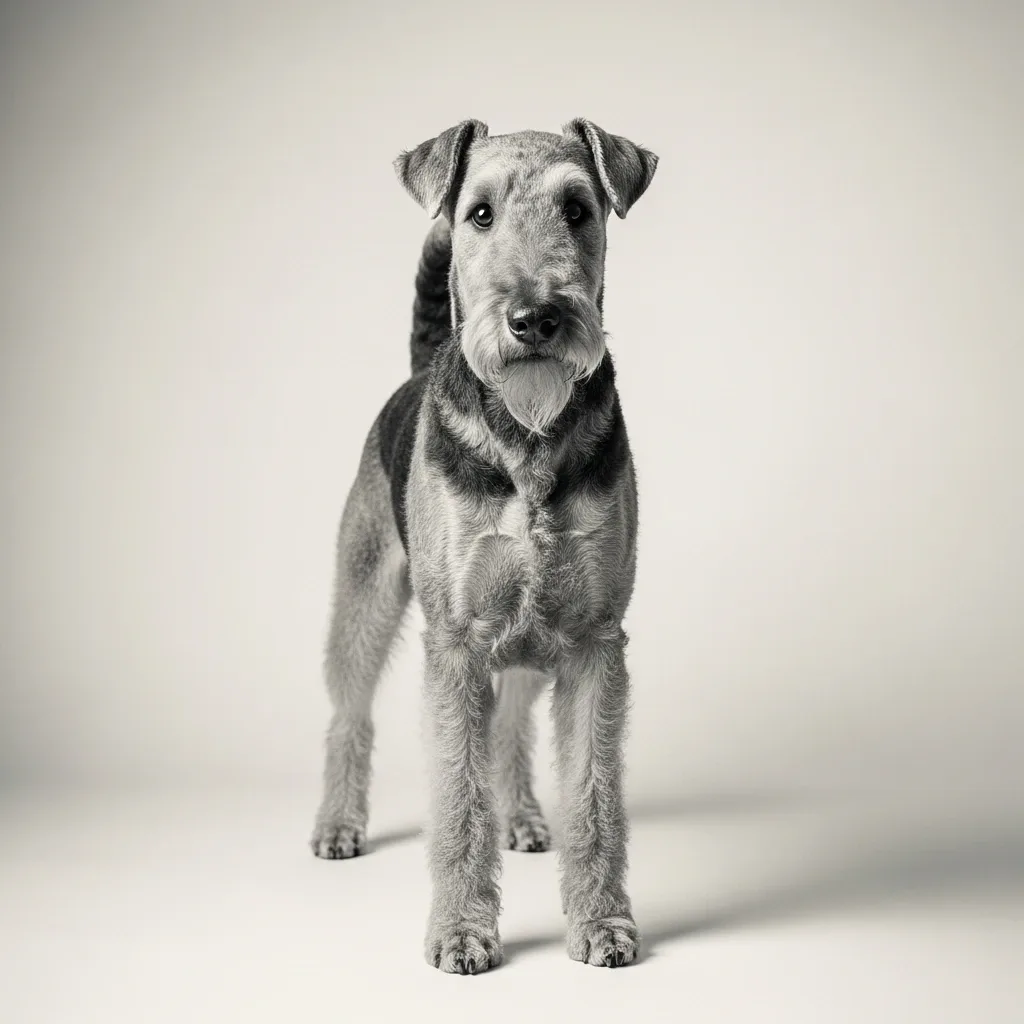
Airedale Terrier
The 'King of Terriers', the Airedale is the largest of all terrier breeds. They are brave, hardworking, and highly intelligent, making them excellent partners for active Kiwi families who love tramping and outdoor adventures.
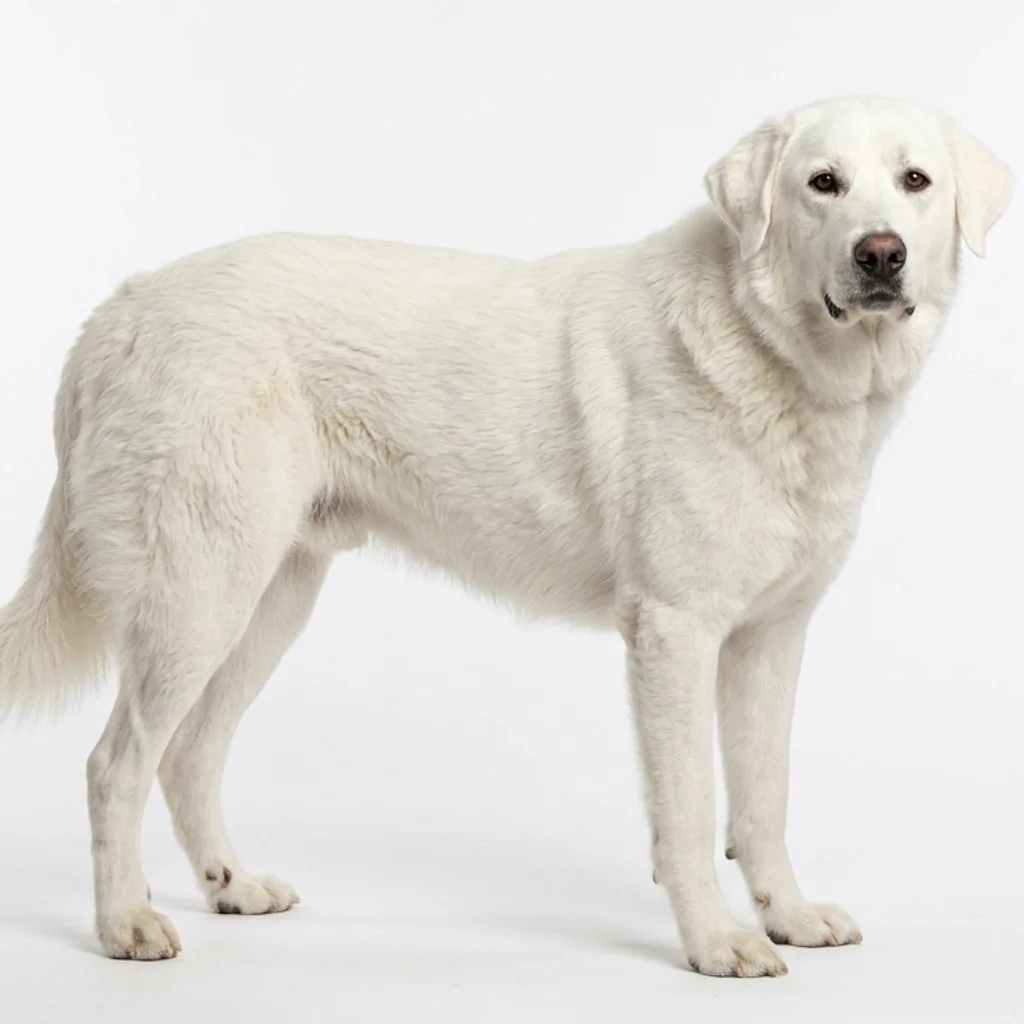
Akbash Dog
Originally a Turkish livestock guardian, the Akbash is a serious, protective, and independent breed. They are not suited for apartment living and thrive on large NZ lifestyle blocks where they can have a 'territory' to watch over.