Dog Breed Guide NZ
Newfoundland
The majestic Newfoundland is a true gentle giant, renowned for its sweet nature, impressive swimming ability, and 'nanny dog' reputation. Hailing from Canada, these massive, devoted companions are deeply loyal to their human families, making them wonderful additions to homes with plenty of space. Their calm demeanour and intelligence mean they thrive on companionship and purpose, often excelling in water rescue and therapy work. In New Zealand, a Newfoundland fits best with active families who can provide a secure, spacious section and are prepared for their grooming needs, ensuring they can enjoy our beautiful outdoors, from beaches to reserves, while staying cool in summer.
Photo Gallery
Breed Snapshot
- Size
- Male: 59-68 kg; Female: 45-54 kg
- Lifespan
- 9-10 years
- Origin
- Being enriched
- Temperament
- Gentle, loyal, devoted, calm, intelligent
- NZ Price
- $3,000 - $5,000 NZD from registered breeders; $150-$350 NZD adoption via SPCA
- Annual Vet Cost
- Estimated annual vet costs for a Newfoundland in NZ can range from $800 - $1,500 NZD for routine care, including vaccinations, flea/worm treatments, and annual check-ups. However, due to breed-specific health issues such as hip and elbow dysplasia, subvalvular aortic stenosis (SAS), and cystinuria, costs can significantly increase. Diagnostic tests for these conditions can be hundreds to thousands of dollars, and ongoing management or surgery for severe cases could run into several thousands. Pet insurance is highly recommended to help mitigate these potential expenses.
Personality Scores
NZ Lifestyle Fit
Newfoundlands are generally not suited for apartment living, even in cities like Auckland, due to their immense size and need for space. A house with a generous, securely fenced section is far more appropriate, allowing them room to roam and relax outdoors. For rural New Zealand farm life, they can thrive as companions, though they aren't traditional working farm dogs. Owners must be mindful of their thick double coat in Auckland's humid summers, ensuring ample shade, cool water, and avoiding midday exercise to prevent overheating. Conversely, their coat makes them well-suited for the colder South Island winters. High UV exposure in NZ means sun protection, especially for lighter-coloured Newfoundlands, is important. There are no specific restrictions on owning Newfoundlands by MPI (Ministry for Primary Industries) in New Zealand, but local council bylaws regarding dog control, leash laws, and property fencing must always be adhered to.
Origins & History
The Newfoundland dog's history is as rich and robust as the breed itself, deeply intertwined with the rugged coastlines of Newfoundland, Canada. Believed to be descendants of indigenous dogs and the Great Pyrenees or Tibetan Mastiffs brought by European fishermen, these dogs were bred for a life of hard work in harsh conditions. Their primary role was to assist fishermen, pulling nets, hauling lines, and, most famously, performing water rescues. Their powerful build, thick water-resistant coat, and webbed feet made them perfectly suited for the icy North Atlantic. The breed's reputation for bravery and life-saving instincts grew, with numerous tales of Newfoundlands rescuing sailors from shipwrecks. They were not just working dogs but also cherished companions, known for their gentle and protective nature, earning them the endearing moniker of 'nanny dogs' due to their patience and protectiveness with children.
Appearance
The Newfoundland is undeniably a large and powerful dog, exuding an air of dignity and strength. Males typically weigh between 59-68 kg, while females are slightly smaller at 45-54 kg, standing impressively tall at the shoulder. Their most striking feature is their dense, double coat, which is naturally water-resistant and comes in various colours including black, brown, grey, and the distinctive black and white 'Landseer' pattern. This thick coat provides insulation against cold water and harsh weather, a testament to their heritage. They possess a broad, heavy head, a kind and intelligent expression, and large, webbed feet that are perfectly adapted for swimming. Their deep chest and muscular build underscore their working dog lineage.
Temperament & Personality
Beneath their imposing size, Newfoundlands possess one of the most gentle and benevolent temperaments in the canine world. They are famously known for being incredibly gentle, loyal, and devoted to their families. Their calm and intelligent nature makes them highly trainable, though they can have a stubborn streak. Newfoundlands thrive on companionship and are not suited to being left alone for long periods. They are exceptionally patient and tolerant with children, often forming strong bonds and acting as watchful guardians, reinforcing their 'nanny dog' reputation. They generally get along well with other pets, provided they are properly socialised from a young age. Their desire to please and their calm disposition make them excellent therapy dogs.
Life in New Zealand
Bringing a Newfoundland into a New Zealand home requires careful consideration of our unique environment. Their thick double coat, while perfect for South Island winters, can be a challenge during humid Auckland summers. Owners must ensure access to shade, cool water, and avoid strenuous exercise during the hottest parts of the day to prevent overheating. Newfoundlands need space; a house with a secure, well-fenced section is ideal. They are not suited to apartment living due to their size and moderate exercise needs. Access to safe swimming spots, whether at the beach or a local lake, is a huge bonus for this water-loving breed. Regular grooming is essential to manage shedding and prevent matting, especially with our diverse weather conditions. New Zealand's beautiful reserves and dog-friendly beaches offer ample opportunities for exercise and mental stimulation.
Is This the Right Breed for You?
The Newfoundland is an exceptional companion, but they are not for everyone. Prospective owners must be prepared for a large dog with significant needs. They require consistent training and early socialisation to harness their intelligence and ensure they grow into well-adjusted adults. Their grooming demands are considerable, and their size means higher costs for food and veterinary care. While they are generally healthy, they are prone to certain breed-specific health issues. The ideal Newfoundland owner in New Zealand is someone who can provide a loving, spacious home, commit to their grooming and exercise requirements, and is prepared for the joy and responsibility of sharing their life with a truly gentle giant. If you're looking for a devoted, calm, and protective family member who loves the water, a Newfoundland might just be your perfect match.
Fun Facts
Fact 1
Newfoundlands have naturally webbed feet, making them exceptional swimmers and perfectly suited for water rescue work.
Fact 2
A Newfoundland named Seaman famously accompanied explorers Lewis and Clark on their expedition across America in the early 19th century.
Fact 3
The breed's thick, oily double coat is virtually waterproof, allowing them to withstand icy waters without getting chilled.
Fact 4
Newfoundlands are often referred to as 'nanny dogs' due to their gentle temperament and protective instincts towards children.
Fact 5
One Newfoundland, named Gander, was posthumously awarded the Dickin Medal for bravery during World War II, saving Canadian soldiers.
Related Breeds
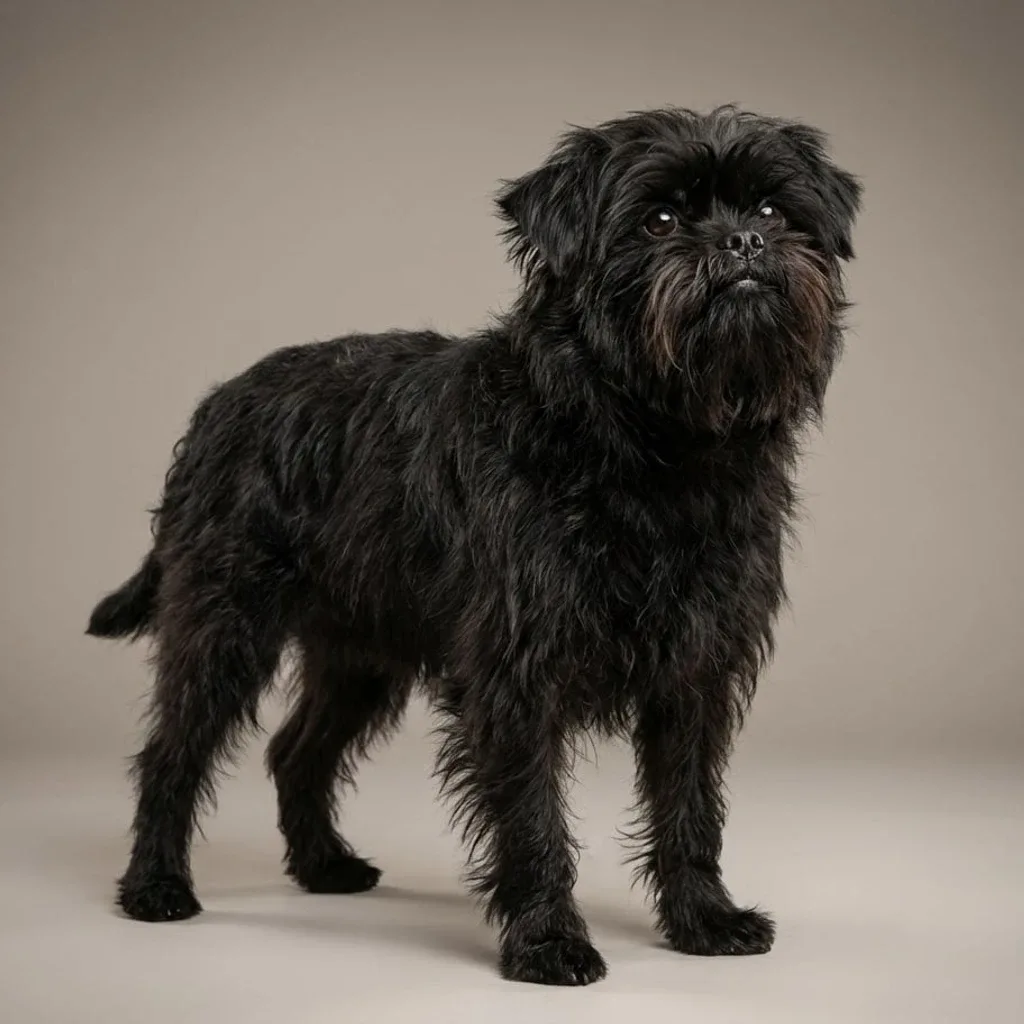
Affenpinscher
The Affenpinscher is a sturdy, monkey-like terrier-type toy breed known for its confidence and playful spirit. Despite its small size, it possesses a courageous heart and a loyal personality, making it a wonderful companion for Kiwi apartment dwellers or those with smaller sections.
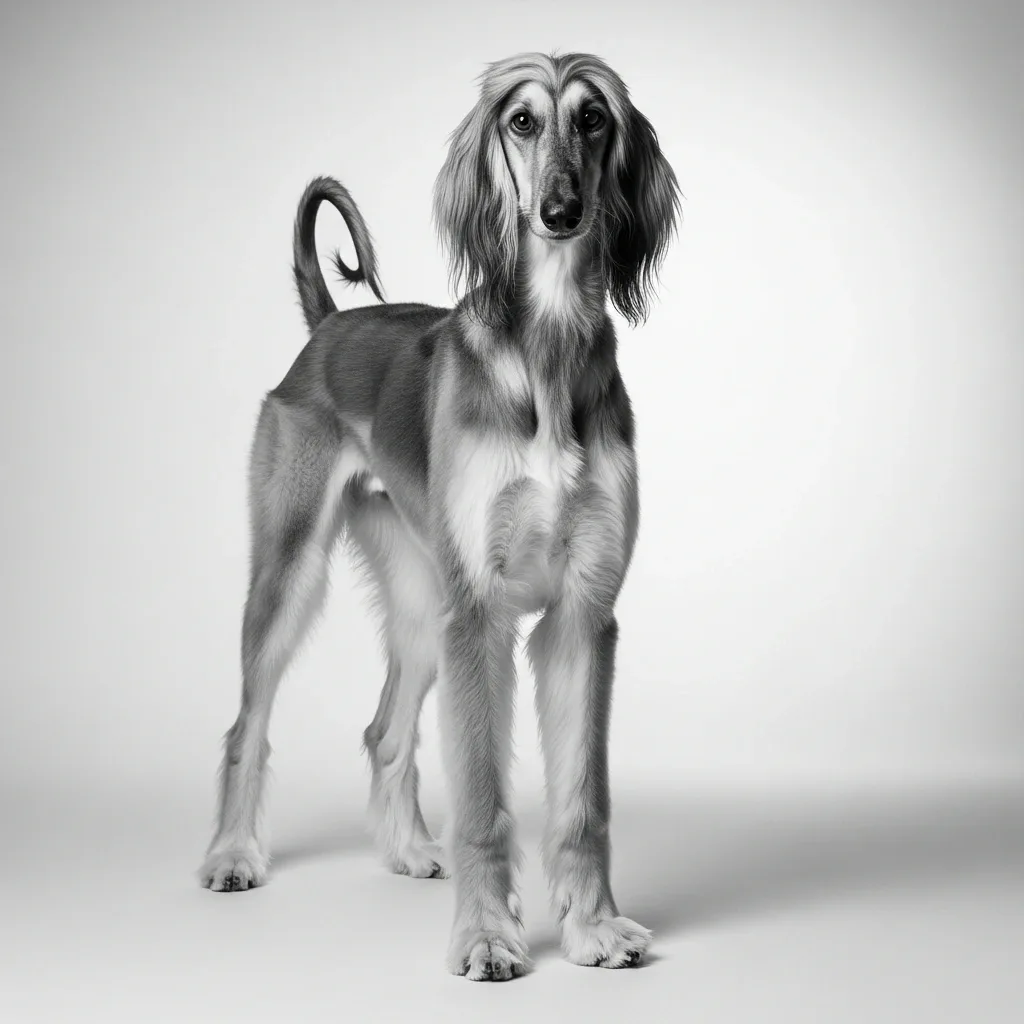
Afghan Hound
The Afghan Hound is an elegant aristocrat with a dignified and aloof personality. Known for its striking, silky coat, this breed is a high-maintenance beauty that requires ample space to run and an owner dedicated to its complex grooming needs.
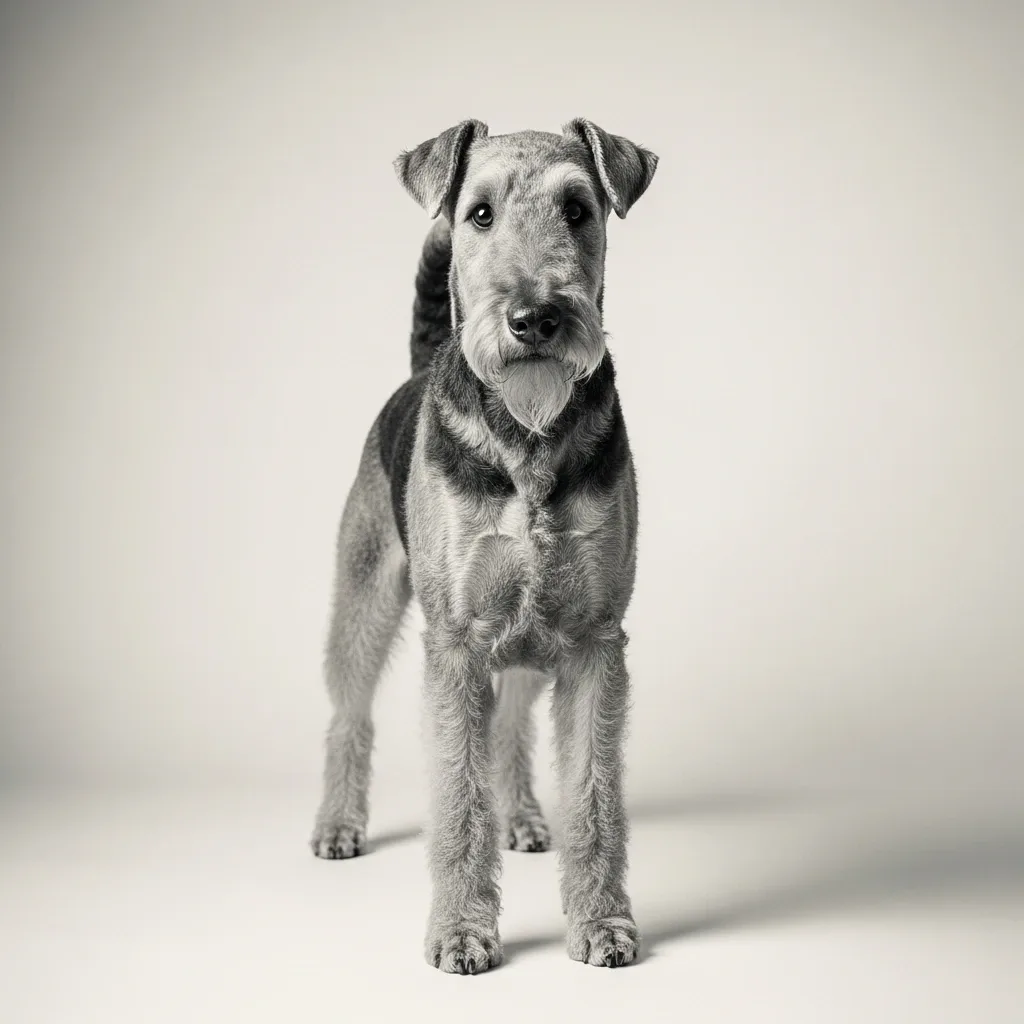
Airedale Terrier
The 'King of Terriers', the Airedale is the largest of all terrier breeds. They are brave, hardworking, and highly intelligent, making them excellent partners for active Kiwi families who love tramping and outdoor adventures.
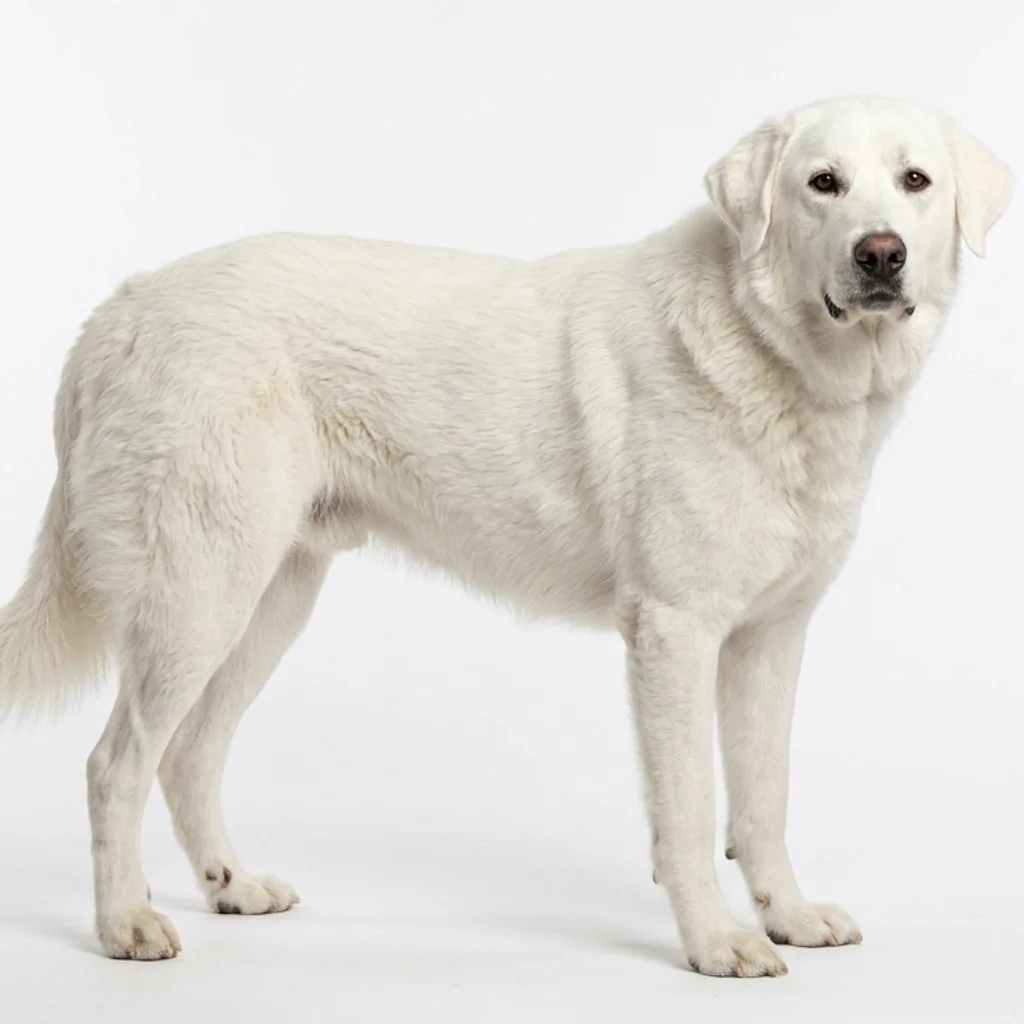
Akbash Dog
Originally a Turkish livestock guardian, the Akbash is a serious, protective, and independent breed. They are not suited for apartment living and thrive on large NZ lifestyle blocks where they can have a 'territory' to watch over.