Dog Breed Guide NZ
Mastiff
The Mastiff, a truly colossal yet gentle giant, stands out as one of the largest dog breeds, renowned for its dignified presence and unwavering loyalty. Despite their imposing size, these magnificent canines are surprisingly low-energy indoors, preferring to lounge near their beloved family. Originating from ancient war dogs, today's Mastiff is a devoted protector with a calm demeanour, making them excellent companions for those who appreciate a serene, yet formidable presence. In New Zealand, their adaptable nature means they can thrive in homes with ample space, offering a unique blend of majestic beauty and affectionate companionship, perfectly suited for a relaxed Kiwi lifestyle where they can be an integral part of the family.
Photo Gallery
Breed Snapshot
- Size
- 54-100 kg
- Lifespan
- 8-10 years
- Origin
- Being enriched
- Temperament
- The Mastiff should be courageous, dignified and good-natured, with grandeur balanced by docility. It is usually calm and loyal at home, but its size and protective instinct make early manners and socialisation essential.
- NZ Price
- $2,500 - $4,500 NZD from registered breeders; $300-$600 NZD adoption via SPCA or breed-specific rescues
- Annual Vet Cost
- Estimated annual vet costs for a Mastiff in NZ can range from $1,500 - $3,000 NZD, significantly higher than smaller breeds due to medication dosages and potential for complex surgeries. This includes routine check-ups, vaccinations, flea/worm treatments, and pet insurance premiums. Breed-specific health issues like hip and elbow dysplasia, osteosarcoma (bone cancer), bloat (gastric torsion), and eye conditions (entropion/ectropion) can incur substantial costs, often requiring specialist veterinary care, X-rays, and surgical interventions which can run into thousands of dollars per incident. Regular preventative care and early detection are crucial for managing these conditions.
Personality Scores
NZ Lifestyle Fit
Mastiffs in New Zealand require specific considerations due to their size and the local environment. An apartment in Auckland, even a large one, is generally not ideal for a Mastiff. While they are low-energy indoors, their sheer bulk requires space to move comfortably without feeling cramped, and navigating stairs frequently can be hard on their joints. A house with a good-sized, securely fenced section is far more suitable, allowing them space to stretch their legs and patrol their territory. Rural NZ farms can also be excellent, provided they are kept as family companions and not expected to be working dogs, as their protective instincts are geared towards family and home rather than livestock herding. Auckland's humid summers can be challenging for Mastiffs due to their brachycephalic tendencies (though less pronounced than some other breeds) and heavy build, making them prone to overheating. Owners must ensure constant access to shade, cool water, and avoid strenuous exercise during the hottest parts of the day. Conversely, South Island's cold winters mean their short coats offer little protection, so a warm, dry indoor sleeping area is essential. High UV levels across NZ necessitate shade and vigilance against sunburn, especially on lighter-coated areas or noses. MPI (Ministry for Primary Industries) does not have specific restrictions on Mastiffs, but local council bylaws regarding dog control, leash laws, and nuisance barking always apply.
Origins & History
The Mastiff, often referred to as the English Mastiff, boasts an ancient and storied lineage, tracing its roots back thousands of years. Descendants of the Molossus dogs of antiquity, these powerful canines were known to have accompanied Julius Caesar's legions to Britain, where they were used as war dogs, gladiatorial combatants, and guardians of estates. Their formidable size and courage made them invaluable. Over centuries, their role evolved, transitioning from fierce warriors to noble protectors and companions. Despite facing near extinction during World War II, dedicated breeders in both the UK and North America worked tirelessly to revive the breed, ensuring the survival of this magnificent dog. Today, the Mastiff embodies a rich history of strength, loyalty, and gentle guardianship, a testament to its enduring appeal.
Appearance
The Mastiff is undeniably impressive in stature, holding the distinction of being one of the heaviest dog breeds. Males typically stand between 76-86 cm at the shoulder and can weigh anywhere from 70-100 kg, sometimes even more. Females are slightly smaller but still substantial. Their massive, well-muscled body is covered by a short, dense coat, which comes in various shades of fawn, apricot, or brindle, always with a distinctive dark mask around the eyes and muzzle. They possess a broad, massive head with a wrinkled forehead, giving them a perpetually thoughtful or slightly worried expression. Their eyes are dark and kind, reflecting their gentle nature, while their ears are V-shaped and typically carried close to the head. The overall impression is one of immense power, dignity, and a surprisingly soft disposition.
Temperament & Personality
Beneath their imposing exterior, Mastiffs are renowned for their gentle, affectionate, and docile temperament. They are often described as "gentle giants" and are deeply devoted to their families, forming strong bonds with all members, including children. While courageous and protective, their protective instincts are typically expressed through their intimidating presence and a deep, resonant bark rather than aggression. They are generally calm and quiet indoors, content to nap and observe their surroundings. However, they do require a confident, calm leader who can establish clear boundaries and provide consistent training. Early socialisation is crucial to ensure they grow into well-adjusted adults. They are not typically high-energy dogs, but they do enjoy their daily strolls and interaction with their human companions. Their patience and tolerance make them wonderful family pets, provided they are given the space and attention they deserve.
Life in New Zealand
Bringing a Mastiff into a New Zealand home means welcoming a loving, loyal, and large family member. Their calm indoor demeanour makes them surprisingly adaptable, though their sheer size necessitates a home with ample space, ideally a house with a decent, securely fenced section. While they don't require extensive exercise, regular, moderate walks are essential to keep them healthy and prevent obesity, a common issue for large breeds. New Zealand's diverse climate, from Auckland's humid summers to the South Island's crisp winters, means owners need to be mindful of their Mastiff's comfort. They are generally not suited to extreme heat due to their short snouts and heavy build, so shade and cool water are vital in summer. Conversely, their short coats mean they appreciate a warm, dry spot indoors during colder months. Responsible ownership includes early and consistent training and socialisation, easily accessible through numerous NZ dog training clubs and classes.
Is This the Right Breed for You?
The Mastiff is an exceptional breed, but not one for every household. They thrive with owners who understand and appreciate their unique combination of size, strength, and gentle nature. Ideal owners are those who can provide a spacious home, a secure outdoor area, and are committed to consistent training and socialisation from a young age. They are excellent with children and other pets when properly introduced, making them wonderful family dogs. However, their size means they can accidentally knock over small children or elderly individuals, so supervision is always key. Prospective owners must also be prepared for the significant financial commitment involved in feeding and caring for a giant breed, including potential vet costs for breed-specific health issues. If you're looking for a loyal, protective, and affectionate companion who will fill your home with a majestic presence and a gentle heart, and you can meet their specific needs, a Mastiff could be the perfect addition to your Kiwi whānau.
Fun Facts
Fact 1
The Mastiff is one of the heaviest dog breeds in the world, with some individuals weighing over 100 kg.
Fact 2
Despite their intimidating size, Mastiffs are often referred to as 'gentle giants' due to their calm and affectionate nature.
Fact 3
Mastiffs have an ancient lineage, believed to have descended from the Molossus dogs of ancient Greece and Rome.
Fact 4
A Mastiff named Zorba held the Guinness World Record for the heaviest dog, weighing 156 kg in 1989.
Fact 5
They are known for their deep, resonant bark, which serves as an effective deterrent to potential intruders.
Related Breeds
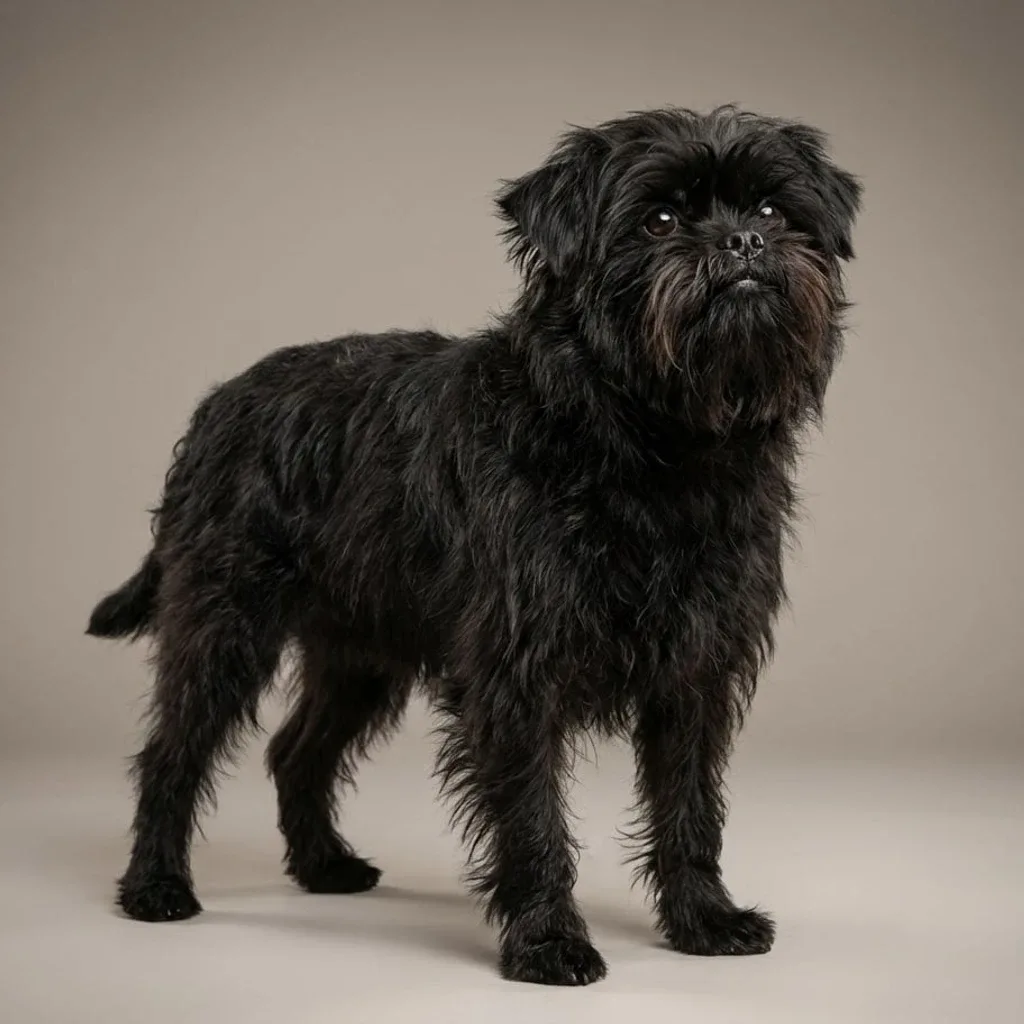
Affenpinscher
The Affenpinscher is a sturdy, monkey-like terrier-type toy breed known for its confidence and playful spirit. Despite its small size, it possesses a courageous heart and a loyal personality, making it a wonderful companion for Kiwi apartment dwellers or those with smaller sections.
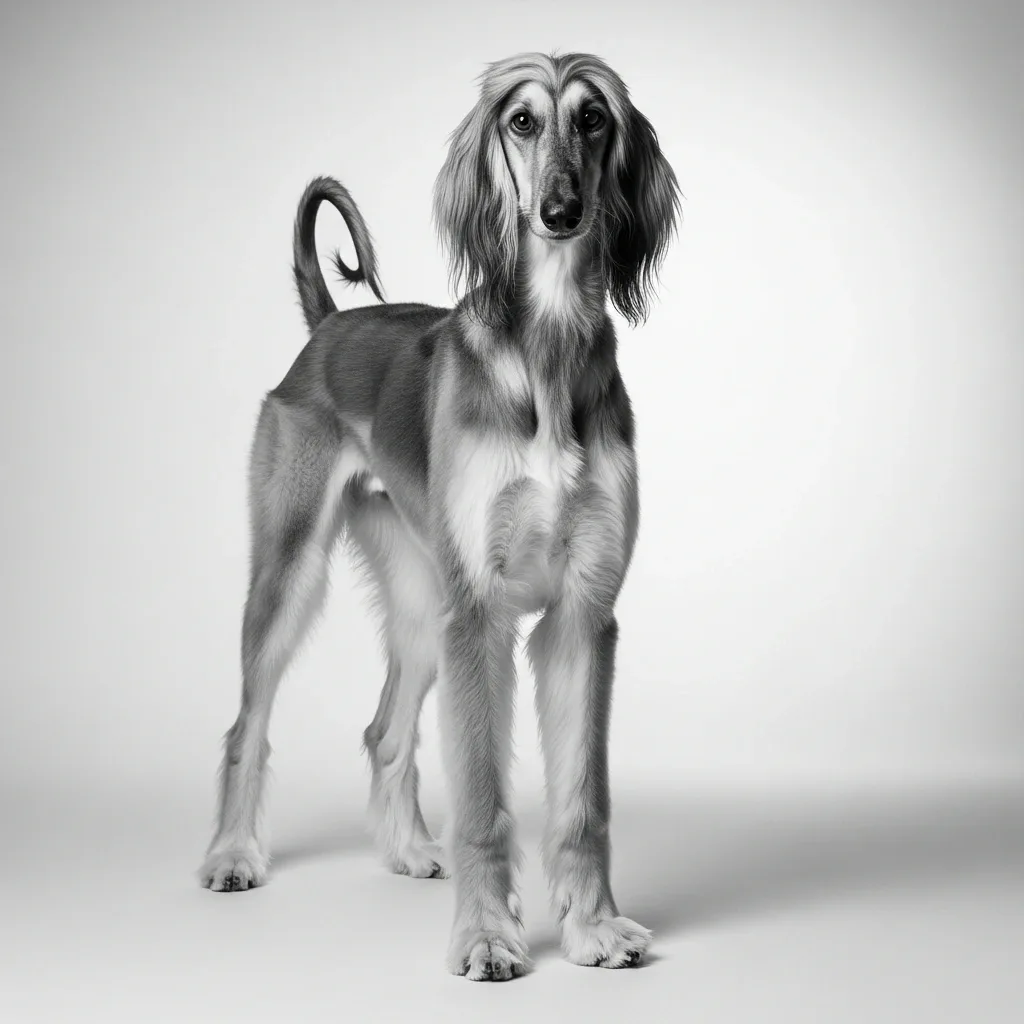
Afghan Hound
The Afghan Hound is an elegant aristocrat with a dignified and aloof personality. Known for its striking, silky coat, this breed is a high-maintenance beauty that requires ample space to run and an owner dedicated to its complex grooming needs.
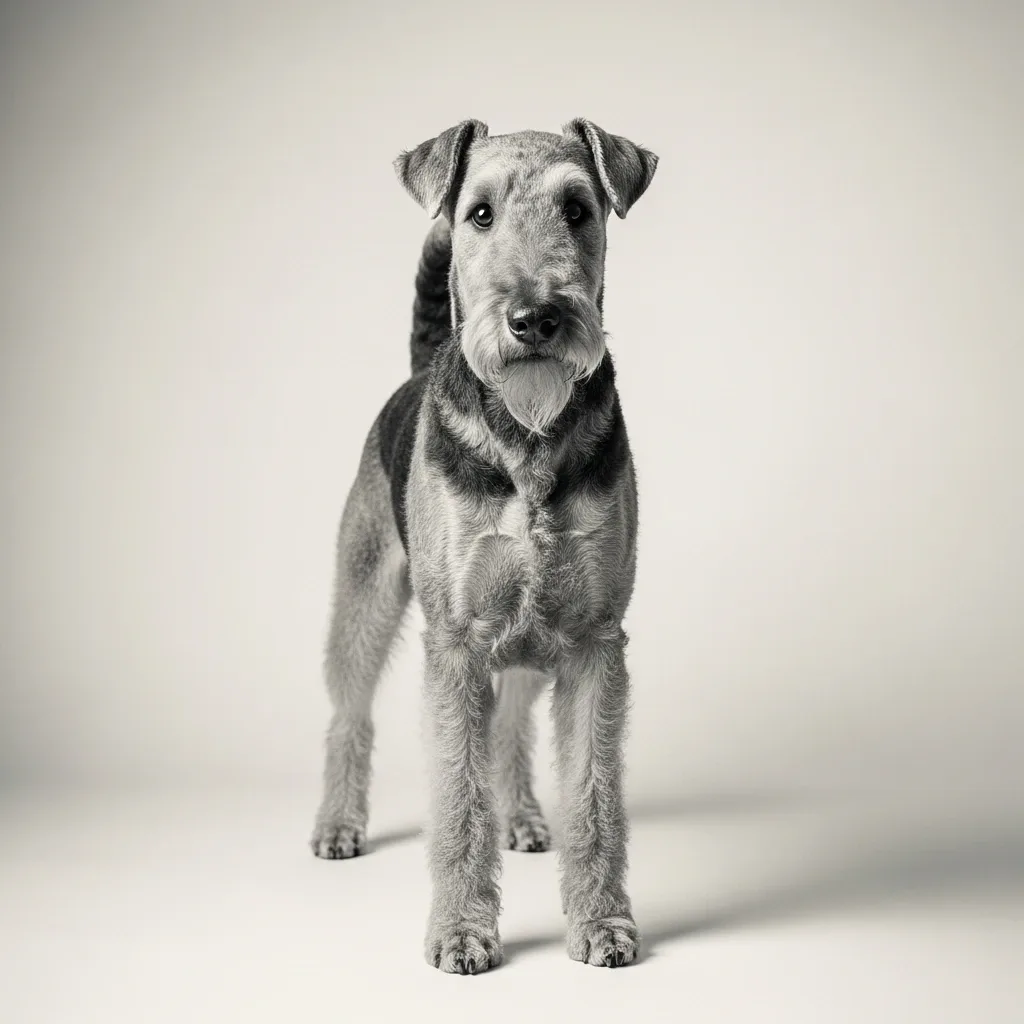
Airedale Terrier
The 'King of Terriers', the Airedale is the largest of all terrier breeds. They are brave, hardworking, and highly intelligent, making them excellent partners for active Kiwi families who love tramping and outdoor adventures.
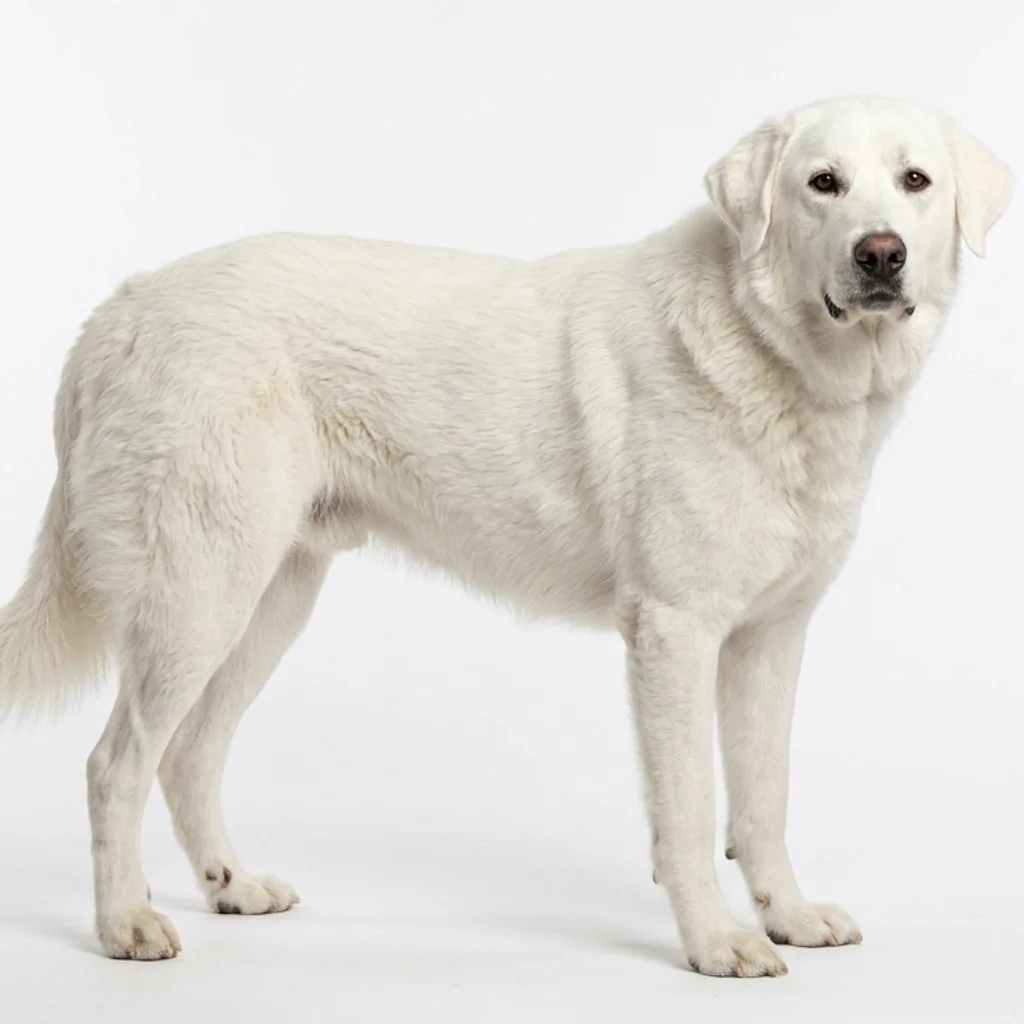
Akbash Dog
Originally a Turkish livestock guardian, the Akbash is a serious, protective, and independent breed. They are not suited for apartment living and thrive on large NZ lifestyle blocks where they can have a 'territory' to watch over.