Dog Breed Guide NZ
Maltipoo
The Maltipoo is a sweet, small-breed companion dog created by crossing the Maltese with a Toy or Miniature Poodle. Famous for their puppy-like appearance and loving nature, they thrive in companion-oriented NZ homes.
Photo Gallery
Breed Snapshot
- Size
- Toy: 2.5–5 kg; Miniature: 5–8 kg
- Lifespan
- 12–15 years
- Origin
- United States
- Temperament
- Affectionate, gentle, playful, loyal, smart, active
- NZ Price
- $2,500 – $4,500+ NZD from reputable NZ breeders (toy-sized and apricot/red colours command premium prices); $150 – $450 NZD via rescues.
- Annual Vet Cost
- Routine annual veterinary care (check-ups, vaccinations, parasite prevention) costs roughly $400 – $800 NZD. Small-breed risks like periodontal disease, patellar luxation, and eye conditions can lead to treatments ranging from $1,500 to $5,000+ NZD. Annual dental cleaning under anaesthesia is common.
Personality Scores
NZ Lifestyle Fit
Maltipoos are an ideal fit for Kiwi retirees, apartment dwellers, and townhouse owners in metropolitan NZ. They are companion-oriented and best suited to households where someone is home most of the day. Their small size and fine coat mean they do not tolerate cold South Island winters well, requiring warm dog coats and indoor heating. Because they are fragile, they are not recommended for households with toddlers or boisterous large dogs.
Origins & History
The Maltipoo is a modern designer crossbreed that originated in the United States during the late 1990s. The breed was deliberately created by crossing the ancient, gentle Maltese with the highly intelligent Toy or Miniature Poodle. The primary goal was to develop a small, affectionate companion pet that combined the sweet, lapdog nature of the Maltese with the low-shedding, clever qualities of the Poodle. In New Zealand, Maltipoos have become highly sought-after, particularly in urban areas like Auckland and Wellington, where compact townhouses and apartment living make small companion breeds incredibly practical.
Crossbreed Reality & Breed Characteristics
As a designer cross, the Maltipoo is not recognised as a standardized pedigree breed by organizations like Dogs New Zealand. Consequently, there is no uniform standard, and offspring can inherit any combination of physical and behavioural traits from the parent lines. First-generation (F1) crosses (Maltese crossed with a Toy Poodle) tend to show the most variation. While breeders often market Maltipoos as hypoallergenic and non-shedding, this cannot be guaranteed. Prospective owners must understand that shedding and dander levels vary, and mild allergies can still be triggered by proteins in the dog's saliva or urine.
Coat Types & Grooming Demands
Maltipoos possess a fine, soft coat that can range from slightly wavy to curly:
- Wavy Coat: A soft, silken coat that inherits the Maltese texture. This coat type sheds very little but requires combing down to the skin at least three times a week to prevent fine tangles from forming painful mats.
- Curly Coat: A dense, springy coat inheriting the Poodle lineage. It is virtually non-shedding but is highly prone to matting. Daily brushing is mandatory, and professional clipping is required every 6 to 8 weeks to maintain a clean style.
Because of their small jaws, Maltipoos have crowded teeth that trap food, making them highly susceptible to early periodontal disease. Daily dental brushing is a critical grooming requirement that owners must start during puppyhood. Furthermore, their tear ducts are prone to staining, requiring daily gentle wiping around the eyes.
Temperament & Socialisation
Maltipoos are renowned for their gentle, playful, and affectionate temperaments. They form deep bonds with their human companions, making them the ultimate lapdogs. They are intelligent, eager to please, and respond well to gentle training methods. However, their highly social and companion-oriented nature makes them particularly vulnerable to separation anxiety. They do not tolerate being left alone for long workdays and can develop vocal barking habits or house-soiling behaviours if neglected. Gentle biddability training and crate socialisation from day one help build confidence.
Health & Exercise Needs
Despite their small size, Maltipoos have relatively high energy levels but low exercise requirements. A 30 to 45-minute daily walk combined with indoor play is usually sufficient. Physically, they are fragile and not suited to homes with very young children who might accidentally drop or injure them. Hereditary health concerns include patellar luxation (slipping kneecaps), dental disease, tracheal collapse (weak windpipe), and Progressive Retinal Atrophy (PRA). Owners must protect them from cold temperatures; during New Zealand's winter months, they require a warm coat and should live strictly indoors.
For more details on adopting dogs and puppies in New Zealand, visit the SPCA New Zealand guide.
Fun Facts
Fact 1
Maltipoos retain their cute, puppy-like appearance well into their adult and senior years, earning them the nickname 'eternal puppies'.
Fact 2
The name 'Maltipoo' is the most common term, but they are also sometimes referred to as 'Moodle' in New Zealand, though this can lead to online confusion.
Fact 3
Because of their quiet, affectionate nature, they make exceptional lapdogs and are popular among retirees and apartment dwellers in NZ.
Fact 4
They can have a range of coat colours, from pure white (Maltese gene) to cream, apricot, red, black, and silver (Poodle gene).
Fact 5
Maltipoos are highly sensitive to their owner's emotions and are known to be vocal alert dogs, barking at visitors or unusual sounds.
Related Breeds
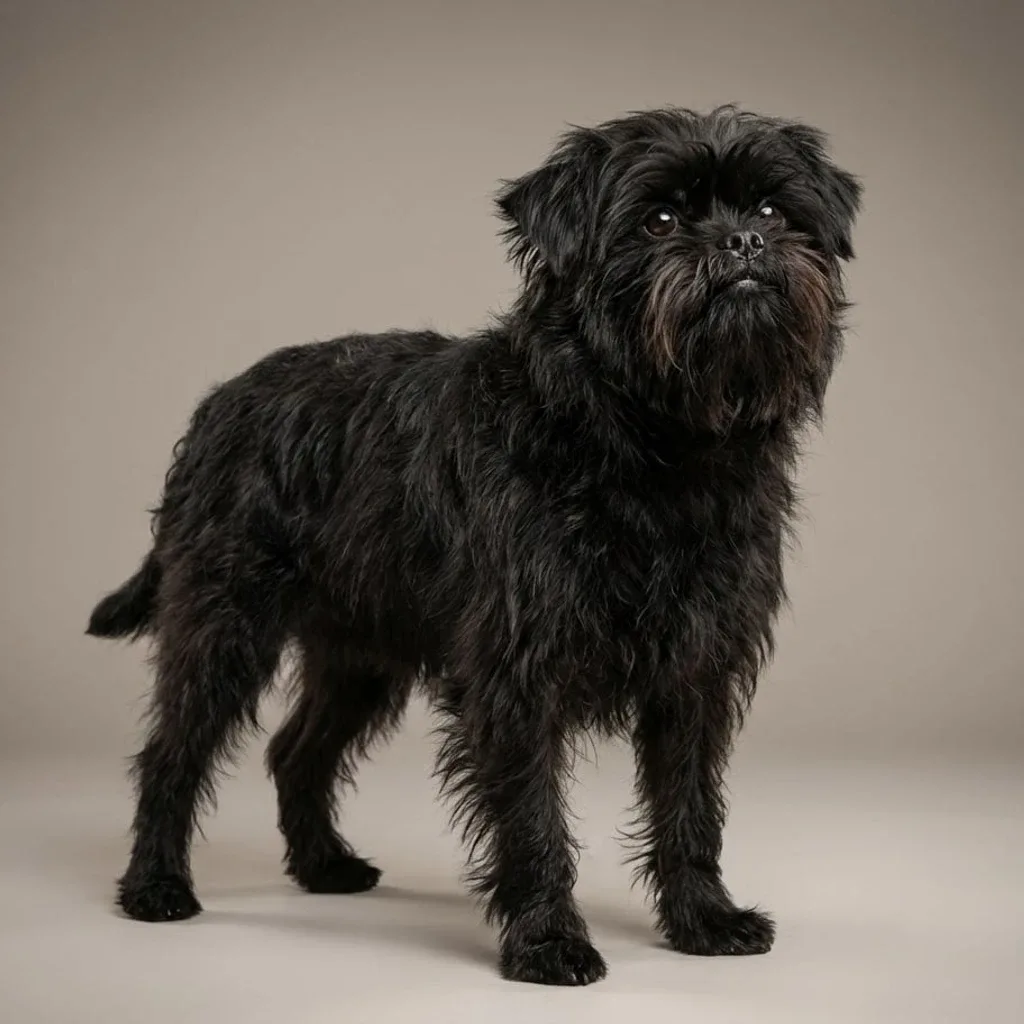
Affenpinscher
The Affenpinscher is a sturdy, monkey-like terrier-type toy breed known for its confidence and playful spirit. Despite its small size, it possesses a courageous heart and a loyal personality, making it a wonderful companion for Kiwi apartment dwellers or those with smaller sections.
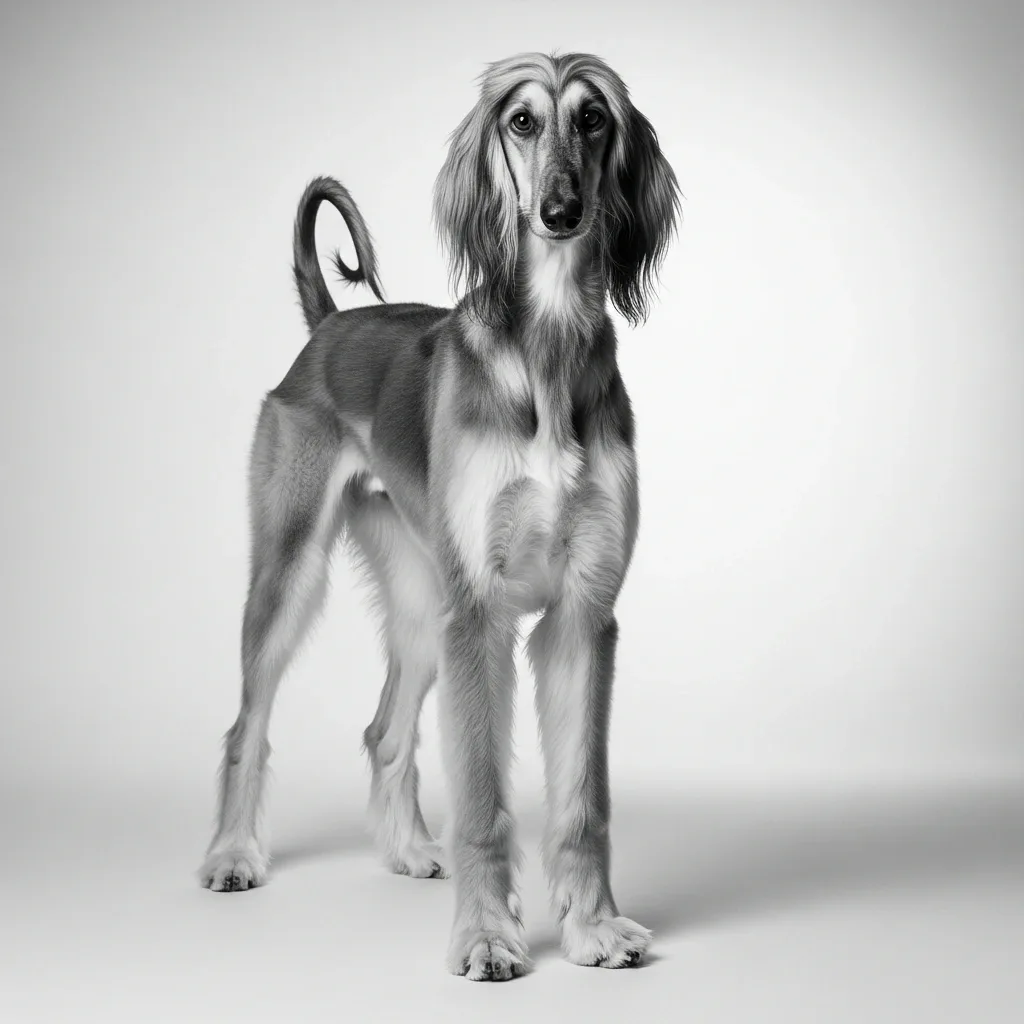
Afghan Hound
The Afghan Hound is an elegant aristocrat with a dignified and aloof personality. Known for its striking, silky coat, this breed is a high-maintenance beauty that requires ample space to run and an owner dedicated to its complex grooming needs.
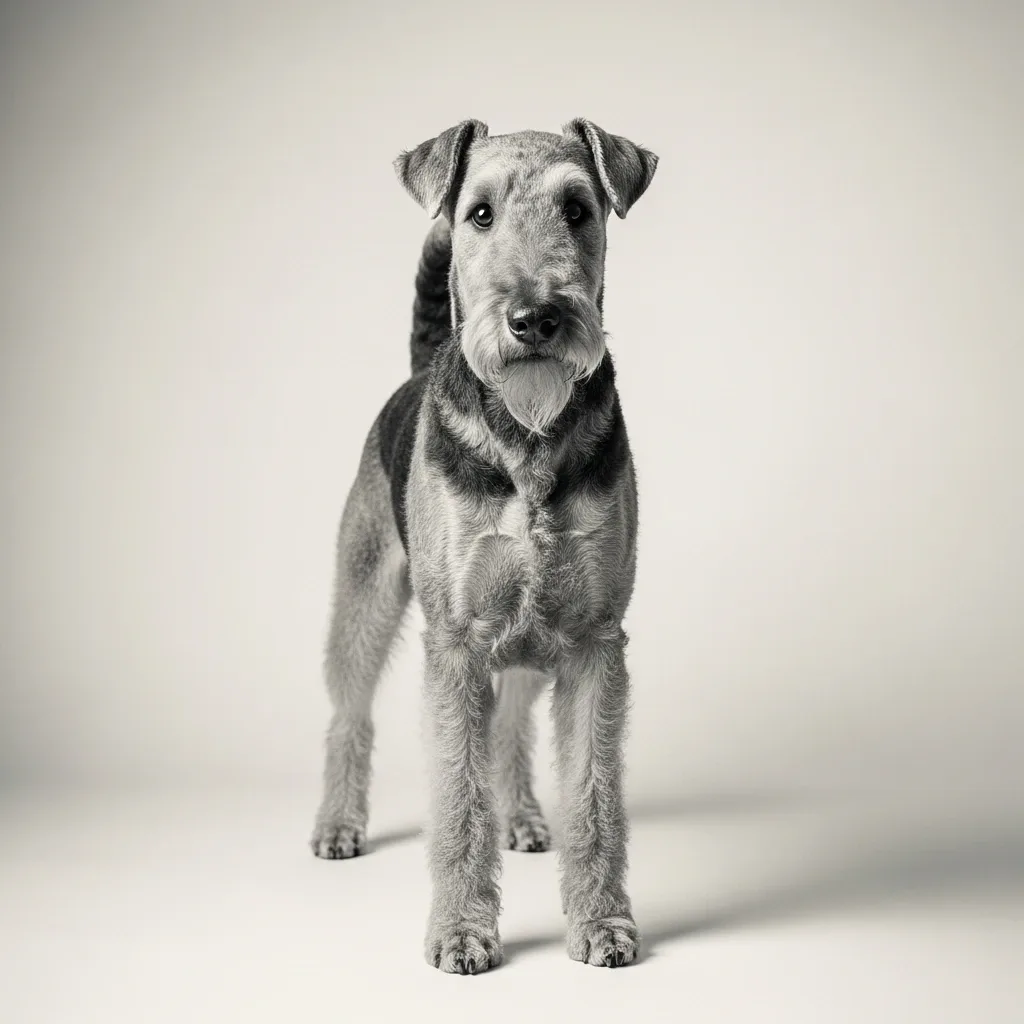
Airedale Terrier
The 'King of Terriers', the Airedale is the largest of all terrier breeds. They are brave, hardworking, and highly intelligent, making them excellent partners for active Kiwi families who love tramping and outdoor adventures.
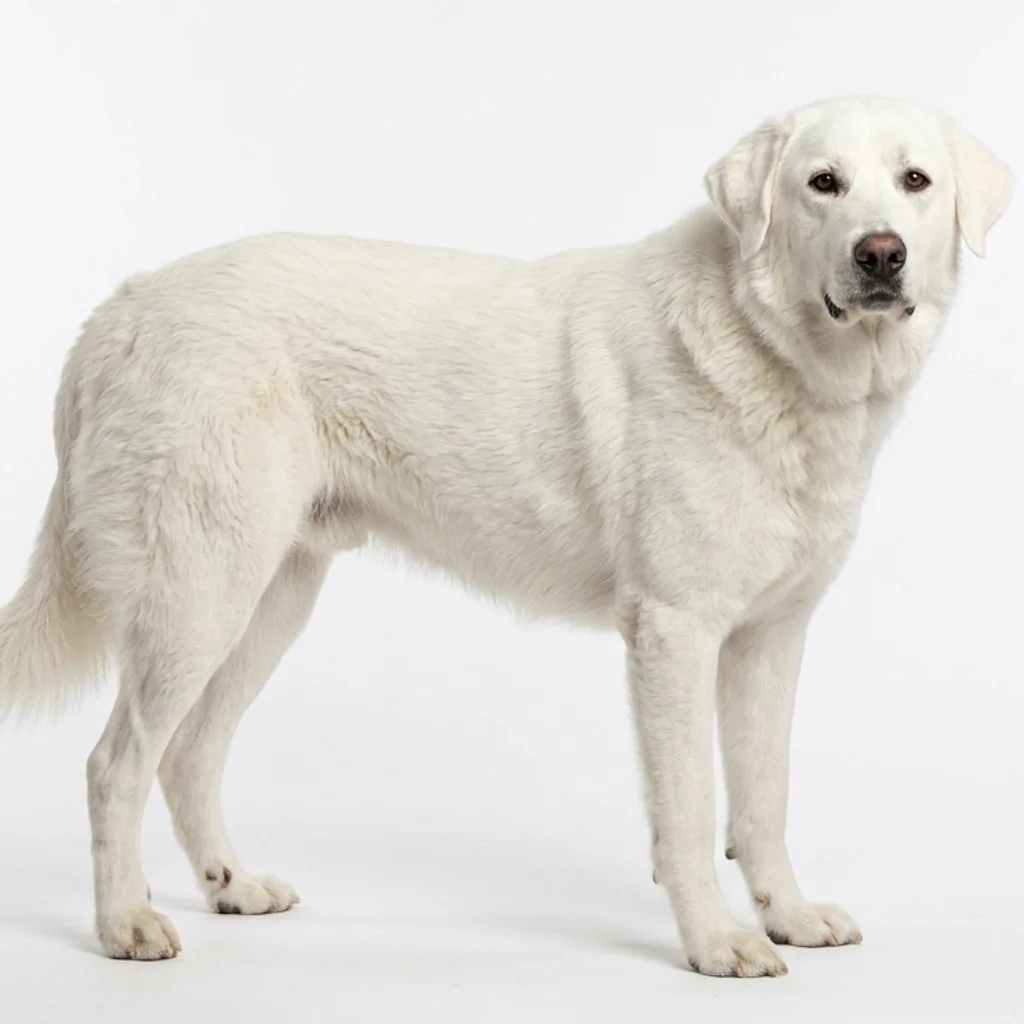
Akbash Dog
Originally a Turkish livestock guardian, the Akbash is a serious, protective, and independent breed. They are not suited for apartment living and thrive on large NZ lifestyle blocks where they can have a 'territory' to watch over.