Dog Breed Guide NZ
Maltese
The Maltese is a captivating toy breed renowned for its stunning, floor-length white silky coat and charming personality. These ancient lap dogs are incredibly gentle, affectionate, and fearless, thriving on human companionship. Despite their delicate appearance, they are playful and alert, making them excellent watchdogs for their size. Perfectly suited for apartment living, the Maltese adapts beautifully to the urban Kiwi lifestyle, offering boundless love and a touch of elegance to any New Zealand home. Their manageable size and adaptable nature make them a popular choice for city dwellers across Aotearoa.
Photo Gallery
Breed Snapshot
- Size
- 1.8-3.2 kg
- Lifespan
- 12-15 years
- Origin
- Being enriched
- Temperament
- Playful, gentle, affectionate, charming, fearless, alert, adaptable
- NZ Price
- $1,500 - $4,000 NZD from registered breeders; $150-$350 NZD adoption via SPCA (when available)
- Annual Vet Cost
- Estimated annual vet costs for a Maltese in NZ typically range from $400 - $800 NZD. This includes routine check-ups, vaccinations, flea and worm treatments. However, due to breed-specific health issues like dental disease, luxating patella, and collapsed trachea, owners should budget an additional $500 - $1,500+ NZD for potential treatments or surgeries if these conditions arise. Regular dental care can help mitigate significant dental costs.
Personality Scores
NZ Lifestyle Fit
The Maltese is an outstanding choice for apartment living in New Zealand cities like Auckland, Wellington, or Christchurch. Their small size and low exercise needs mean they can thrive in a smaller flat, provided they receive daily walks and plenty of indoor play. For homes with a section, they will enjoy supervised outdoor time but are not suited to being left outside, especially in Auckland's humid summers which can affect their coat, or the South Island's cold winters where they'll need warm indoor spaces and possibly a coat for walks. High UV levels across NZ mean sun protection or shade is important for their delicate skin if they spend time outdoors. Rural NZ farm life is generally unsuitable for a Maltese; they are not robust enough for a working environment and could be prone to injury or predation. There are no specific MPI restrictions on owning a Maltese in New Zealand, making them a straightforward pet choice for most Kiwi households.
Origins & History
The Maltese is one of the oldest toy breeds, with a history stretching back over two millennia. Originating from the central Mediterranean area, likely the island of Malta (hence their name), these dogs were cherished companions of ancient Greek and Roman nobility. They were often depicted in art and literature as symbols of status and beauty. Throughout history, the Maltese remained a favourite among European royalty and aristocracy, valued for their elegant appearance and affectionate nature. Their lineage is believed to trace back to dogs of the Spitz type, evolving into the gentle, refined companion we know today. Despite their ancient roots, the Maltese has maintained its distinctive characteristics and popularity as a beloved lapdog across the globe, including here in New Zealand.
Appearance
The most striking feature of the Maltese is undoubtedly its magnificent, pure white, silky coat. This single coat lacks an undercoat and can grow to be quite long, often reaching the floor. Their dark, expressive eyes, framed by a dark halo of pigmentation, and a black button nose provide a beautiful contrast to their pristine fur. Maltese are a small, compact breed, typically weighing between 1.8 to 3.2 kg, making them ideal for carrying and cuddling. They have a graceful gait and a proud, confident stance. Their ears are dropped, and their plumed tail curls over their back, adding to their elegant silhouette. Regular grooming is essential to maintain the beauty and health of their iconic coat.
Temperament & Personality
The Maltese possesses a delightful temperament, making them wonderful companions. They are known for being playful, gentle, and incredibly affectionate, forming strong bonds with their families. Despite their small stature, they are surprisingly fearless and possess an alert nature, often acting as excellent little watchdogs, quick to announce visitors or unusual sounds. Their charming personalities can melt hearts, and they thrive on being the centre of attention. They are highly adaptable and generally get along well with other pets and older, respectful children. While they love to play, they are equally content to snuggle on a lap, making them perfect for those seeking a devoted and loving companion.
Life in New Zealand
The Maltese is exceptionally well-suited to life in New Zealand, particularly for those living in urban environments. Their small size and moderate exercise requirements make them ideal for apartments or smaller homes with limited garden space, common in Auckland, Wellington, or Christchurch. They thrive on human companionship and prefer to be indoors with their families, making them excellent flatmates. Kiwi owners will find them adaptable to various lifestyles, from quiet retirees to active families who can include them in daily outings. Their low shedding coat is a bonus for many, though it does require dedicated grooming to prevent matting, especially with our humid summers. With proper care and socialisation, a Maltese can enjoy a full and happy life exploring New Zealand's dog-friendly parks and beaches (on leash, of course).
Is This the Right Breed for You?
The Maltese is an excellent choice for individuals or families seeking a devoted, affectionate, and relatively low-energy companion. They are particularly well-suited for first-time dog owners, seniors, or those living in apartments or smaller homes. If you are prepared for regular grooming to maintain their beautiful coat and can provide consistent companionship, a Maltese will reward you with endless love and charm. However, if you're looking for an outdoor dog, a jogging partner, or a breed that can tolerate being left alone for long periods, the Maltese may not be the best fit. Their delicate size means they need careful supervision around very young children or larger, boisterous pets. For those in New Zealand seeking a loyal lapdog with a big personality, the Maltese could be your perfect match.
Fun Facts
Fact 1
The Maltese is one of the oldest dog breeds, with its lineage traced back over 2,000 years to the Mediterranean island of Malta.
Fact 2
Despite their delicate appearance, Maltese were historically used to hunt rodents in ancient ports and ships.
Fact 3
They are often referred to as 'Ye Ancient Dogge of Malta' in historical texts.
Fact 4
Maltese dogs have no undercoat, meaning they shed very little, which can be beneficial for allergy sufferers.
Fact 5
Queen Elizabeth I, Mary Queen of Scots, and Josephine Bonaparte were all known to have owned Maltese dogs.
Related Breeds
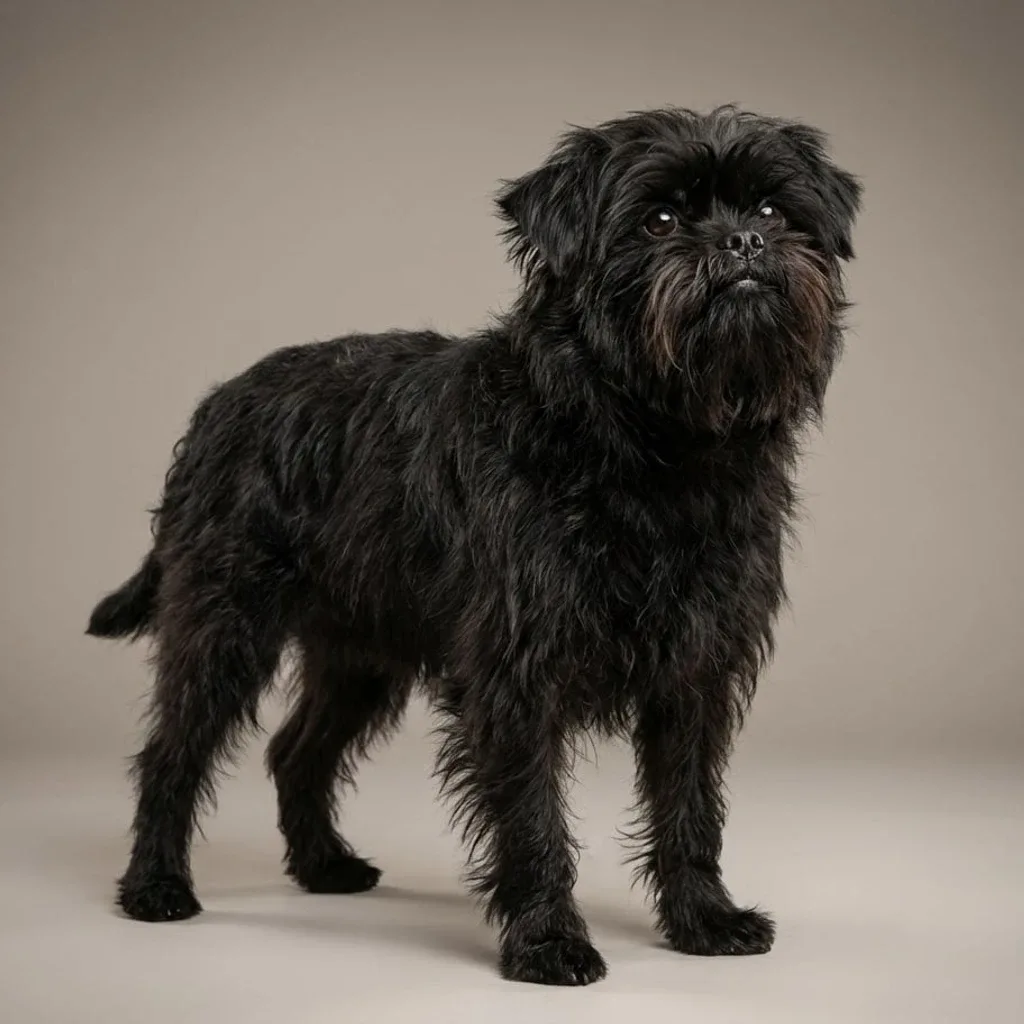
Affenpinscher
The Affenpinscher is a sturdy, monkey-like terrier-type toy breed known for its confidence and playful spirit. Despite its small size, it possesses a courageous heart and a loyal personality, making it a wonderful companion for Kiwi apartment dwellers or those with smaller sections.
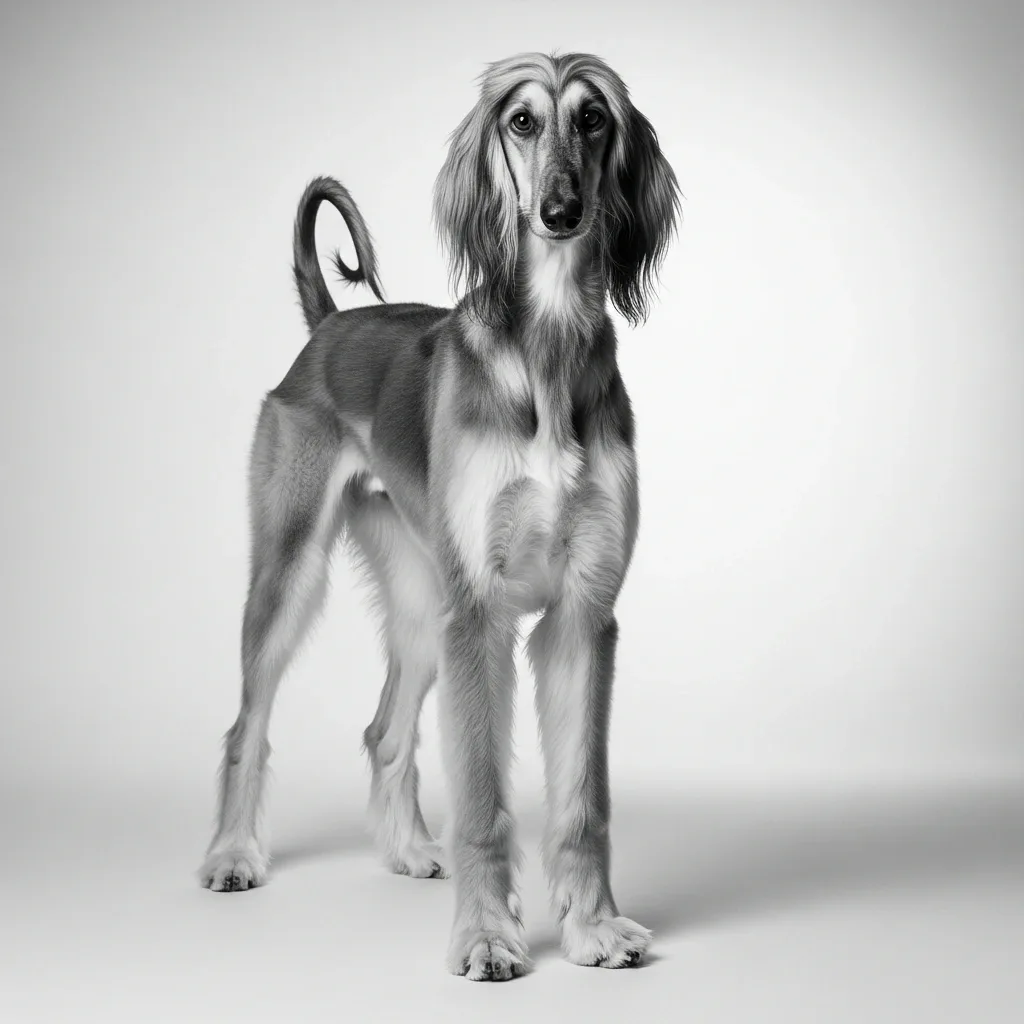
Afghan Hound
The Afghan Hound is an elegant aristocrat with a dignified and aloof personality. Known for its striking, silky coat, this breed is a high-maintenance beauty that requires ample space to run and an owner dedicated to its complex grooming needs.
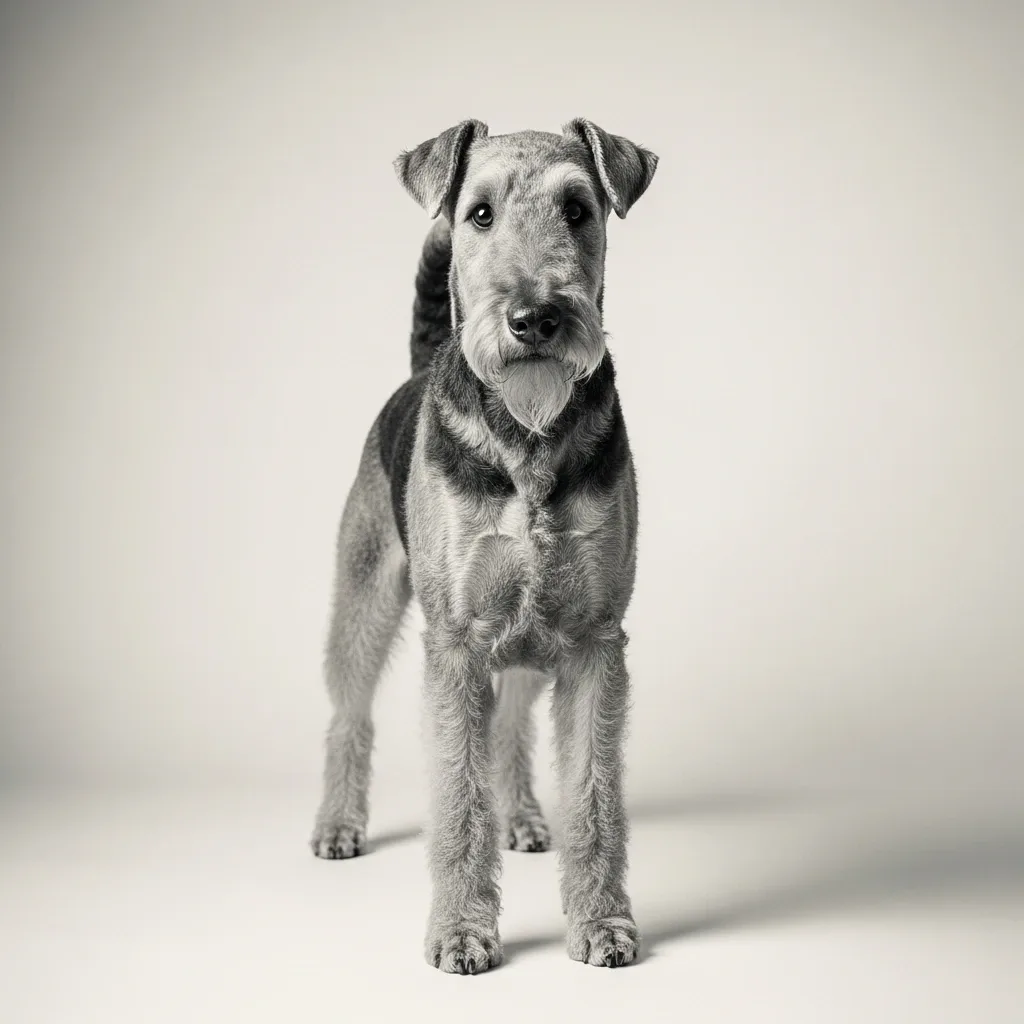
Airedale Terrier
The 'King of Terriers', the Airedale is the largest of all terrier breeds. They are brave, hardworking, and highly intelligent, making them excellent partners for active Kiwi families who love tramping and outdoor adventures.
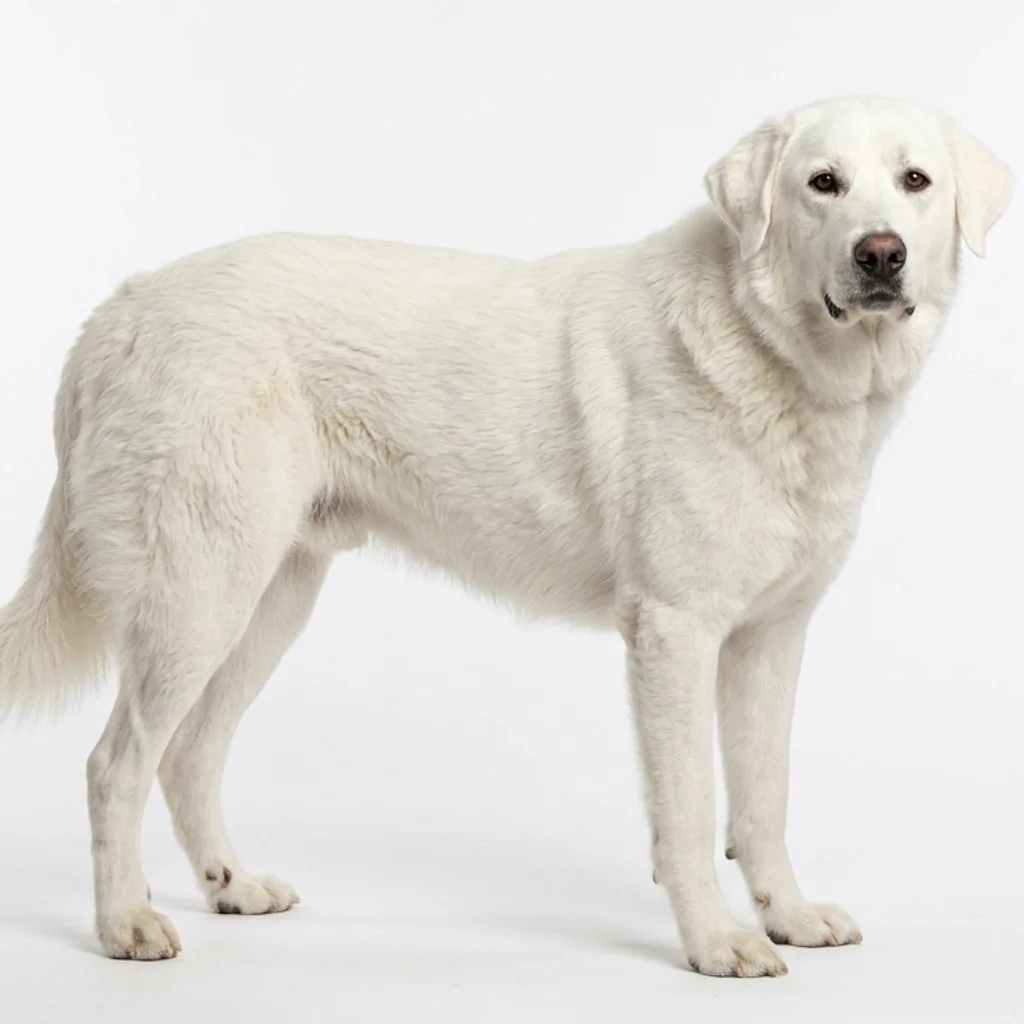
Akbash Dog
Originally a Turkish livestock guardian, the Akbash is a serious, protective, and independent breed. They are not suited for apartment living and thrive on large NZ lifestyle blocks where they can have a 'territory' to watch over.