Dog Breed Guide NZ
Lhasa Apso
The Lhasa Apso, a charming and ancient breed from the Himalayas, is renowned for its luxurious long coat and keen watchdog abilities. Despite their small stature, these dogs possess a confident and independent spirit, making them effective indoor guardians. They are deeply loyal to their family, often forming a strong bond, but can be reserved with strangers. Their distinctive appearance and alert nature make them a unique companion. In New Zealand, their adaptable size and moderate exercise needs mean they can thrive in various Kiwi homes, from city flats to houses with a secure section, provided their grooming requirements are met.
Photo Gallery
Breed Snapshot
- Size
- Male: 5.4-8.2 kg; Female: 5.0-8.2 kg
- Lifespan
- 12-15 years
- Origin
- Being enriched
- Temperament
- Confident, independent, alert, loyal, smart, protective
- NZ Price
- $1,500 - $3,500 NZD from registered breeders; $150-$450 NZD adoption via SPCA or breed-specific rescues.
- Annual Vet Cost
- Estimated annual vet costs for a Lhasa Apso in NZ typically range from $450 - $800 NZD for routine care, including annual check-ups, vaccinations, flea, tick, and worm treatments. However, costs can increase significantly if breed-specific health issues arise. Common concerns such as patellar luxation (knee cap dislocation) might require surgical intervention costing $1,500 - $4,000+ per knee. Eye conditions like progressive retinal atrophy (PRA), dry eye, or cherry eye could lead to specialist consultations and treatments ranging from $300 - $2,000+. Regular dental care, crucial for small breeds, might incur $400 - $800+ for a professional clean. Pet insurance is highly recommended to help manage unexpected health expenses.
Personality Scores
NZ Lifestyle Fit
Lhasa Apsos are remarkably adaptable to various New Zealand living situations. For an apartment in Auckland, their small size and moderate exercise needs make them a good fit, provided they receive daily walks and mental stimulation. However, Auckland's humid summers necessitate diligent grooming to prevent their dense coat from matting and causing discomfort or overheating. Owners must ensure access to shade and cool spots. For a house with a section, a Lhasa Apso will enjoy a secure outdoor space for pottering, but they are primarily indoor dogs who thrive on companionship. Rural NZ farm life is generally less suitable; while their watchdog instincts are strong, they are not working dogs and could be overwhelmed or at risk from farm machinery or livestock. Furthermore, proximity to farms and waterways increases the risk of leptospirosis, so vaccination is crucial. South Island's cold winters are well-tolerated by their thick coat, but shelter from extreme weather is always necessary. High UV levels across NZ mean their eyes and any exposed skin should be protected, and shade is vital during peak sun hours. There are no specific MPI restrictions for Lhasa Apsos in New Zealand.
Origins & History
Originating from the sacred monasteries and palaces of Tibet thousands of years ago, the Lhasa Apso is a breed steeped in history and spiritual significance. Revered as 'sentinel lions' or 'bearded lion dogs', they were believed to embody the souls of reincarnated lamas and were highly valued as indoor watchdogs, alerting monks and nobility to approaching strangers with their sharp barks. Their dense, flowing coats protected them from the harsh Tibetan climate. For centuries, these dogs were rarely seen outside their homeland, with the Dalai Lama occasionally gifting them to esteemed visitors, a gesture of great honour. It wasn't until the early 20th century that the breed began to make its way to the Western world, captivating enthusiasts with their unique charm and ancient lineage.
Appearance
The Lhasa Apso is a small, sturdy dog, typically weighing between 5.0-8.2 kg and standing around 25-28 cm at the shoulder. Their most striking feature is their magnificent, long, dense double coat, which falls heavily over their eyes and body. This coat, which comes in a variety of colours including gold, sand, honey, dark grizzle, slate, smoke, parti-colour, and black, served as vital protection against the extreme cold and harsh sun of the Tibetan plateau. Beneath the luxurious outer coat lies a soft, woolly undercoat. They have dark, expressive eyes, a black nose, and a heavily feathered tail that curls up over their back. Their distinctive facial hair, often referred to as a 'beard', adds to their regal and somewhat mysterious appearance.
Temperament & Personality
True to their heritage, Lhasa Apsos are confident, independent, and alert dogs with a strong sense of self. They are known for their unwavering loyalty and deep affection towards their family, often choosing one or two favourite people. While they are devoted companions indoors, they maintain a certain aloofness with strangers, a trait that makes them excellent watchdogs. Their keen senses and protective instincts mean they are quick to sound the alarm if they perceive anything unusual. Intelligent and sometimes stubborn, they require consistent and patient training. Despite their independent streak, they thrive on companionship and enjoy being an integral part of the family, often preferring to be close to their loved ones.
Life in New Zealand
The Lhasa Apso's adaptable nature makes them well-suited to life in New Zealand. Their moderate exercise requirements mean they can comfortably live in various settings, from city apartments to houses with a secure section. Their dense coat provides excellent insulation for cooler South Island winters, but requires careful management during humid Auckland summers to prevent overheating and matting. They enjoy exploring local dog-friendly reserves, beaches, and easy tramping tracks. Their small size and generally calm indoor demeanour make them excellent companions for families, singles, and retirees across Aotearoa, provided their grooming and socialisation needs are consistently met.
Is This the Right Breed for You?
The Lhasa Apso is an ideal companion for individuals or families who appreciate a loyal, independent, and alert dog. They are best suited to owners who can commit to regular grooming, consistent training, and early socialisation. If you're looking for an active outdoor adventure buddy, this might not be the breed for you, but if you desire a devoted indoor companion who will alert you to every visitor and provide endless affection, a Lhasa Apso could be a perfect fit. Their watchdog instincts mean they can be vocal, so consider your living situation and neighbours. With proper care and understanding, a Lhasa Apso will be a cherished member of your Kiwi whānau for many years.
Fun Facts
Fact 1
Lhasa Apsos were considered sacred dogs in Tibet, believed to carry the souls of lamas.
Fact 2
Their name 'Lhasa Apso' translates roughly to 'bearded lion dog from Lhasa', reflecting their appearance and origin.
Fact 3
They possess incredibly keen hearing, a trait that made them excellent indoor watchdogs.
Fact 4
Lhasa Apsos are known for their impressive longevity, often living well into their teens, with some reaching 20 years.
Fact 5
For centuries, they were kept exclusively by Tibetan nobility and monks, rarely leaving their homeland.
Related Breeds
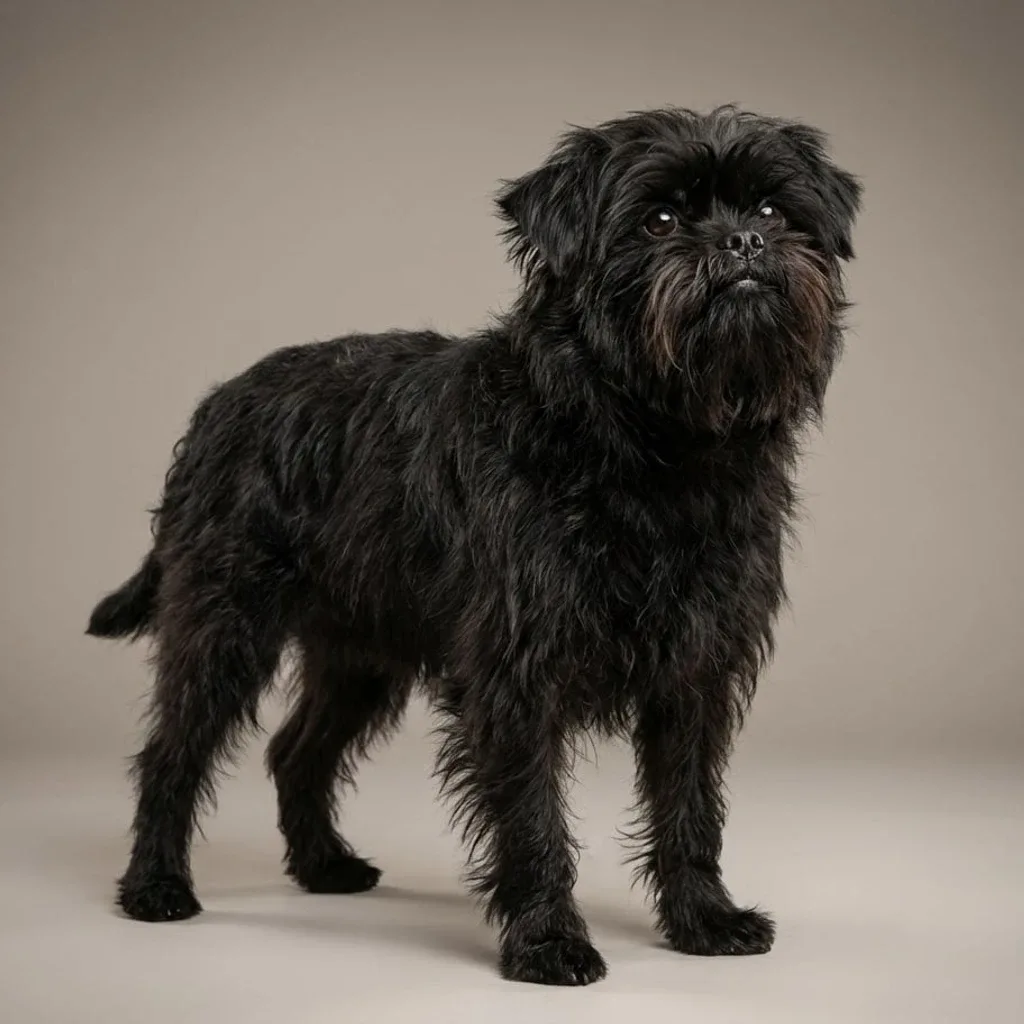
Affenpinscher
The Affenpinscher is a sturdy, monkey-like terrier-type toy breed known for its confidence and playful spirit. Despite its small size, it possesses a courageous heart and a loyal personality, making it a wonderful companion for Kiwi apartment dwellers or those with smaller sections.
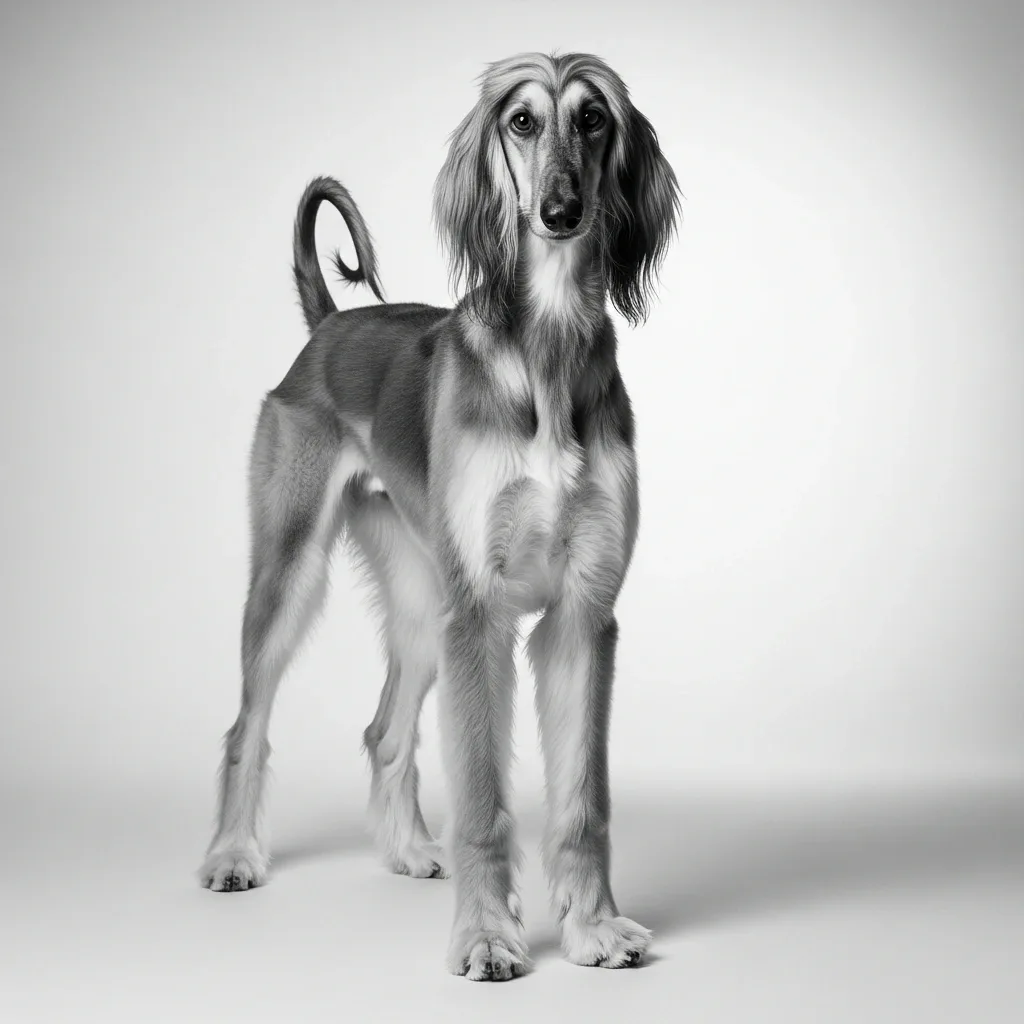
Afghan Hound
The Afghan Hound is an elegant aristocrat with a dignified and aloof personality. Known for its striking, silky coat, this breed is a high-maintenance beauty that requires ample space to run and an owner dedicated to its complex grooming needs.
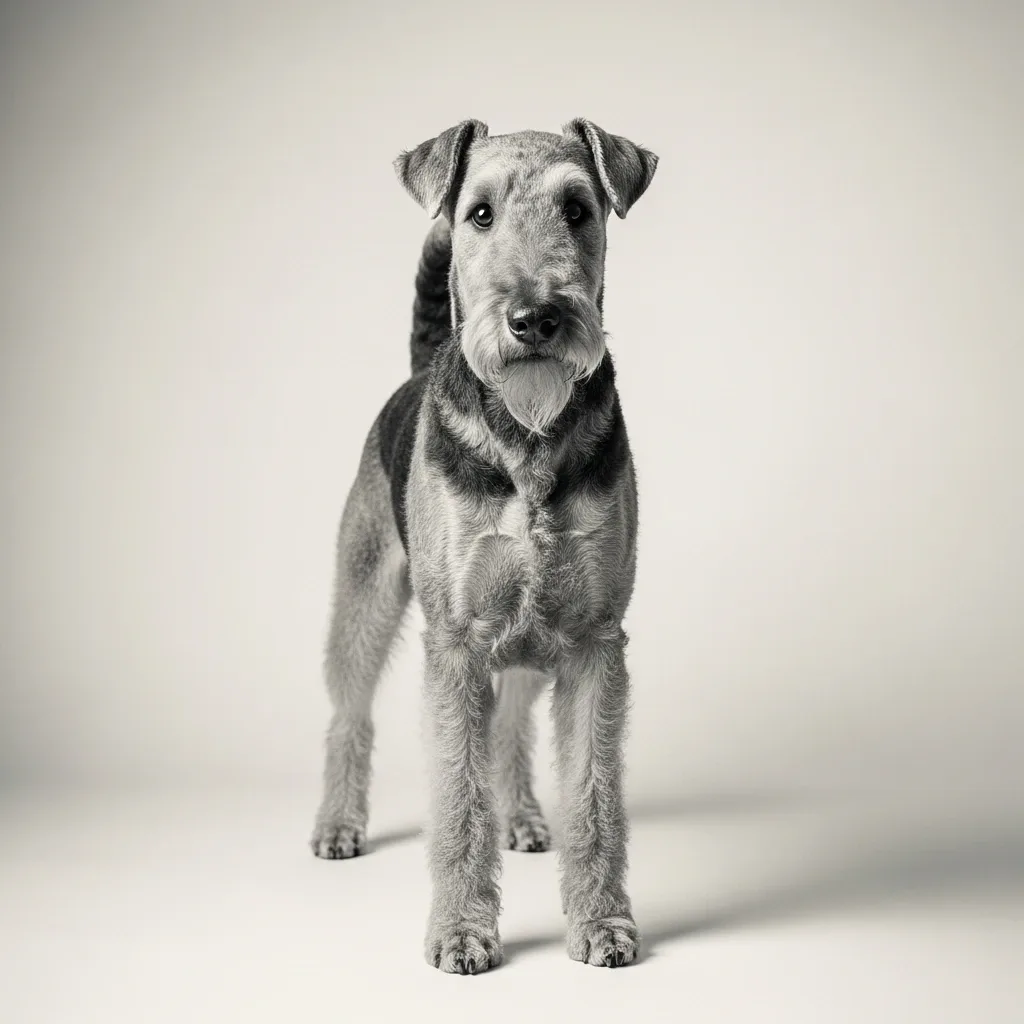
Airedale Terrier
The 'King of Terriers', the Airedale is the largest of all terrier breeds. They are brave, hardworking, and highly intelligent, making them excellent partners for active Kiwi families who love tramping and outdoor adventures.
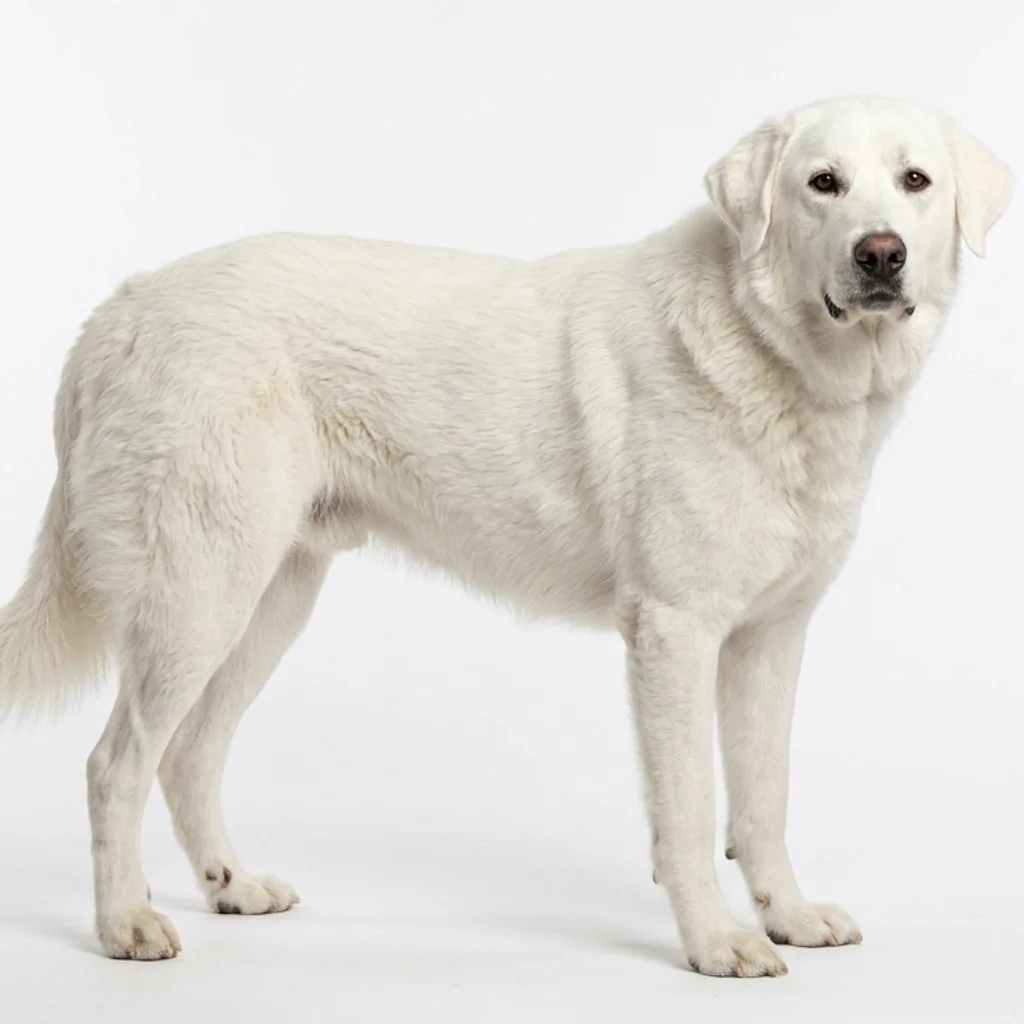
Akbash Dog
Originally a Turkish livestock guardian, the Akbash is a serious, protective, and independent breed. They are not suited for apartment living and thrive on large NZ lifestyle blocks where they can have a 'territory' to watch over.