Dog Breed Guide NZ
Leonberger
The Leonberger, a true 'gentle giant' from Germany, is renowned for its calm, patient, and deeply affectionate nature, making it an exceptional family companion. Bred as versatile working dogs with a particular love for water, their robust build and intelligent demeanour allow them to excel in various activities. In New Zealand, their affinity for swimming and outdoor adventures makes them ideal partners for families enjoying our stunning lakes, beaches, and spacious sections. They thrive in environments where they can be an integral part of daily life, offering unwavering loyalty and a comforting presence to their Kiwi whānau.
Photo Gallery
Breed Snapshot
- Size
- Male: 50-77 kg; Female: 41-64 kg
- Lifespan
- 7-9 years
- Origin
- Being enriched
- Temperament
- Gentle, calm, loyal, friendly, intelligent, confident
- NZ Price
- $3,500 - $5,000 NZD from registered breeders; $150-$350 NZD adoption via SPCA (rarely available).
- Annual Vet Cost
- Estimated annual vet costs for a Leonberger in NZ can range from $1,000 - $2,500 NZD, excluding emergencies. This includes routine check-ups, vaccinations, flea/worm treatments, and potential costs for breed-specific health issues. Leonbergers are prone to hip and elbow dysplasia, bloat (gastric torsion), eye conditions (entropion/ectropion), and Leonberger Polyneuropathy (LPN). Managing these conditions can significantly increase vet expenses, potentially costing several thousands for surgeries or ongoing treatments. Pet insurance is highly recommended for this breed.
Personality Scores
NZ Lifestyle Fit
The Leonberger's substantial size means they are generally unsuitable for apartment living, even in larger cities like Auckland. They thrive in homes with a spacious, securely fenced section where they can stretch out and play. Rural New Zealand farms or properties with ample land are ideal, offering them plenty of room to explore and satisfy their moderate exercise needs. Auckland's humid summers require careful management; ensure your Leonberger has constant access to shade, fresh water, and avoid strenuous exercise during the hottest parts of the day to prevent overheating. Their thick double coat offers excellent insulation for the South Island's cold winters, but they still require warm, dry shelter. New Zealand's high UV levels mean light-coloured noses or ears might benefit from sun protection during prolonged outdoor exposure. There are no specific MPI restrictions on owning Leonbergers in New Zealand, but responsible ownership, including registration and microchipping, is mandatory under local council bylaws.
Origins & History
The Leonberger's story begins in the mid-19th century in Leonberg, Germany, a town near Stuttgart. Heinrich Essig, a local councillor and entrepreneur, is credited with creating this magnificent breed. His ambition was to breed a dog that resembled the lion on Leonberg's town crest. To achieve this, he reportedly crossed a female Landseer Newfoundland with a 'Barry' (a long-haired St. Bernard) from the Great St. Bernard Hospice. Later, Pyrenean Mountain Dogs were also introduced into the lineage. The result was a large, powerful, yet elegant dog with a striking lion-like mane, possessing a gentle disposition and remarkable working abilities.
Initially, Leonbergers were highly sought after by European royalty and aristocrats, including Empress Elisabeth of Austria, Napoleon III, and King Umberto I of Italy. They served as versatile farm dogs, guarding livestock, pulling carts, and excelling as water rescue dogs due to their webbed feet and strong swimming capabilities. Their calm and confident nature also made them excellent companions. The breed faced near extinction during both World Wars, but dedicated breeders worked tirelessly to revive and preserve the Leonberger, ensuring its survival for future generations to enjoy.
Appearance
The Leonberger is a large to giant-sized dog, exuding an air of nobility and strength. Males typically stand between 72-80 cm at the shoulder and weigh 50-77 kg, while females are slightly smaller at 65-75 cm and 41-64 kg. Their most distinctive feature is their luxurious, water-resistant double coat, which can range in colour from lion-yellow, golden-red, reddish-brown, to sand, always with a black mask. The coat is medium-soft to coarse, long, and lies flat, often forming a prominent mane around the neck and chest, especially in males. They have well-feathered legs and a bushy tail.
Their head is proportionate to their body, with a gentle, intelligent expression. Dark brown, oval-shaped eyes and medium-sized, drop ears complete their kind countenance. Their strong, muscular build is designed for both power and agility, allowing them to move with surprising grace despite their size. Webbed feet are a common trait, a testament to their heritage as water rescue dogs.
Temperament & Personality
True to their 'gentle giant' moniker, Leonbergers possess an exceptional temperament. They are renowned for being calm, patient, and deeply affectionate, making them outstanding family dogs. Their inherent gentleness means they are typically excellent with children, often displaying a protective yet tolerant demeanour. They are highly intelligent and eager to please, which makes them relatively trainable, though their large size requires consistent, positive reinforcement from an early age.
Leonbergers are loyal and friendly, generally getting along well with other pets when properly socialised. They are confident but not aggressive, possessing a natural guardian instinct without being overly territorial. They thrive on human companionship and can become anxious or destructive if left alone for extended periods. Their calm disposition allows them to adapt well to various situations, but they require significant interaction and inclusion in family activities to truly flourish. They are known for their stable and even-tempered nature, making them reliable and trustworthy companions.
Life in New Zealand
For many Kiwi families, the Leonberger's inherent traits make them a fantastic fit for our lifestyle. Their love for water aligns perfectly with New Zealand's abundant lakes, rivers, and beaches, making them enthusiastic swimming companions on family bach holidays. Their robust build and moderate exercise needs mean they enjoy long walks along coastal tracks, through local reserves, or even suitable tramping routes. They are not typically high-energy dogs, but they do require regular, purposeful activity to maintain their physical and mental well-being.
Leonbergers thrive in homes with a generous, securely fenced section where they can roam and play. While they enjoy being outdoors, they are not suited to being outdoor-only dogs; they crave the companionship of their human family and need to be an integral part of household life. Their thick coats provide good insulation against cooler South Island winters, but they also need ample shade and fresh water during warmer North Island summers. Their calm nature means they can adapt to various family dynamics, from bustling households with children to quieter homes, as long as they receive sufficient attention and engagement.
Is This the Right Breed for You?
Bringing a Leonberger into your home is a significant commitment, but one that offers immense rewards. They are ideal for families who can provide a spacious living environment, consistent training, and plenty of companionship. If you're looking for a loyal, gentle, and intelligent dog that will be a devoted member of your whānau, the Leonberger could be perfect. However, potential owners must be prepared for the challenges that come with a giant breed, including higher food costs, potential for significant shedding, and the need for early and ongoing socialisation and training.
They are not suited for apartment living or for owners who are away for long hours. Their need for human interaction means they are happiest when involved in family activities. If you're an active family who enjoys the outdoors, particularly water activities, and can dedicate time to their care and training, a Leonberger will undoubtedly enrich your life with their loving and majestic presence. Consider connecting with the Leonberger Club of New Zealand or reputable breeders to learn more and ensure this magnificent breed is the right match for your lifestyle.
Fun Facts
Fact 1
Leonbergers were reportedly bred to resemble the lion on the coat of arms of the town of Leonberg, Germany.
Fact 2
Many European royals, including Empress Elisabeth of Austria and King Umberto I of Italy, were proud owners of Leonbergers.
Fact 3
They possess webbed feet, making them exceptional swimmers and natural water rescue dogs.
Fact 4
Despite their imposing size, Leonbergers are often referred to as 'gentle giants' due to their calm and affectionate temperament.
Fact 5
The breed faced near extinction during both World War I and World War II, with only a handful of dogs surviving to rebuild the lineage.
Related Breeds
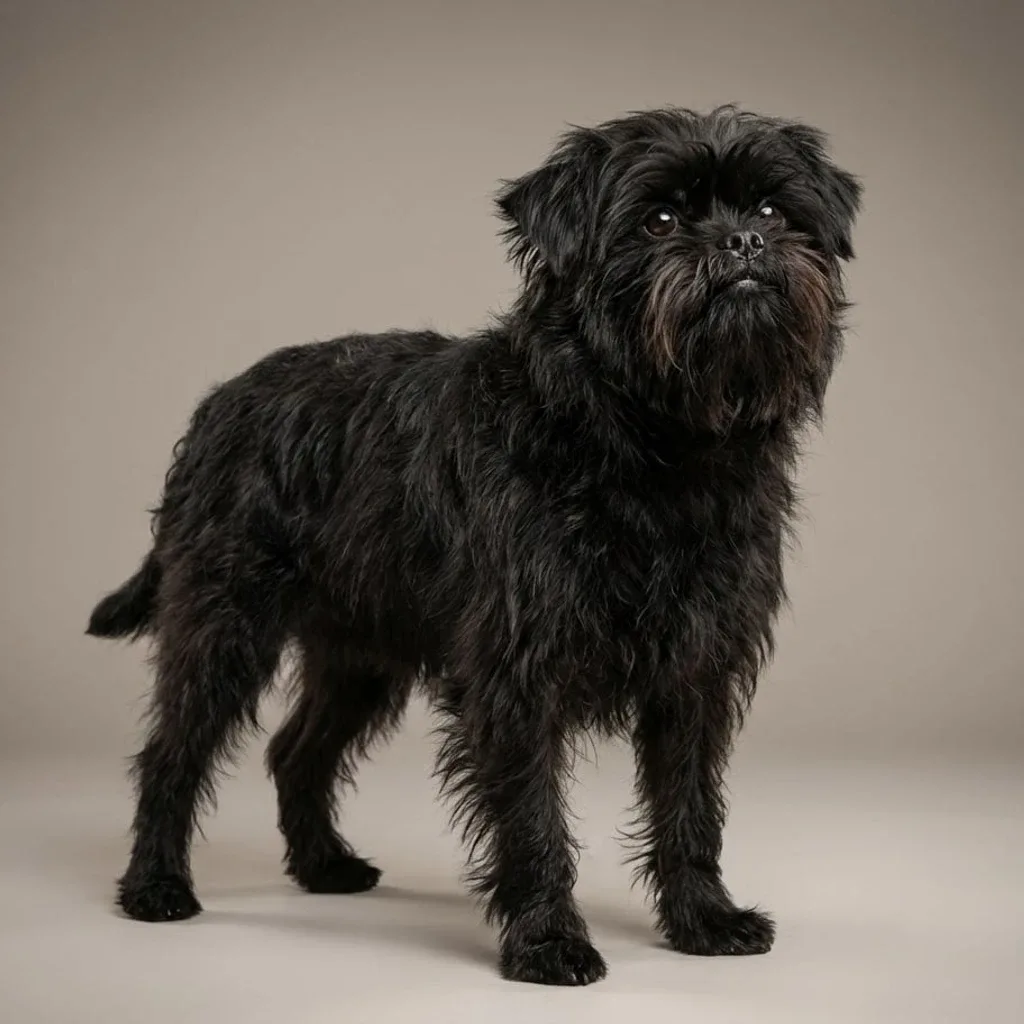
Affenpinscher
The Affenpinscher is a sturdy, monkey-like terrier-type toy breed known for its confidence and playful spirit. Despite its small size, it possesses a courageous heart and a loyal personality, making it a wonderful companion for Kiwi apartment dwellers or those with smaller sections.
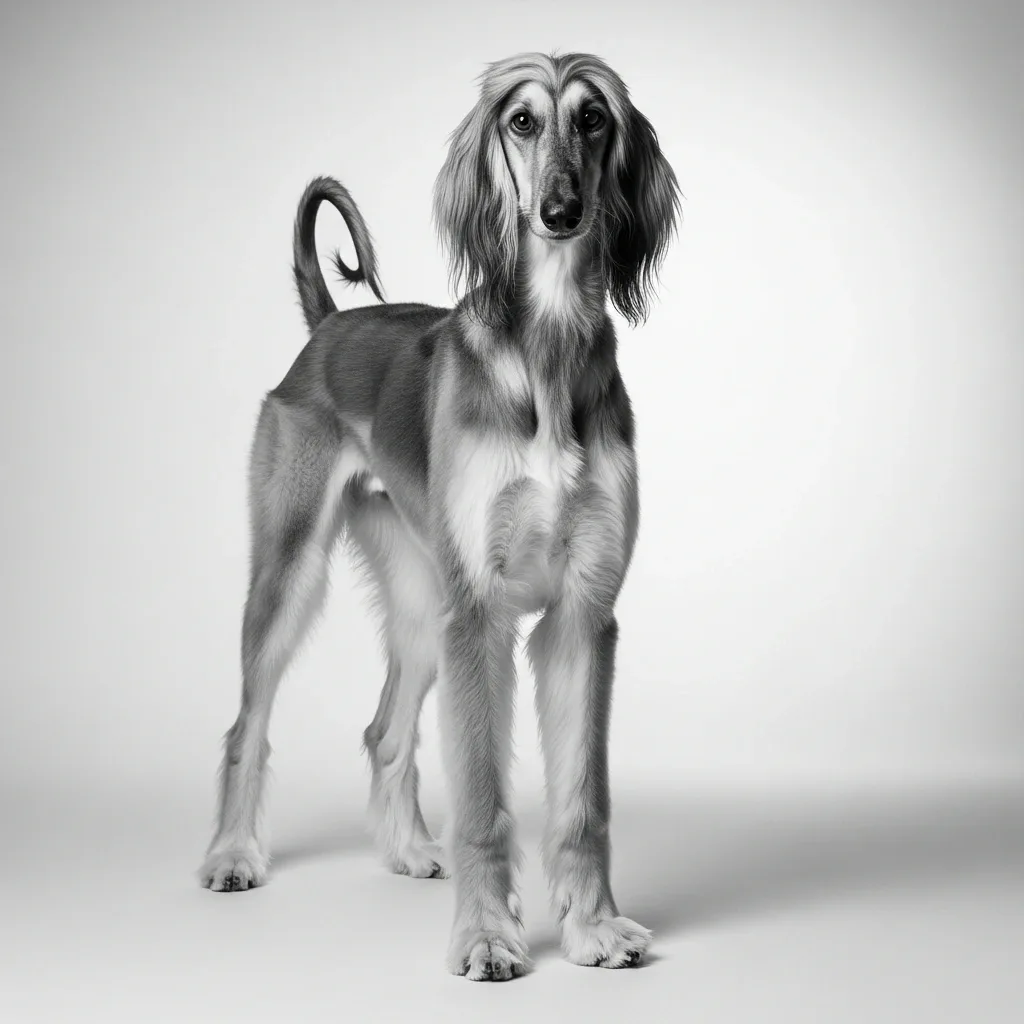
Afghan Hound
The Afghan Hound is an elegant aristocrat with a dignified and aloof personality. Known for its striking, silky coat, this breed is a high-maintenance beauty that requires ample space to run and an owner dedicated to its complex grooming needs.
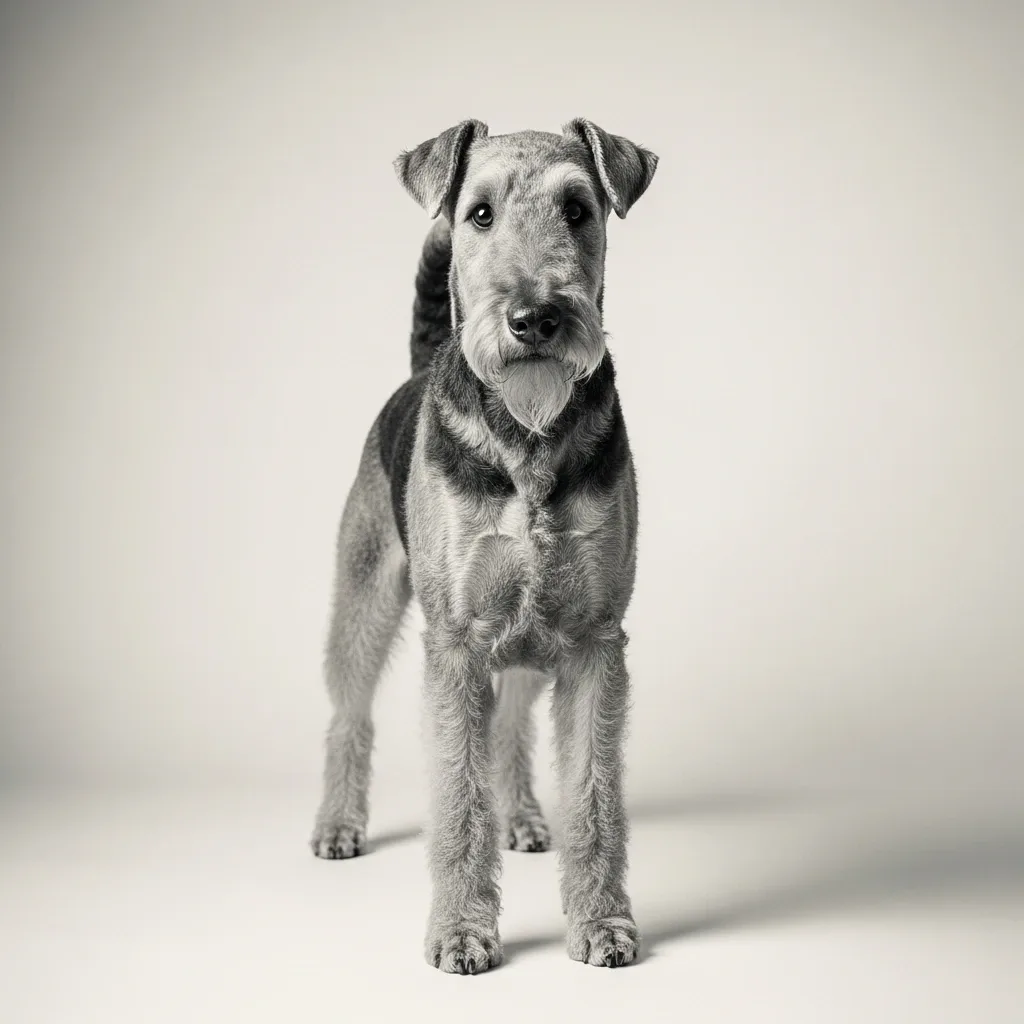
Airedale Terrier
The 'King of Terriers', the Airedale is the largest of all terrier breeds. They are brave, hardworking, and highly intelligent, making them excellent partners for active Kiwi families who love tramping and outdoor adventures.
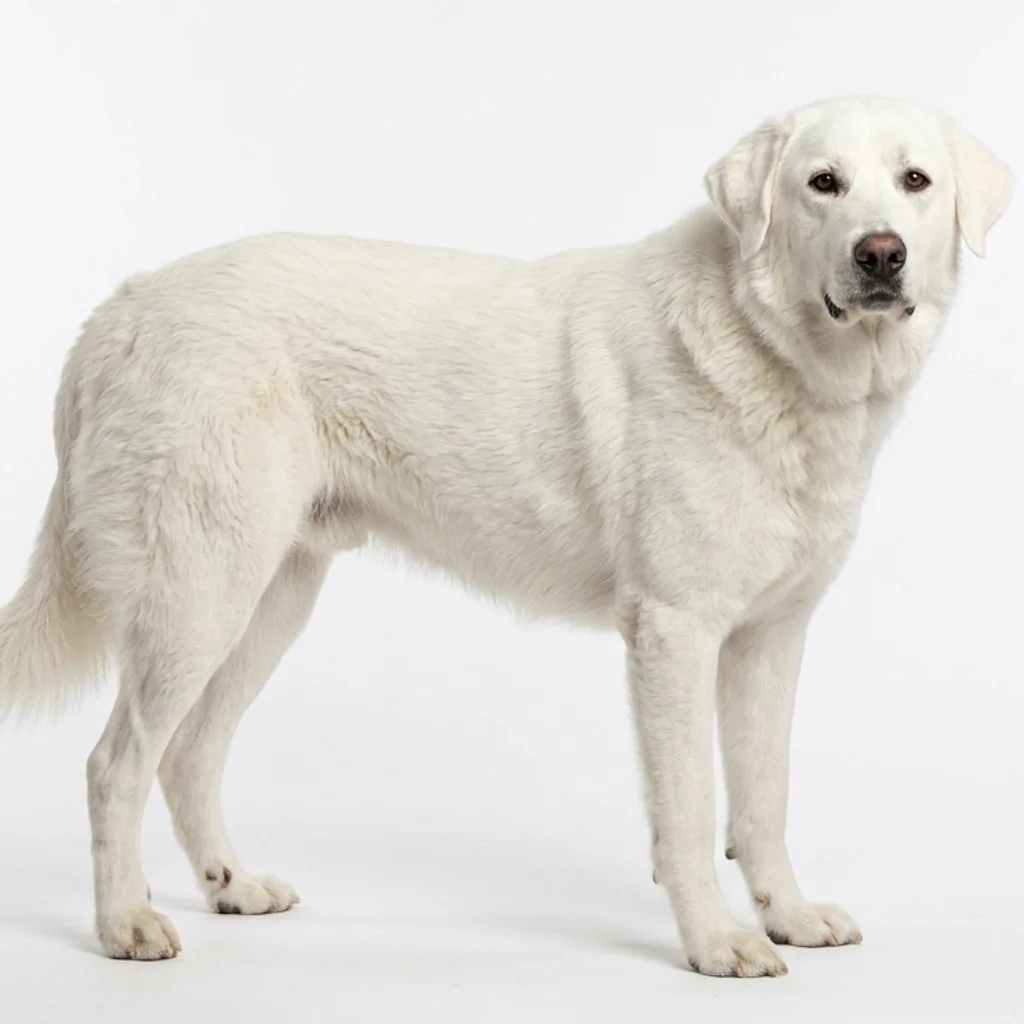
Akbash Dog
Originally a Turkish livestock guardian, the Akbash is a serious, protective, and independent breed. They are not suited for apartment living and thrive on large NZ lifestyle blocks where they can have a 'territory' to watch over.