Dog Breed Guide NZ
Lakeland Terrier
The Lakeland Terrier is a bold, friendly, and confident terrier originating from the rugged English Lake District. These sturdy, athletic dogs pack a lot of personality into a compact frame, known for their intelligent gaze and spirited nature. Bred to work, they possess an innate curiosity and a zest for life that makes them engaging companions. With their wiry coat and keen senses, Lakelands are well-suited to New Zealand's diverse landscapes, thriving in active homes that enjoy outdoor adventures like tramping, beach walks, or exploring our many dog-friendly reserves. They are loyal and affectionate, making them a fantastic addition to an active Kiwi family looking for a spirited, robust canine friend.
Photo Gallery
Breed Snapshot
- Size
- 7-8 kg
- Lifespan
- 12-15 years
- Origin
- Being enriched
- Temperament
- The Lakeland Terrier is bold, friendly and confident, with the lively independence expected of a working terrier. It should not be shy or needlessly aggressive, but it does need outlets for curiosity and energy.
- NZ Price
- $2,000 - $3,500 NZD from registered breeders; $150-$350 NZD adoption via SPCA or breed-specific rescue.
- Annual Vet Cost
- Estimated annual vet costs for a Lakeland Terrier in NZ range from $600 - $1,000 NZD. This includes routine check-ups, vaccinations, flea and worm treatments. Breed-specific health issues like Legg-Calve-Perthes disease, primary lens luxation, and patellar luxation can incur additional costs for diagnosis and treatment, potentially ranging from $1,000 to several thousand NZD for surgeries or ongoing management.
Personality Scores
NZ Lifestyle Fit
Lakeland Terriers are adaptable dogs, but their suitability varies across different New Zealand living situations. For an apartment in Auckland, a Lakeland could manage if they receive ample daily exercise – at least two vigorous walks or runs, plus mental stimulation. However, their energetic nature means a house with a secure section is far more suitable, allowing them space to play and explore safely. Rural NZ farms present a mixed bag; while their working heritage makes them hardy, their strong prey drive could be an issue with livestock or smaller farm animals unless meticulously trained and supervised. Auckland's humid summers require vigilance against overheating, ensuring access to shade and fresh water. In the South Island's cold winters, their dense, wiry coat offers good protection, but they still need warm, dry shelter. New Zealand's high UV levels mean sun protection for any exposed skin, though their coat offers good coverage. There are no specific MPI restrictions on owning Lakeland Terriers in New Zealand.
Origins & History
The Lakeland Terrier hails from the picturesque yet challenging fells and valleys of the English Lake District, a region renowned for its stunning natural beauty and harsh terrain. Developed in the 18th and 19th centuries, these tenacious dogs were bred for a very specific and vital purpose: to hunt and dispatch foxes that preyed on sheep in the rocky, mountainous landscape. Unlike some terriers that worked above ground, Lakelands were required to go to ground, pursuing foxes into their dens and boltholes. This demanding role necessitated a dog of immense courage, agility, and stamina, with a strong prey drive and a dense, protective coat. Their lineage is believed to include the old English Black and Tan Terrier, Bedlington Terrier, and Border Terrier, all contributing to the Lakeland's distinctive characteristics. They were officially recognised by the Kennel Club in the UK in 1921 and quickly gained popularity beyond their working roots, admired for their charming personalities and striking appearance.
Appearance
The Lakeland Terrier is a medium-sized, sturdy dog, typically standing around 33-38 cm at the shoulder and weighing between 6-8 kg. They possess a compact, well-balanced body that speaks to their athletic build and working heritage. One of their most defining features is their harsh, wiry double coat, which provides excellent protection against the elements. This coat can come in a variety of colours, including black and tan, blue and tan, red, wheaten, grizzle and tan, or solid black. Their head is rectangular, with a strong muzzle and dark, intelligent eyes that convey their alert and spirited nature. The ears are small and V-shaped, folding forward, while their tail is typically carried high. Their overall appearance is one of robustness and readiness, perfectly suited to their active lifestyle.
Temperament & Personality
Lakeland Terriers are renowned for their bold, friendly, and confident personalities. They are intelligent dogs, quick to learn but can also possess a stubborn streak, typical of many terrier breeds. This combination means they thrive with consistent, positive reinforcement training from an early age. They are highly affectionate with their families and generally good with children, especially if raised together and properly socialised. However, their strong prey drive means they may not always be suitable for homes with small pets like cats, unless introduced carefully and early. Lakelands are alert and make excellent watchdogs, always ready to announce visitors. They possess a lively sense of humour and enjoy being at the centre of family activities, forming strong bonds with their human companions. Their confidence means they are rarely shy or timid, approaching new situations with a characteristic terrier bravado.
Life in New Zealand
The Lakeland Terrier's robust nature and love for the outdoors make them an excellent fit for life in New Zealand. Their wiry coat provides good insulation against both our cooler winters and protection from the sun in summer, though care should always be taken to provide shade and fresh water during hot periods. They thrive in homes where they can be an integral part of family life, enjoying regular outings to our beautiful beaches, bush tracks for tramping, or local dog parks. Their intelligence and eagerness to please (when they choose to be!) make them suitable for dog sports like agility or obedience, which are popular across New Zealand. While they are adaptable, a home with a secure, fenced section is ideal to allow them to burn off energy safely. Their natural curiosity means they love to explore, so secure fencing is paramount to prevent them from following an interesting scent.
Is This the Right Breed for You?
A Lakeland Terrier is an ideal companion for active individuals or families who appreciate a spirited, intelligent, and loyal dog. They require a commitment to consistent training and daily exercise to keep them mentally and physically stimulated. If you enjoy outdoor activities and are looking for a sturdy, fun-loving dog to join you on adventures, a Lakeland could be a perfect match. They are not suited to being left alone for long periods, as they thrive on companionship and can become bored or destructive without sufficient interaction. Prospective owners should be prepared for their terrier tenacity and a need for regular grooming to maintain their distinctive coat. If you're ready for a dog with a big personality in a compact package, and you can provide the love, training, and activity they need, a Lakeland Terrier will undoubtedly bring immense joy and character to your Kiwi home.
Fun Facts
Fact 1
Lakeland Terriers were originally known as Patterdale Terriers or Fell Terriers in their native English Lake District.
Fact 2
They were bred to be small enough to go to ground and pursue foxes into their dens, a job requiring immense courage.
Fact 3
Their distinctive wiry coat is not just for looks; it's a practical, protective layer against harsh weather and rough terrain.
Fact 4
The Lakeland Terrier won Best in Show at Crufts in 1967 and again in 1999, showcasing their enduring appeal.
Fact 5
Despite their working origins, they are known for their playful and often mischievous sense of humour within the family.
Related Breeds
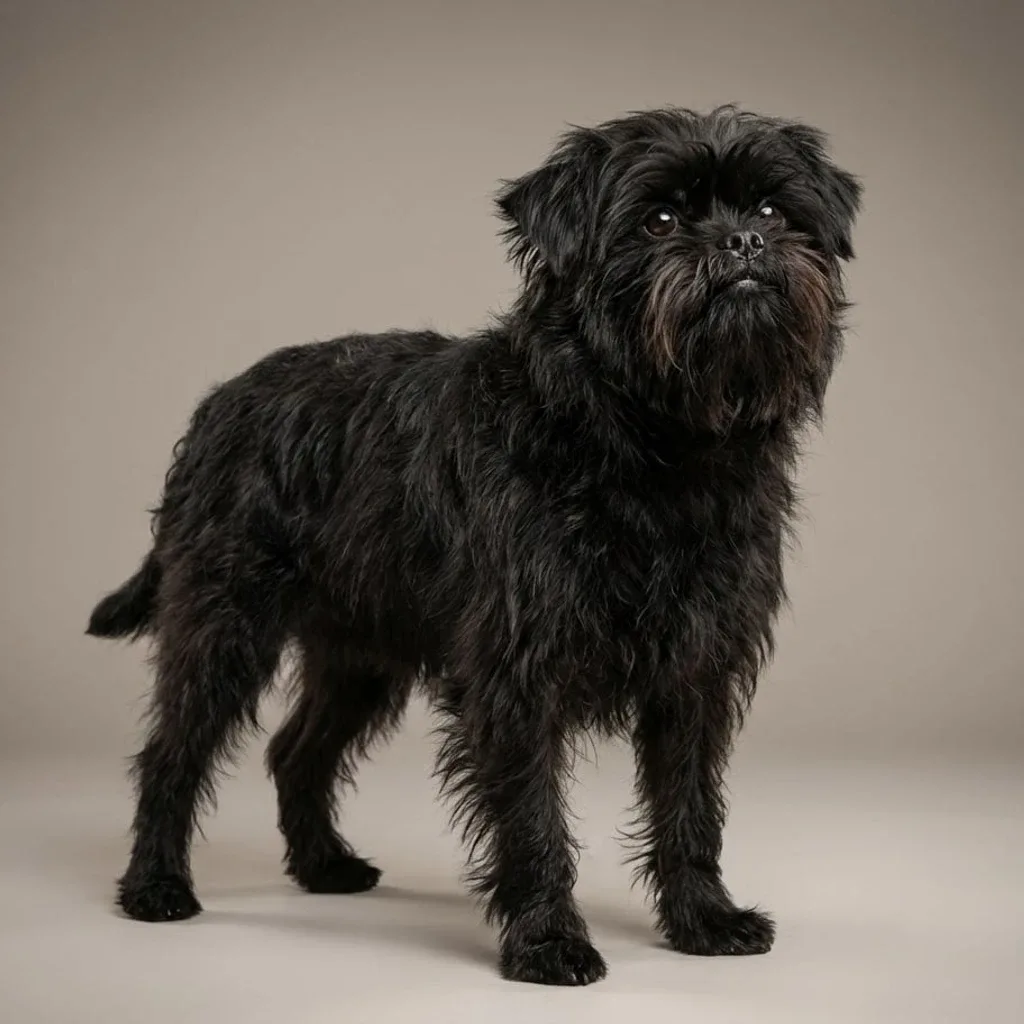
Affenpinscher
The Affenpinscher is a sturdy, monkey-like terrier-type toy breed known for its confidence and playful spirit. Despite its small size, it possesses a courageous heart and a loyal personality, making it a wonderful companion for Kiwi apartment dwellers or those with smaller sections.
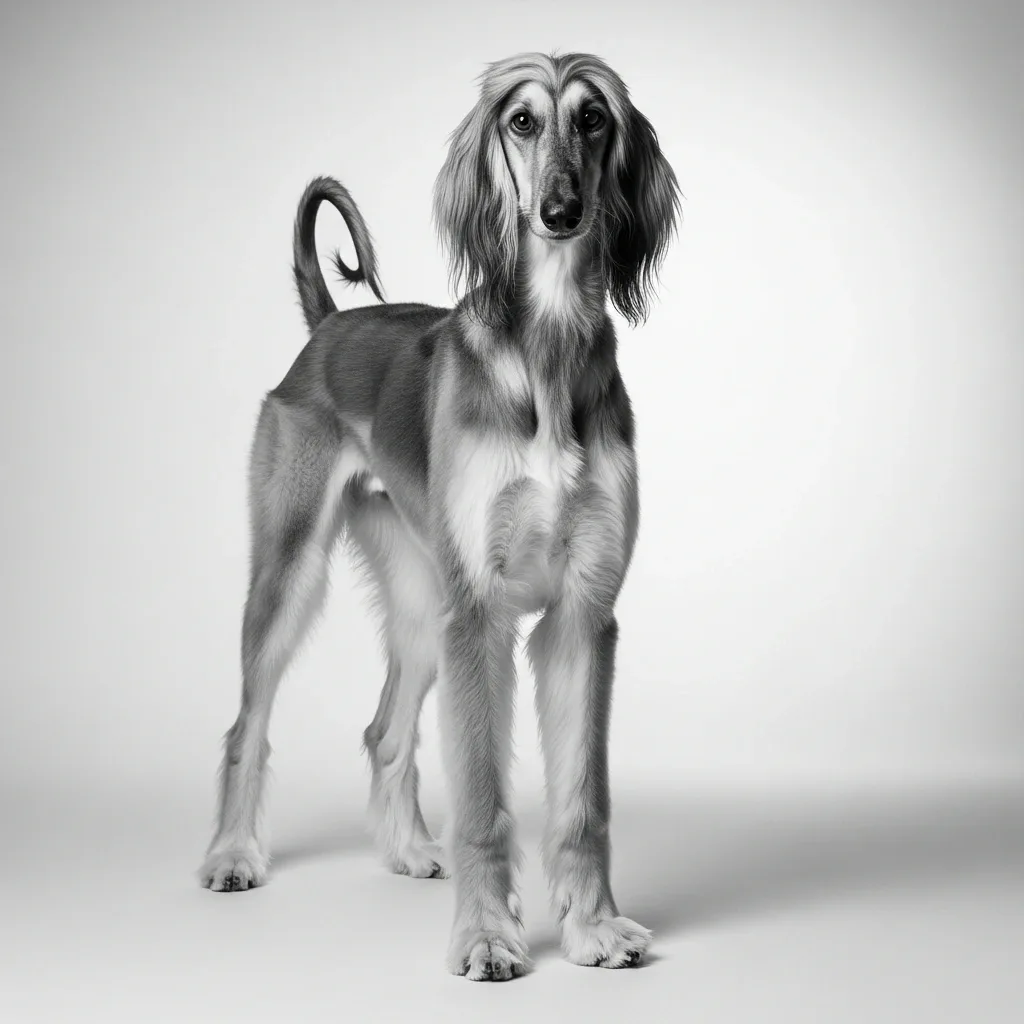
Afghan Hound
The Afghan Hound is an elegant aristocrat with a dignified and aloof personality. Known for its striking, silky coat, this breed is a high-maintenance beauty that requires ample space to run and an owner dedicated to its complex grooming needs.
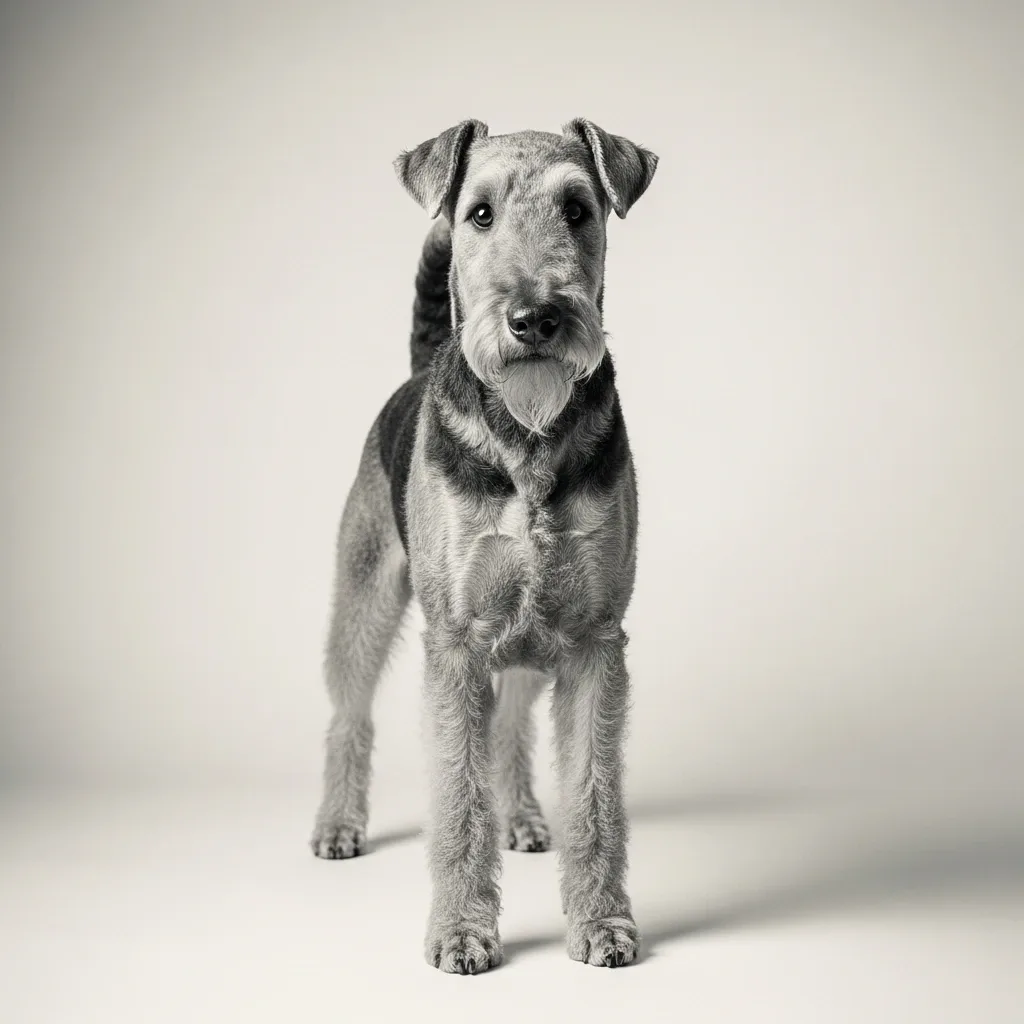
Airedale Terrier
The 'King of Terriers', the Airedale is the largest of all terrier breeds. They are brave, hardworking, and highly intelligent, making them excellent partners for active Kiwi families who love tramping and outdoor adventures.
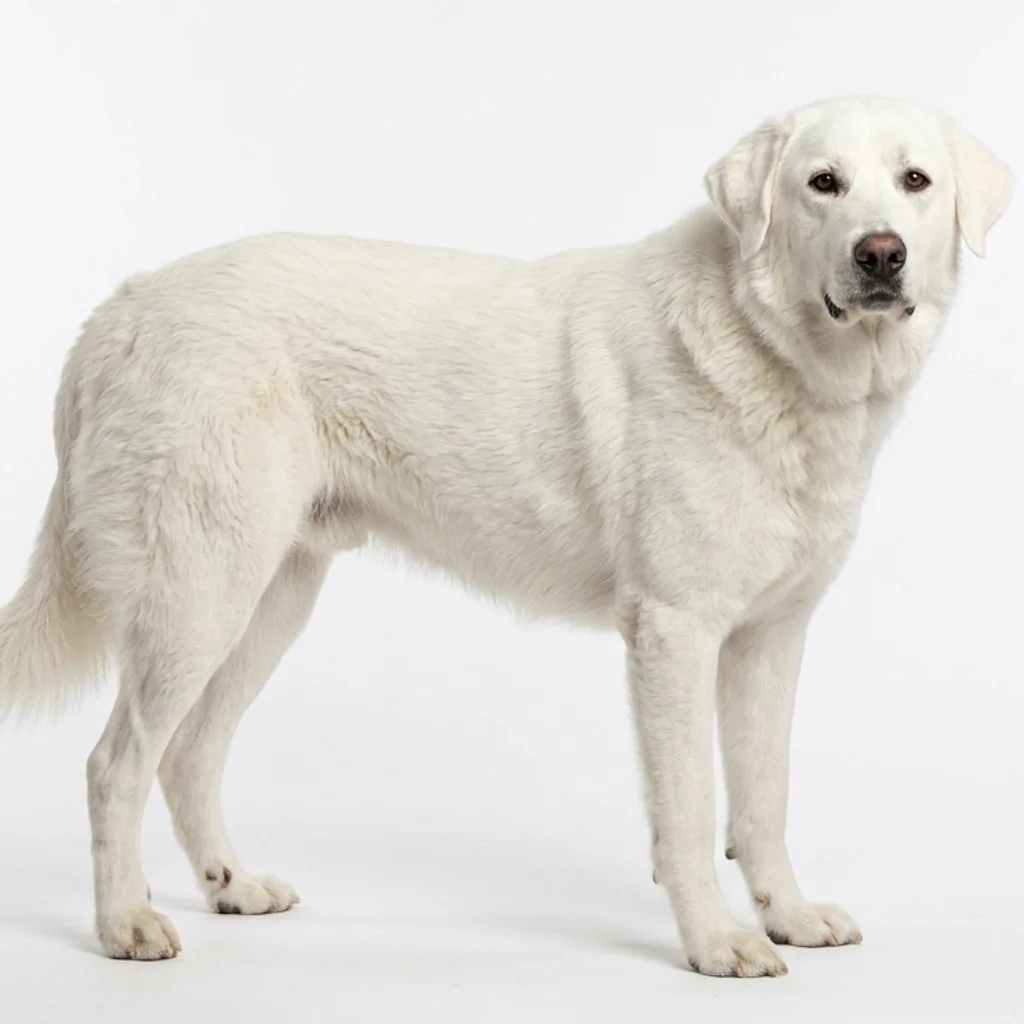
Akbash Dog
Originally a Turkish livestock guardian, the Akbash is a serious, protective, and independent breed. They are not suited for apartment living and thrive on large NZ lifestyle blocks where they can have a 'territory' to watch over.