Dog Breed Guide NZ
Labradoodle
The Labradoodle is a popular, highly intelligent cross between the Labrador Retriever and the Standard or Miniature Poodle. Known for their friendly, outgoing nature and active brains, they make outstanding Kiwi family pets but require significant grooming care.
Photo Gallery
Breed Snapshot
- Size
- Standard: 20–30 kg; Medium: 12–20 kg; Miniature: 7–12 kg
- Lifespan
- 12–15 years
- Origin
- Australia / United States
- Temperament
- Intelligent, friendly, active, affectionate, social, eager to please
- NZ Price
- $2,500 – $4,500+ NZD from registered or reputable NZ breeders (rare colours and multi-gen coats command the highest prices); $150 – $450 NZD via SPCA or local rescue organisations.
- Annual Vet Cost
- Routine annual care (check-ups, vaccinations, parasite prevention) costs roughly $500 – $1,000 NZD. Because they are prone to joint issues (hip/elbow dysplasia) and eye diseases inherited from both parent lines, veterinary treatments for major conditions can range from $2,000 to $8,000+ NZD. Secure pet insurance is highly recommended from puppyhood before any pre-existing conditions are noted.
Personality Scores
NZ Lifestyle Fit
Labradoodles are an excellent fit for active New Zealand families with secure backyards who enjoy outdoor trips, beach walks, and regional parks. Their high energy and need for space make them poorly suited to apartment living unless the owner is exceptionally active. They tolerate New Zealand's climate well but can struggle in hot summers if their coat is left long, requiring a shorter 'summer clip'. As companion-focused dogs, they are prone to separation anxiety and should not be left alone in empty houses for long working days.
Origins & History
The Labradoodle was originally developed in Australia in the late 1980s by Wally Conron for the Royal Guide Dogs Association of Australia. The goal was to create a hypoallergenic guide dog by crossing the gentle, trainable Labrador Retriever with the low-shedding Standard Poodle. While the cross succeeded in producing excellent companions, the global popularity of the "doodle" trend led to widespread breeding, making them one of New Zealand's most sought-after family pets today.
Crossbreed Reality & Hypoallergenic Myths
It is crucial for Kiwi buyers to understand that the Labradoodle is a crossbreed, not a standardised pedigree breed. This means there is no uniform standard for temperament, size, or coat type. First-generation (F1) crosses (50% Labrador, 50% Poodle) are highly unpredictable. Multi-generational Labradoodles (bred from Labradoodle to Labradoodle) tend to have more consistent coats, but no ethical breeder can guarantee a puppy will be 100% hypoallergenic or shed-free. Allergens are carried in dander and saliva, not just hair.
Coat Types & Grooming Demands
Labradoodles generally have one of three coat types:
- Hair Coat: Similar to a Labrador, likely to shed and has a typical doggy odour. Low grooming needs but high shedding.
- Fleece Coat: Soft, wavy, and resembling angora wool. Moderately low-shedding but mats easily without frequent brushing.
- Wool Coat: Dense, curly Poodle-like hair. Very low-shedding, but highly prone to severe matting.
Grooming a fleece or wool-coated Labradoodle is a major commitment. They require daily brushing down to the skin with a slicker brush and metal comb to prevent painful matting, and professional clipping every 6 to 8 weeks, which typically costs between $100 and $180+ NZD per session in New Zealand.
Temperament & Training
Labradoodles inherit the friendly, social nature of the Labrador and the sharp intelligence of the Poodle. They are affectionate, high-energy, and deeply family-oriented. While highly trainable, their intelligence means they can easily learn bad habits if left unstimulated. They respond best to positive reinforcement and structured, interactive training. Without adequate mental stimulation and physical exercise, they are prone to destructive chewing, digging, and separation-related barking.
Fun Facts
Fact 1
The Labradoodle was originally bred in Australia in 1989 to be a hypoallergenic guide dog for a blind woman in Hawaii.
Fact 2
Wally Conron, the original breeder, later expressed regret over starting the 'doodle hybrid craze' due to irresponsible breeding practices.
Fact 3
They come in three sizes—Standard, Medium, and Miniature—depending on the size of the Poodle parent.
Fact 4
Their coat texture changes from puppyhood to adulthood, with the adult coat settling in around 12 to 14 months.
Fact 5
They are highly skilled in agility, therapy work, and search and rescue due to their intelligence and gentle nature.
Related Breeds
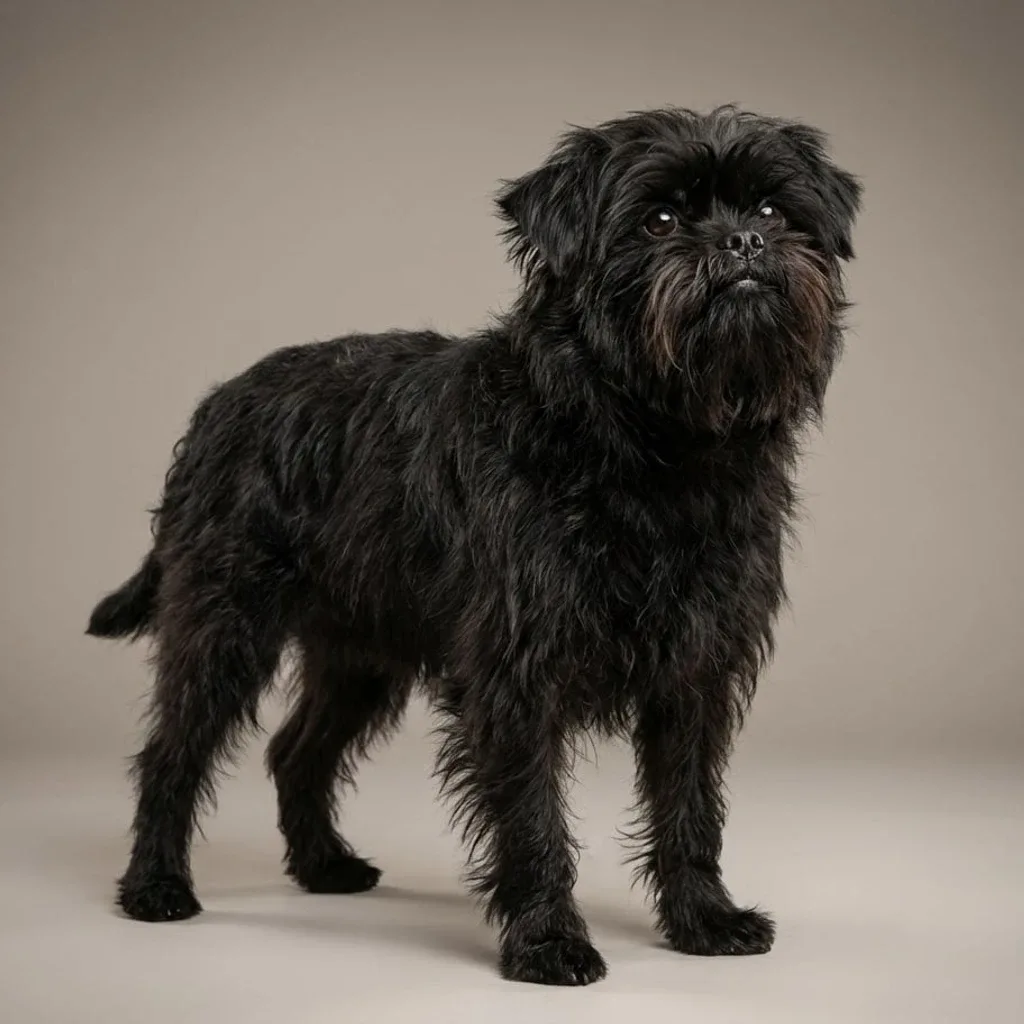
Affenpinscher
The Affenpinscher is a sturdy, monkey-like terrier-type toy breed known for its confidence and playful spirit. Despite its small size, it possesses a courageous heart and a loyal personality, making it a wonderful companion for Kiwi apartment dwellers or those with smaller sections.
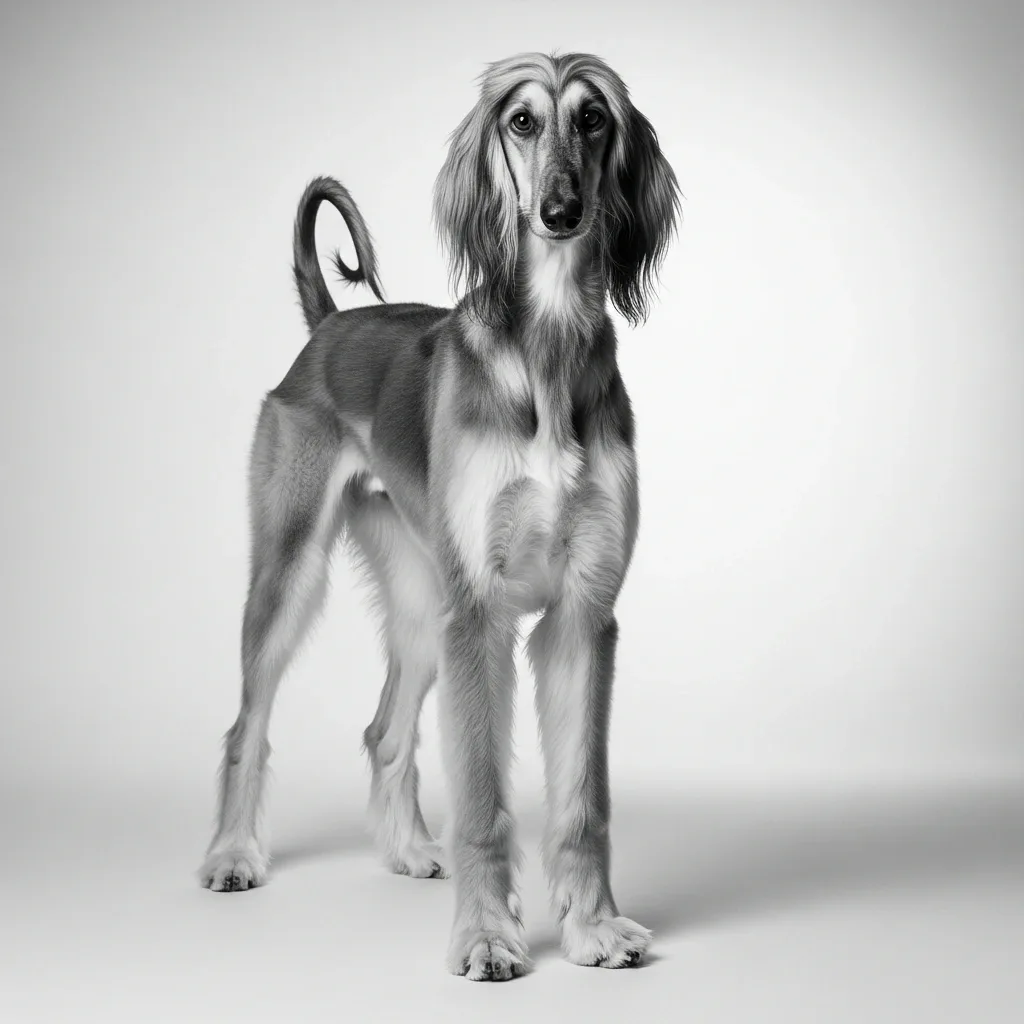
Afghan Hound
The Afghan Hound is an elegant aristocrat with a dignified and aloof personality. Known for its striking, silky coat, this breed is a high-maintenance beauty that requires ample space to run and an owner dedicated to its complex grooming needs.
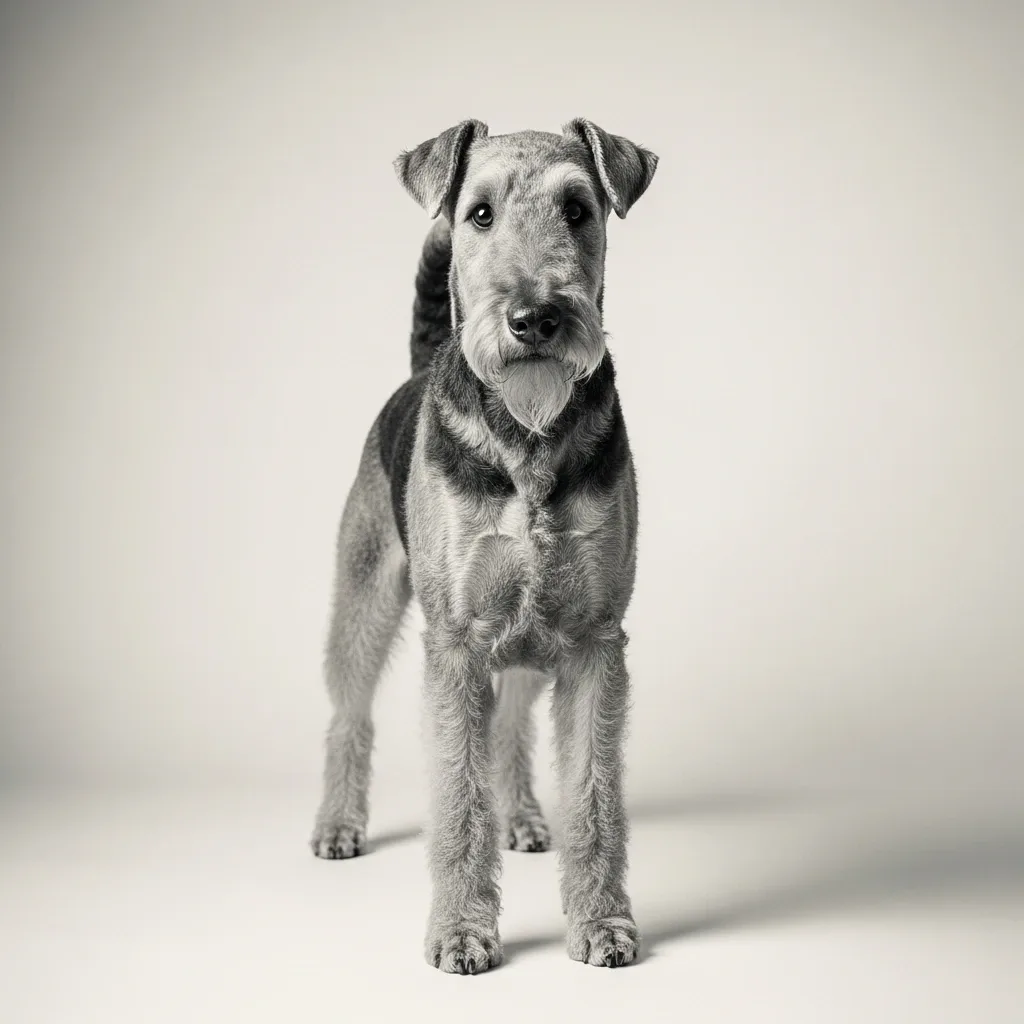
Airedale Terrier
The 'King of Terriers', the Airedale is the largest of all terrier breeds. They are brave, hardworking, and highly intelligent, making them excellent partners for active Kiwi families who love tramping and outdoor adventures.
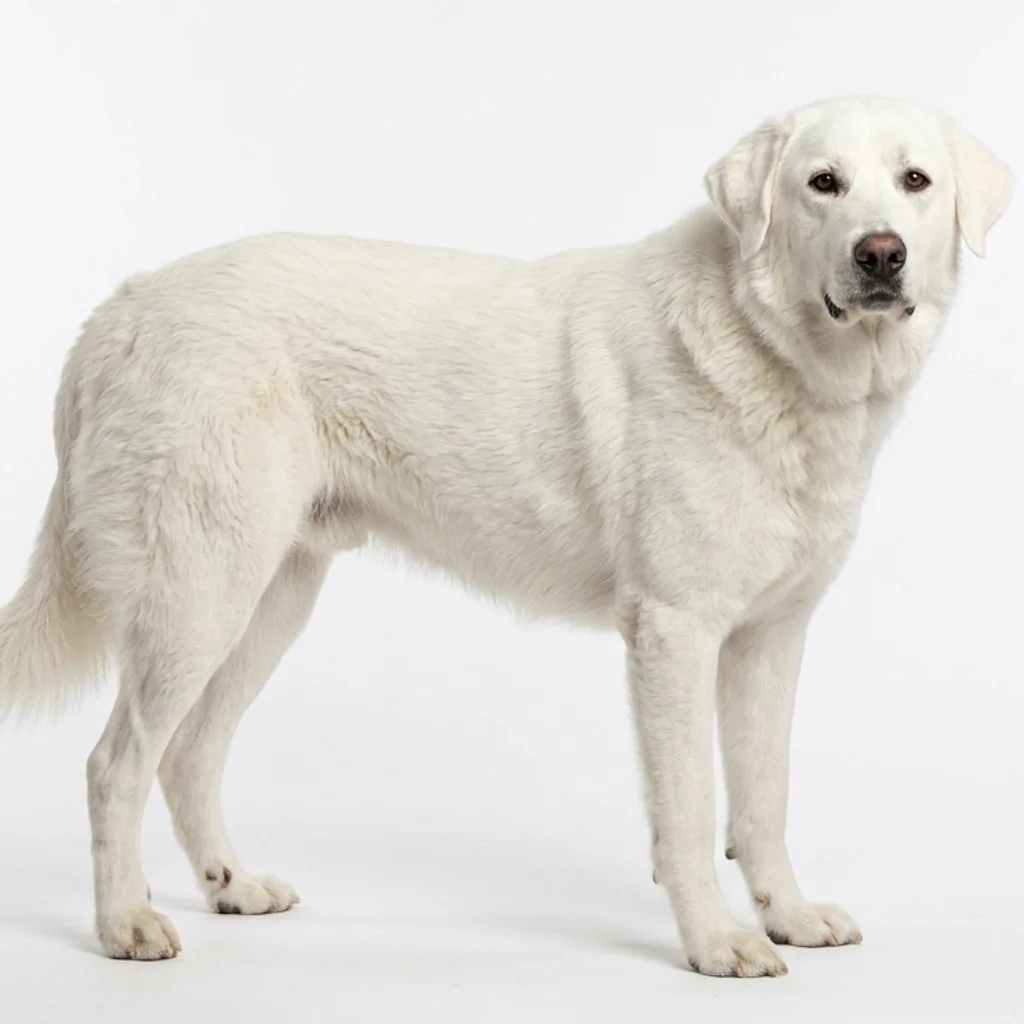
Akbash Dog
Originally a Turkish livestock guardian, the Akbash is a serious, protective, and independent breed. They are not suited for apartment living and thrive on large NZ lifestyle blocks where they can have a 'territory' to watch over.