Dog Breed Guide NZ
Kuvasz
The Kuvasz, a magnificent guardian breed from Hungary, stands out with its powerful build and striking white double coat. Renowned for their fierce loyalty and independent intelligence, these dogs are natural protectors, always vigilant over their family and property. While calm and courageous, they require experienced owners who understand their unique temperament and need for early socialisation. In New Zealand, the Kuvasz is best suited for spacious rural lifestyle blocks or farms, where their protective instincts can be fulfilled and they have ample room to roam and survey their domain, thriving in a dedicated Kiwi environment.
Photo Gallery
Breed Snapshot
- Size
- Male: 45-52 kg; Female: 32-41 kg
- Lifespan
- 10-12 years
- Origin
- Being enriched
- Temperament
- Loyal, protective, independent, courageous, intelligent, calm
- NZ Price
- $1,800 - $3,500 NZD from registered breeders; $150-$350 NZD adoption via SPCA (rarely available)
- Annual Vet Cost
- Estimated annual vet costs for a Kuvasz in NZ range from $800 - $1,500 NZD for routine care. This includes vaccinations, worming, flea/tick prevention, and annual check-ups. Given their large breed status, they are predisposed to conditions like hip and elbow dysplasia, bloat (gastric torsion), and certain eye conditions (e.g., entropion). Diagnosing and treating these issues can significantly increase costs, potentially adding several thousands of dollars for surgeries or ongoing management. Regular health screenings and preventative care are crucial for managing these risks.
Personality Scores
NZ Lifestyle Fit
The Kuvasz is emphatically not suited for apartment living, whether in Auckland or elsewhere in New Zealand. Their large size, protective instincts, and need for space make a small flat or even a modest urban section completely inappropriate. They thrive on rural lifestyle blocks or farms with extensive, securely fenced areas where they can patrol and fulfil their natural guardian role. Regarding climate, their dense double coat is well-suited to the colder South Island winters, providing excellent insulation. However, Auckland's humid summers can be challenging; owners must ensure constant access to shade, fresh water, and cooling options like a paddling pool to prevent overheating. The high UV index across New Zealand means their white coat and often pink skin are prone to sunburn, necessitating shade during peak sun hours. There are no specific MPI (Ministry for Primary Industries) restrictions on owning a Kuvasz in New Zealand, but prospective owners must adhere to all local council bylaws regarding dog ownership and responsible pet care.
Origins & History
The Kuvasz is an ancient dog breed, originating from Hungary, with a history stretching back possibly thousands of years. Their name is believed to derive from the Turkish word 'kawasz', meaning 'armed guard' or 'archer', reflecting their original purpose. Historically, these majestic dogs were primarily used as livestock guardians, protecting flocks of sheep and cattle from predators such such as wolves and bears across the vast Hungarian plains. Their striking white coat was not merely for aesthetics; it helped shepherds distinguish them from predators in low light conditions. For a period, the Kuvasz was also highly favoured by Hungarian nobility, serving as royal guard dogs and hunting companions, particularly during the 15th century reign of King Matthias Corvinus. The breed faced near extinction after World War II but was meticulously revived through dedicated breeding programmes, ensuring the survival of this noble and ancient lineage.
Appearance
The Kuvasz is a large, powerfully built dog, exuding an air of strength and nobility. Males typically stand between 71-76 cm at the shoulder and weigh 45-52 kg, while females are slightly smaller, ranging from 66-70 cm and weighing 32-41 kg. Their most distinctive feature is their dense, pure white double coat, which can be wavy or straight, providing excellent insulation against both cold and heat. The undercoat is soft and fine, while the outer coat is coarser. They possess dark, almond-shaped eyes that convey intelligence and alertness, and their medium-sized ears are V-shaped, hanging close to the head. The overall impression is one of elegance combined with formidable power, perfectly suited to their guardian role.
Temperament & Personality
The temperament of a Kuvasz is defined by its core role as a guardian. They are fiercely loyal and protective of their family, often forming a deep bond with their human companions. This loyalty extends to their property, which they will vigilantly patrol and defend. Kuvasz are intelligent and independent thinkers, capable of making their own decisions, which is a valuable trait in a guardian but can present challenges in training. They are courageous and calm, rarely displaying unprovoked aggression but will not hesitate to act if they perceive a threat. While reserved and sometimes aloof with strangers, they are typically gentle and tolerant with children of their own family, provided they are properly socialised from a young age. Early and consistent socialisation is crucial to ensure they distinguish between genuine threats and normal interactions.
Life in New Zealand
For a Kuvasz to thrive in New Zealand, the right environment is paramount. They are absolutely not suited for apartment living or even small suburban sections. Their ideal home is a spacious rural lifestyle block or farm with secure, high fencing, allowing them ample room to patrol and exercise. The New Zealand climate presents a few considerations: their thick double coat provides good insulation for South Island cold winters, but in humid Auckland summers, they will need plenty of shade, access to cool water, and perhaps a kiddie pool to prevent overheating. The high UV levels in NZ also mean their white coat and pink skin can be susceptible to sunburn, so shade and sun protection are important during peak sun hours. There are no specific MPI restrictions on the Kuvasz breed in New Zealand, but all general dog ownership rules and responsibilities apply.
Is This the Right Breed for You?
Owning a Kuvasz is a significant commitment and not for the faint of heart or first-time dog owners. They require an experienced owner who understands the nuances of a guardian breed – someone who can provide firm, consistent leadership, extensive socialisation, and a suitable living environment. If you live on a rural property, are prepared for their independent nature, and can dedicate the time to their training and socialisation, a Kuvasz can be an incredibly devoted and protective family member. They are not a dog to be left alone for long periods without purpose; they thrive when they have a job to do, even if that job is simply guarding their Kiwi family and property. Their protective instincts are strong, so careful management around visitors and strangers is always necessary. For the right owner and environment, the Kuvasz offers unparalleled loyalty and companionship.
Fun Facts
Fact 1
The Kuvasz was once considered a 'royal dog' of Hungary, reserved exclusively for nobility.
Fact 2
Their pure white coat helped shepherds distinguish them from wolves and other predators at night.
Fact 3
The breed faced near extinction after World War II, with only a handful of individuals surviving.
Fact 4
Kuvasz are known for their independent problem-solving abilities, a trait developed from their solitary guardian role.
Fact 5
Despite their large size, Kuvasz are surprisingly agile and can move with great speed when necessary.
Related Breeds
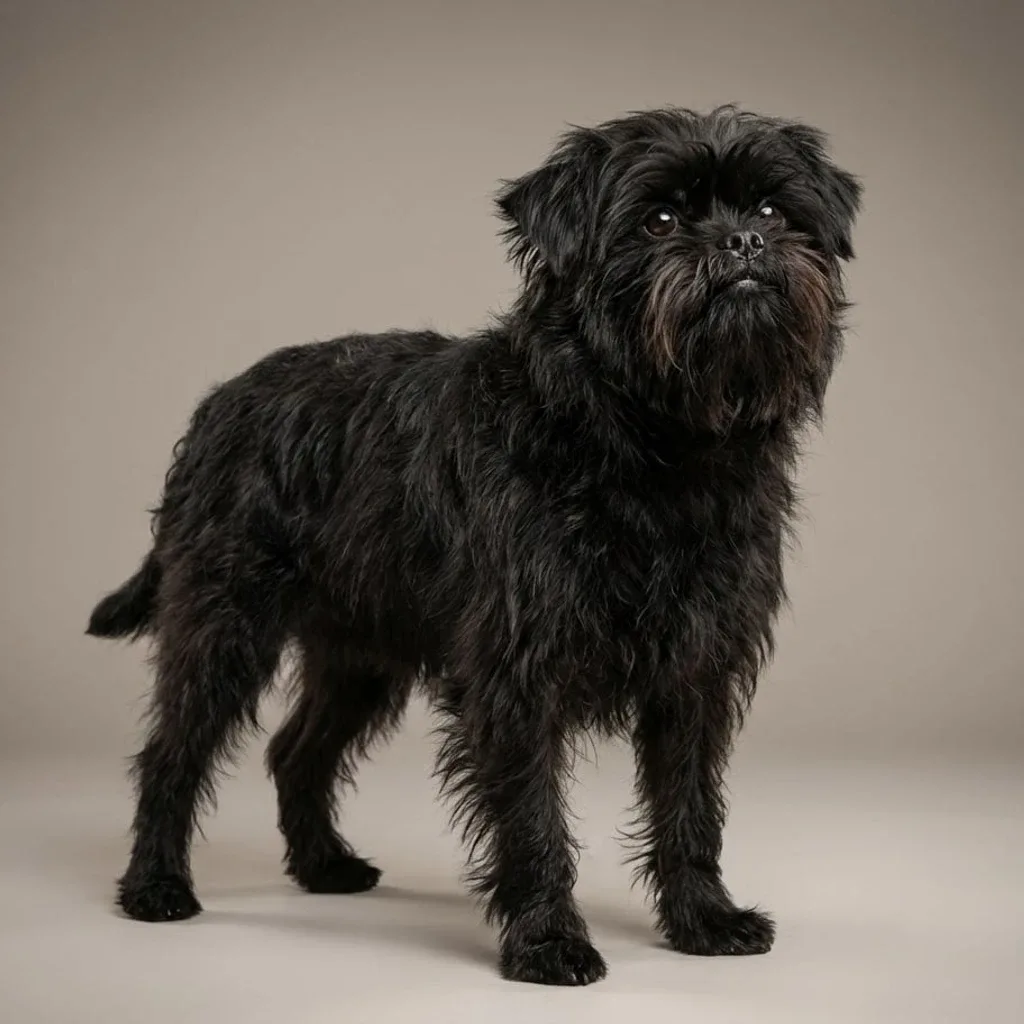
Affenpinscher
The Affenpinscher is a sturdy, monkey-like terrier-type toy breed known for its confidence and playful spirit. Despite its small size, it possesses a courageous heart and a loyal personality, making it a wonderful companion for Kiwi apartment dwellers or those with smaller sections.
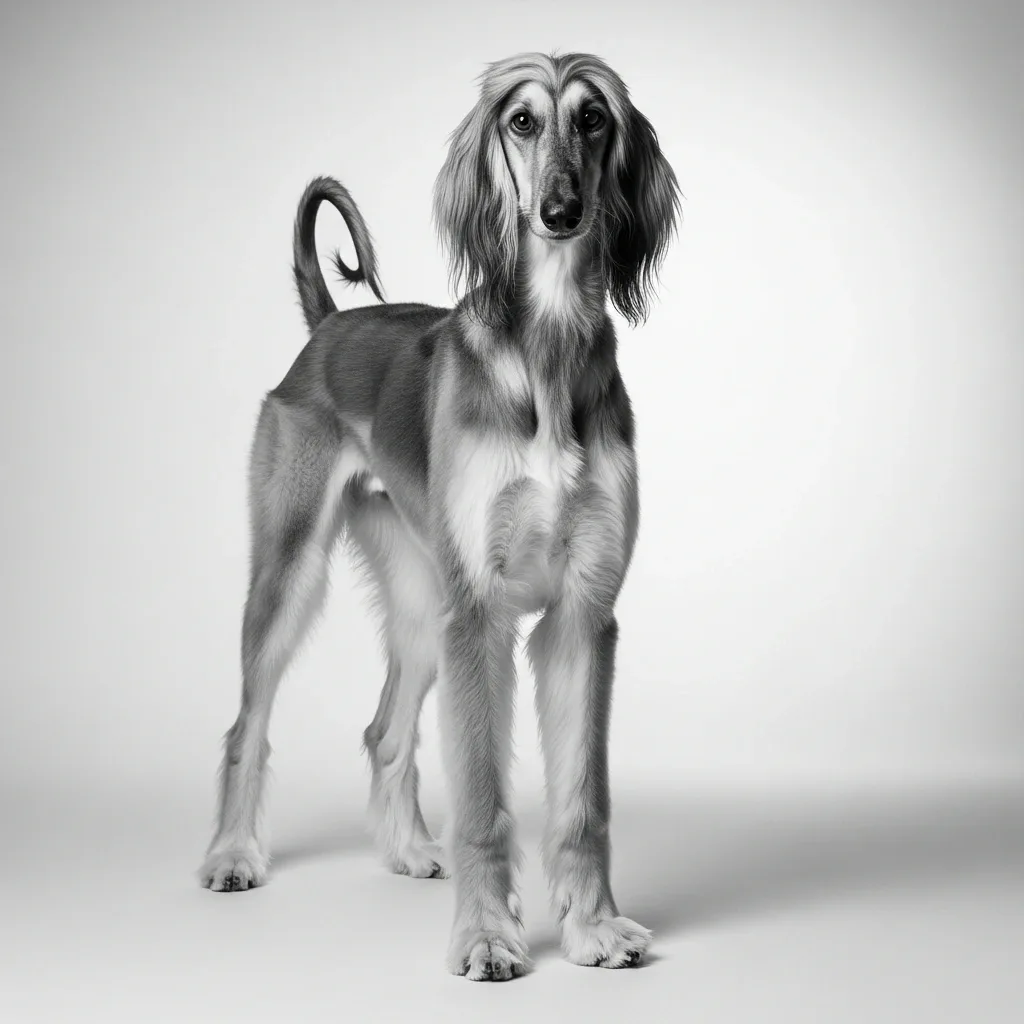
Afghan Hound
The Afghan Hound is an elegant aristocrat with a dignified and aloof personality. Known for its striking, silky coat, this breed is a high-maintenance beauty that requires ample space to run and an owner dedicated to its complex grooming needs.
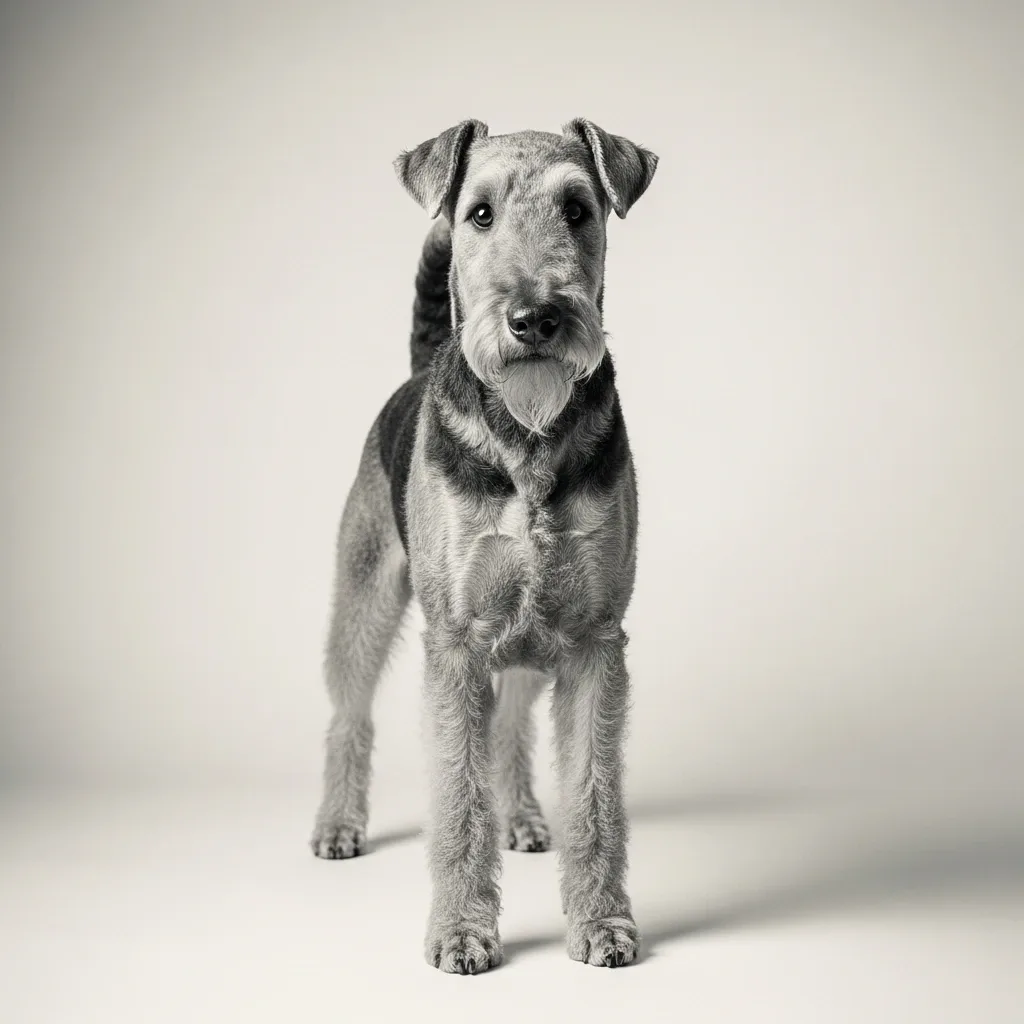
Airedale Terrier
The 'King of Terriers', the Airedale is the largest of all terrier breeds. They are brave, hardworking, and highly intelligent, making them excellent partners for active Kiwi families who love tramping and outdoor adventures.
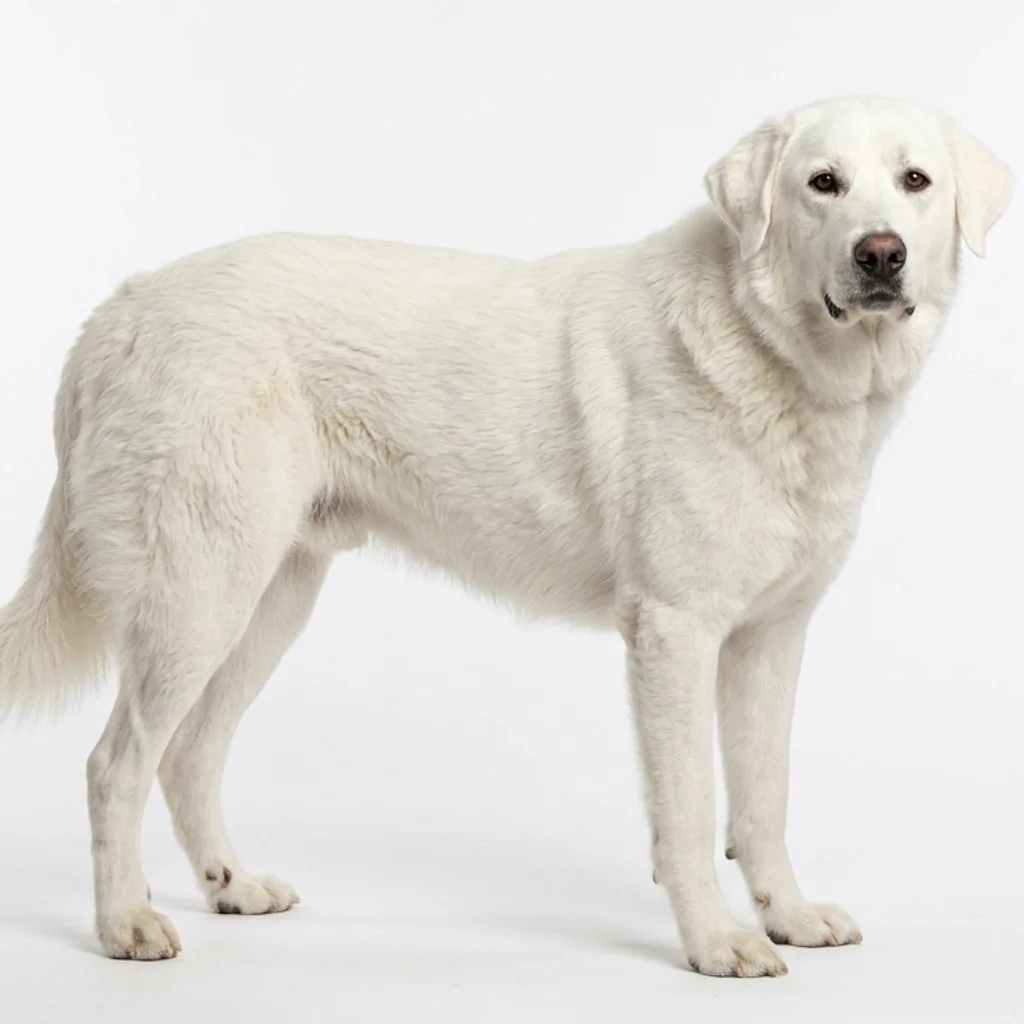
Akbash Dog
Originally a Turkish livestock guardian, the Akbash is a serious, protective, and independent breed. They are not suited for apartment living and thrive on large NZ lifestyle blocks where they can have a 'territory' to watch over.