Dog Breed Guide NZ
Kooikerhondje
The Kooikerhondje, a charming and athletic Dutch spaniel, is renowned for its intelligence and cheerful disposition. Originally bred to lure ducks into traps, these dogs possess a keen mind and a playful spirit, making them highly trainable and devoted companions. Their distinctive orange-red and white coat and plumed tail add to their unique appeal. Beyond their striking looks, Kooikers are alert and adaptable, forming strong bonds with their families. In New Zealand, a Kooiker thrives in an active household, whether it's exploring local beaches, tramping tracks, or enjoying a good run in a fenced section. They fit well with Kiwi families who appreciate an energetic, clever, and adaptable canine friend, eager to participate in all aspects of family life.
Photo Gallery
Breed Snapshot
- Size
- 9-14 kg
- Lifespan
- 12-15 years
- Origin
- Being enriched
- Temperament
- Friendly, intelligent, alert, energetic, cheerful, adaptable
- NZ Price
- $3,000 - $4,500 NZD from registered breeders; $150-$350 NZD adoption via SPCA NZ (if available)
- Annual Vet Cost
- Estimated annual vet costs for a Kooikerhondje in New Zealand can range from $400 - $800 NZD for routine care, including annual check-ups, vaccinations, flea and worm treatments. However, potential owners should budget more to account for breed-specific health issues. Kooikerhondjes are known for certain genetic conditions such as Von Willebrand's disease (a bleeding disorder), Patellar Luxation (dislocated kneecap), Polymyositis (an inflammatory muscle disease), and certain eye conditions like cataracts or Progressive Retinal Atrophy (PRA). Epilepsy and Necrotising Encephalopathy (NEC) are also noted. While responsible breeders screen for many of these, unexpected health issues can arise, potentially adding $500 - $2,000+ NZD or more for diagnostics and treatment in a given year. Pet insurance is highly recommended to help manage these potential costs.
Personality Scores
NZ Lifestyle Fit
The Kooikerhondje's adaptable nature means they can thrive in various New Zealand living situations, though some are more ideal than others. For apartment living in Auckland, a Kooiker can cope if they receive significant daily exercise, including long walks around the city's parks or along the waterfront, and regular visits to off-leash areas. Auckland's humid summers mean owners must ensure access to shade and fresh water, and avoid strenuous exercise during the hottest parts of the day. A house with a section provides an excellent environment, allowing them space to play and explore safely. They'll enjoy patrolling their territory and burning off energy in a secure garden. For rural New Zealand farms, Kooikers can adapt well, but their natural hunting instincts mean they require careful supervision around livestock and wildlife. Early training and secure boundaries are essential. Regarding climate, their double coat offers good insulation for South Island cold winters, but they are still indoor dogs and need a warm, dry place to sleep. New Zealand's high UV levels necessitate protection, especially for their lighter-coloured areas; ensuring shade and considering dog-safe sunscreen for exposed skin during peak sun hours is wise. There are no specific MPI restrictions on importing or owning Kooikerhondjes in New Zealand, making them a straightforward breed to welcome into the country.
Origins & History
The Kooikerhondje, pronounced "Koy-ker-hon-juh," boasts a rich history originating from the Netherlands, dating back to the 16th century. These charming spaniel-type dogs were specifically bred for a unique and ingenious purpose: luring ducks into "kooien" (duck traps or decoy ponds). The word "Kooiker" refers to the duck trapper, and "hondje" means small dog. Their distinctive white-tipped tail, which they wagged enticingly, played a crucial role in this ancient hunting technique, drawing the ducks closer to the traps where they could be caught for food or tagging. Despite their historical significance, the breed faced near extinction during World War II. Fortunately, Baroness van Hardenbroek van Ammerstol dedicated herself to their revival, meticulously searching for remaining specimens and establishing a breeding programme. Her efforts saved the Kooikerhondje, ensuring the continuation of this delightful and intelligent breed. Today, they are cherished as beloved family pets, though their innate intelligence and agility still shine through, reflecting their working heritage.
Appearance
The Kooikerhondje is a small to medium-sized dog, exuding an elegant yet sturdy appearance. Males typically stand between 37-42 cm at the shoulder, with females slightly smaller at 35-40 cm. Their weight generally ranges from 9-14 kg, making them a manageable size for many households. Their most striking feature is their beautiful, medium-length double coat. It's soft and slightly wavy, never curly, and lies close to the body. The hallmark colouration is a clear orange-red patches on a white background, with a preference for a blaze on the head and a black "earring" on the tips of their ears. The tail is well-feathered and carried gaily, often with a white tip – a remnant of their duck-luring past. Their expressive, dark almond-shaped eyes convey an alert and friendly disposition, while their pendulous, feathered ears frame their intelligent face perfectly. Overall, the Kooiker presents a balanced and athletic physique, built for agility and endurance.
Temperament & Personality
The Kooikerhondje's temperament is a delightful blend of intelligence, cheerfulness, and devotion. They are highly alert and energetic, always keen to be involved in family activities. Known for their friendly nature, Kooikers generally get along well with children and other pets, provided they are properly socialised from a young age. Their intelligence makes them quick learners, but also means they require consistent mental stimulation to prevent boredom, which can lead to unwanted behaviours. They form strong bonds with their owners and can be quite sensitive, responding best to positive reinforcement training methods. While adaptable, they thrive on routine and feeling like an integral part of the family unit. They possess a natural wariness towards strangers, making them excellent watchdogs, though they are not typically aggressive. Once they accept a new person, their friendly and playful side quickly emerges. Their energetic nature means they need regular exercise and opportunities to burn off steam, making them ideal companions for active individuals or families.
Life in New Zealand
Kooikerhondjes are well-suited to life in New Zealand, provided their needs for exercise and mental engagement are met. Their adaptable nature means they can thrive in various Kiwi living situations, from a house with a decent-sized section in the suburbs to a more rural property. While they can adapt to apartment living, it's crucial that their owners are committed to providing ample daily exercise and outdoor adventures to compensate for the lack of a private garden. New Zealand's diverse landscapes offer fantastic opportunities for Kooikers to explore – from romps on dog-friendly beaches, walks through local reserves, to accompanying their owners on tramping tracks. Their moderate size makes them good travel companions for bach holidays or road trips. Owners should be mindful of New Zealand's strong UV rays, especially for dogs with lighter coats, and ensure they have shade and access to water during warmer months. During colder South Island winters, their double coat provides some insulation, but they'll still appreciate a warm, dry spot indoors.
Is This the Right Breed for You?
The Kooikerhondje is an excellent choice for individuals or families who are prepared to invest time and energy into their canine companion. If you're looking for an intelligent, active, and devoted dog that thrives on interaction and mental challenges, a Kooiker might be your perfect match. They excel in dog sports like agility, obedience, and flyball, offering a great way to channel their energy and intelligence. However, they are not a breed that can be left alone for long periods without stimulation. Their sensitive nature means they require a patient and consistent owner who uses positive training methods. Potential owners should be committed to daily exercise, regular grooming, and providing a stimulating environment. If you enjoy an active lifestyle and are seeking a loyal, cheerful, and clever companion to share your New Zealand adventures with, the Kooikerhondje could be a wonderful addition to your whānau.
Fun Facts
Fact 1
The Kooikerhondje's distinctive white-tipped tail was historically used to lure ducks into traps.
Fact 2
They were nearly extinct after World War II but were saved by the dedicated efforts of Baroness van Hardenbroek van Ammerstol.
Fact 3
The breed's name translates to "small dog of the duck catcher" in Dutch.
Fact 4
Kooikers are known for their "earrings" – black tips on their otherwise orange-red and white ears.
Fact 5
Despite their hunting origins, they are not typically aggressive and are known for their friendly and cheerful disposition.
Related Breeds
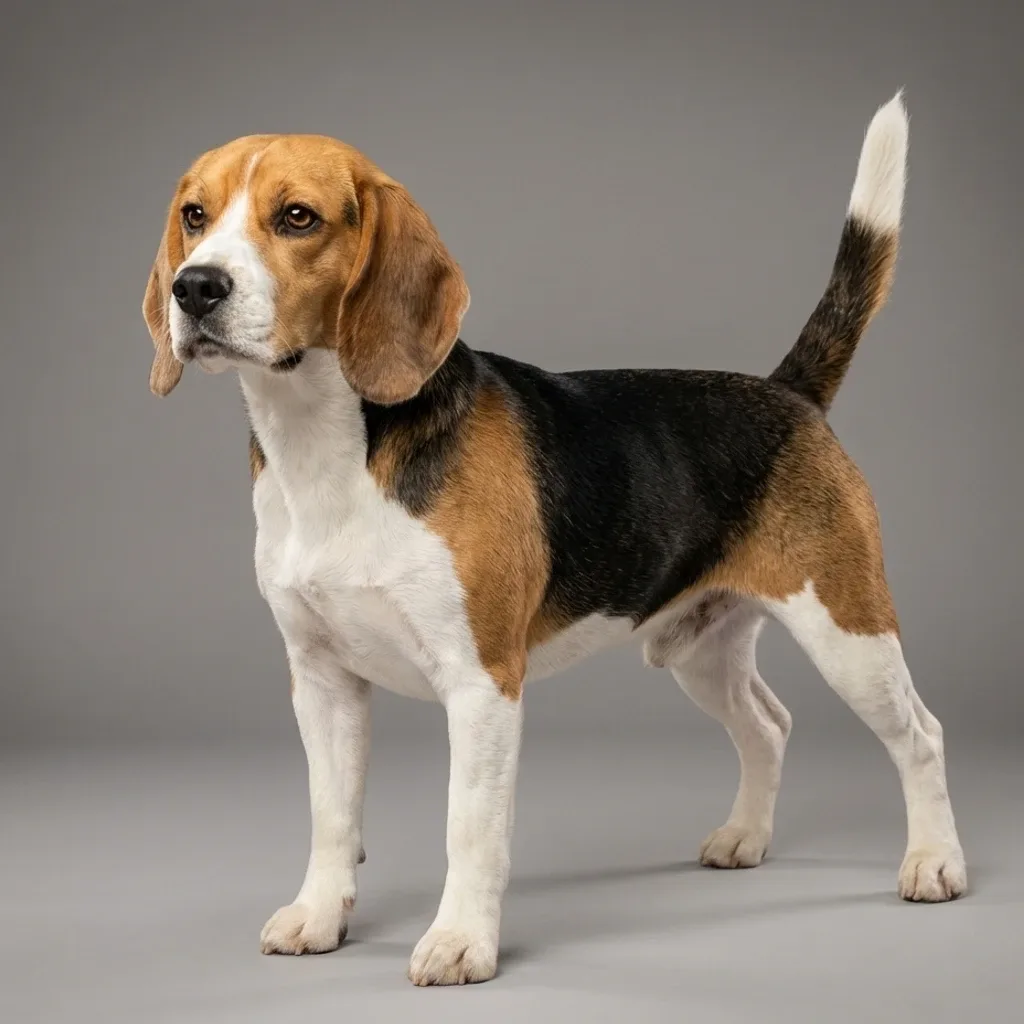
Beagle
The Beagle is a merry, outgoing scent hound and one of NZ's most popular family breeds. They are highly social, active, and motivated entirely by their nose. While friendly, they can be vocal and have a mind of their own when on a scent trail.
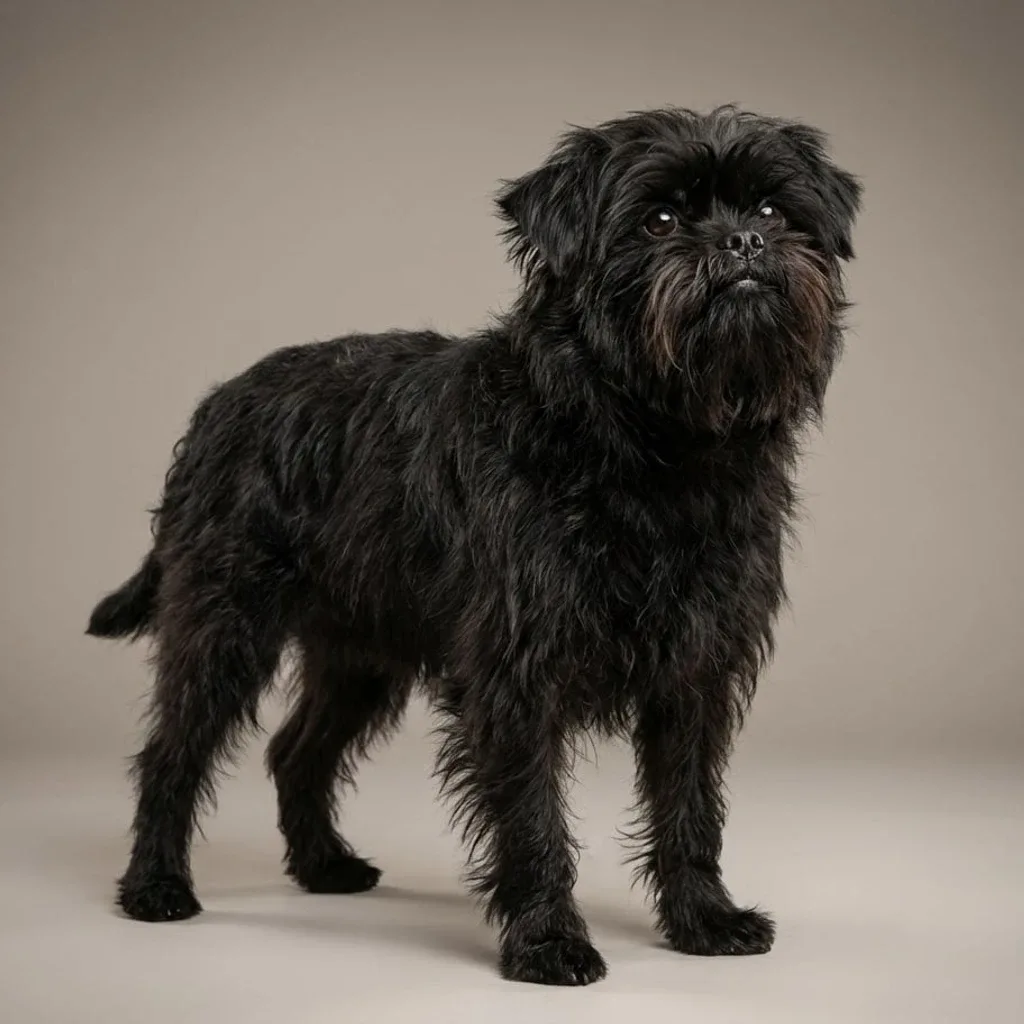
Affenpinscher
The Affenpinscher is a sturdy, monkey-like terrier-type toy breed known for its confidence and playful spirit. Despite its small size, it possesses a courageous heart and a loyal personality, making it a wonderful companion for Kiwi apartment dwellers or those with smaller sections.
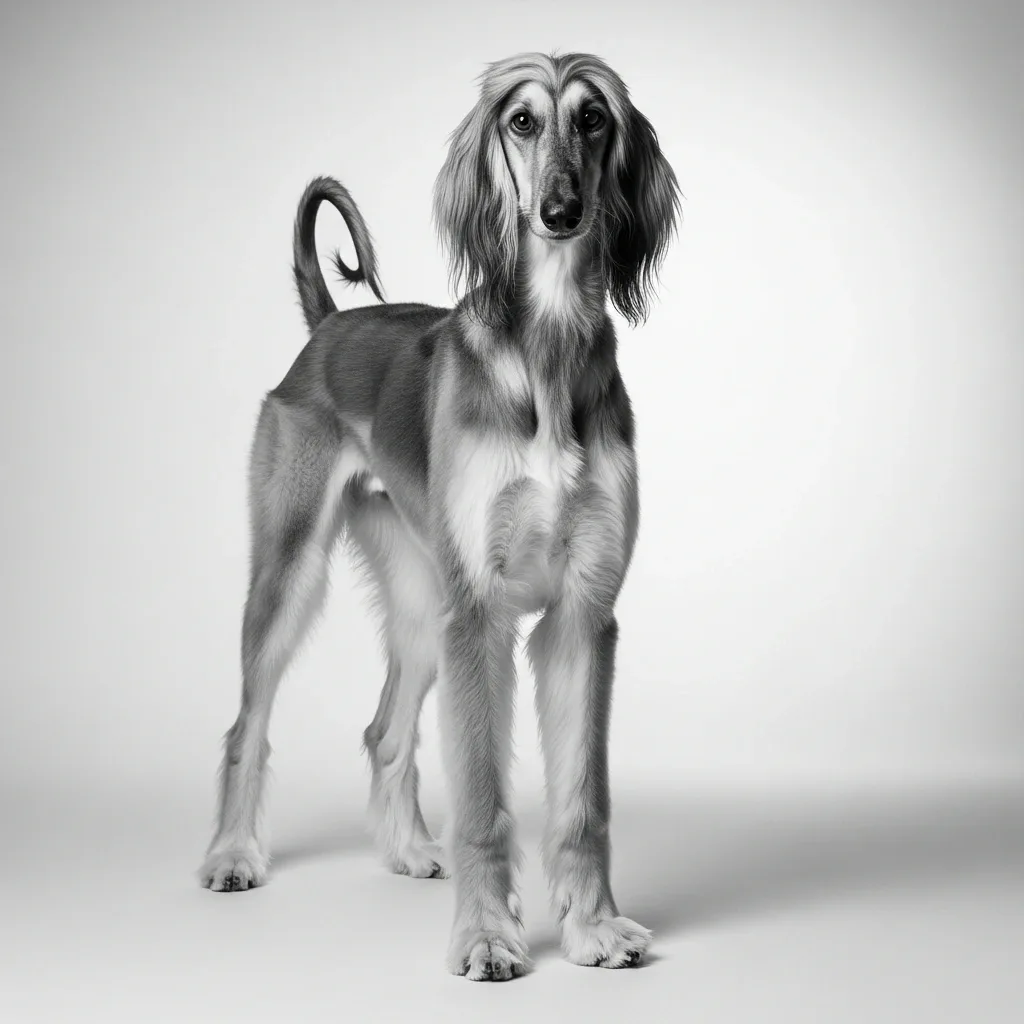
Afghan Hound
The Afghan Hound is an elegant aristocrat with a dignified and aloof personality. Known for its striking, silky coat, this breed is a high-maintenance beauty that requires ample space to run and an owner dedicated to its complex grooming needs.
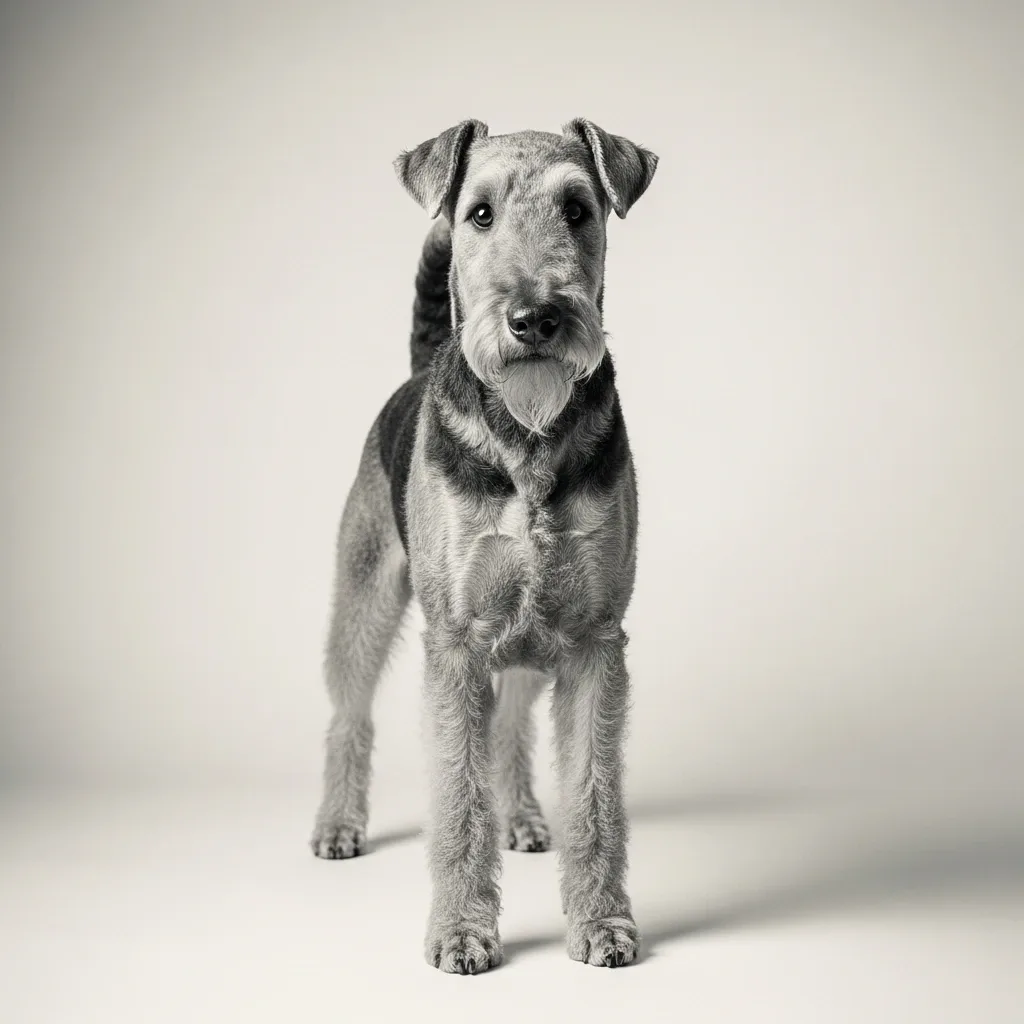
Airedale Terrier
The 'King of Terriers', the Airedale is the largest of all terrier breeds. They are brave, hardworking, and highly intelligent, making them excellent partners for active Kiwi families who love tramping and outdoor adventures.