Dog Breed Guide NZ
Beagle
The Beagle, a merry and outgoing scent hound, is one of New Zealand's most cherished family breeds. Known for their distinctive baying howl and an insatiable curiosity driven by their powerful nose, these energetic dogs bring a unique vibrancy to any home. Highly social and affectionate, Beagles thrive on companionship and are generally excellent with children and other pets, making them a popular choice for Kiwi families. While friendly and adaptable, their strong prey drive and independent nature on a scent trail require consistent training and secure environments. Their compact size and robust health make them a manageable companion for many New Zealand lifestyles, particularly those who enjoy an active, outdoor-oriented life.
Photo Gallery
Breed Snapshot
- Size
- 9-14 kg
- Lifespan
- 10-15 years
- Origin
- England
- Temperament
- Friendly, gentle, alert, outgoing, curious, energetic
- NZ Price
- $800 - $2,500 NZD from registered breeders; $150-$350 NZD adoption via SPCA
- Annual Vet Cost
- Estimated annual vet costs for a Beagle in NZ range from $400 - $800 NZD, covering routine check-ups, vaccinations, and parasite prevention. However, this can increase significantly if breed-specific health issues arise. Beagles are prone to conditions such as hip dysplasia, epilepsy, hypothyroidism, intervertebral disc disease (IVDD), and various eye conditions like cherry eye or glaucoma. Ear infections are also common due to their long, floppy ears. Regular vet visits are crucial for early detection and management, potentially saving on more extensive treatments later.
Personality Scores
NZ Lifestyle Fit
Beagles are adaptable to various New Zealand living situations, but their needs must be considered. For an apartment in Auckland, a Beagle isn't ideal due to their vocal nature and high energy; dedicated daily exercise and mental stimulation are crucial to prevent nuisance barking. A house with a securely fenced section is much better, allowing them space to burn off energy. Rural NZ farm life can suit them, but owners must be vigilant as their strong scent drive means they can easily wander off, potentially getting lost or disturbing livestock. There are no specific MPI restrictions on Beagles. Regarding climate, Beagles handle Auckland's humid summers well, provided they have access to shade and fresh water due to high UV. In the South Island's cold winters, their short coat means they'll appreciate a warm, sheltered sleeping area indoors. Overall, they are robust, but owners should always be mindful of New Zealand's varied weather conditions and provide appropriate shelter and care.
Origins & History
The Beagle's history stretches back centuries to England, where they were primarily bred as scent hounds for hunting hare and rabbit. Their name is thought to derive from the Old French 'be'geule' (meaning 'open throat') referring to their distinctive baying howl, or possibly from 'beag' (small). These tenacious little hounds were prized for their exceptional sense of smell and their ability to work in packs. Over time, as hunting practices evolved, Beagles transitioned from working dogs to beloved companions. They arrived in New Zealand with early settlers and quickly found favour, adapting well to the local environment. Today, the Beagle remains a highly popular breed across Aotearoa, cherished for its charming personality and enduring loyalty.
Appearance
Beagles are sturdy, compact dogs, typically weighing between 9-14 kg and standing 33-41 cm at the shoulder. They possess a smooth, dense double coat that is easy to maintain and comes in a variety of colours, most commonly the classic tri-colour (black, white, and tan) or bi-colour (lemon and white, red and white). Their most distinctive features include their long, floppy ears set low on the head, which help to funnel scents towards their nose, and their large, expressive brown or hazel eyes that convey an intelligent and often mischievous look. A medium-length tail, carried gaily, completes their iconic appearance. Their robust build reflects their heritage as resilient working dogs.
Temperament & Personality
The Beagle's temperament is a delightful mix of friendly, gentle, alert, and outgoing. They are renowned for their merry disposition and boundless curiosity, always eager to explore the world with their nose leading the way. Beagles are highly social animals that thrive on companionship, making them excellent family pets who generally get along well with children and other dogs. However, their strong hunting instincts mean they can be easily distracted by interesting scents, often leading to selective hearing when on a trail. They can also be quite vocal, using their characteristic bay or howl to express excitement, loneliness, or to alert their owners to something interesting. Early socialisation and consistent training are key to channelling their energetic and independent spirit.
Life in New Zealand
Beagles are well-suited to many New Zealand lifestyles, particularly those that offer plenty of outdoor activity and secure spaces. Their adaptable nature means they can thrive in suburban homes with a good-sized, securely fenced section, or even in rural settings where they have room to roam (under supervision). They love exploring New Zealand's diverse landscapes, from beaches to bush tracks, and are fantastic companions for family adventures. However, their powerful scent drive means they can easily wander off if not contained, making secure fencing and leash training paramount. Their friendly nature makes them popular at dog parks and on local footpaths, where they enjoy socialising with other dogs and people.
Is This the Right Breed for You?
Bringing a Beagle into your home means welcoming an energetic, affectionate, and often comical companion. They are ideal for active individuals or families who can provide consistent exercise, mental stimulation through scent games, and patient, positive training. If you appreciate a dog with a strong personality, a distinctive voice, and an unwavering zest for life, a Beagle might be your perfect match. However, prospective owners must be prepared for their vocal tendencies and their determination to follow a scent, which requires vigilance and secure containment. For those ready to embrace the unique joys and challenges of this charming hound, a Beagle offers years of loyal companionship and endless entertainment.
Fun Facts
Fact 1
Beagles were originally bred in England for hunting hare and rabbit, often working in large packs.
Fact 2
The most famous Beagle in popular culture is Snoopy from the 'Peanuts' comic strip.
Fact 3
Their distinctive 'baying' howl was developed to alert hunters to the location of their prey.
Fact 4
Beagles possess one of the best senses of smell among all dog breeds, with around 220 million scent receptors.
Fact 5
Due to their exceptional nose, Beagles are often employed as detection dogs, particularly in 'Beagle Brigades' at airports worldwide, including some in New Zealand, to sniff out prohibited food items.
Related Breeds
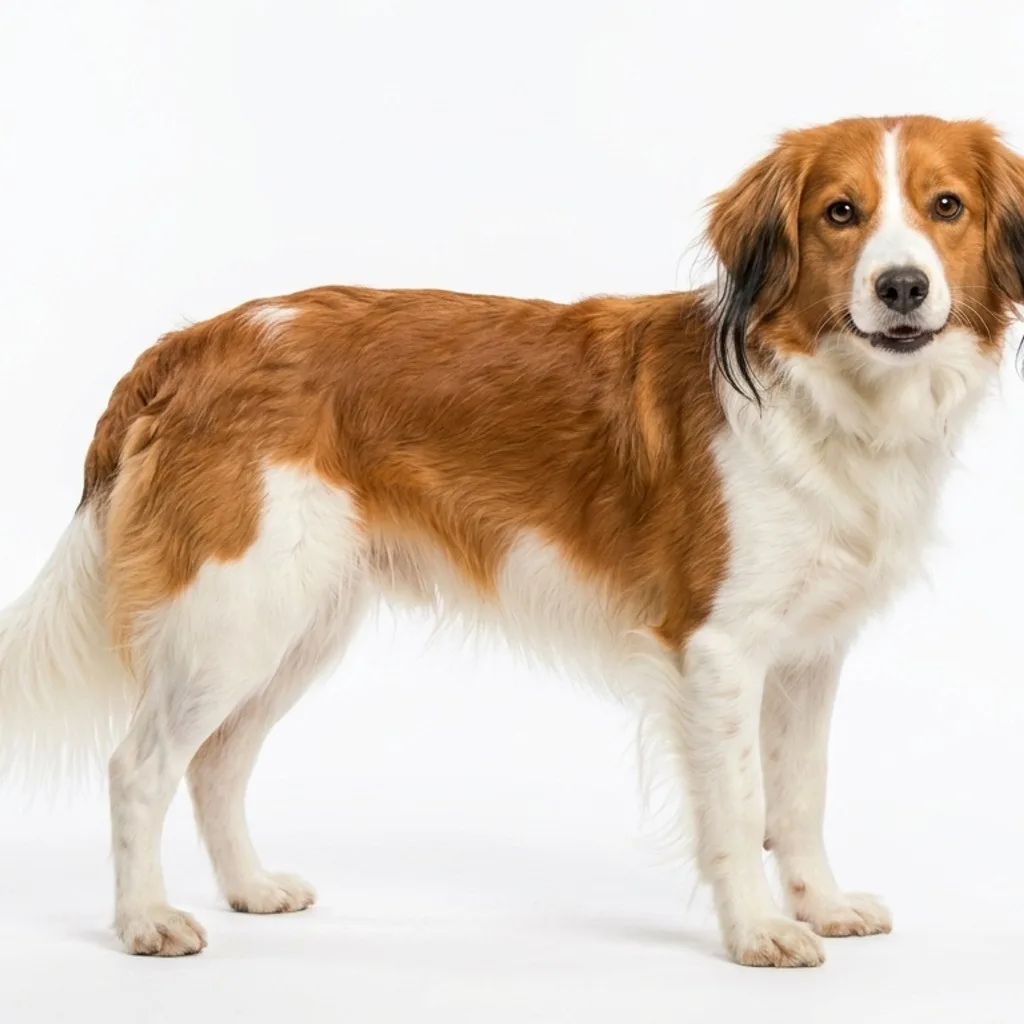
Kooikerhondje
The Kooiker is a small, athletic Dutch spaniel-type dog with a cheerful and alert personality. They were originally bred to lure ducks into traps and are highly intelligent, agile, and devoted to their owners.
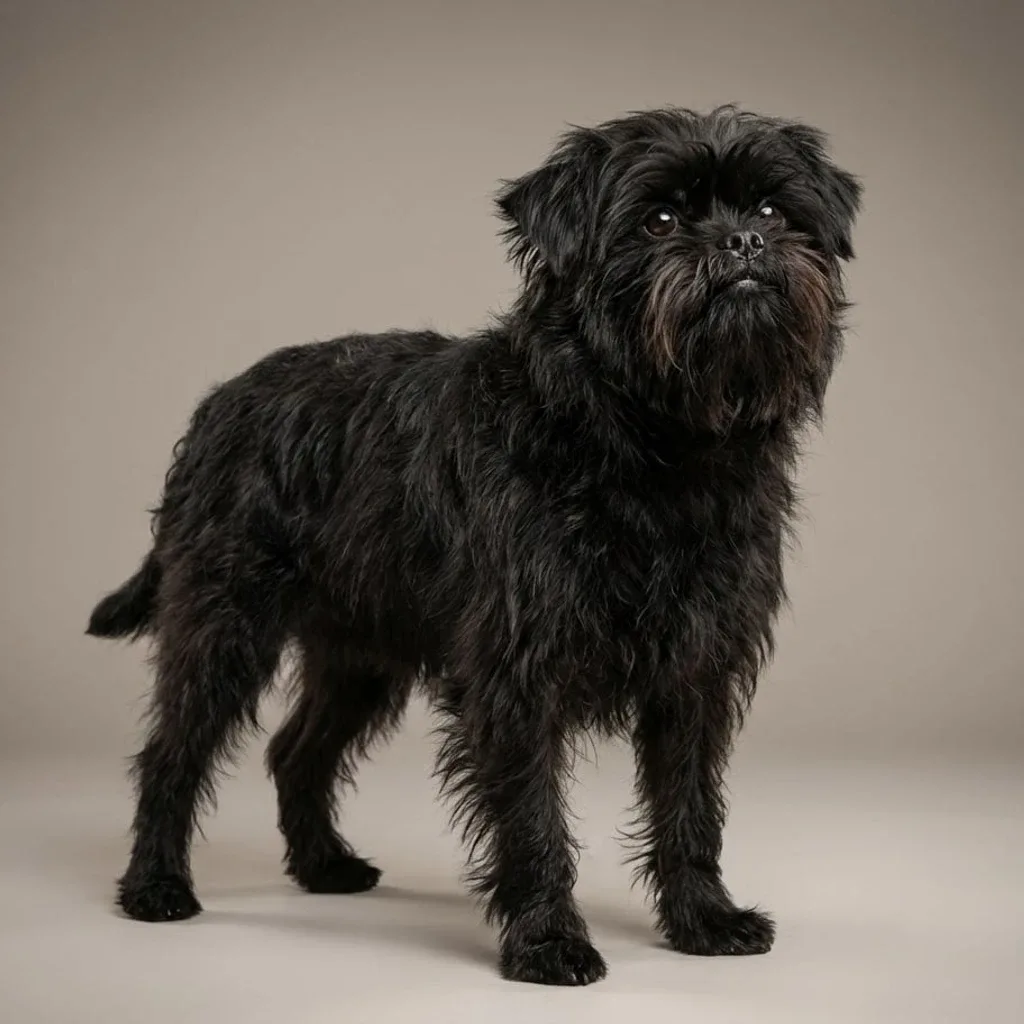
Affenpinscher
The Affenpinscher is a sturdy, monkey-like terrier-type toy breed known for its confidence and playful spirit. Despite its small size, it possesses a courageous heart and a loyal personality, making it a wonderful companion for Kiwi apartment dwellers or those with smaller sections.
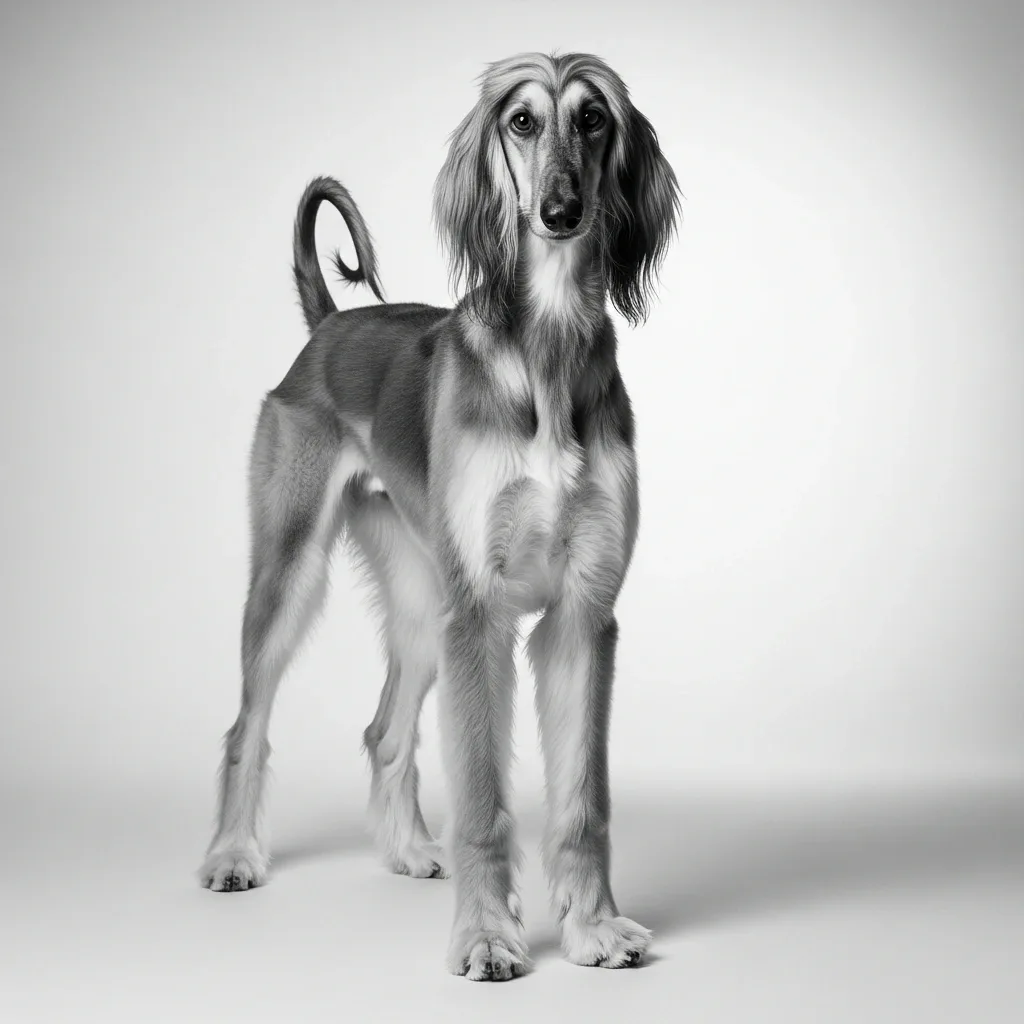
Afghan Hound
The Afghan Hound is an elegant aristocrat with a dignified and aloof personality. Known for its striking, silky coat, this breed is a high-maintenance beauty that requires ample space to run and an owner dedicated to its complex grooming needs.
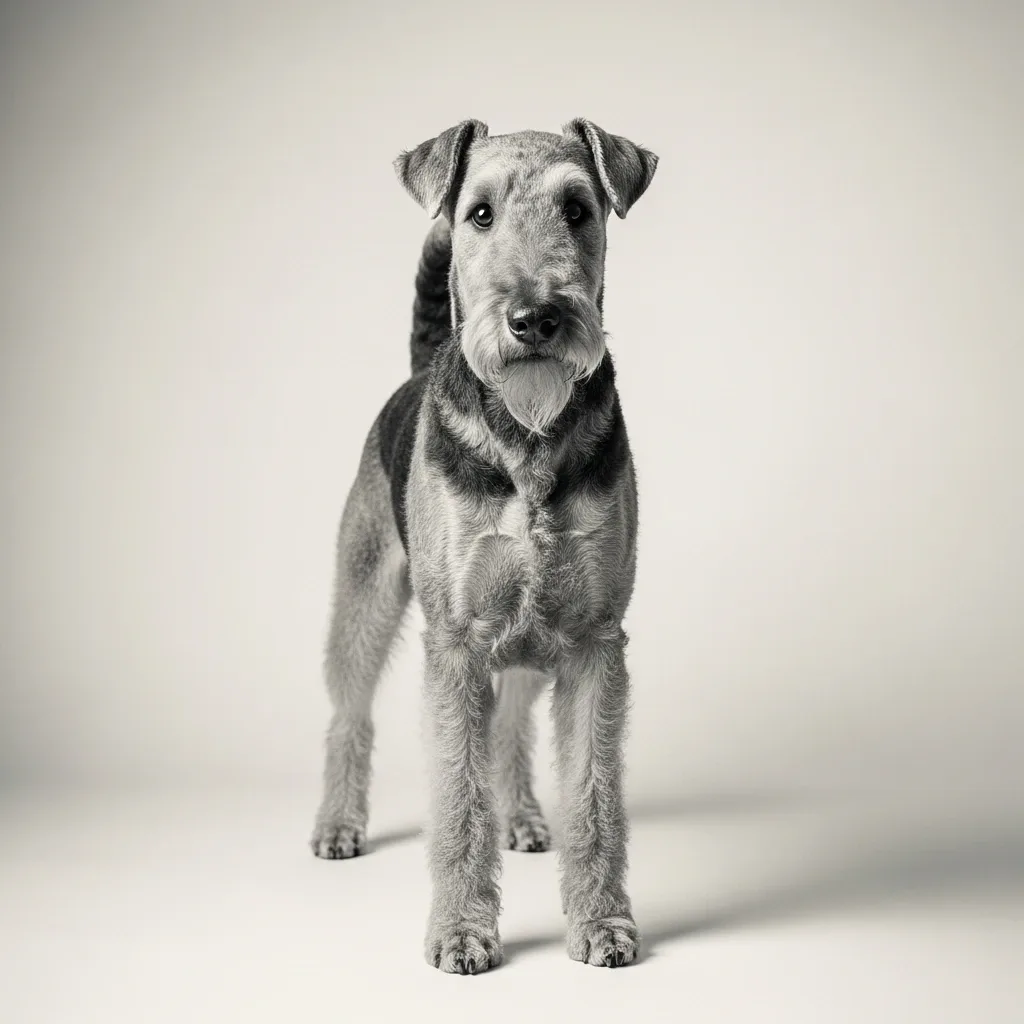
Airedale Terrier
The 'King of Terriers', the Airedale is the largest of all terrier breeds. They are brave, hardworking, and highly intelligent, making them excellent partners for active Kiwi families who love tramping and outdoor adventures.