Dog Breed Guide NZ
Komondor
The Komondor is a truly distinctive and powerful Hungarian livestock guardian, instantly recognisable by its magnificent white, corded coat, often likened to a mop. Beneath this unique exterior lies a serious, independent, and fiercely protective dog. Bred over centuries to guard flocks without human intervention, they possess an inherent courage and loyalty to their family. While calm and watchful, their imposing size and strong will mean they require an experienced owner committed to consistent training and early socialisation. In New Zealand, their ideal home is one with ample space, such as a large rural property, where their guardian instincts can be fulfilled, making them less suited to urban or suburban sections.
Photo Gallery
Breed Snapshot
- Size
- Male: 45-59 kg; Female: 36-50 kg
- Lifespan
- 10-12 years
- Origin
- Being enriched
- Temperament
- Loyal, protective, independent, courageous, calm
- NZ Price
- $3,000 - $5,000 NZD from registered breeders; $150-$350 NZD adoption via SPCA (rarely available).
- Annual Vet Cost
- Estimated annual vet costs for a Komondor in New Zealand range from $800 - $1,500 NZD, excluding emergency care. This covers routine check-ups, vaccinations, flea/worm treatments, and potential breed-specific health screenings. Komondors are prone to hip and elbow dysplasia, bloat (gastric dilatation-volvulus), and certain eye conditions like entropion. Screening for these conditions, especially hip and elbow scoring, can add to initial costs. Managing bloat risk might involve preventative gastropexy surgery, which is a significant expense. Regular dental care and managing skin issues related to their corded coat also contribute to ongoing vet expenses.
Personality Scores
NZ Lifestyle Fit
Komondors are generally unsuitable for apartment living in Auckland or other urban centres due to their large size, protective instincts, and need for space. An Auckland flat would be far too restrictive, leading to potential behavioural issues. A house with a generous, securely fenced section is a minimum requirement, but even then, their guardian nature might be challenged by close neighbours. They truly thrive in rural New Zealand farm settings or large lifestyle blocks where they have a 'flock' (be it livestock or family) to protect and ample room to patrol. Auckland's humid summers can pose a challenge for their dense corded coat, requiring extra vigilance to prevent skin infections or matting. Conversely, their coat provides excellent insulation against the South Island's cold winters. High UV levels in New Zealand mean any exposed skin, like their nose, should be monitored for sunburn. There are no specific MPI restrictions on Komondors, but responsible ownership, especially regarding containment and public safety, is crucial.
Origins & History
Originating from Hungary, the Komondor is an ancient and noble breed, with a history stretching back over a thousand years. Believed to have descended from Tibetan mastiffs, they were brought to Hungary by the Cumans, a nomadic Turkic people, in the 12th and 13th centuries. Their primary role was, and remains, that of a livestock guardian, specifically protecting sheep from predators like wolves and bears. Unlike herding dogs, Komondors were bred to live amongst their flock, blending in with the sheep due to their white coat, and acting as a formidable deterrent. Their independence and ability to make decisions without human command were crucial for their survival and effectiveness in this demanding role. This long history as a self-sufficient guardian has profoundly shaped their temperament and personality, making them the unique dogs we know today.
Appearance
The Komondor is a truly impressive sight, a massive and powerfully built dog. Males typically stand 65-80 cm at the shoulder and weigh between 45-59 kg, while females are slightly smaller at 60-70 cm and 36-50 kg. Their most striking feature is undoubtedly their dense, white, corded coat. These cords are not artificially created; they form naturally as the soft undercoat and coarser outer coat intertwine. The cords provide excellent insulation against both extreme cold and heat, and offer protection from predator bites. This unique coat also helps them blend in with their flock, making them less conspicuous to predators. Beneath the cords, they possess a robust bone structure, a deep chest, and a strong, muscular body, all contributing to their formidable presence.
Temperament & Personality
The Komondor's temperament is a direct reflection of its guardian heritage. They are incredibly loyal and protective of their family and territory, often forming a deep bond with their human companions. While calm and watchful, they are always alert and will not hesitate to act if they perceive a threat. Their independence is a hallmark of the breed; they are intelligent problem-solvers who can make decisions on their own, which means they are not always eager to please in the way some other breeds might be. This independence requires an experienced owner who understands their nature and can provide consistent, firm, but fair leadership. Early and extensive socialisation is crucial to ensure they are well-adjusted and differentiate between genuine threats and everyday occurrences. With their family, they can be surprisingly gentle and affectionate, but they are generally reserved with strangers.
Life in New Zealand
For a Komondor, life in New Zealand offers both challenges and opportunities. Their inherent guardian nature makes them ideally suited to rural properties, lifestyle blocks, or farms where they have a clear purpose and ample space to patrol. Their thick, corded coat provides excellent protection against the South Island's cold winters, but requires diligent care during Auckland's humid summers to prevent skin issues. Their need for a secure, large 'section' is paramount, as their protective instincts mean they are not suited to small urban backyards or apartment living. Owners must be prepared for their independent nature and commit to ongoing training and socialisation. While not a common breed in New Zealand, those who appreciate their unique qualities will find a deeply devoted and effective guardian.
Is This the Right Breed for You?
Bringing a Komondor into your life is a significant commitment that requires careful consideration. This is not a breed for first-time dog owners or those seeking an easily trainable, highly biddable companion. You must be prepared for their large size, powerful protective instincts, and the unique demands of their corded coat. An ideal owner is experienced with large, independent breeds, capable of providing consistent leadership, extensive socialisation from a young age, and a secure, spacious environment. They thrive in a rural setting where they have a job to do, even if it's just guarding the family property. If you're looking for a devoted, courageous guardian who will become an integral part of your family and you have the time, space, and experience to manage them, the Komondor could be an incredibly rewarding companion. However, if you live in a small home, prefer a dog that's friendly with everyone, or are not prepared for intensive grooming, this may not be the right breed for your Kiwi lifestyle.
Fun Facts
Fact 1
The Komondor's corded coat takes about two years to fully develop.
Fact 2
Their white coat historically helped them blend in with sheep, making them a 'wolf in sheep's clothing' to predators.
Fact 3
Komondors are considered one of Hungary's national treasures and are protected breeds.
Fact 4
Despite their formidable appearance, they are known for being surprisingly agile and quick.
Fact 5
The plural of Komondor in Hungarian is 'Komondorok'.
Related Breeds
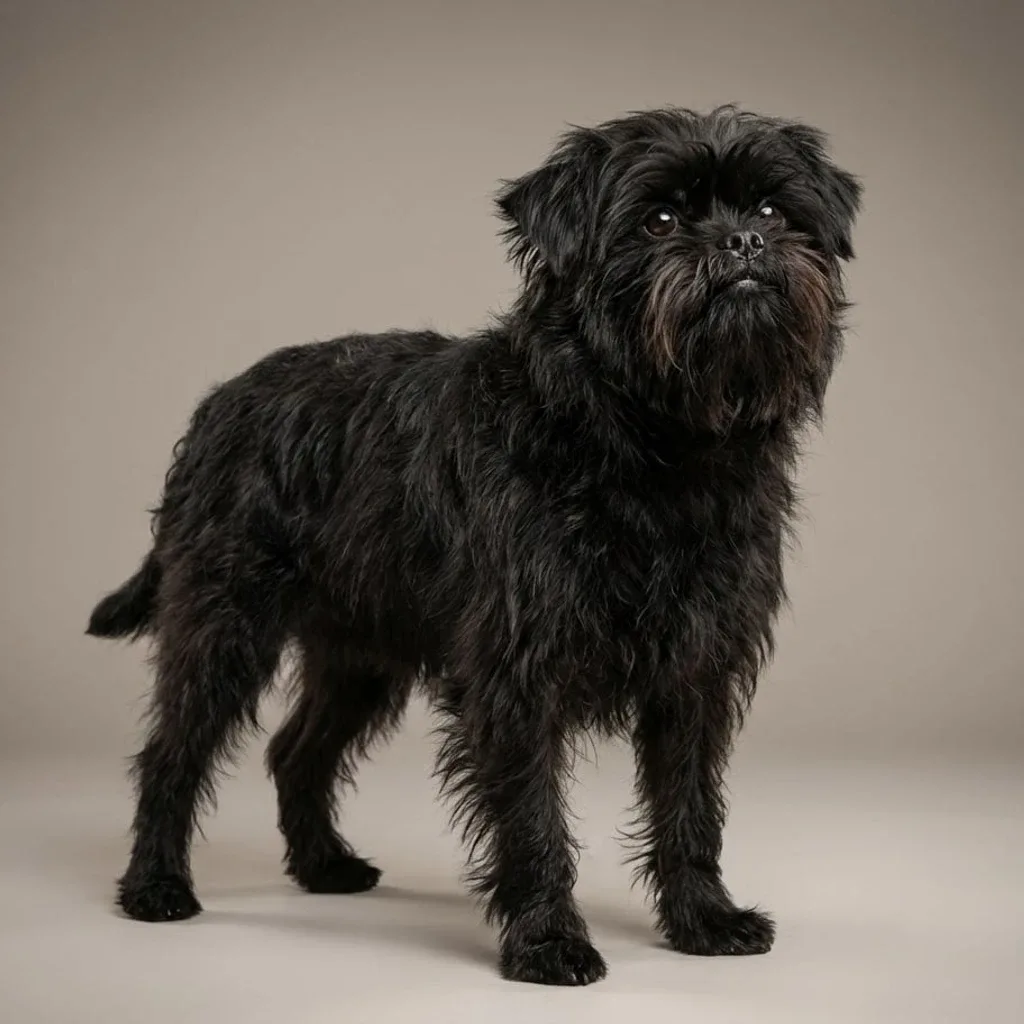
Affenpinscher
The Affenpinscher is a sturdy, monkey-like terrier-type toy breed known for its confidence and playful spirit. Despite its small size, it possesses a courageous heart and a loyal personality, making it a wonderful companion for Kiwi apartment dwellers or those with smaller sections.
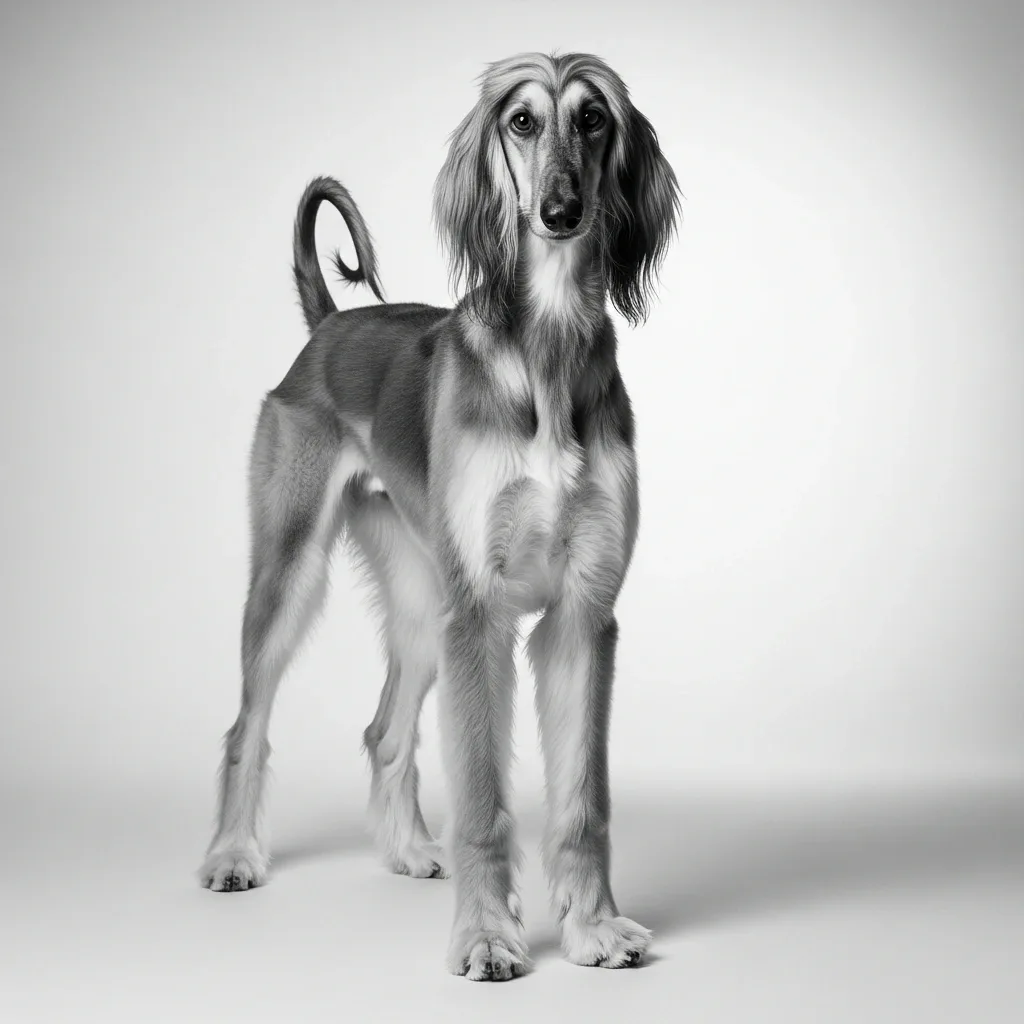
Afghan Hound
The Afghan Hound is an elegant aristocrat with a dignified and aloof personality. Known for its striking, silky coat, this breed is a high-maintenance beauty that requires ample space to run and an owner dedicated to its complex grooming needs.
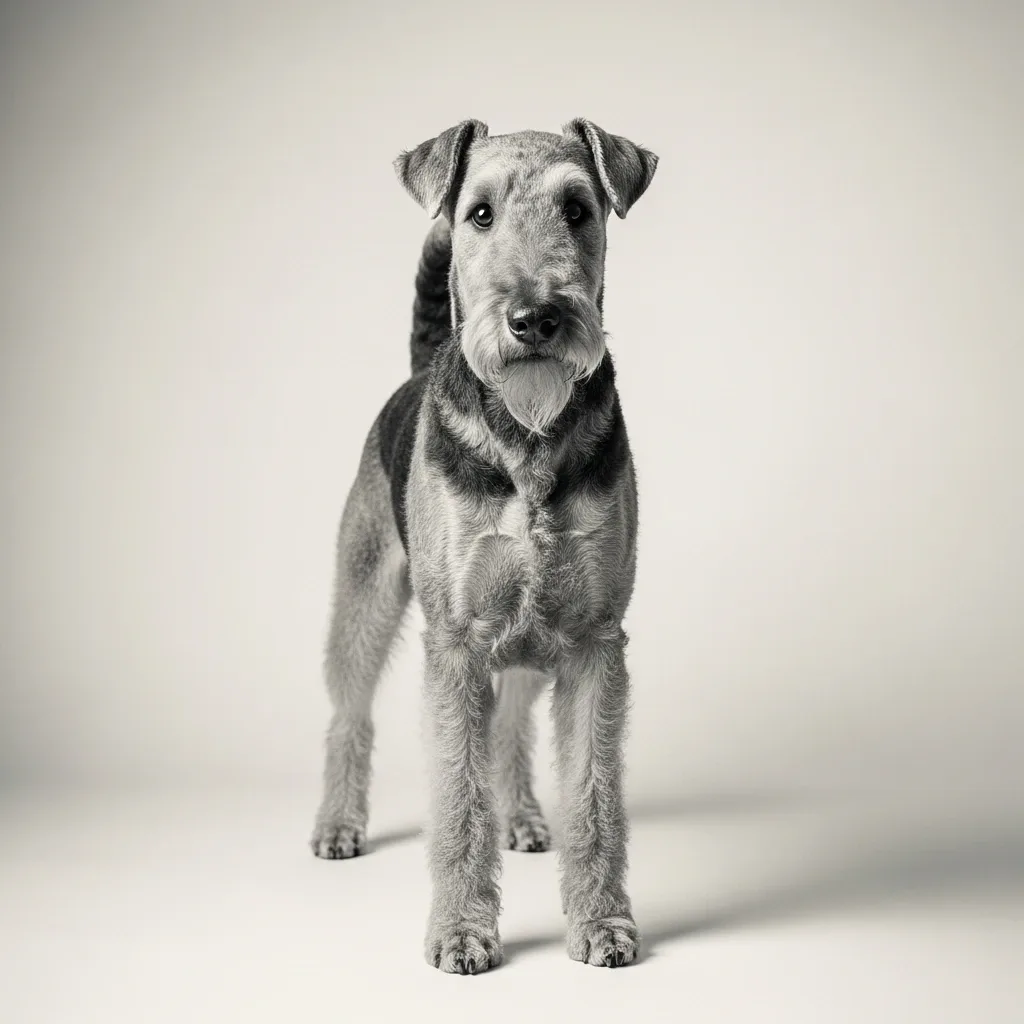
Airedale Terrier
The 'King of Terriers', the Airedale is the largest of all terrier breeds. They are brave, hardworking, and highly intelligent, making them excellent partners for active Kiwi families who love tramping and outdoor adventures.
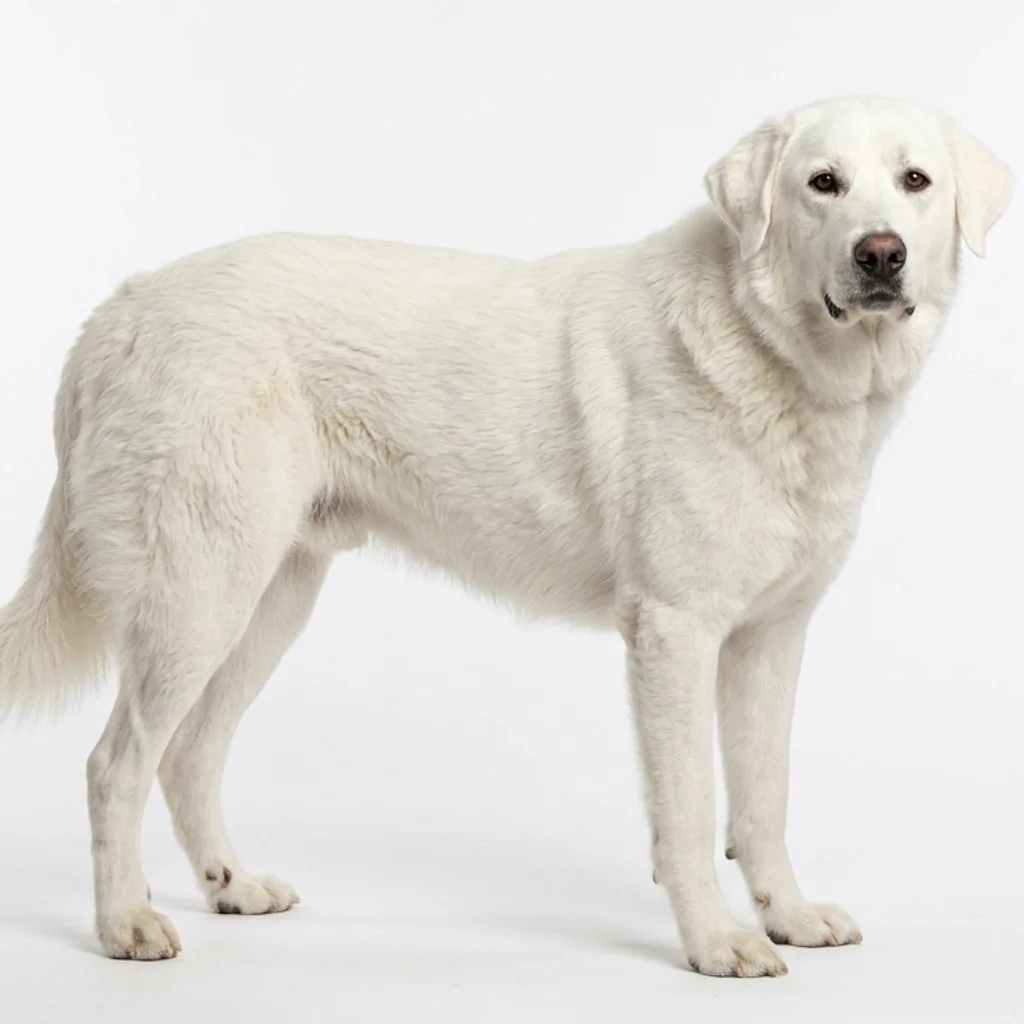
Akbash Dog
Originally a Turkish livestock guardian, the Akbash is a serious, protective, and independent breed. They are not suited for apartment living and thrive on large NZ lifestyle blocks where they can have a 'territory' to watch over.