Dog Breed Guide NZ
Keeshond
Known as the 'Smiling Dutchman,' the Keeshond is a captivating medium-sized spitz breed renowned for its spectacular plush double coat and inherently friendly, outgoing nature. Originating as devoted barge dogs, they form deep bonds with their family pack, thriving on companionship and interaction. Intelligent and alert, Keeshonds are eager to please, making them delightful companions for many Kiwi households. Their adaptable nature, coupled with moderate exercise needs, means they can fit well into various New Zealand lifestyles, from suburban homes with a section to more rural settings, provided they are integrated as cherished family members.
Photo Gallery
Breed Snapshot
- Size
- 16-20 kg
- Lifespan
- 12-15 years
- Origin
- Being enriched
- Temperament
- Friendly, intelligent, outgoing, alert, eager to please
- NZ Price
- $800 - $2,500 NZD from registered breeders; $150-$350 NZD adoption via SPCA
- Annual Vet Cost
- Estimated annual vet costs for a Keeshond in New Zealand range from $400 - $800 NZD, excluding emergency care. This typically covers routine vaccinations, regular worming and flea/tick prevention (which can be year-round in warmer North Island regions), and annual health check-ups. Breed-specific health issues that may incur additional costs include patellar luxation, hip and elbow dysplasia, epilepsy, and certain heart conditions like Patent Ductus Arteriosus (PDA). Regular screenings and early detection can help manage these conditions. Pet insurance is highly recommended to help mitigate the costs of unexpected illnesses or accidents.
Personality Scores
NZ Lifestyle Fit
The Keeshond's adaptability makes them suitable for various New Zealand living situations. For an apartment in Auckland, a Keeshond can thrive if they receive sufficient daily exercise and mental stimulation. However, their tendency to bark as an alert dog means early training is crucial to manage noise levels for neighbours. Auckland's humid summers necessitate careful management to prevent overheating; ensure constant access to shade, fresh water, and avoid peak heat exercise. A house with a section is ideal, offering space for play and exploration within a secure environment. Their double coat handles South Island cold winters well, but a warm, dry indoor sleeping area is essential. While not a working farm dog, a Keeshond could be a wonderful companion on a rural NZ farm, enjoying the space and providing an alert bark. High UV levels across NZ mean lighter-pigmented areas like their nose or paw pads can be susceptible to sunburn, requiring vigilance. There are no MPI restrictions on owning a Keeshond in New Zealand.
Origins & History
The Keeshond's history is deeply intertwined with the Netherlands, where they were affectionately known as the 'Dutch Barge Dog' or 'Fijnhond'. For centuries, these intelligent and watchful canines served as companions and guardians on barges navigating the intricate network of canals and rivers. Their primary role was to alert the barge owners to any approaching strangers or unusual activity, making them excellent watchdogs without being overly aggressive. They were also popular with the common people, particularly during the patriotic Dutch Patriot movement in the 18th century, where the breed became a symbol of the rebellion, named after Patriot leader Cornelis de Gyzelaar (whose nickname was 'Kees').
Following the decline of the Patriot movement, the Keeshond's popularity waned significantly, and the breed faced near extinction. It wasn't until the early 20th century, largely due to the efforts of Baroness van Hardenbroek, that the breed was rediscovered and revived. She meticulously sought out the remaining Keeshonds, establishing a breeding programme that brought them back from the brink. Today, the Keeshond is recognised worldwide as a distinct spitz breed, sharing ancestry with other northern breeds like the Samoyed, Chow Chow, and Pomeranian.
Appearance
The Keeshond is a striking dog, instantly recognisable by its magnificent, plush double coat and distinctive 'spectacles' – markings around the eyes that give the impression of wearing glasses. They are a medium-sized breed, typically weighing between 16 to 20 kg and standing around 43-48 cm at the shoulder. Their coat is a hallmark of the breed, consisting of a thick, soft, woolly undercoat and a longer, harsh outer coat that stands off the body, giving them a robust, almost spherical appearance. The colouration is a beautiful blend of grey, black, and cream, with the outer coat being black-tipped.
Key features include a foxy head, small, erect ears, and a characteristically curled tail that lies tightly over their back. The 'spectacles' are formed by a dark line running from the outer corner of each eye to the lower corner of the ear, accompanied by lighter markings above the eyes. This, combined with their perpetually smiling expression, contributes to their endearing and friendly look.
Temperament & Personality
The Keeshond's temperament is arguably its most cherished attribute. They are renowned for being exceptionally friendly, intelligent, and outgoing dogs. Often described as 'people pleasers,' they thrive on human companionship and are deeply devoted to their families. Their alert nature, a remnant of their barge dog days, makes them excellent watchdogs; they are quick to bark at anything unusual but are rarely aggressive. They possess a keen intelligence and an eagerness to learn, which makes them highly trainable with consistent, positive reinforcement.
Keeshonds are generally good with children and other pets, especially when properly socialised from a young age. They are known for their playful spirit and enjoy being involved in family activities. While they love to be active, they are equally content to cuddle up on the sofa with their loved ones. They can be prone to separation anxiety if left alone for extended periods, as their strong bond with their family means they crave constant interaction. Their 'smiling' expression truly reflects their joyful and amiable personality.
Life in New Zealand
Keeshonds are well-suited to life in New Zealand, adapting comfortably to our varied climates and lifestyles. Their thick double coat, while requiring regular grooming, provides excellent insulation against the colder South Island winters, though they will appreciate a warm, dry place indoors. In contrast, during the humid Auckland summers and high UV conditions across the country, care must be taken to prevent overheating. Providing ample shade, fresh water, and avoiding strenuous exercise during the hottest parts of the day is crucial. Their moderate exercise needs can be met with daily walks around local parks, along beaches (where permitted), or on bush walks, making them great companions for active Kiwi families.
Their friendly and social nature means they enjoy outings to dog-friendly cafes or local community events. As a vocal breed, early training to manage barking is important, especially if living in closer-knit suburban areas. There are no specific MPI restrictions on Keeshonds in New Zealand, making them a straightforward choice for pet ownership. They thrive on being an integral part of the family, whether that's joining you for a bach holiday or simply relaxing at home.
Is This the Right Breed for You?
The Keeshond is an excellent choice for individuals or families seeking a devoted, intelligent, and friendly companion. If you appreciate a dog with a striking appearance and a joyful, outgoing personality, the Keeshond could be your perfect match. They are particularly well-suited to homes where they will receive plenty of attention and be included in daily activities, as they thrive on human interaction. Their moderate exercise requirements make them adaptable to various living situations, provided they get their daily walks and playtime.
However, potential owners must be prepared for their grooming needs, especially the regular brushing required to maintain their magnificent coat and manage shedding. Their tendency to bark as an alert dog also means training is essential to prevent excessive noise. If you're looking for a low-maintenance dog in terms of grooming or one that can be left alone for long hours, a Keeshond might not be the best fit. But for those who can commit to their care, training, and provide them with abundant love and companionship, the Keeshond offers an incredibly rewarding and joyful pet ownership experience.
Fun Facts
Fact 1
Keeshonds are often called the 'Smiling Dutchman' due to their distinctive facial expression and Dutch heritage.
Fact 2
They served as loyal companions and watchdogs on barges and canal boats in the Netherlands for centuries.
Fact 3
Their unique 'spectacles' marking around their eyes is a hallmark of the breed, giving them a friendly, intelligent look.
Fact 4
The Keeshond shares common ancestry with other Spitz breeds like the Samoyed, Chow Chow, and Pomeranian.
Fact 5
The breed faced near extinction in the early 20th century before dedicated efforts revived their numbers.
Related Breeds
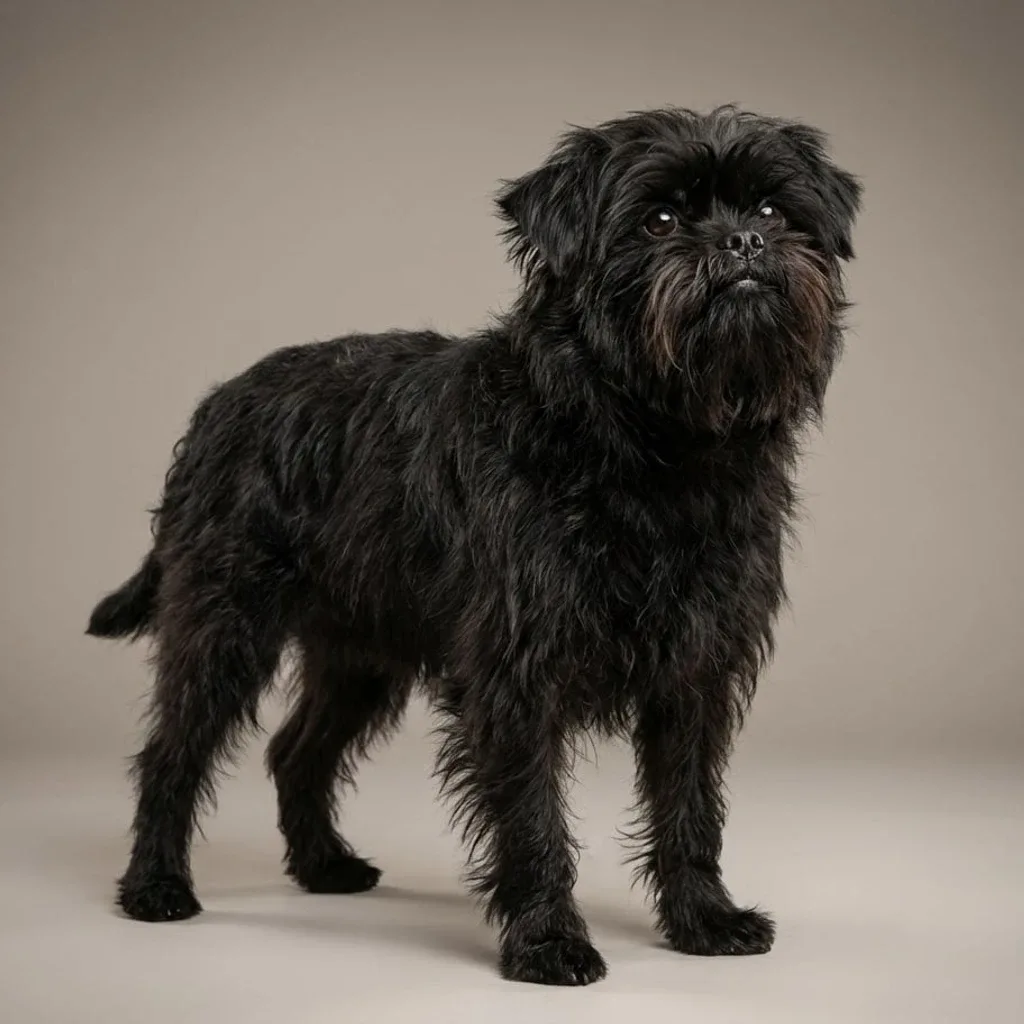
Affenpinscher
The Affenpinscher is a sturdy, monkey-like terrier-type toy breed known for its confidence and playful spirit. Despite its small size, it possesses a courageous heart and a loyal personality, making it a wonderful companion for Kiwi apartment dwellers or those with smaller sections.
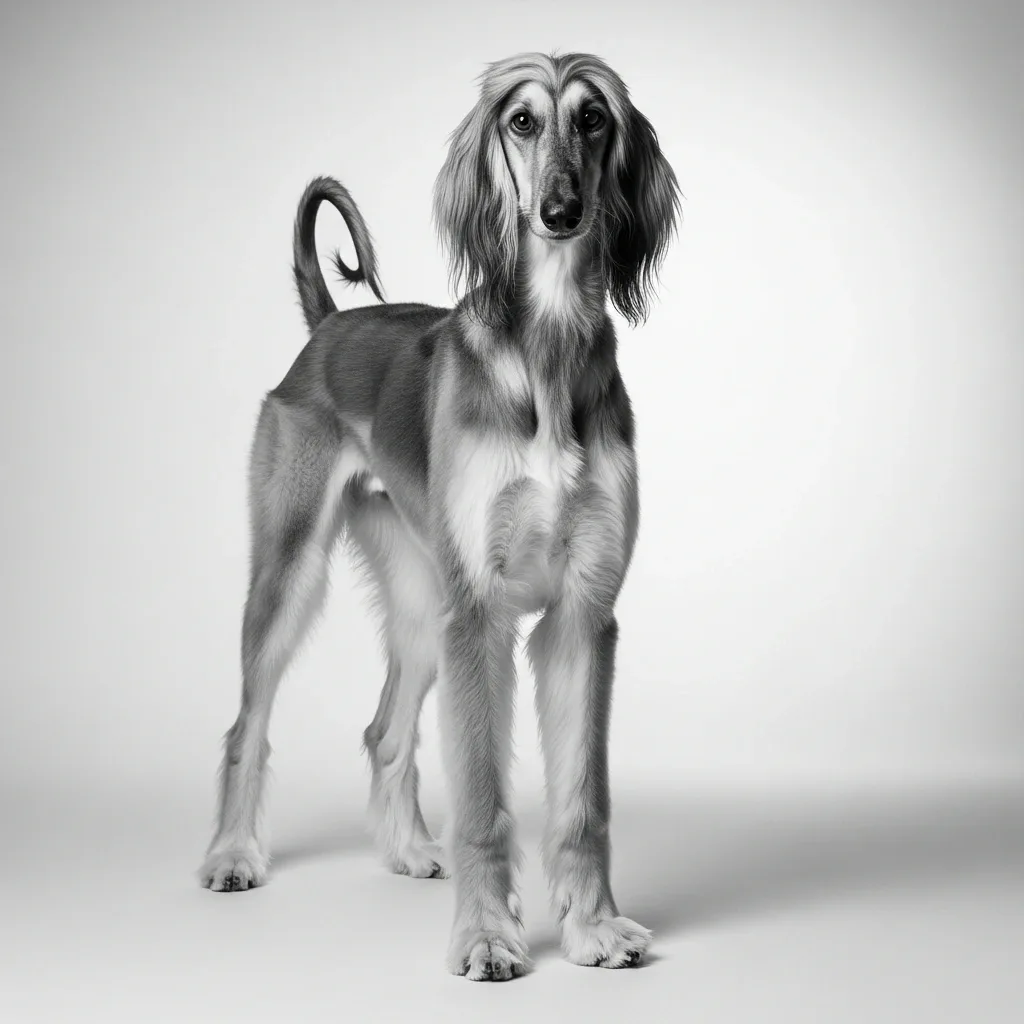
Afghan Hound
The Afghan Hound is an elegant aristocrat with a dignified and aloof personality. Known for its striking, silky coat, this breed is a high-maintenance beauty that requires ample space to run and an owner dedicated to its complex grooming needs.
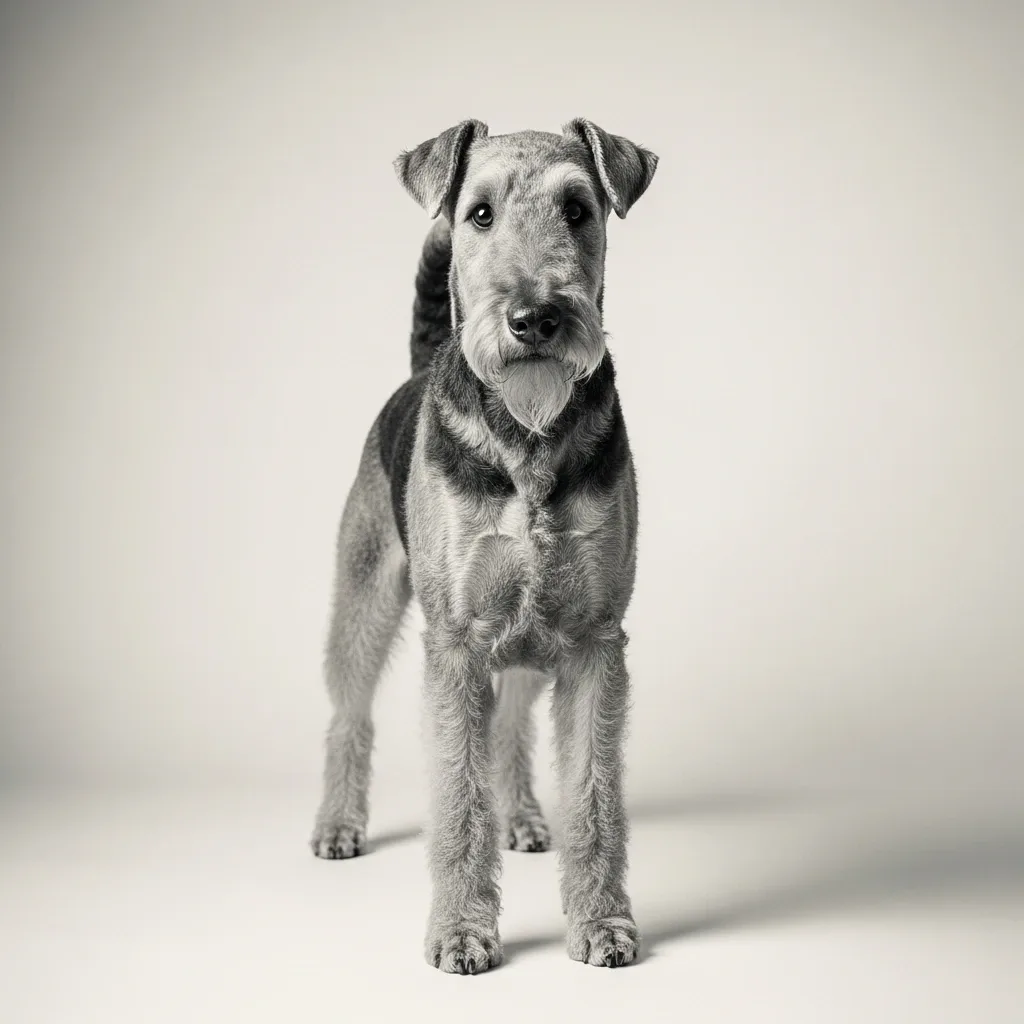
Airedale Terrier
The 'King of Terriers', the Airedale is the largest of all terrier breeds. They are brave, hardworking, and highly intelligent, making them excellent partners for active Kiwi families who love tramping and outdoor adventures.
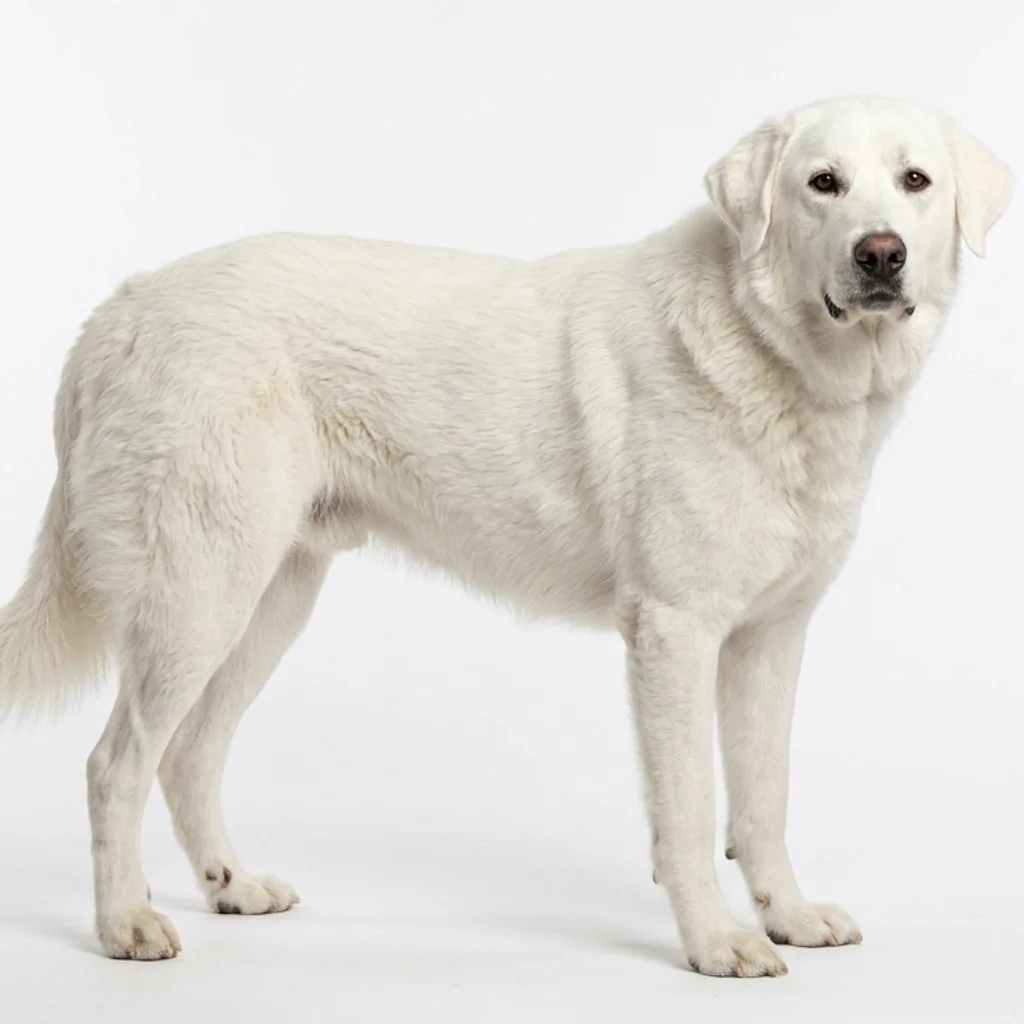
Akbash Dog
Originally a Turkish livestock guardian, the Akbash is a serious, protective, and independent breed. They are not suited for apartment living and thrive on large NZ lifestyle blocks where they can have a 'territory' to watch over.