Dog Breed Guide NZ
Japanese Chin
The Japanese Chin is a captivating, cat-like toy breed, renowned for its distinctive "oriental" expression and luxurious, silky coat. These aristocratic yet playful companions bring a unique charm to any home. Known for their alert intelligence and affectionate nature, they thrive in peaceful environments, often displaying a delightful independence. Despite their regal bearing, Japanese Chins are remarkably adaptable and make excellent companions for urban Kiwi living, fitting perfectly into flats or smaller homes across New Zealand. Their compact size and moderate exercise needs mean they're content with gentle strolls around the local park or a cosy spot on the couch.
Photo Gallery
Breed Snapshot
- Size
- 1.8-5 kg
- Lifespan
- 10-12 years
- Origin
- Being enriched
- Temperament
- Alert, intelligent, affectionate, independent, playful, calm
- NZ Price
- $2,000 - $4,500 NZD from registered breeders; $150-$350 NZD adoption via SPCA (if available)
- Annual Vet Cost
- Estimated annual vet costs for a Japanese Chin in New Zealand can range from $400 - $800 NZD for routine care like vaccinations, flea/worm treatments, and annual check-ups. However, due to breed-specific health issues, these costs can increase significantly. This includes potential costs for addressing brachycephalic airway syndrome (e.g., BOAS surgery, which can be $3,000-$6,000 NZD), luxating patella correction ($1,500-$4,000 NZD per knee), and ongoing management of eye conditions. Regular dental care, crucial for toy breeds, can also add $300-$700 NZD for professional cleans. Investing in pet insurance is highly advisable for Japanese Chin owners in New Zealand to help mitigate the financial impact of unexpected health issues.
Personality Scores
NZ Lifestyle Fit
The Japanese Chin is remarkably adaptable to various New Zealand living situations. They are excellent for apartment living in cities like Auckland or Wellington, requiring minimal space and being content with indoor play and short daily strolls along footpaths or local reserves. For homes with a section, they will enjoy supervised outdoor time, but their small size means they aren't suited to being left unsupervised in large yards, especially if larger dogs or wildlife are present. They are absolutely not a farm dog and would not thrive in a rural New Zealand farm environment due to their delicate build and companion nature. Regarding climate, Chins are generally adaptable. Auckland's humid summers necessitate access to shade and cool spots to prevent overheating, especially given their brachycephalic structure. In the South Island's colder winters, a warm coat is essential for outdoor excursions. New Zealand's high UV levels mean light-coloured Chins may benefit from sun protection on their nose or ears during prolonged outdoor exposure. There are no specific MPI (Ministry for Primary Industries) restrictions on owning Japanese Chins in New Zealand, but standard dog ownership bylaws apply.
Origins & History
The exact origins of the Japanese Chin are shrouded in ancient mystery, but it is widely believed that these elegant dogs originated in China, where they were bred as companions for Chinese aristocracy. They were then gifted to the Japanese imperial court, possibly as early as the 6th century, and it was in Japan that the breed truly flourished and was refined into the distinctive dog we know today. For centuries, the Japanese Chin was a closely guarded secret, owned exclusively by royalty and nobility, living a pampered existence within palace walls. They were often carried in the sleeves of kimonos, earning them the nickname "sleeve dogs."
The Western world first encountered the Japanese Chin in the mid-19th century, when Commodore Matthew Perry brought a pair back to the United States after his expedition to Japan in 1853. Queen Victoria also received a pair as a gift, further popularising the breed among European royalty. Their exotic beauty and charming temperament quickly captivated dog enthusiasts beyond Asia. Today, while still a relatively rare breed globally, the Japanese Chin continues to be cherished for its unique heritage and aristocratic grace, carrying centuries of noble companionship in its small, elegant frame.
Appearance
The Japanese Chin is a small, delicate toy breed, typically weighing between 1.8 to 5 kilograms, with a height ranging from 20 to 27 centimetres at the shoulder. Their most striking feature is their broad, rounded head, often described as having an "oriental" expression, accentuated by large, dark, wide-set eyes that convey an intelligent and inquisitive look. The muzzle is short and upturned, characteristic of brachycephalic breeds, but generally not as extreme as some other flat-faced dogs.
Their coat is long, silky, and straight, forming a beautiful mane around the neck and chest, with feathering on the ears, tail, and legs. Common coat colours include black and white, red and white (ranging from sable to lemon), and sometimes tricolour. The plumed tail curls gracefully over the back. The overall impression is one of elegance and refinement, a true lap dog designed for beauty and companionship. Their gait is light and graceful, adding to their aristocratic demeanour.
Temperament & Personality
The Japanese Chin possesses a truly unique temperament, often described as cat-like due to their fastidious nature, agility, and tendency to "wash" themselves. They are highly intelligent, alert, and surprisingly independent for a toy breed, yet deeply affectionate and devoted to their families. Chins are known for their playful antics and charming personality, often performing "Chin spins" – twirling around on their hind legs to entertain.
Despite their playful side, they are generally calm and prefer a peaceful home environment. They are not typically yappy, making them excellent flat dwellers, but will alert their owners to strangers. They get along well with respectful children and other pets, provided they are introduced properly. Their sensitivity means they thrive on positive reinforcement and gentle handling. A Japanese Chin forms a strong bond with its owner, enjoying nothing more than being a cherished member of the family, often seeking out a lap or a cosy spot nearby. They are observant and can be quite comical, bringing joy and laughter to their households.
Life in New Zealand
The Japanese Chin is exceptionally well-suited to various lifestyles across New Zealand, from bustling city flats to more spacious suburban homes. Their compact size and moderate exercise requirements make them ideal companions for urban Kiwis, particularly those living in Auckland, Wellington, or Christchurch apartments where space might be at a premium. They are content with short daily walks around the block or a local reserve, and thrive on indoor play and mental stimulation.
In homes with a section, Chins enjoy supervised outdoor time, but their small size means they should always be protected from larger dogs or potential predators. They are not suited for rural farm life, as their delicate build and companion nature mean they are ill-equipped for working roles or unsupervised outdoor living. Their adaptable nature means they can handle the varied New Zealand climate, though owners should be mindful of Auckland's humid summers and the South Island's colder winters, providing appropriate shelter and clothing. Their gentle disposition and affectionate nature make them wonderful family pets, fitting seamlessly into the relaxed Kiwi lifestyle, provided they receive plenty of love and attention.
Is This the Right Breed for You?
The Japanese Chin is an ideal companion for individuals or families seeking a devoted, intelligent, and relatively low-maintenance toy breed. They thrive in homes where they can be an integral part of daily life, enjoying close companionship and a peaceful atmosphere. If you appreciate a dog with a unique, somewhat aristocratic charm, a playful spirit, and a calm demeanour, the Chin could be your perfect match.
They are particularly well-suited for older individuals, those living in apartments or smaller homes, and families with older, respectful children. While they are generally good with other pets, careful introductions are always recommended. Prospective owners should be prepared for regular grooming to maintain their beautiful coat and be mindful of potential brachycephalic health concerns. If you can offer a loving, stable home with consistent care, gentle training, and plenty of affection, the Japanese Chin will reward you with years of devoted companionship and delightful antics, enriching your life with their unique charm.
Fun Facts
Fact 1
Japanese Chins were once so highly valued that they were sometimes carried in the sleeves of kimonos by Japanese nobility.
Fact 2
They are often described as "cat-like" due to their fastidious grooming habits, agility, and tendency to perch on high surfaces.
Fact 3
The breed is known for its unique "Chin spin," where they twirl around on their hind legs when excited or happy.
Fact 4
Commodore Matthew Perry is credited with bringing the first Japanese Chins to the United States in the mid-19th century.
Fact 5
Despite their aristocratic appearance, they are known for their playful and sometimes comical antics, bringing joy to their families.
Related Breeds
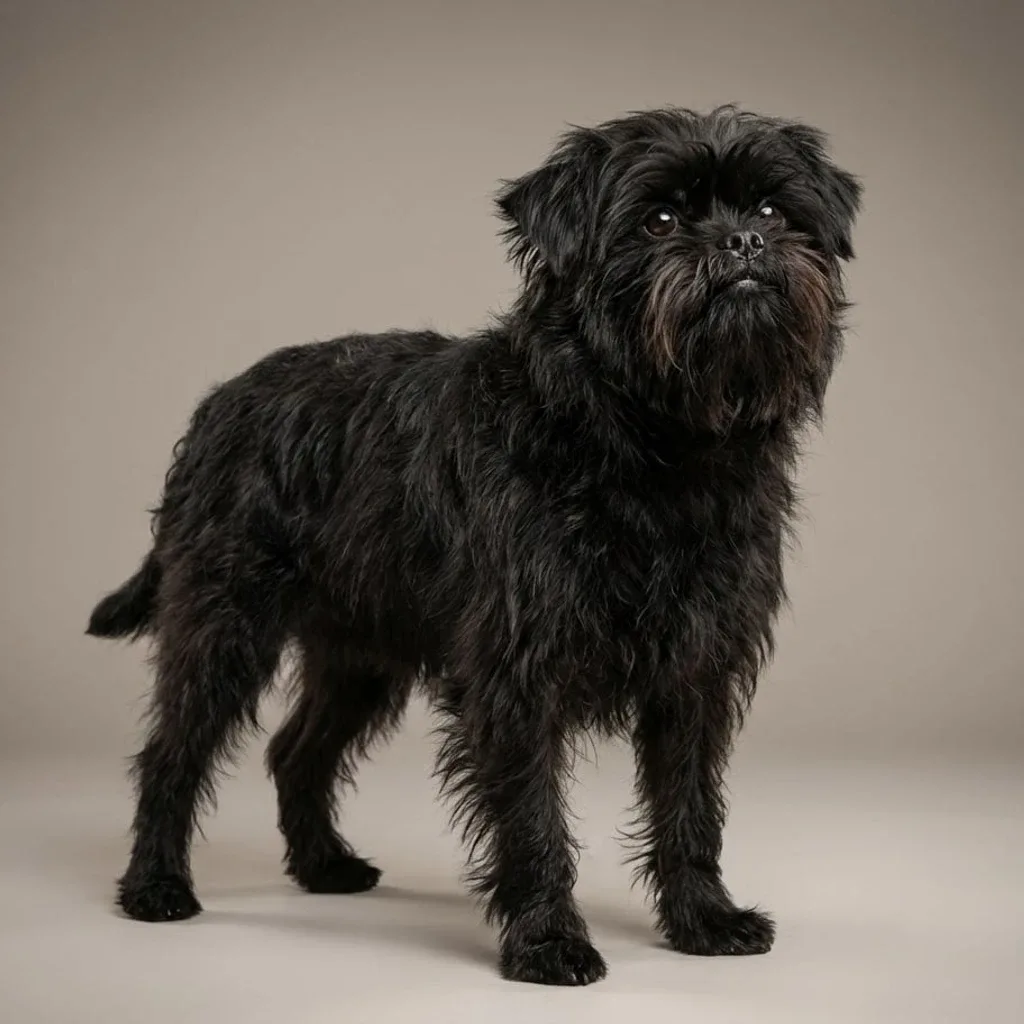
Affenpinscher
The Affenpinscher is a sturdy, monkey-like terrier-type toy breed known for its confidence and playful spirit. Despite its small size, it possesses a courageous heart and a loyal personality, making it a wonderful companion for Kiwi apartment dwellers or those with smaller sections.
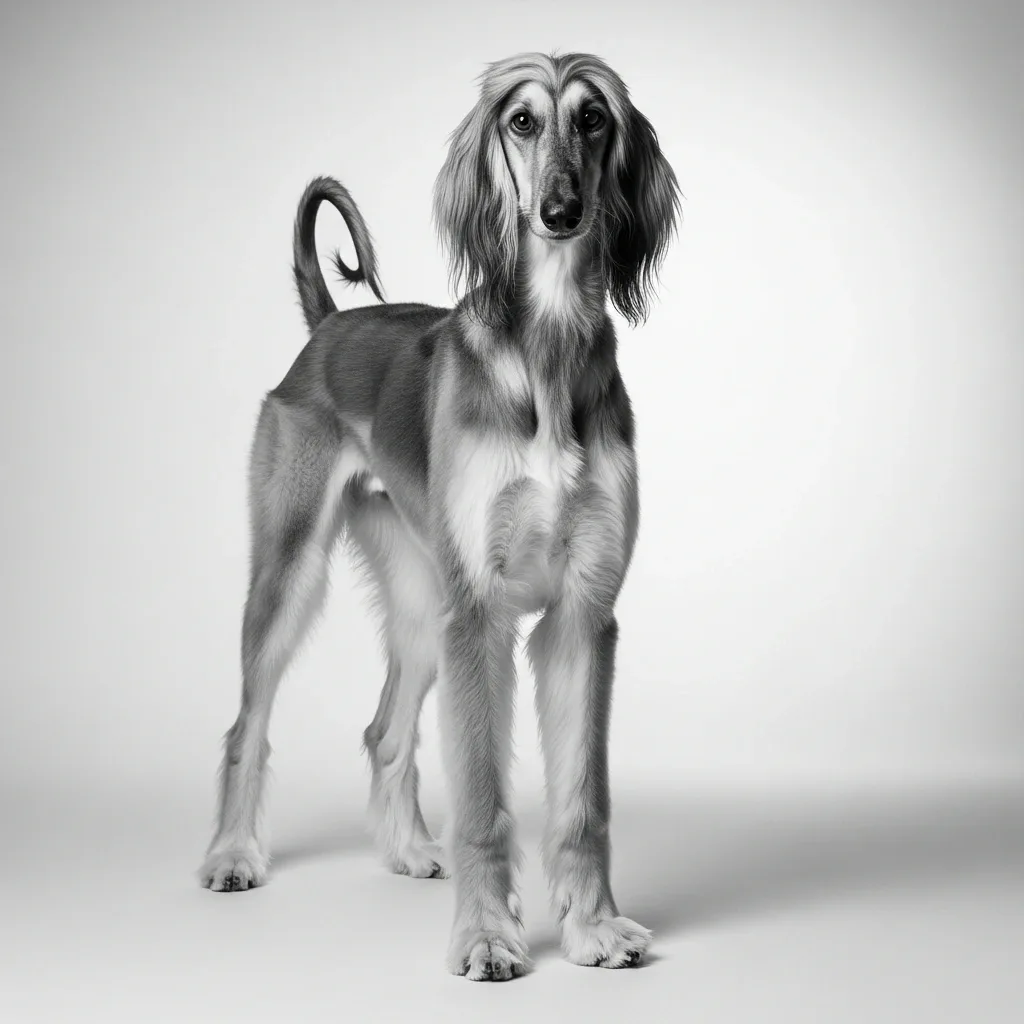
Afghan Hound
The Afghan Hound is an elegant aristocrat with a dignified and aloof personality. Known for its striking, silky coat, this breed is a high-maintenance beauty that requires ample space to run and an owner dedicated to its complex grooming needs.
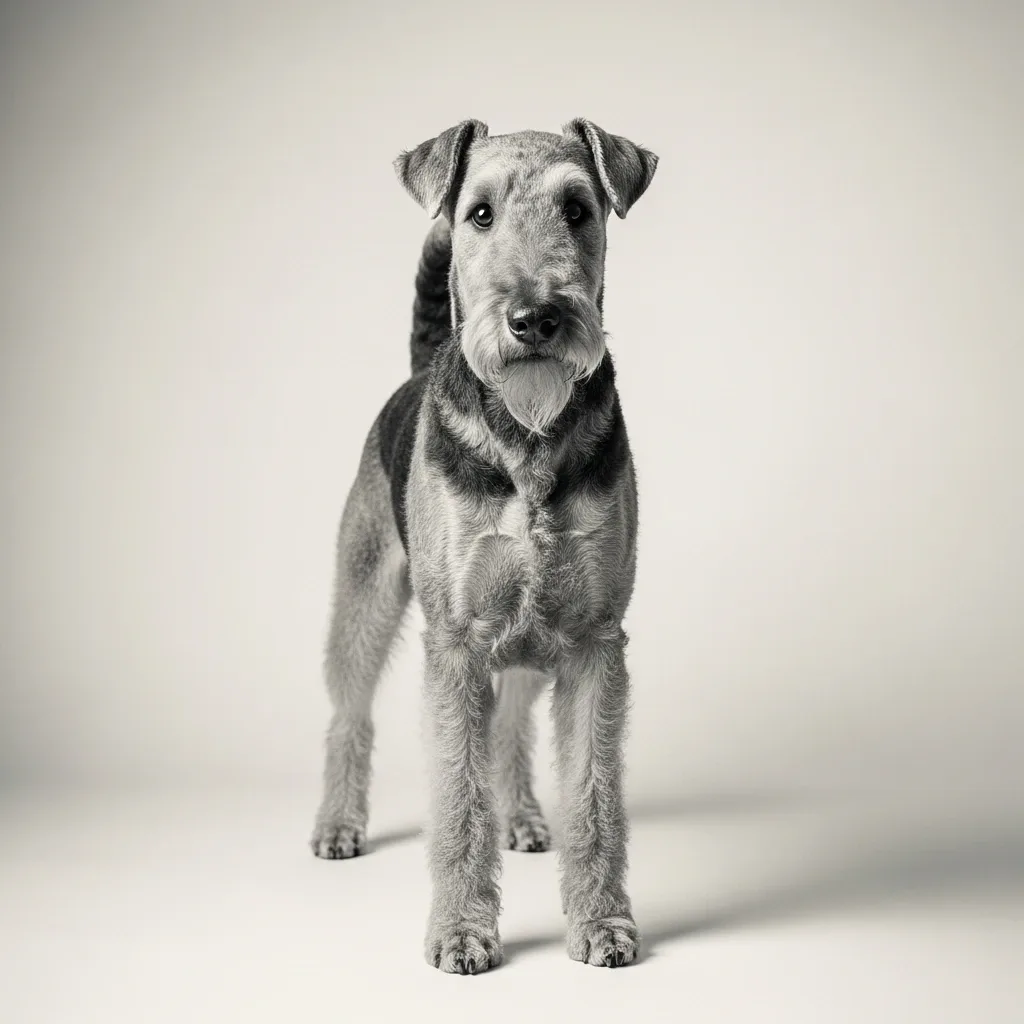
Airedale Terrier
The 'King of Terriers', the Airedale is the largest of all terrier breeds. They are brave, hardworking, and highly intelligent, making them excellent partners for active Kiwi families who love tramping and outdoor adventures.
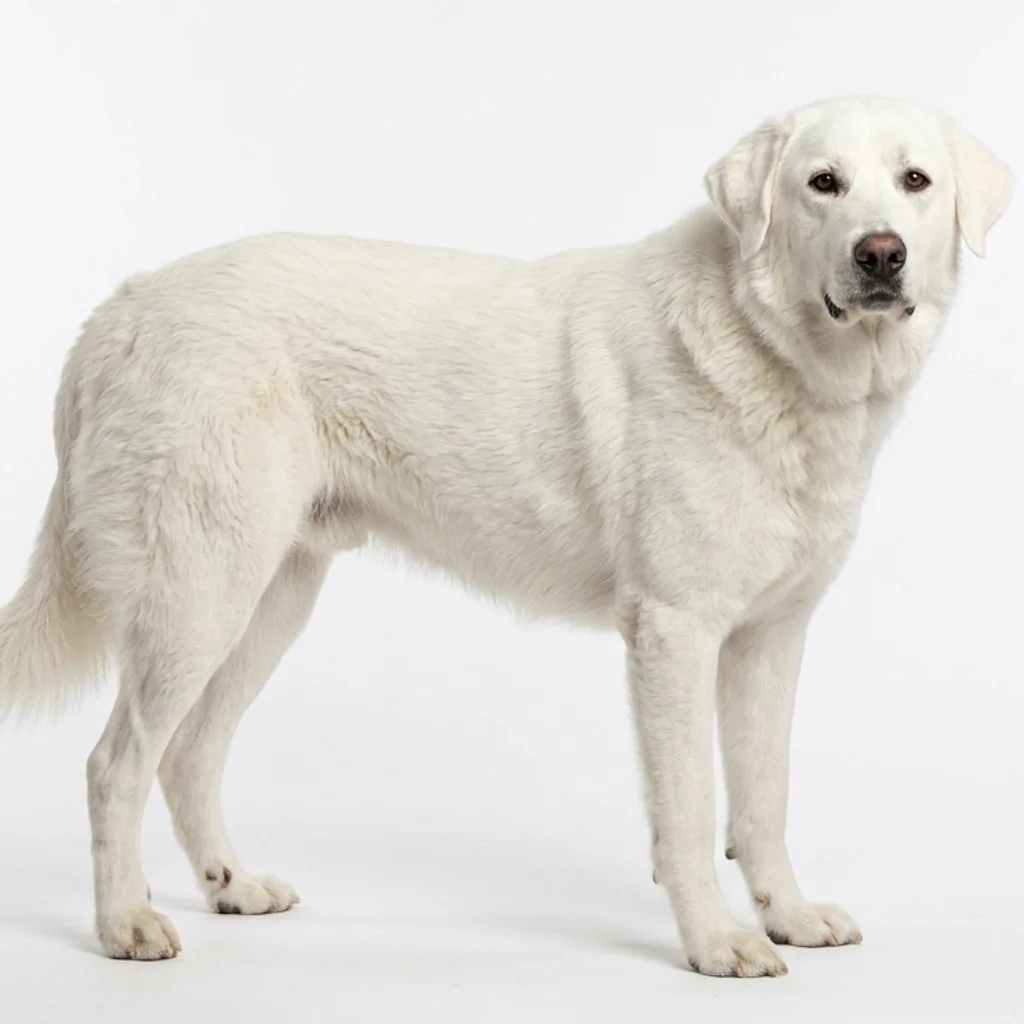
Akbash Dog
Originally a Turkish livestock guardian, the Akbash is a serious, protective, and independent breed. They are not suited for apartment living and thrive on large NZ lifestyle blocks where they can have a 'territory' to watch over.