Dog Breed Guide NZ
Irish Wolfhound
The majestic Irish Wolfhound stands as the tallest of all dog breeds, a true gentle giant with a noble and ancient lineage. Despite their imposing stature, these dogs possess a calm, dignified, and deeply loyal temperament, making them wonderful family companions. Originating from Ireland, where they were once revered for hunting wolves, they are now cherished for their affectionate nature. While they require significant space to stretch their long legs, their indoor energy levels are surprisingly low, making them content to relax with their whānau. In New Zealand, an Irish Wolfhound thrives in homes with a generous, securely fenced section, offering ample room for their moderate exercise needs and a comfortable, spacious environment to call their own.
Photo Gallery
Breed Snapshot
- Size
- Male: 64-82 kg; Female: 52-64 kg
- Lifespan
- 6-8 years
- Origin
- Being enriched
- Temperament
- Gentle, calm, dignified, courageous, loyal
- NZ Price
- $3,000 - $5,000 NZD from registered breeders; $150-$350 NZD adoption via SPCA (rarely available)
- Annual Vet Cost
- Estimated annual veterinary expenses for an Irish Wolfhound in New Zealand range from $1,200 to $2,800 NZD for routine healthcare. Because all veterinary medications, sedation, anaesthesia, and parasite preventatives are dosed strictly by body weight, routine expenses are significantly higher than for standard breeds. Major health risks common to giant sighthounds carry substantial financial implications: emergency surgery and intensive care for Gastric Dilatation-Volvulus (GDV/bloat) ranges from $4,500 to $9,000+ NZD, while cardiac evaluations and ongoing medication for Dilated Cardiomyopathy (DCM) or oncological management for osteosarcoma can exceed $5,000–$10,000 NZD. Securing comprehensive pet insurance with high annual benefit caps before 12 months of age is strongly advised.
Personality Scores
NZ Lifestyle Fit
As the tallest of all domestic dog breeds, the Irish Wolfhound's immense physical stature determines its living requirements in New Zealand. Standard urban apartments and compact townhouses (such as in central Auckland or Wellington) are fundamentally unsuitable due to their massive turning radius, need for large orthopedic bedding, and susceptibility to joint stress on narrow stairs. They thrive in single-level suburban properties with generous, securely fenced lawns or on rural lifestyle blocks. However, on lifestyle blocks and rural farms, owners must recognize that Irish Wolfhounds are historical sighthounds with intense instinctual chase drive; secure 1.5-to-1.8-metre boundary fencing and constant supervision around sheep, calves, and neighbouring stock are vital. New Zealand's variable climate requires careful management: Auckland's high summer humidity and intense UV require shaded rest and cool indoor flooring to avoid heatstroke, while South Island and Central Plateau winters demand warm, cushioned, draft-free indoor quarters to protect vulnerable giant-breed joints from cold-induced stiffness.
Origins & History
The Irish Wolfhound boasts a history as grand and ancient as its stature. Tracing its lineage back to the 4th century BC, these magnificent hounds were originally bred in Ireland for hunting wolves and elk, and even served as formidable war dogs. Their presence was a symbol of status and power, gifted to kings and nobles across Europe. These courageous dogs were essential for protecting livestock and people in a wilder Ireland. However, with the decline of wolves in Ireland by the 18th century, the breed faced near extinction. Fortunately, dedicated enthusiasts, most notably Captain George A. Graham in the 19th century, undertook a meticulous breeding programme, incorporating other large sighthounds like the Scottish Deerhound and Great Dane, to revive the breed to its former glory. Today, the Irish Wolfhound stands as a living testament to its rich heritage, embodying strength, dignity, and a gentle spirit.
Appearance
The Irish Wolfhound is, quite simply, immense. Males typically weigh between 64-82 kg and females 52-64 kg, with an impressive height to match. They possess a powerful, muscular build, designed for speed and endurance. Their most distinguishing feature is their rough, wiry double coat, which comes in various colours including grey, brindle, red, black, white, and fawn. This shaggy coat, along with their bushy eyebrows and beard, gives them a somewhat rugged yet endearing appearance. Their head is long and held high, with small, rose-shaped ears that add to their noble expression. Despite their formidable size, their movements are graceful and fluid, reflecting their sighthound heritage. An Irish Wolfhound commands attention not just for its size, but for its elegant and majestic presence.
Temperament & Personality
Beneath their imposing exterior, Irish Wolfhounds are true gentle giants. Their temperament is characterised by a remarkable blend of gentleness, calmness, and dignity. They are deeply loyal and affectionate family members, forming strong bonds with their human companions. Despite their historical role as fierce hunters, they are generally not aggressive and are known for their patience, particularly with children. Their courageous nature is evident in their protective instincts towards their loved ones, though they are not typically guard dogs in the traditional sense. They are intelligent and sensitive, responding best to positive reinforcement and gentle handling. While they can be reserved with strangers, they are rarely timid or overtly shy. An Irish Wolfhound's personality is one of quiet strength and unwavering devotion.
Life in New Zealand
Bringing an Irish Wolfhound into a New Zealand home requires careful consideration of their unique needs. Their sheer size means they are best suited to homes with a substantial, securely fenced section, allowing them space to roam and stretch. While they are calm indoors, a small flat or apartment in a city like Auckland would be entirely unsuitable. They thrive in environments where they can be an integral part of the family, enjoying both indoor comfort and outdoor exploration. Kiwi families who are prepared for the commitment of a large breed will find an Irish Wolfhound to be a loving and dignified companion. Their moderate exercise needs can be met with daily walks around local reserves or safe, enclosed off-leash areas. Owners must be mindful of their health, particularly during New Zealand's varied climate, ensuring they have adequate shelter from the strong UV rays and protection from both humid Auckland summers and cold South Island winters.
Is This the Right Breed for You?
An Irish Wolfhound is an extraordinary companion, but they are not for everyone. Prospective owners must be prepared for a significant commitment in terms of space, time, and financial resources. They are ideal for individuals or families who appreciate a calm, dignified, and loyal companion and have the capacity to provide a large, secure living environment. They thrive with consistent, gentle training and early socialisation. If you're looking for a dog to live in a small urban flat, or if you're not prepared for the higher costs associated with feeding, veterinary care, and general upkeep of a giant breed, then an Irish Wolfhound may not be the best fit. However, for those who can meet their needs, the reward is an unparalleled bond with one of the most magnificent and gentle dog breeds on earth, a true noble heart in a giant's body.
Fun Facts
Fact 1
The Irish Wolfhound is the tallest dog breed in the world, often standing over 80cm at the shoulder.
Fact 2
Historically, Irish Wolfhounds were used to hunt wolves and elk, making them formidable hunters in ancient Ireland.
Fact 3
Despite their imposing size, they are known as 'gentle giants' and are renowned for their calm and affectionate nature.
Fact 4
The breed nearly went extinct in the 19th century but was revived through dedicated breeding efforts.
Fact 5
An Irish Wolfhound's heart is one of the largest among all dog breeds, reflecting their immense size.
Related Breeds
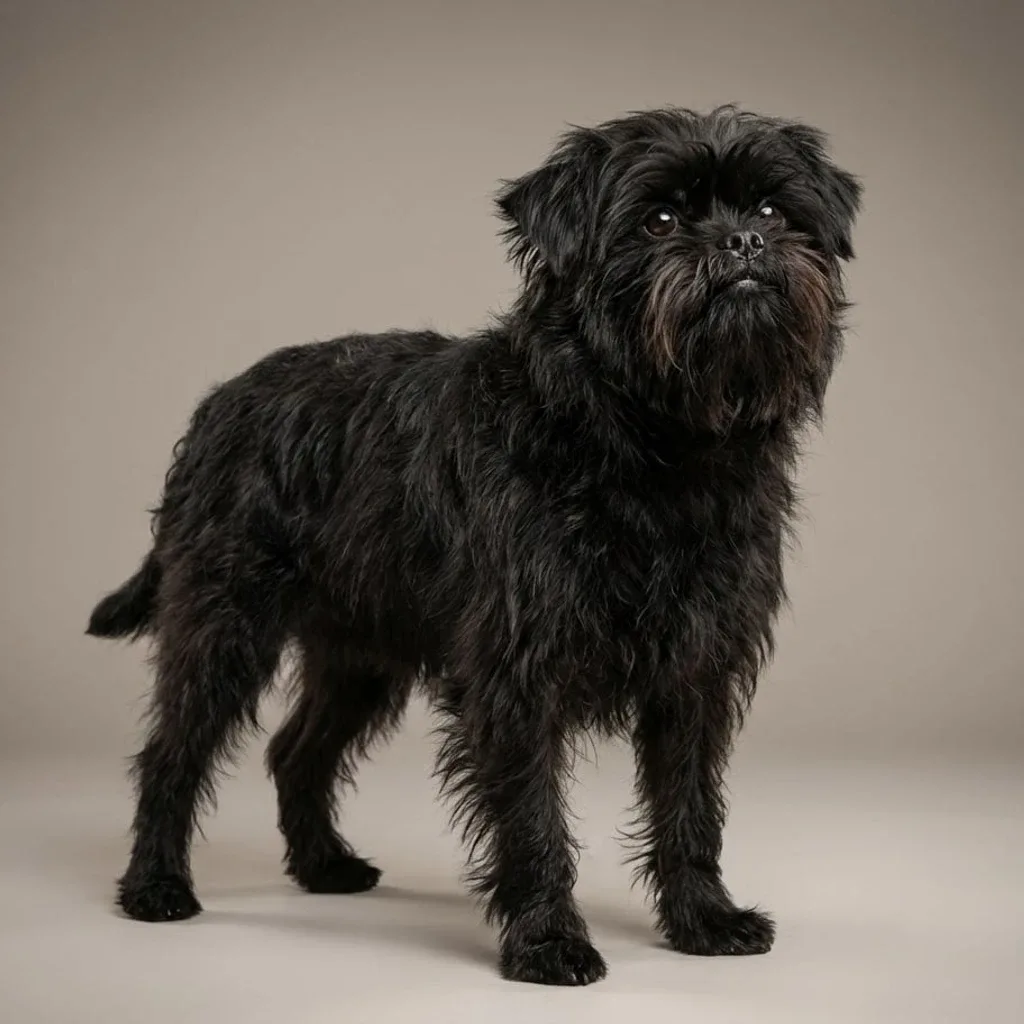
Affenpinscher
The Affenpinscher is a sturdy, monkey-like terrier-type toy breed known for its confidence and playful spirit. Despite its small size, it possesses a courageous heart and a loyal personality, making it a wonderful companion for Kiwi apartment dwellers or those with smaller sections.
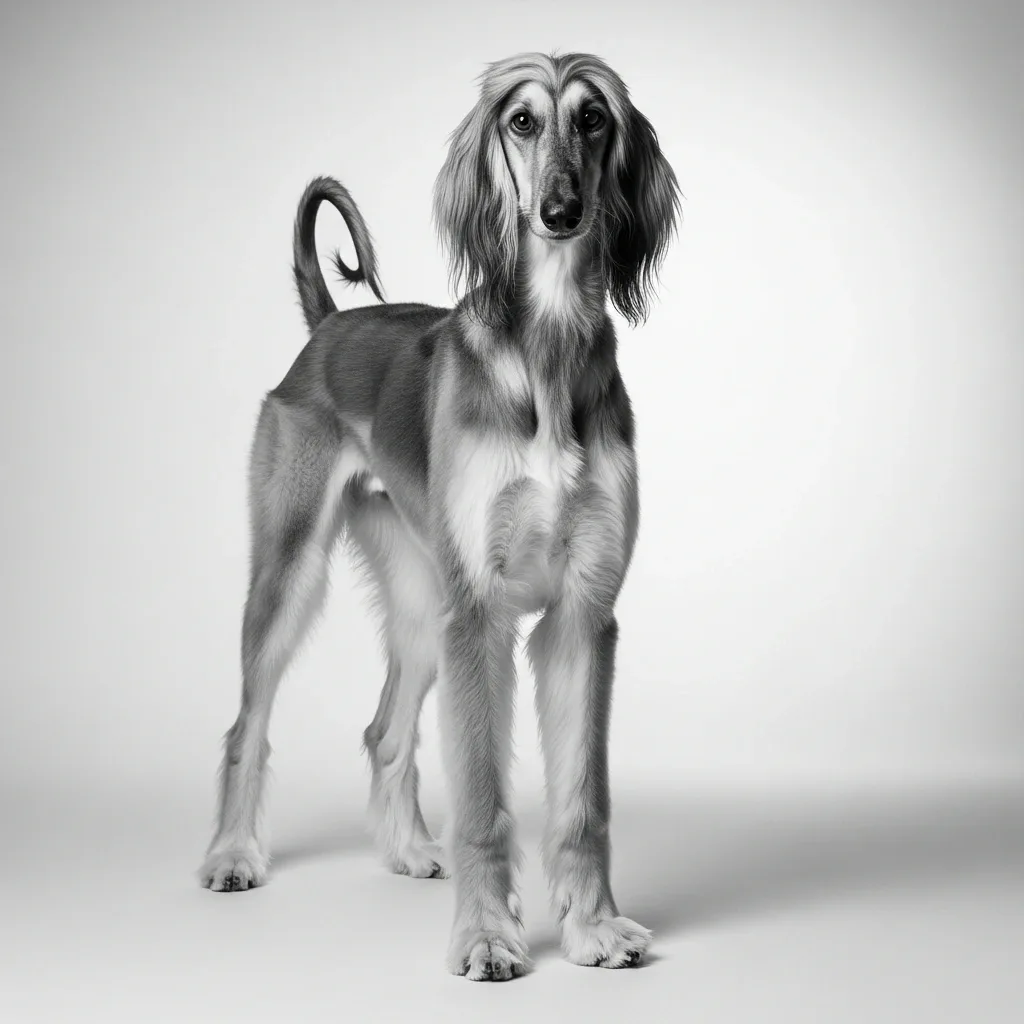
Afghan Hound
The Afghan Hound is an elegant aristocrat with a dignified and aloof personality. Known for its striking, silky coat, this breed is a high-maintenance beauty that requires ample space to run and an owner dedicated to its complex grooming needs.
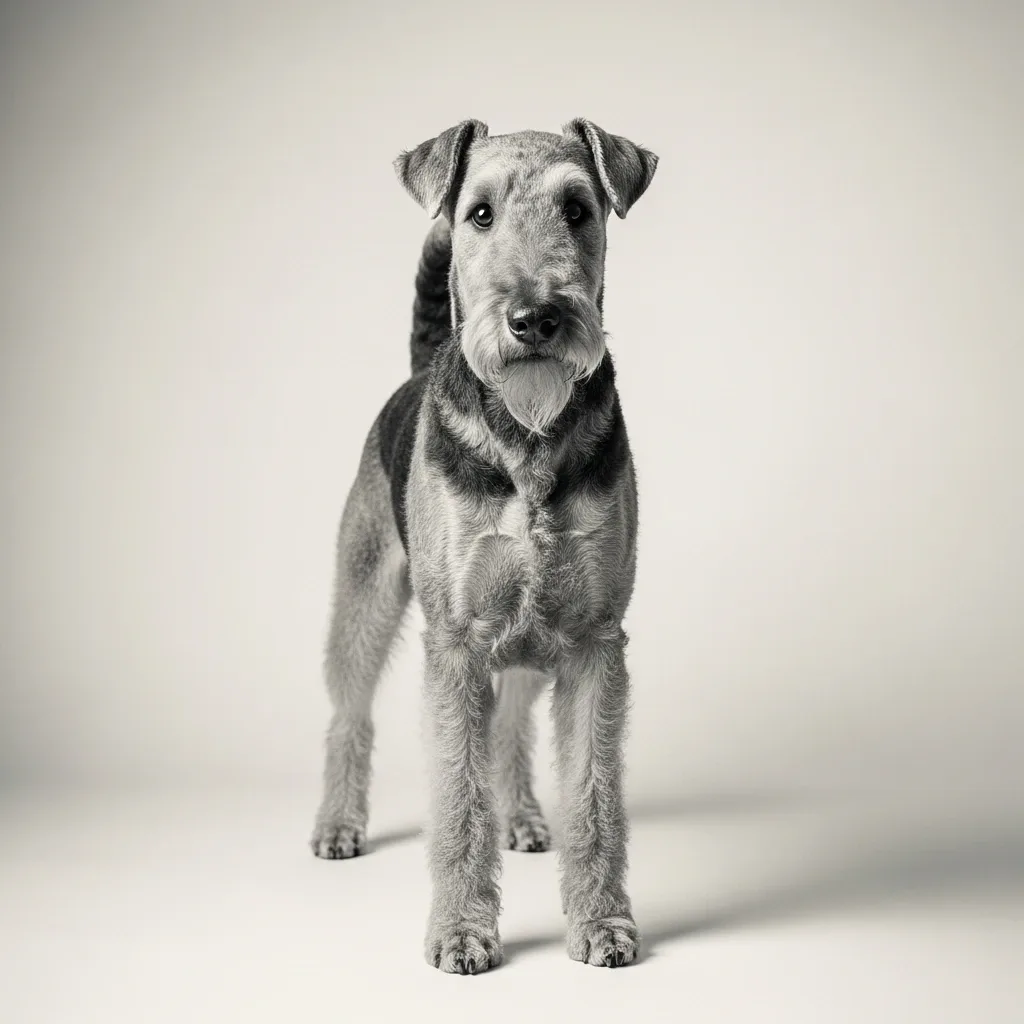
Airedale Terrier
The 'King of Terriers', the Airedale is the largest of all terrier breeds. They are brave, hardworking, and highly intelligent, making them excellent partners for active Kiwi families who love tramping and outdoor adventures.
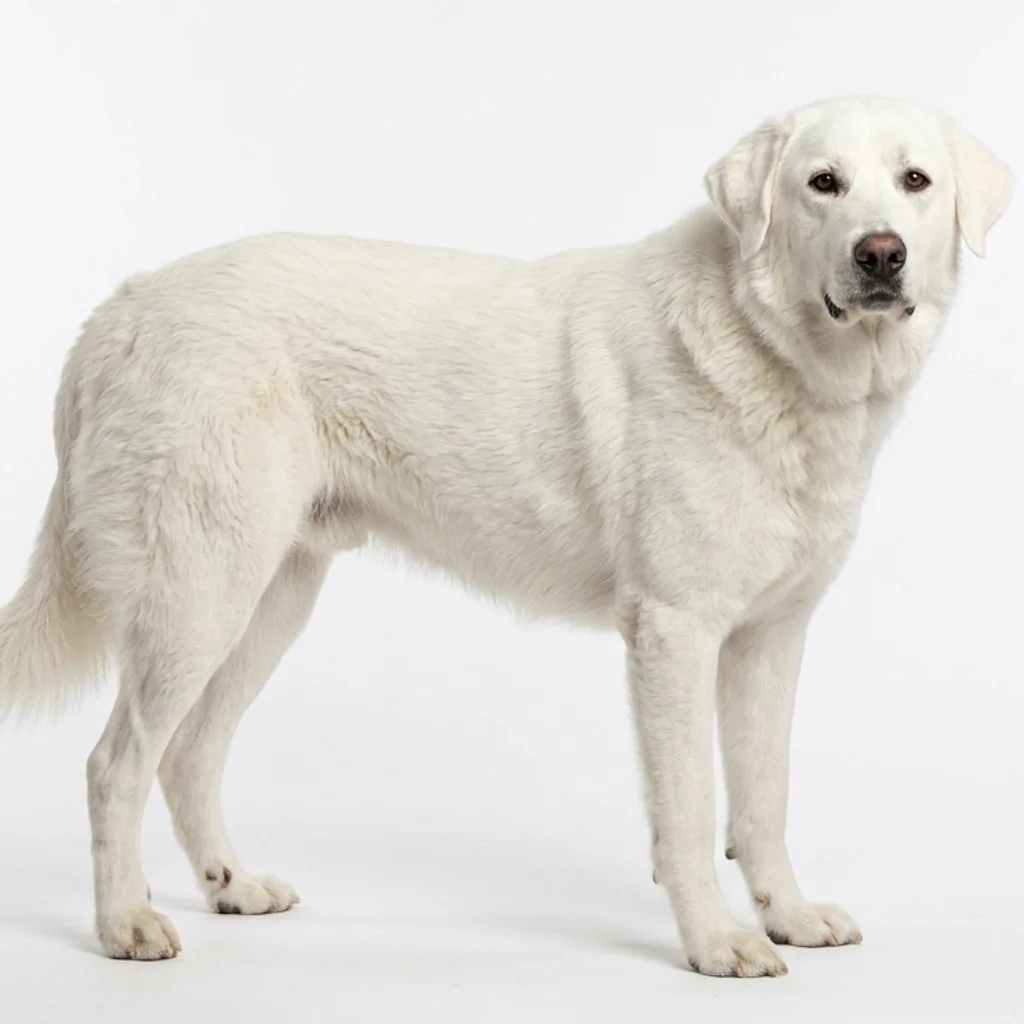
Akbash Dog
Originally a Turkish livestock guardian, the Akbash is a serious, protective, and independent breed. They are not suited for apartment living and thrive on large NZ lifestyle blocks where they can have a 'territory' to watch over.