Dog Breed Guide NZ
Irish Terrier
The Irish Terrier, often dubbed the 'Daredevil' of the terrier world, is a captivating breed known for its striking fiery red coat and spirited personality. Beneath their rugged exterior lies a deeply loyal, intelligent, and courageous companion. Originating from Ireland, these medium-sized dogs are brimming with energy and a zest for life. They thrive on activity and mental stimulation, forming strong bonds with their families. For active Kiwi households who love exploring New Zealand's diverse landscapes, from our beautiful beaches to challenging tramping tracks, the Irish Terrier offers an unwavering and adventurous companion ready for any challenge.
Photo Gallery
Breed Snapshot
- Size
- Male: 11-13 kg; Female: 11-12 kg
- Lifespan
- 13-15 years
- Origin
- Being enriched
- Temperament
- Courageous, loyal, intelligent, energetic, spirited
- NZ Price
- $1,800 - $3,500 NZD from registered breeders; $150-$350 NZD adoption via SPCA
- Annual Vet Cost
- Estimated annual vet costs for an Irish Terrier in NZ typically range from $600 - $1,200 NZD. This includes routine check-ups, vaccinations, flea and worm treatments, and general preventative care. While a robust breed, they can be prone to specific issues like Hyperkeratosis (corns on their feet), which may require ongoing veterinary attention. Bladder stones and certain eye conditions can also occur. Budgeting for potential diagnostic tests or treatments for these breed-specific conditions is wise, alongside general emergency funds.
Personality Scores
NZ Lifestyle Fit
The Irish Terrier is a versatile breed that can adapt to various New Zealand living conditions, though their high energy and intelligence mean certain environments are better suited. An apartment in Auckland, while possible, would require significant daily exercise outside the flat – think multiple long walks, runs, or visits to dog parks like those around the Auckland Domain. Without this, they can become bored and destructive. A house with a secure section is ideal, allowing them space to play and explore safely. Rural NZ farm life can be excellent for an Irish Terrier, tapping into their natural working instincts, but careful supervision is needed around livestock due to their strong prey drive. Regarding NZ weather, their wiry double coat provides good insulation against the South Island's cold winters, but they'll still appreciate a warm, dry spot indoors. In Auckland's humid summers, they need plenty of shade and fresh water to prevent overheating. High UV levels across NZ mean lighter-pigmented areas like their nose or ears might need sun protection during peak hours. MPI (Ministry for Primary Industries) has no specific restrictions on owning Irish Terriers in New Zealand.
Origins & History
The Irish Terrier boasts a rich history, believed to be one of the oldest terrier breeds. Hailing from Ireland, their exact origins are somewhat shrouded in time, but they are thought to have descended from the black and tan terriers of the region. Initially bred as versatile farm dogs, they excelled at hunting vermin, guarding property, and even herding livestock. Their bravery and tenacity earned them the nickname 'Daredevil,' a trait that proved invaluable during World War I when they served as messenger dogs, demonstrating incredible courage under fire. Their loyalty and intelligence quickly made them popular companions, and they arrived in New Zealand in the early 20th century, finding favour with those seeking a robust and spirited family pet.
Appearance
The Irish Terrier is instantly recognisable by its distinctive wiry, fiery-red coat, which can range from a bright red to a reddish-wheaten. This double coat is dense and harsh to the touch, providing excellent protection against the elements – perfect for New Zealand's varied weather. They are a medium-sized breed, with males typically weighing 11-13 kg and females 11-12 kg, standing around 45-48 cm at the shoulder. Their build is sturdy and muscular, conveying an impression of strength and agility. Key features include a long, powerful head, small, V-shaped ears that fold forward, and intelligent, dark eyes that reflect their alert and lively nature. Their tail is often docked in countries where it's permitted (not common practice in NZ), carried high with a jaunty curve.
Temperament & Personality
True to their 'Daredevil' moniker, Irish Terriers are renowned for their courageous, loyal, and spirited temperament. They are highly intelligent dogs, quick to learn but can also possess a stubborn streak, requiring consistent and positive training. Their loyalty to their family is profound, making them excellent guardians who are always alert to strangers. While generally good with children, especially those they've grown up with, their boisterous play style means supervision is always recommended. They possess a high energy level and a strong prey drive, which means early socialisation is critical, particularly with other dogs and smaller pets. They thrive on being part of family activities and can become destructive if bored or left alone for extended periods without adequate mental and physical stimulation.
Life in New Zealand
An Irish Terrier can thrive in various New Zealand living situations, provided their exercise and socialisation needs are met. Their robust nature makes them well-suited to our outdoor lifestyle, whether it's a walk along a Wellington beach, a hike through a Canterbury reserve, or exploring a bush track in the Coromandel. They need secure fencing to prevent them from chasing interesting scents or small animals. Their wiry coat offers good protection against both the South Island's colder winters and the North Island's humid summers, though they will still need shade and water in the heat, and a warm, dry spot indoors when it's chilly. They are adaptable dogs who love to be involved in family life, making them ideal companions for active Kiwi families who appreciate their spirited nature and commitment.
Is This the Right Breed for You?
The Irish Terrier is an outstanding companion for the right owner. If you're an active individual or family who enjoys outdoor adventures, has time for consistent training and socialisation, and can provide a secure and stimulating environment, this breed could be a perfect fit. They are not for the faint of heart or those seeking a couch potato; their intelligence and energy demand engagement. While generally healthy, they do require specific grooming (hand-stripping) and a commitment to understanding their terrier traits, such as their independent spirit and potential for chasing. With proper care, training, and love, an Irish Terrier will reward you with unparalleled loyalty, endless entertainment, and a truly 'daredevil' companion for life.
Fun Facts
Fact 1
The Irish Terrier is often called the 'Daredevil' of the terrier family due to its fearless and spirited nature.
Fact 2
During World War I, Irish Terriers were highly valued for their bravery and intelligence, serving as messenger dogs on the front lines.
Fact 3
They are one of the oldest terrier breeds, with their origins tracing back to Ireland over a century ago.
Fact 4
Their distinctive fiery red coat is a hallmark of the breed, ranging from bright red to a reddish-wheaten hue.
Fact 5
Despite their tough exterior, Irish Terriers are known for being incredibly sensitive and deeply devoted to their families.
Related Breeds
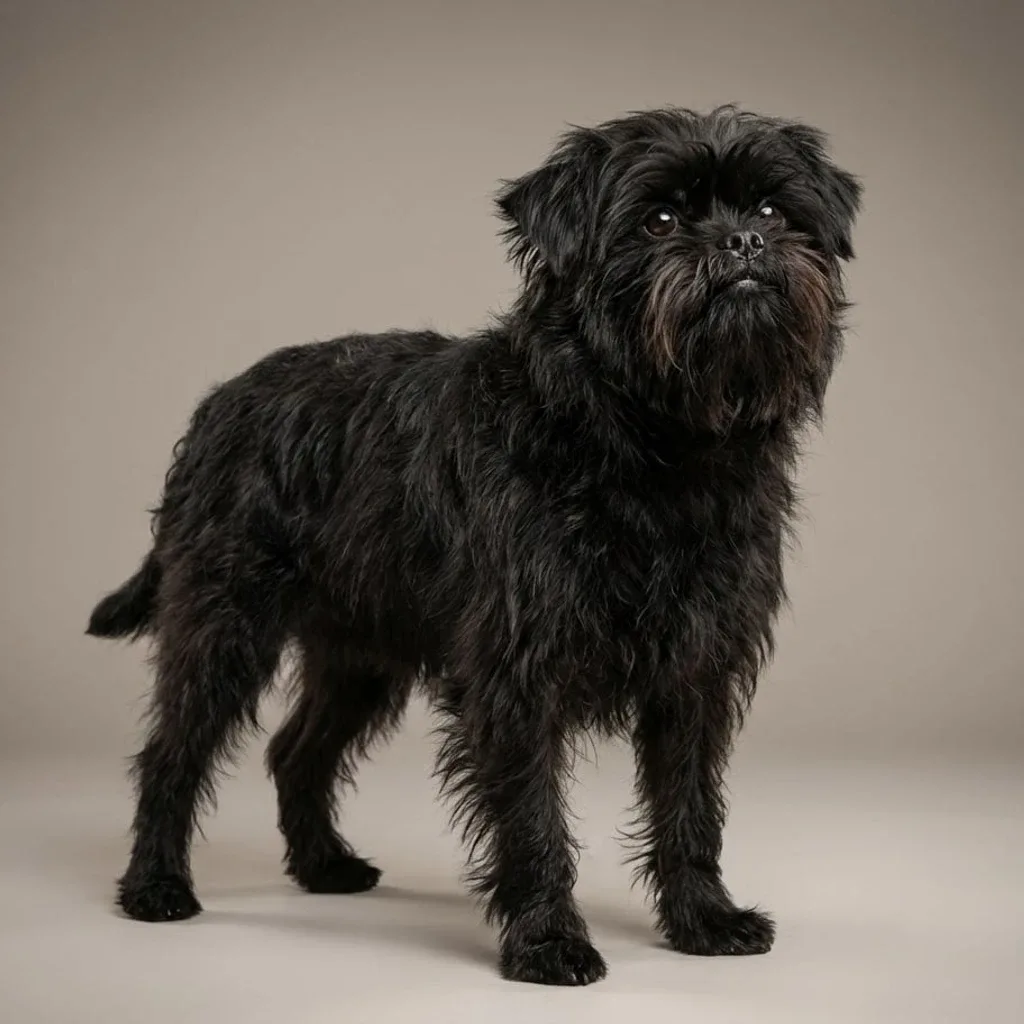
Affenpinscher
The Affenpinscher is a sturdy, monkey-like terrier-type toy breed known for its confidence and playful spirit. Despite its small size, it possesses a courageous heart and a loyal personality, making it a wonderful companion for Kiwi apartment dwellers or those with smaller sections.
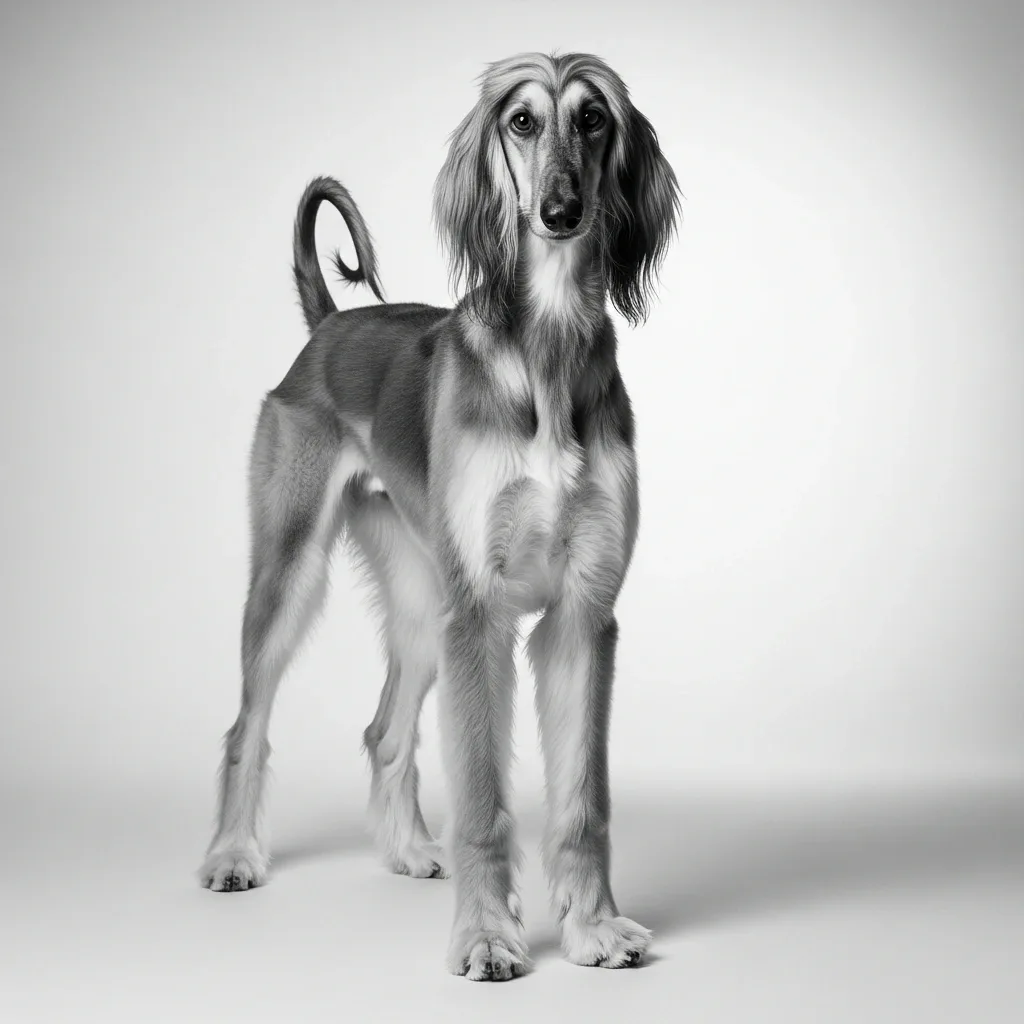
Afghan Hound
The Afghan Hound is an elegant aristocrat with a dignified and aloof personality. Known for its striking, silky coat, this breed is a high-maintenance beauty that requires ample space to run and an owner dedicated to its complex grooming needs.
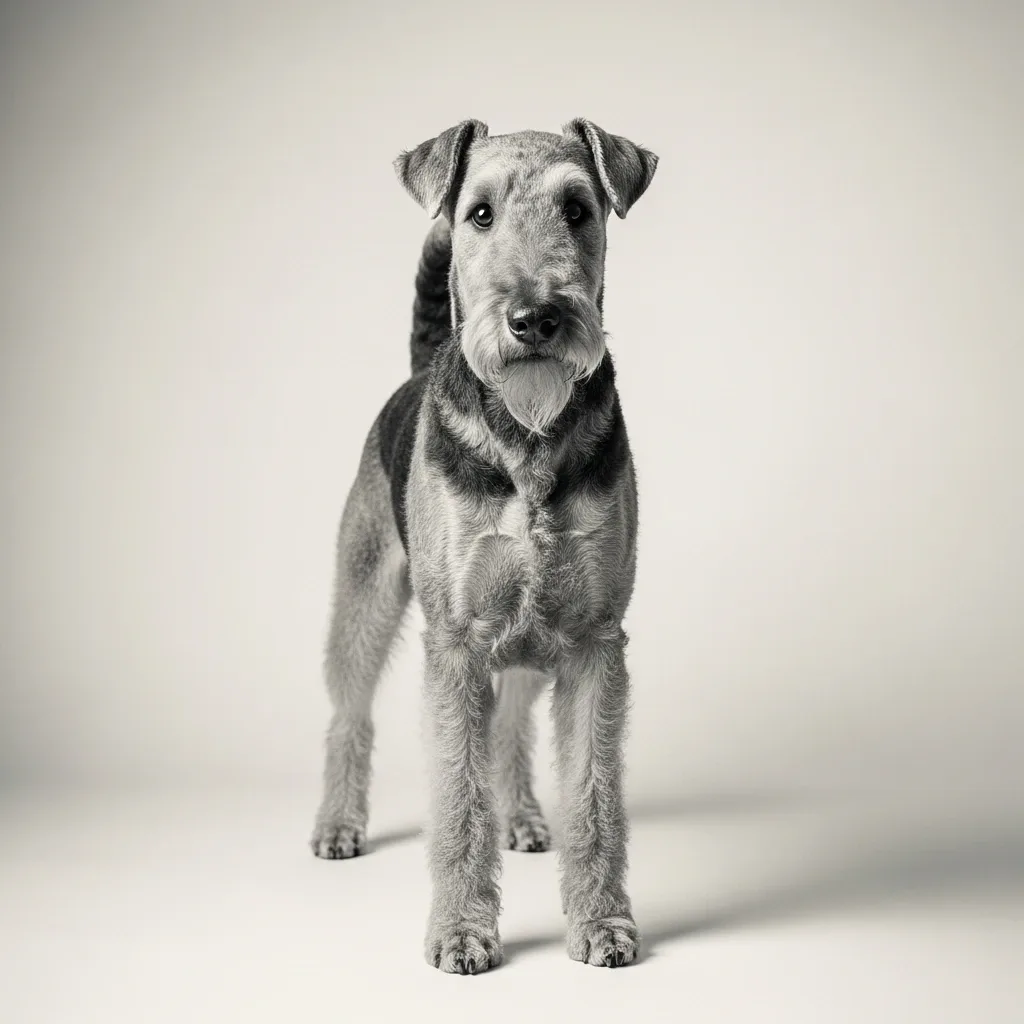
Airedale Terrier
The 'King of Terriers', the Airedale is the largest of all terrier breeds. They are brave, hardworking, and highly intelligent, making them excellent partners for active Kiwi families who love tramping and outdoor adventures.
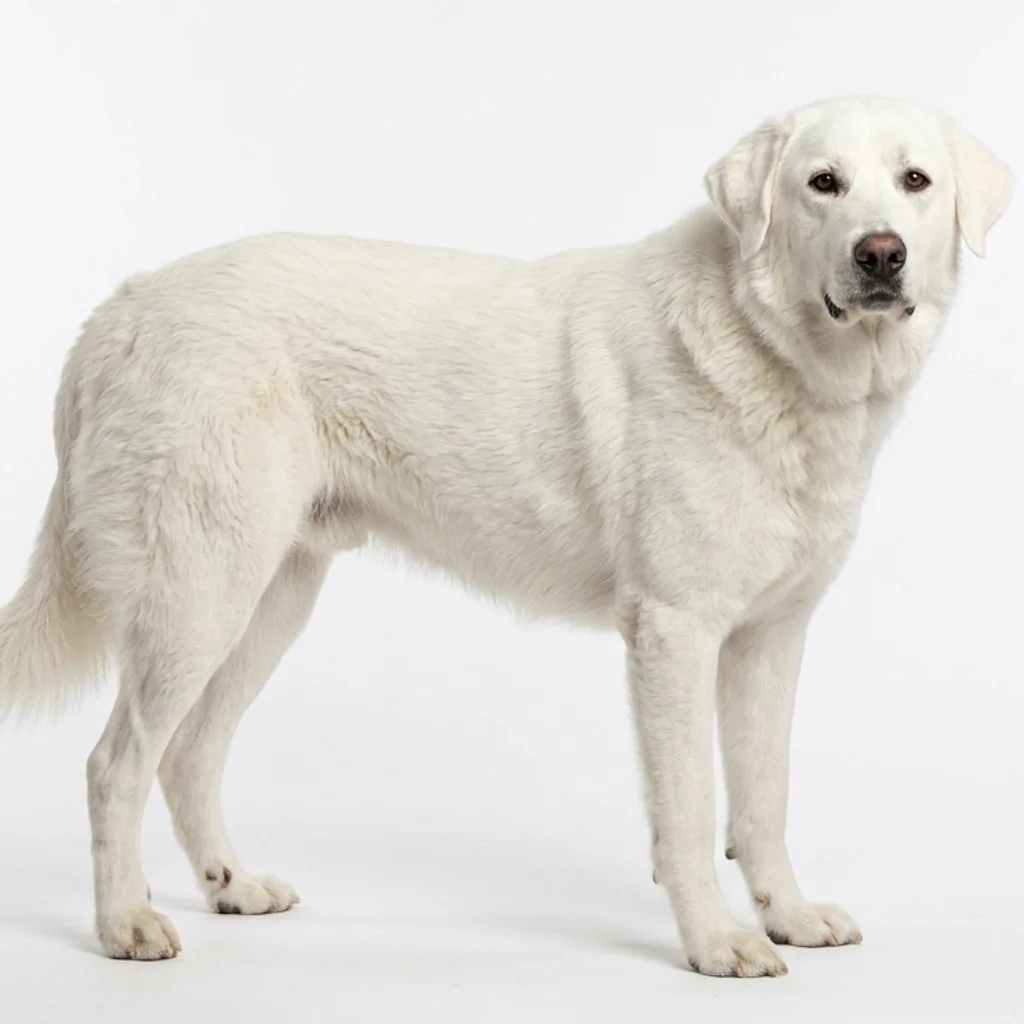
Akbash Dog
Originally a Turkish livestock guardian, the Akbash is a serious, protective, and independent breed. They are not suited for apartment living and thrive on large NZ lifestyle blocks where they can have a 'territory' to watch over.