Dog Breed Guide NZ
Irish Setter
The Irish Setter is a truly striking canine, renowned for its magnificent, flowing mahogany or rich chestnut coat and an undeniably joyful, energetic spirit. Often dubbed the 'clowns' of the bird dog world, these elegant dogs are bundles of affection and playfulness, always ready for an adventure. Originating from Ireland, they were bred for their keen hunting abilities and stamina. In New Zealand, their love for the outdoors makes them a superb companion for active individuals or families who enjoy tramping, beach walks, or simply having a vibrant, loving dog to share their lives with. They thrive in homes where they receive ample exercise and mental stimulation, fitting perfectly into the Kiwi lifestyle that embraces the great outdoors.
Photo Gallery
Breed Snapshot
- Size
- Male: 27-34 kg; Female: 24-29 kg
- Lifespan
- 12-15 years
- Origin
- Being enriched
- Temperament
- Friendly, outgoing, energetic, intelligent, playful, affectionate
- NZ Price
- $1,500 - $3,500 NZD from registered breeders; $150-$450 NZD adoption via SPCA
- Annual Vet Cost
- Estimated annual vet costs for an Irish Setter in NZ typically range from $600 - $1,000 NZD. This includes routine check-ups, vaccinations, flea and worm treatments. However, Irish Setters are prone to certain breed-specific health issues such as hip and elbow dysplasia, progressive retinal atrophy (PRA), bloat (gastric dilatation-volvulus), epilepsy, and hypothyroidism. Costs associated with managing these conditions can significantly increase, potentially adding several hundred to thousands of dollars for diagnosis and treatment if they arise.
Personality Scores
NZ Lifestyle Fit
Irish Setters are generally not suited for apartment living, even in cities like Auckland, due to their high energy levels and need for space. They truly thrive in homes with a generous, securely fenced section where they can run and play freely. For those with a house and section, they are an excellent fit, provided their daily exercise needs are met with walks, runs, or trips to local dog parks and beaches. In rural New Zealand, an Irish Setter can be in its element, enjoying vast open spaces, but careful training is essential to ensure they don't roam or chase livestock. Their beautiful coat offers some protection, but owners should be mindful of Auckland's humid summers, ensuring access to shade and water, and the South Island's cold winters, where a warm, dry sleeping area is vital. High UV levels across NZ mean sun protection for their noses and ears, especially for lighter-coated areas, is a good idea during peak sun hours. MPI has no specific restrictions on owning Irish Setters in New Zealand; they are a widely accepted and beloved breed.
The Irish Setter is a breed that captures hearts with its stunning appearance and exuberant personality. Known for their striking mahogany or rich chestnut coats, these elegant gundogs are as beautiful to behold as they are a joy to live with. Their friendly, outgoing nature and boundless energy make them wonderful companions for active Kiwi families.
Origins & History
The Irish Setter's story begins in 18th-century Ireland, where they were developed from a mix of English Setters, Pointers, and possibly Spaniels. Initially, they were known as 'Red Setters' and were highly prized by hunters for their exceptional scenting ability, speed, and endurance in flushing and retrieving game birds. Their distinctive red coat, which eventually became the breed standard, evolved from earlier bicolour (red and white) varieties. Over generations, breeders refined their elegant lines and distinctive colour, leading to the magnificent dog we know today. Their intelligence and eagerness to please, combined with their stamina, made them indispensable partners in the field, a legacy that continues to influence their energetic nature.
Appearance
An Irish Setter is instantly recognisable by its luxurious, silky coat, which ranges in colour from a deep mahogany to a vibrant chestnut red. This coat is typically feathered on the ears, chest, tail, and the back of the legs, adding to their graceful silhouette. They are a medium to large-sized breed, with males typically weighing between 27-34 kg and standing around 66-71 cm at the shoulder, while females are slightly smaller at 24-29 kg and 61-66 cm. Their build is athletic and elegant, designed for speed and endurance. They possess a noble head with a distinct stop, dark, intelligent eyes that convey their friendly nature, and long, pendulous ears. Their expressive faces and constantly wagging tails are hallmarks of their joyful disposition.
Temperament & Personality
Irish Setters are renowned for their friendly, outgoing, and affectionate temperament. They are intelligent and playful, often described as the 'clowns' of the bird dog world due to their mischievous antics and joyful approach to life. This breed thrives on human companionship and can become destructive if left alone for long periods without adequate exercise or mental stimulation. They are generally good with children and other pets, especially if socialised from a young age, making them excellent family dogs. Their high energy levels mean they require a significant amount of daily exercise to prevent boredom and channel their enthusiasm constructively. Despite their intelligence, they can sometimes be a bit stubborn, requiring consistent, positive reinforcement training from an early age.
Life in New Zealand
Irish Setters are exceptionally well-suited to the active, outdoor-loving lifestyle prevalent in New Zealand. Their stamina and love for running make them ideal companions for tramping adventures, exploring dog-friendly beaches, or enjoying the vast open spaces of our regional parks and reserves. A home with a securely fenced section is highly recommended to accommodate their need for space to play and explore safely. While their coat provides some insulation, owners should be mindful of Auckland's humid summers and the South Island's cold winters, ensuring they have appropriate shelter and hydration. Their friendly nature means they generally integrate well into Kiwi families, often becoming a cherished, albeit energetic, member of the household. Early socialisation and consistent training are key to ensuring they are well-behaved members of the community, especially when enjoying off-leash areas.
Is This the Right Breed for You?
An Irish Setter is an excellent choice for individuals or families who can commit to providing ample daily exercise, consistent training, and plenty of companionship. They are not suited for sedentary lifestyles or for being left alone for extended periods. Prospective owners should be prepared for regular grooming to maintain their beautiful coat and prevent matting. Their intelligence and eagerness to please make them trainable, but their playful nature can sometimes lead to distraction, so patience and positive reinforcement are crucial. If you're looking for an energetic, affectionate, and beautiful dog to share your active New Zealand life with, and you're prepared for the commitment, an Irish Setter could be your perfect match. They thrive on being part of the family and will reward you with boundless love and endless entertainment.
Fun Facts
Fact 1
Irish Setters were originally bred as gun dogs in Ireland, prized for their keen sense of smell and endurance.
Fact 2
Their distinctive red coat was not always standard; early Irish Setters were often red and white.
Fact 3
They are sometimes called 'Red Setters' due to their vibrant mahogany or chestnut coat.
Fact 4
An Irish Setter named 'King Timahoe' lived in the White House with President Richard Nixon.
Fact 5
Despite their intelligence, they are often described as the 'clowns' of the dog world due to their playful and sometimes mischievous nature.
Related Breeds
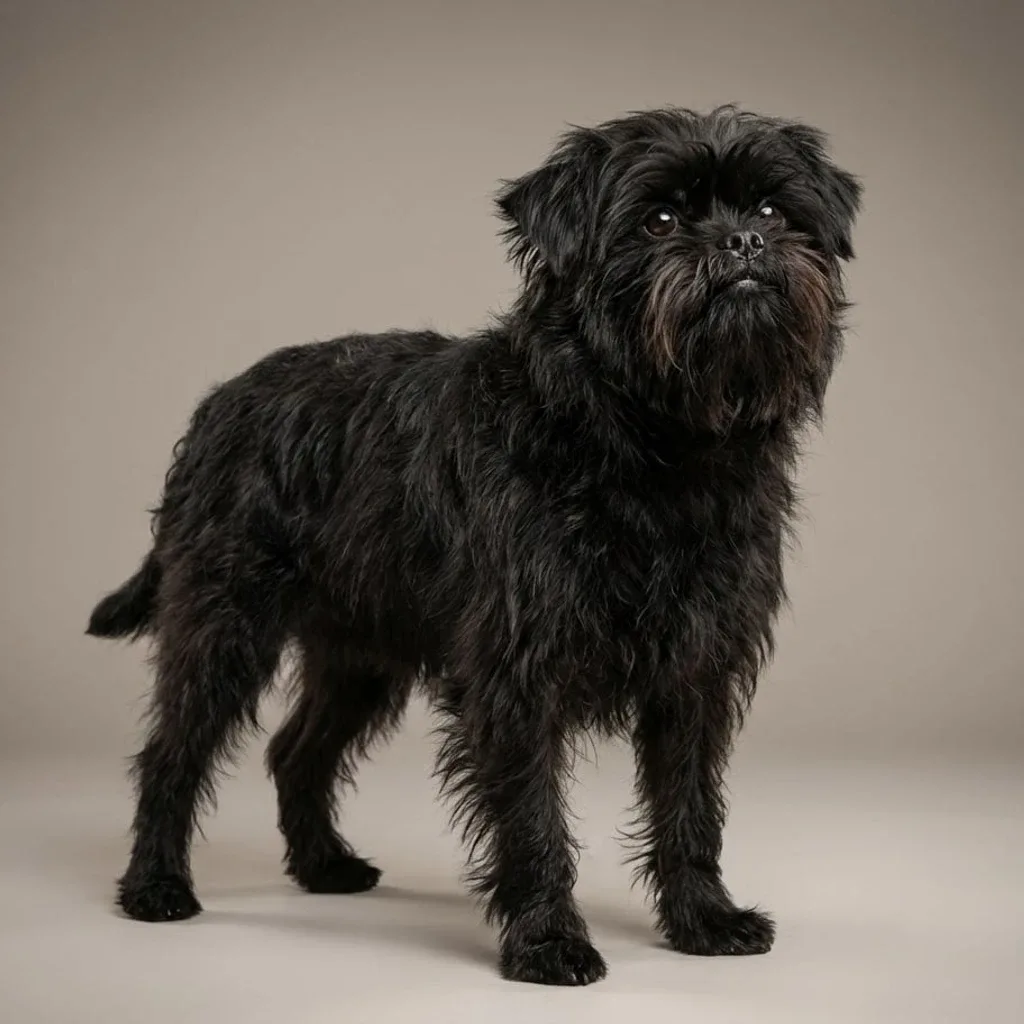
Affenpinscher
The Affenpinscher is a sturdy, monkey-like terrier-type toy breed known for its confidence and playful spirit. Despite its small size, it possesses a courageous heart and a loyal personality, making it a wonderful companion for Kiwi apartment dwellers or those with smaller sections.
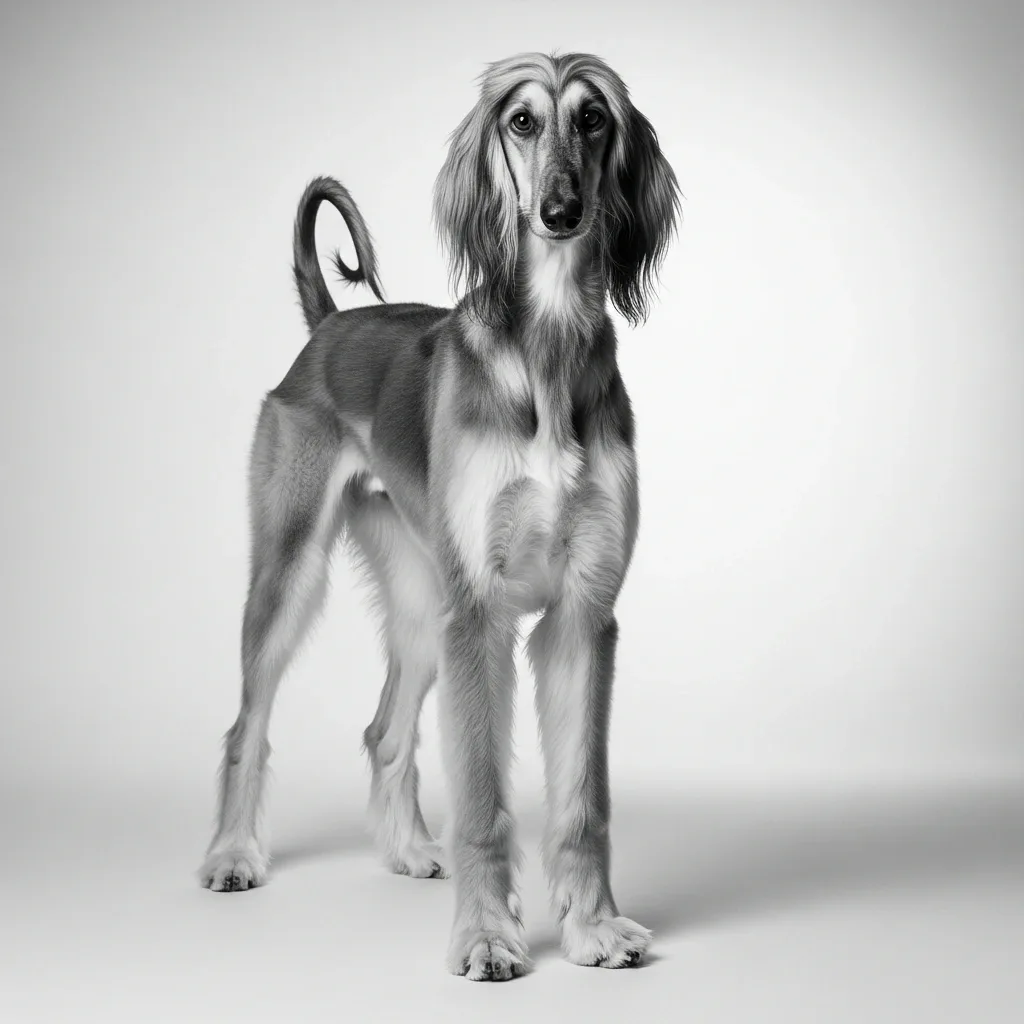
Afghan Hound
The Afghan Hound is an elegant aristocrat with a dignified and aloof personality. Known for its striking, silky coat, this breed is a high-maintenance beauty that requires ample space to run and an owner dedicated to its complex grooming needs.
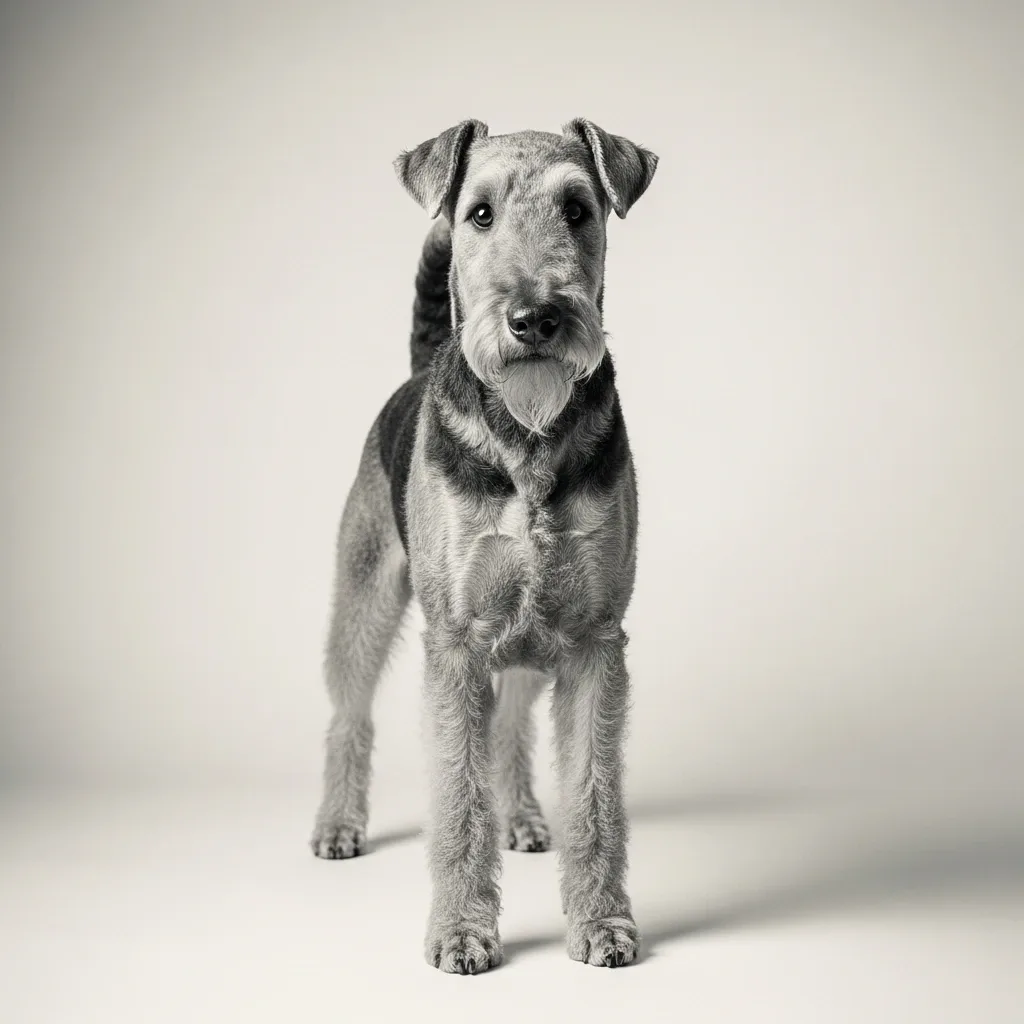
Airedale Terrier
The 'King of Terriers', the Airedale is the largest of all terrier breeds. They are brave, hardworking, and highly intelligent, making them excellent partners for active Kiwi families who love tramping and outdoor adventures.
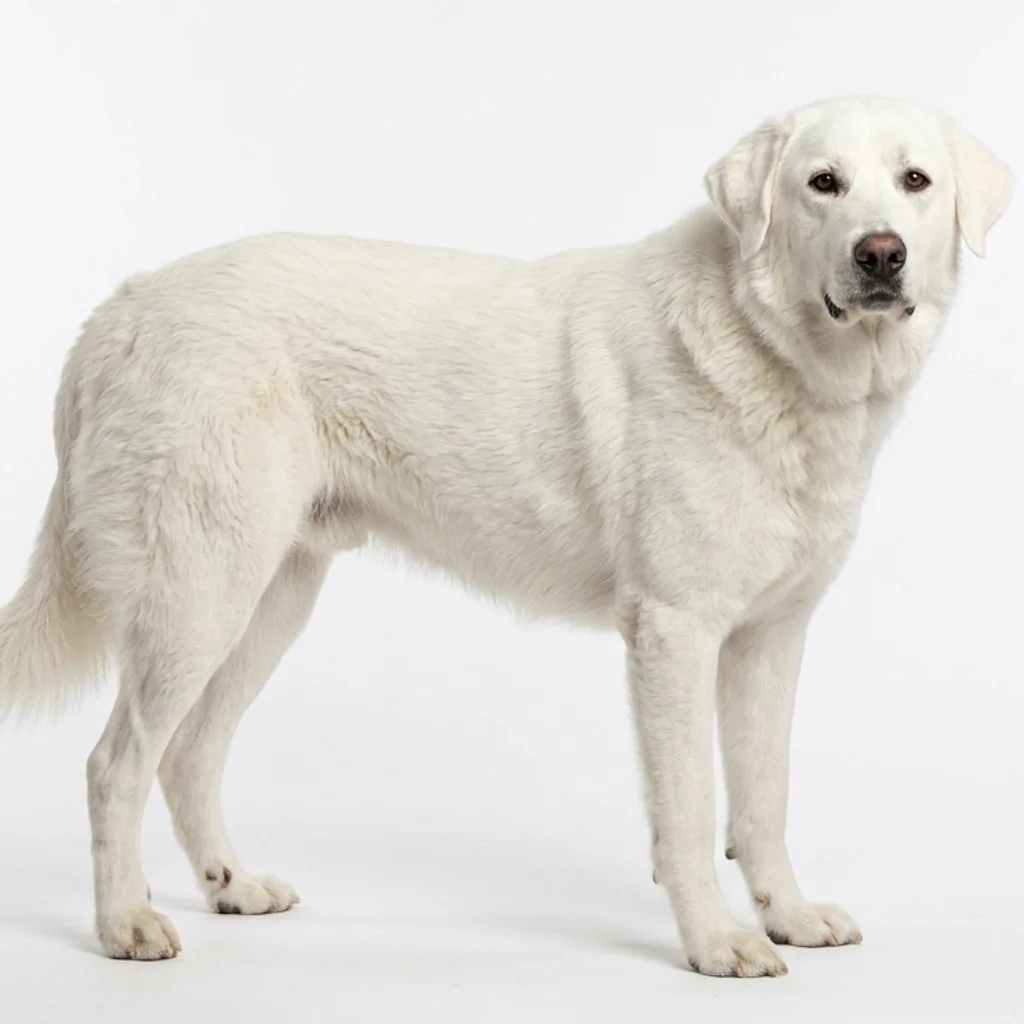
Akbash Dog
Originally a Turkish livestock guardian, the Akbash is a serious, protective, and independent breed. They are not suited for apartment living and thrive on large NZ lifestyle blocks where they can have a 'territory' to watch over.