Dog Breed Guide NZ
Griffon Bruxellois
The Griffon Bruxellois is a tiny dog with an enormous personality, often described as having a human-like expression that captivates hearts. Originating from Belgium, these intelligent, alert, and deeply affectionate companions form intense bonds with their owners, earning them the nickname 'Velcro dogs'. Despite their small stature, they possess a confident and sometimes mischievous nature. Their compact size and moderate exercise needs make them exceptionally well-suited for apartment living, fitting seamlessly into the urban Kiwi lifestyle, whether in a bustling Auckland flat or a cosy Wellington townhouse. They thrive on companionship and are perfect for those seeking a devoted, charming, and characterful canine friend in New Zealand.
Photo Gallery
Breed Snapshot
- Size
- 3.5-6 kg
- Lifespan
- 12-15 years
- Origin
- Being enriched
- Temperament
- The Griffon Bruxellois is smart, alert and devoted, with a famously self-important toy-dog character. It is often sensitive and people-focused, doing best with gentle training and a household that enjoys a close companion.
- NZ Price
- $3,000 - $5,000 NZD from registered breeders; $150-$350 NZD adoption via SPCA
- Annual Vet Cost
- Estimated annual vet costs in NZ for a Griffon Bruxellois typically range from $600 - $1,200 NZD. This includes routine check-ups, vaccinations, flea/worm treatments, and potential dental care. Due to their brachycephalic nature, costs could increase if they develop breathing issues requiring surgical intervention (e.g., BOAS surgery), which can be several thousand dollars. Other breed-specific concerns like patellar luxation or eye conditions may also incur additional specialist consultation or treatment fees.
Personality Scores
NZ Lifestyle Fit
The Griffon Bruxellois is remarkably adaptable to various New Zealand living conditions, provided their need for companionship is met. For apartment living in Auckland, they are an excellent choice due to their small size and moderate exercise requirements. However, owners must be mindful of Auckland's humid summers; their brachycephalic nature makes them prone to overheating, so air conditioning or ample shade and cool water are crucial. In a house with a section, a Griffon will enjoy supervised outdoor time but should not be left alone for extended periods. They are not suited for rural NZ farm life, as they lack the instincts for working and are vulnerable to larger animals or farm hazards. For South Island cold winters, a warm dog coat is essential for outdoor excursions, and they must always have a warm, dry indoor space. New Zealand's high UV index also means care should be taken to protect their sensitive eyes from prolonged sun exposure. There are no specific MPI (Ministry for Primary Industries) restrictions on owning Griffon Bruxellois in New Zealand.
Origins & History
The Griffon Bruxellois traces its roots back to 19th-century Brussels, Belgium. Originally bred from various small terrier-type dogs, including the Affenpinscher and the Pug, their primary role was to keep stables free of rodents. Their keen intelligence and alert nature made them excellent ratters, but it was their unique, almost human-like expressions and charming personalities that soon caught the attention of the Belgian aristocracy. Queen Marie Henriette of Belgium became a notable enthusiast, further popularising the breed. Over time, their purpose shifted from working dogs to beloved companions, cherished for their distinctive looks and affectionate disposition. Today, they are admired worldwide for their unique blend of terrier spunk and companion dog devotion.
Appearance
The Griffon Bruxellois is a small, sturdy toy breed, typically weighing between 3 to 5 kilograms and standing around 18 to 20 centimetres at the shoulder. They are instantly recognisable by their distinctive 'monkey face' – a brachycephalic (short-nosed) muzzle, prominent chin, and large, expressive eyes that convey a wide range of emotions. The breed comes in two coat types: the rough coat, which is dense, wiry, and requires hand-stripping, and the smooth coat (known as the Brabancon), which is short, glossy, and lies flat. Both coat types come in a variety of colours, including red, black, black and tan, and a mix of red and black (parti-colour). Their compact, well-proportioned body, combined with their confident gait, gives them an air of self-importance despite their diminutive size.
Temperament & Personality
Griffons are renowned for their massive personalities packed into a small frame. They are intelligent, sensitive, and deeply devoted to their human families, often described as 'Velcro dogs' due to their desire to be constantly by their owner's side. This intense bond means they thrive on companionship and can be prone to separation anxiety if left alone for extended periods. They are alert and make excellent watchdogs, quick to bark at anything unusual, though they are not typically aggressive. While generally good with older, considerate children, their small size makes them vulnerable to accidental injury from boisterous play, so supervision is key. They can also get along with other pets, especially if introduced early. Griffons possess a mischievous streak and a strong will, requiring consistent, positive reinforcement training from a young age to channel their intelligence effectively.
Life in New Zealand
Living with a Griffon Bruxellois in New Zealand is a delightful experience for those seeking a devoted companion. Their small size makes them ideal for various Kiwi living situations, from inner-city apartments to suburban homes with small sections. They are not built for extreme weather, so during Auckland's humid summers or the South Island's cold winters, they appreciate indoor comfort. Their short noses mean they can overheat easily, so shade and cool water are essential during warmer months. Conversely, a warm coat is a must for winter strolls. Griffons enjoy short walks around local parks, along footpaths, or even a gentle stroll on a dog-friendly beach. They are not suited for strenuous tramping or long-distance runs but love being included in family activities, whether it's a bach holiday or a weekend outing. Their adaptability and desire for human company make them wonderful additions to many New Zealand households.
Is This the Right Breed for You?
The Griffon Bruxellois is an excellent choice for individuals or families who can offer consistent companionship and a loving, indoor environment. They are perfect for first-time dog owners who are committed to positive training and socialisation. If you work long hours away from home, a Griffon might not be the best fit due to their strong need for interaction. They thrive in homes where they are an integral part of daily life and can participate in family activities. While generally good with children, homes with very young, boisterous kids might need extra supervision due to the Griffon's delicate size. They are also suitable for older adults seeking a devoted, low-impact companion. If you're looking for a charming, intelligent, and deeply affectionate dog with a unique personality that will keep you entertained, the Griffon Bruxellois could be your perfect Kiwi canine match.
Fun Facts
Fact 1
Griffons often have a 'monkey-like' or 'owl-like' expression, making them instantly recognisable and endearing.
Fact 2
They were originally bred in Brussels, Belgium, to hunt and kill rats in stables.
Fact 3
The breed gained popularity after Queen Marie Henriette of Belgium became a devoted enthusiast in the late 19th century.
Fact 4
Griffons are often nicknamed 'Velcro dogs' due to their intense desire to be constantly close to their owners.
Fact 5
They come in two distinct coat types: rough (wiry) and smooth (short), with the smooth coat sometimes referred to as a Brabancon.
Related Breeds
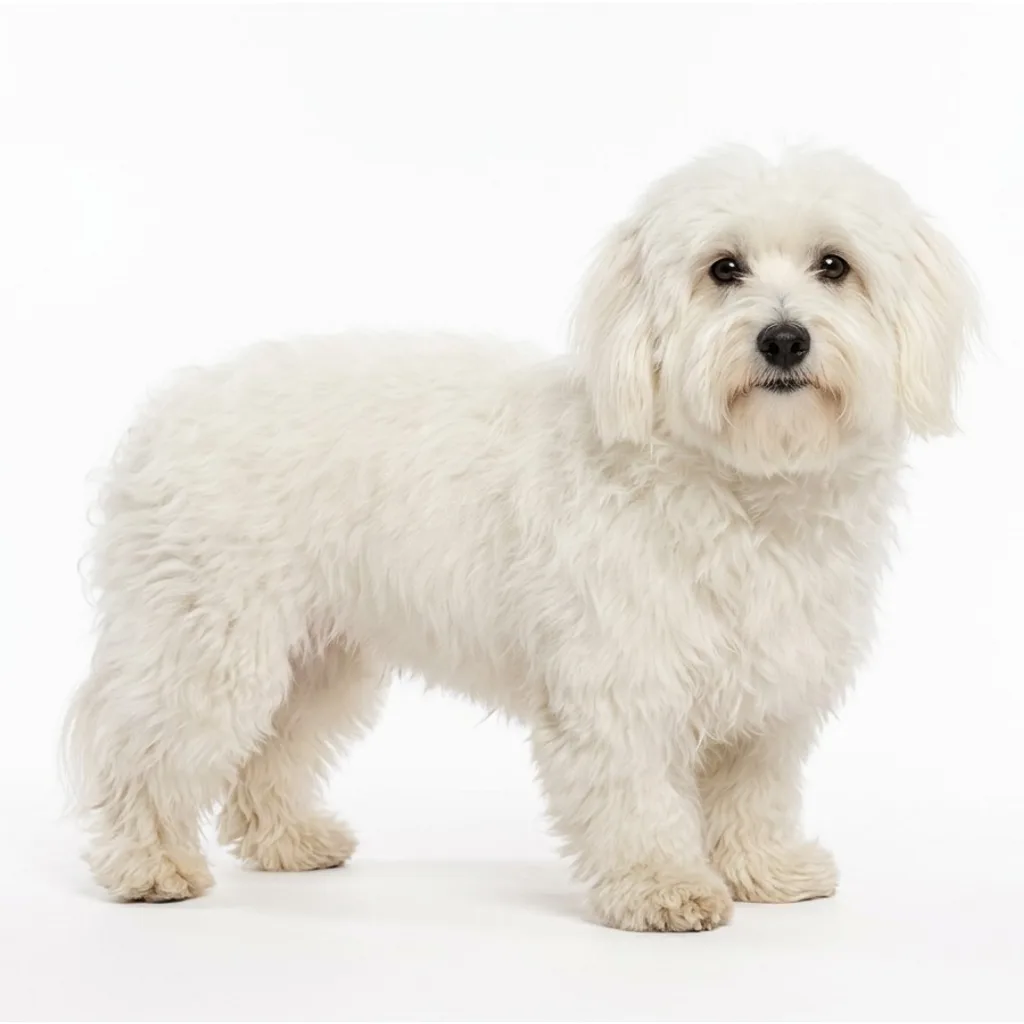
Cotón de Tuléar
The 'Royal Dog of Madagascar,' the Coton is a happy, vocal, and affectionate companion with a cotton-like coat. They are social butterflies that thrive on attention and are perfect for owners who want a true lap dog.
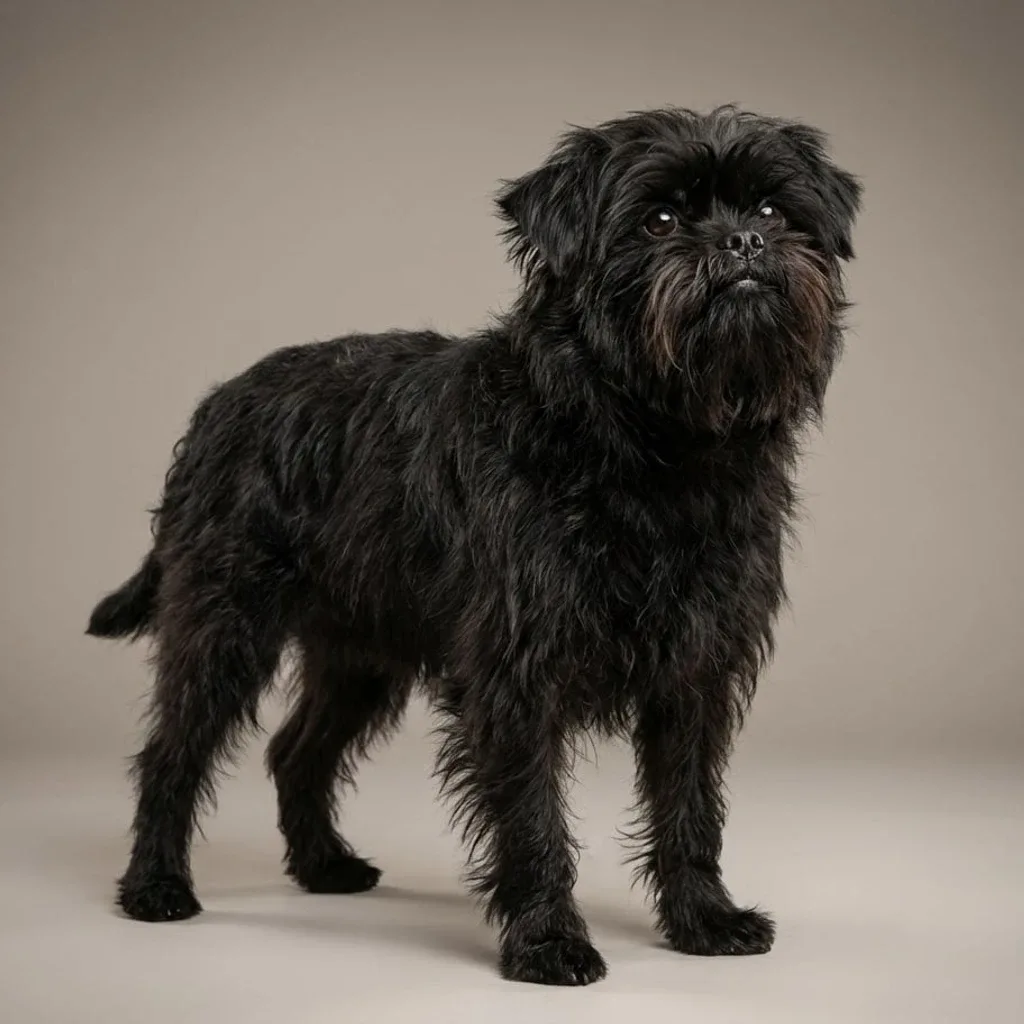
Affenpinscher
The Affenpinscher is a sturdy, monkey-like terrier-type toy breed known for its confidence and playful spirit. Despite its small size, it possesses a courageous heart and a loyal personality, making it a wonderful companion for Kiwi apartment dwellers or those with smaller sections.
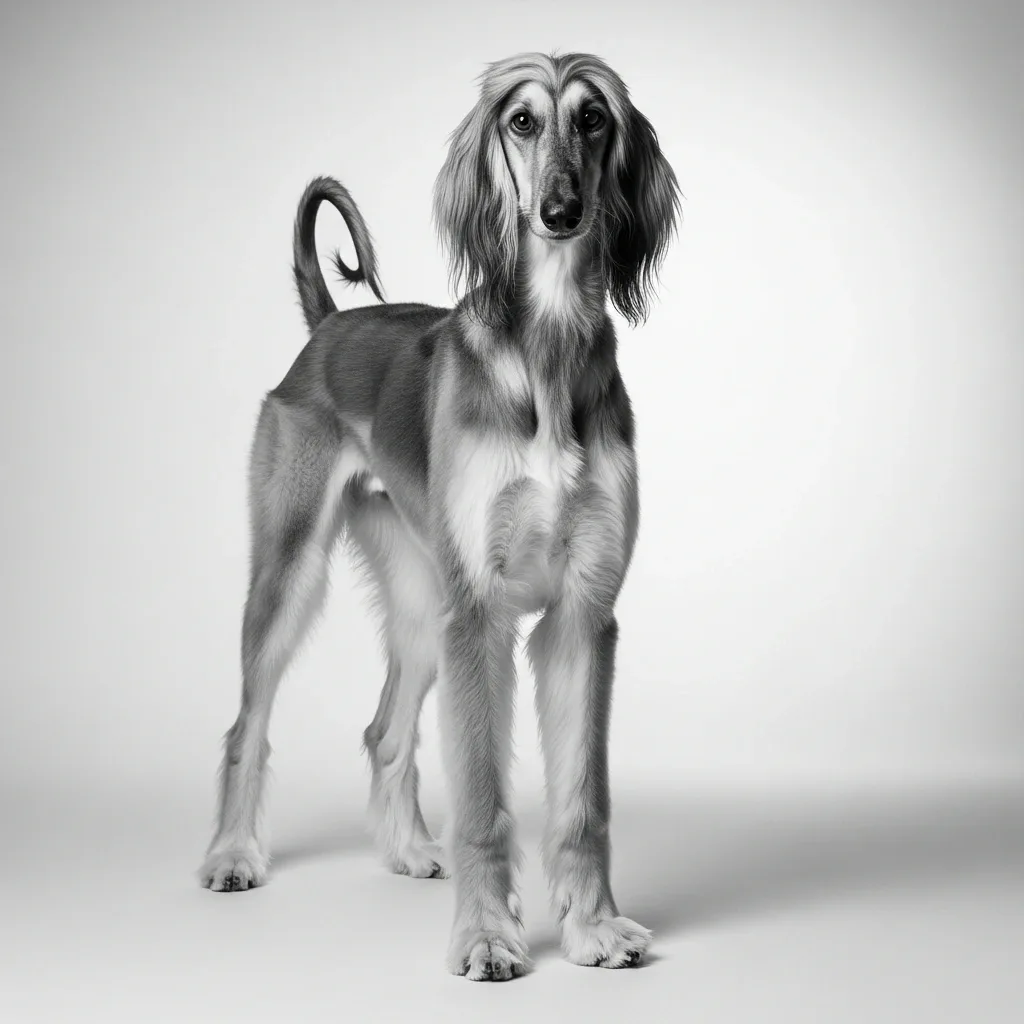
Afghan Hound
The Afghan Hound is an elegant aristocrat with a dignified and aloof personality. Known for its striking, silky coat, this breed is a high-maintenance beauty that requires ample space to run and an owner dedicated to its complex grooming needs.
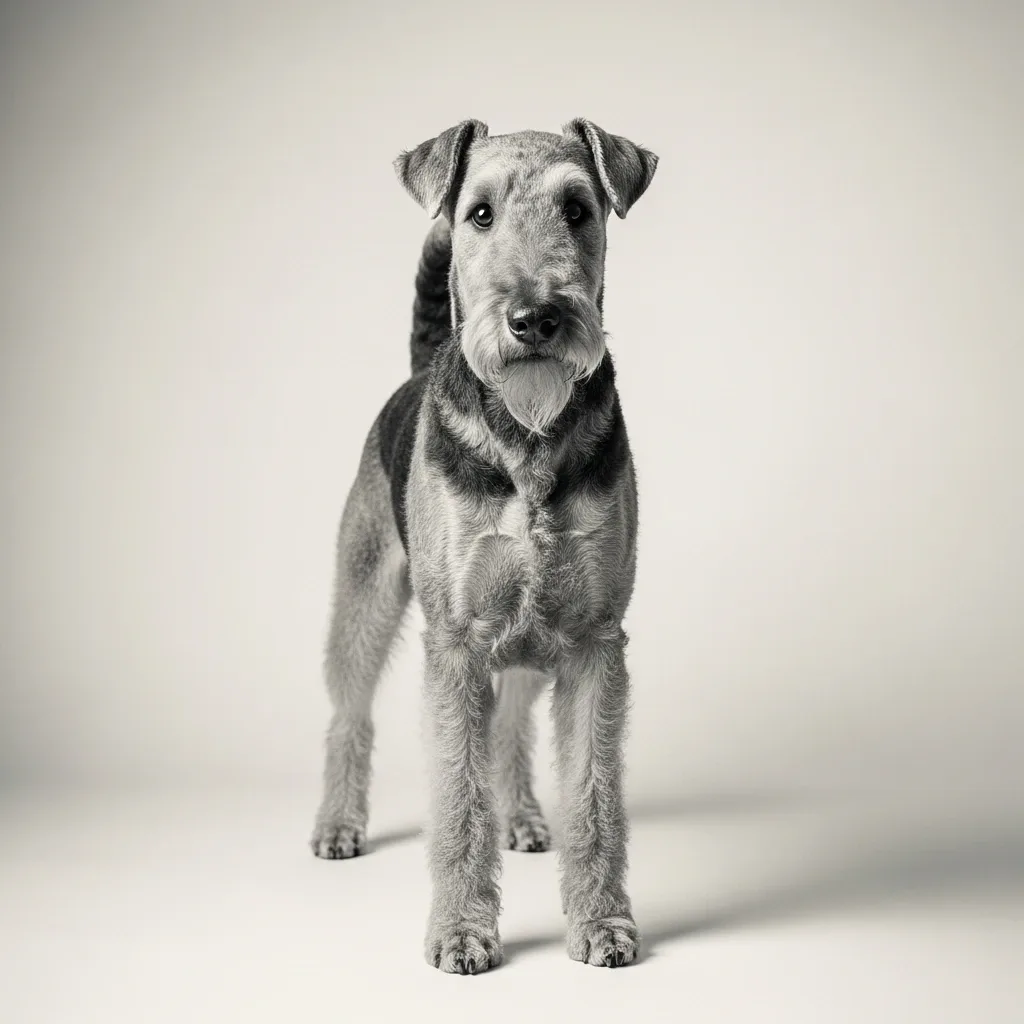
Airedale Terrier
The 'King of Terriers', the Airedale is the largest of all terrier breeds. They are brave, hardworking, and highly intelligent, making them excellent partners for active Kiwi families who love tramping and outdoor adventures.