Dog Breed Guide NZ
Cotón de Tuléar
Known as the 'Royal Dog of Madagascar,' the Cotón de Tuléar is a truly unique companion with a distinctive cotton-like coat that's surprisingly low-shedding. These happy, vocal, and incredibly affectionate dogs thrive on being the centre of attention, forming deep bonds with their families. Cotons are social butterflies, eager to please, and adapt well to various living situations, making them perfect for Kiwis seeking a devoted lap dog. Their playful nature and moderate exercise needs mean they're just as happy exploring a local reserve as they are snuggled up on the couch, fitting seamlessly into the relaxed New Zealand lifestyle.
Photo Gallery
Breed Snapshot
- Size
- 3.5-6 kg
- Lifespan
- 14-16 years
- Origin
- Being enriched
- Temperament
- The Coton de Tulear is a happy, stable and sociable companion breed. It is usually adaptable with people and other dogs, with a light-hearted nature that still needs regular company and kind training.
- NZ Price
- $3,500 - $6,000 NZD from registered breeders; $150-$350 NZD adoption via SPCA (when available)
- Annual Vet Cost
- Estimated annual vet costs for a Cotón de Tuléar in NZ typically range from $600 - $900 NZD. This includes routine check-ups, vaccinations, flea and worm treatments. However, owners should budget extra for potential breed-specific health issues such as patellar luxation (knee problems), which might require surgery costing several thousand dollars, or eye conditions that could incur specialist vet fees. Regular dental care, often overlooked, can also add to costs if professional cleaning is required.
Personality Scores
NZ Lifestyle Fit
The Cotón de Tuléar is remarkably adaptable to various New Zealand living situations. Their small stature makes them excellent apartment dwellers, even in bustling Auckland, provided they receive daily walks and mental stimulation. For homes with a section, they'll happily enjoy supervised outdoor playtime, though they prefer being indoors with their family. Rural NZ farm life might be less ideal unless they are primarily house dogs, as their coat can pick up burrs and debris, and they lack the protective instincts for livestock. Auckland's humid summers can increase the risk of matting in their cotton coat, necessitating diligent daily brushing. Conversely, South Island's cold winters mean they'll need a warm coat for outdoor excursions and a snug indoor environment. New Zealand's high UV index also means care should be taken to protect their skin, especially on areas with sparse fur like the nose, from sunburn during peak sun hours. MPI has no specific restrictions on the Cotón de Tuléar breed, making them straightforward to own in New Zealand.
Origins & History
The Cotón de Tuléar boasts a fascinating history, earning it the moniker 'Royal Dog of Madagascar.' Its lineage traces back several centuries to the island nation off the southeast coast of Africa. Believed to have originated from small white companion dogs brought to Madagascar by European travellers, possibly Bichon-type dogs, the Coton developed in isolation. Legend has it that these charming dogs were shipwrecked on the island and thrived, eventually becoming the pampered pets of the Malagasy royalty and wealthy elite. Their unique cotton-like coat, a result of natural selection in the tropical climate, helped them stand out. For centuries, the Coton remained largely unknown outside Madagascar, a closely guarded secret. It wasn't until the mid-20th century that the breed began to gain international recognition, with enthusiasts bringing them to Europe and eventually the rest of the world. Today, the Cotón de Tuléar is cherished globally for its delightful personality and distinctive appearance, a living testament to its royal and exotic past.
Appearance
The Cotón de Tuléar is a small, sturdy dog renowned for its signature coat, which is soft, fluffy, and feels like cotton to the touch – hence its name ('coton' is French for cotton). This unique coat is typically white, though some variations include splashes of lemon, black, or tri-colouring, particularly around the ears or body. Unlike many long-haired breeds, the Coton's coat is single-layered and surprisingly low-shedding, making it a popular choice for those with allergies. They possess expressive, dark, round eyes that convey intelligence and a joyful disposition. Their medium-length, slightly drooping ears are set high on the head, often framing their sweet face. Cotons are typically small, weighing between 4 to 6 kg and standing about 25 to 30 cm at the shoulder, with females generally being slightly smaller than males. Their tail is usually carried gaily over their back when alert or moving, adding to their cheerful demeanour. Overall, the Coton presents an endearing and elegant appearance, full of charm and character.
Temperament & Personality
If you're looking for a dog with a big personality in a small package, the Cotón de Tuléar delivers. These dogs are celebrated for their incredibly happy, outgoing, and affectionate nature. They are true 'clowns' of the canine world, often engaging in playful antics to entertain their families. Cotons are highly intelligent and eager to please, making them generally receptive to training, though their independent streak can sometimes surface. They thrive on human companionship and attention, forming strong bonds with their owners and often becoming true 'velcro dogs' that love to follow you from room to room. Their vocal nature means they will often 'talk' to you with various barks, yips, and grumbles, expressing their feelings. Socialisation from a young age is crucial to ensure they remain well-adjusted and friendly with strangers and other pets. They are known for their adaptability, fitting well into various household dynamics, from singles to families with children. While generally good-natured, they can be sensitive to harsh corrections, responding best to positive reinforcement. Their joyful spirit and unwavering devotion make them truly delightful companions.
Life in New Zealand
The Cotón de Tuléar's adaptable nature makes it a fantastic fit for life in New Zealand. Their small size means they can comfortably live in a city flat in Auckland or a house with a decent section in Christchurch. They adore being part of family activities, whether it's a stroll along a Wellington beach, a gentle walk around a local reserve, or simply relaxing on the bach deck. While their cotton coat is beautiful, it does require regular grooming to prevent matting, especially during humid Auckland summers or if they've been exploring damp bush tracks. In colder South Island winters, their single coat means they'll appreciate a warm jumper for outdoor excursions and a cosy spot indoors. They are generally robust little dogs, but like all breeds, they benefit from a high-quality diet and regular vet check-ups. Their social nature means they thrive when included in family outings, whether it's a trip to the local cafe or a weekend away. Kiwis who appreciate a devoted, playful, and charming companion will find the Coton to be an ideal addition to their whānau.
Is This the Right Breed for You?
The Cotón de Tuléar is an excellent choice for individuals or families who can offer consistent companionship and are prepared for regular grooming. Their need for attention means they are not suited to being left alone for long periods; they truly thrive when integrated into daily family life. If you're after a dog that loves to be involved, is playful, intelligent, and will shower you with affection, the Coton could be your perfect match. They generally get along well with respectful children and other pets, making them suitable for multi-pet households. Their moderate exercise needs mean they don't require extensive tramping but enjoy daily walks and playtime. Prospective owners should be ready for their vocal nature and commit to positive, consistent training. While their grooming needs are significant, their low-shedding coat is a big plus for many. If you're looking for a charming, devoted, and entertaining 'Royal Dog' to share your New Zealand life with, the Cotón de Tuléar might just be the ideal canine companion.
Fun Facts
Fact 1
The Cotón de Tuléar is often called the 'Royal Dog of Madagascar' due to its historical status as a pampered pet of Malagasy royalty.
Fact 2
Their name comes from the French word 'coton' (cotton) and 'Tuléar,' a port city in Madagascar, referring to their unique coat texture.
Fact 3
Cotons are known for their 'Coton de Tuléar bounce' – a distinctive springy gait when they walk or run.
Fact 4
They are one of the few dog breeds with a single coat, making them surprisingly low-shedding and often suitable for allergy sufferers.
Fact 5
Cotons are highly intelligent and have been known to learn a wide array of tricks, often referred to as 'clowns' for their playful antics.
Related Breeds
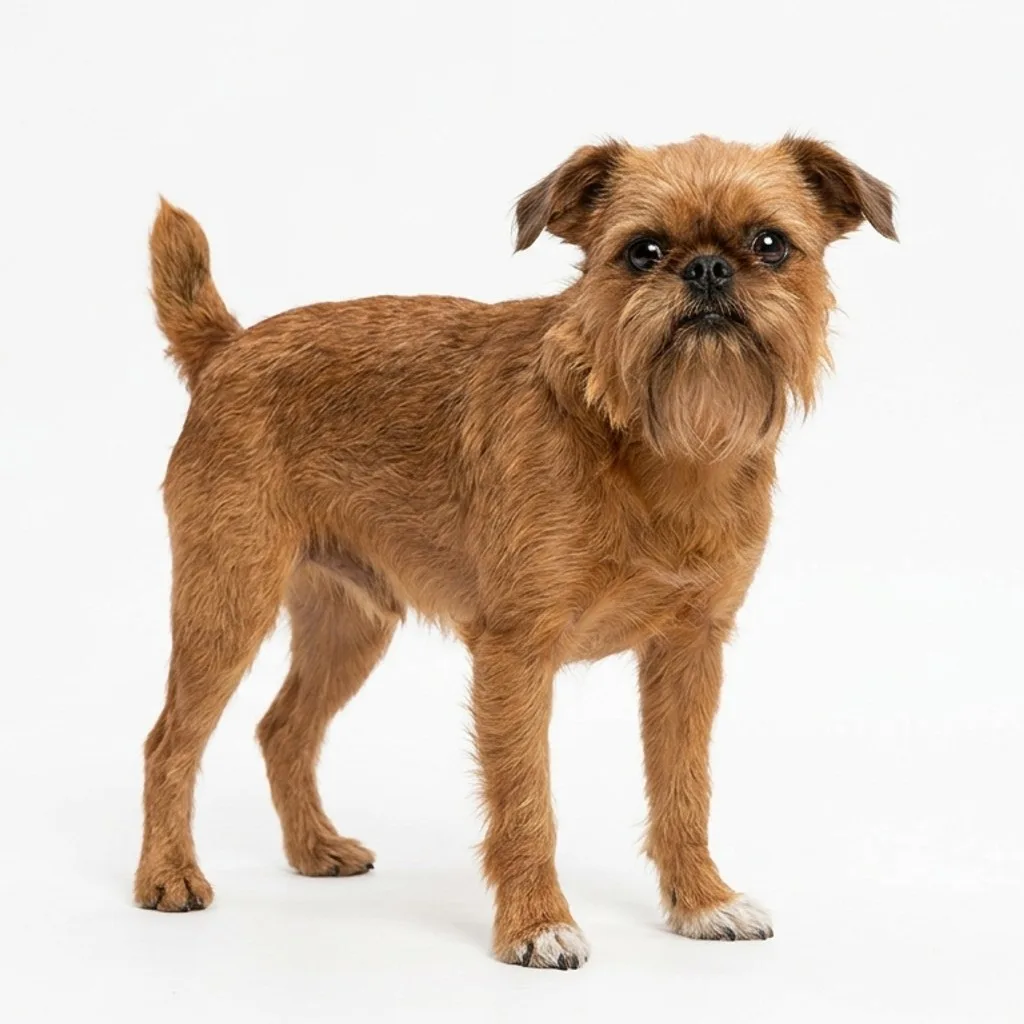
Griffon Bruxellois
A tiny dog with a massive personality and a human-like expression. Griffons are smart, alert, and deeply affectionate companions. They bond intensely with their owners and are perfect for apartment living.
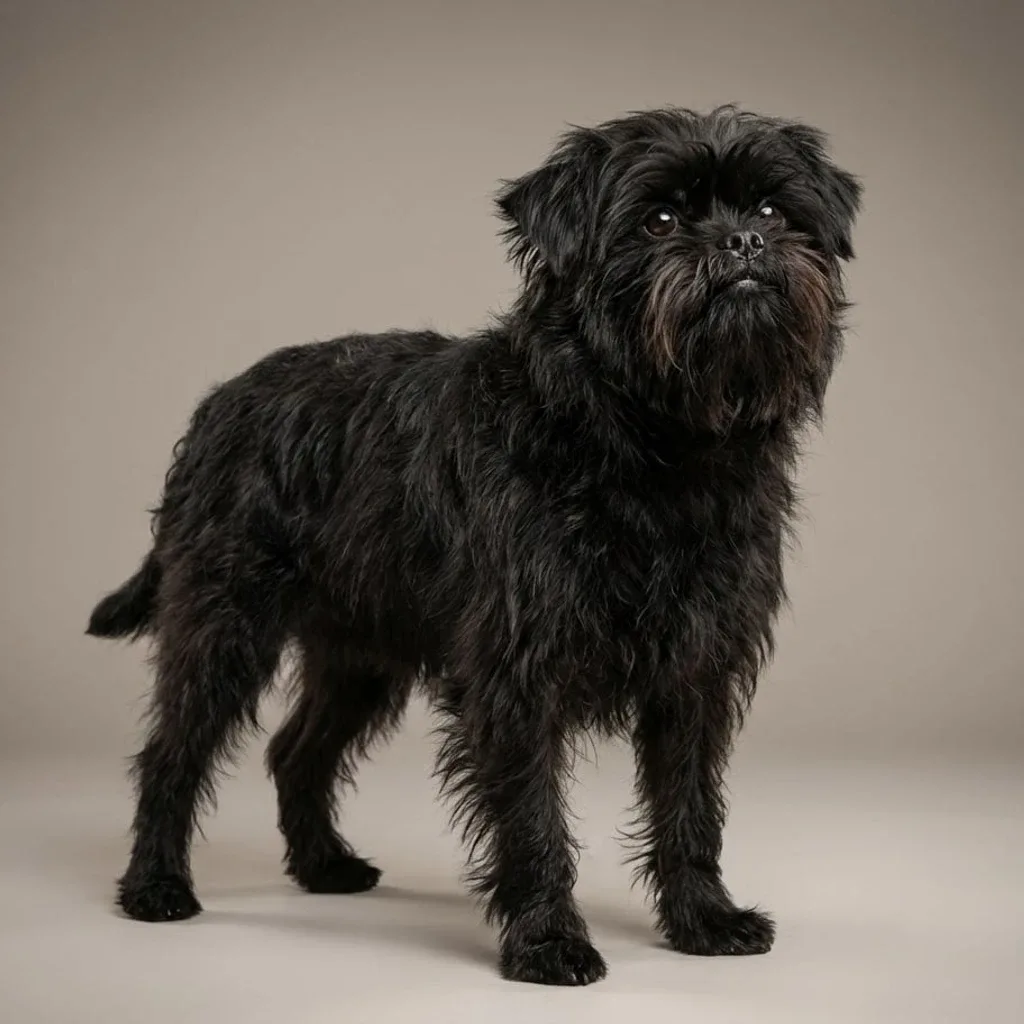
Affenpinscher
The Affenpinscher is a sturdy, monkey-like terrier-type toy breed known for its confidence and playful spirit. Despite its small size, it possesses a courageous heart and a loyal personality, making it a wonderful companion for Kiwi apartment dwellers or those with smaller sections.
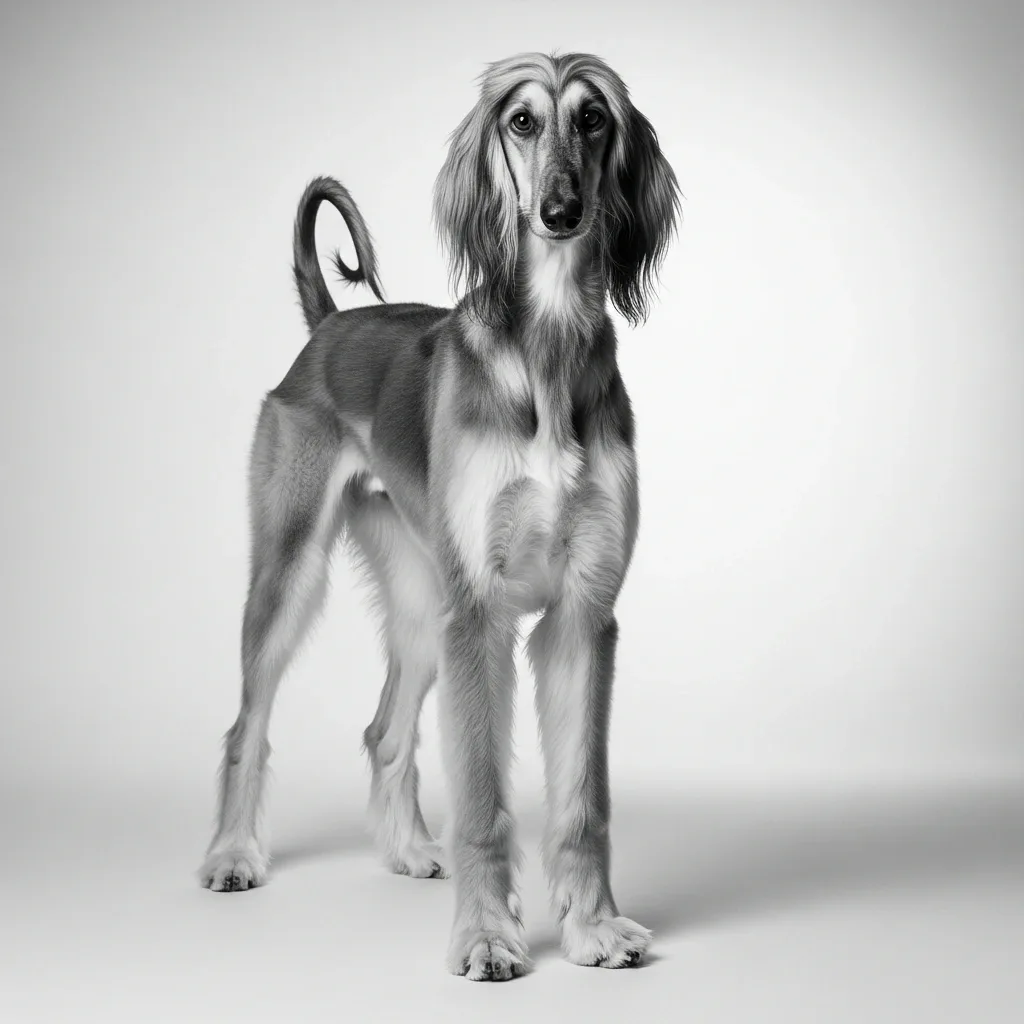
Afghan Hound
The Afghan Hound is an elegant aristocrat with a dignified and aloof personality. Known for its striking, silky coat, this breed is a high-maintenance beauty that requires ample space to run and an owner dedicated to its complex grooming needs.
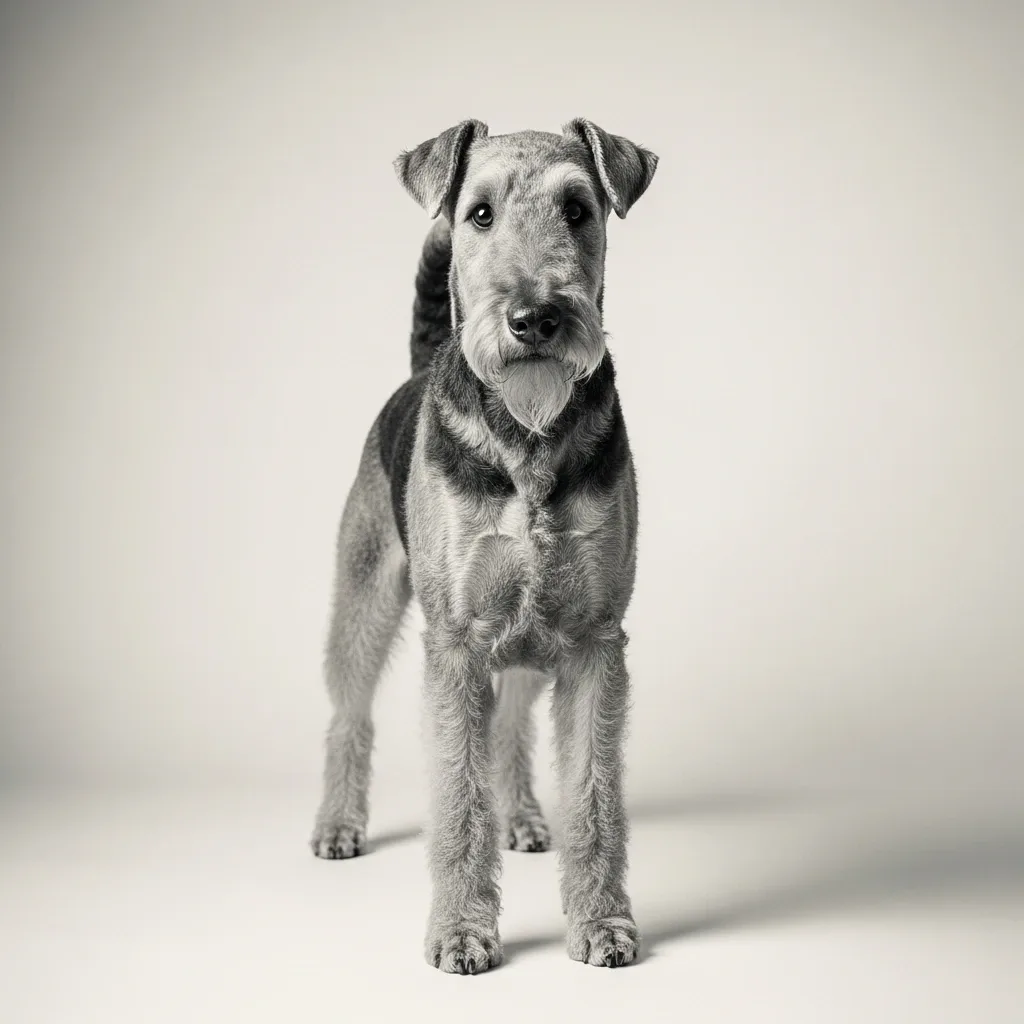
Airedale Terrier
The 'King of Terriers', the Airedale is the largest of all terrier breeds. They are brave, hardworking, and highly intelligent, making them excellent partners for active Kiwi families who love tramping and outdoor adventures.