Dog Breed Guide NZ
Great Pyrenees
Meet the majestic Great Pyrenees, a calm and dignified guardian dog known for its independent spirit and unwavering loyalty. Originating from the rugged Pyrenees Mountains, these gentle giants possess a thick, weather-resistant white double coat, perfectly suited for cooler climates. They are serious, intelligent, and deeply devoted to their family, often forming strong bonds with children and other pets. In New Zealand, their protective instincts make them ideal companions for families with large, securely fenced sections or rural properties, thriving in environments where they can survey their domain and offer steadfast companionship, particularly in the South Island's cooler regions.
Photo Gallery
Breed Snapshot
- Size
- 39-54 kg
- Lifespan
- 10-12 years
- Origin
- Being enriched
- Temperament
- The Great Pyrenees is usually calm, patient and steady, with a strong guardian streak. It can be mellow with family yet vigilant about home and boundaries, so confidence and consistency matter more than sharp obedience drilling.
- NZ Price
- $1,800 - $3,500 NZD from registered breeders; $200-$450 NZD adoption via SPCA NZ or breed-specific rescues, though Pyrs are less common for adoption.
- Annual Vet Cost
- Estimated annual veterinary expenses for a Great Pyrenees in New Zealand range from $1,200 to $2,500 NZD for routine healthcare. Because all veterinary medications, anaesthetics, vaccinations, and flea/worm treatments are priced by weight (45–65+ kg), routine care is considerably higher than for average dogs. Major clinical conditions carry substantial financial impacts: emergency surgical decompression and gastropexy for Gastric Dilatation-Volvulus (GDV/bloat) ranges from $4,500 to $8,500+ NZD; total hip replacement or femoral osteotomy for severe hip dysplasia costs $5,000–$10,000 NZD per joint; and corrective eyelid surgery for entropion or ectropion costs $1,200–$2,200 NZD. Securing giant-breed pet insurance early in puppyhood is essential.
Personality Scores
NZ Lifestyle Fit
The Great Pyrenees (Pyrenean Mountain Dog) is a majestic, ancient livestock guardian dog bred to protect flocks independently in the high mountain pastures of Europe. In New Zealand, this breed is fundamentally unsuited to high-density urban environments, small suburban sections, and apartments in Auckland or Wellington. Their innate instinct to bark loudly throughout the night at unfamiliar sounds and perceived threats almost invariably leads to severe council noise complaints under the Dog Control Act 1996 in suburban settings. They thrive best on rural lifestyle blocks, sheep stations, and expansive semi-rural properties where their calm, watchful guardian temperament can be utilized constructively. Fencing is a critical requirement: Pyrs possess a natural territorial wandering instinct, requiring robust 1.5-to-1.8-metre boundary fences to prevent roaming into neighbouring farms. Their dense, weather-resistant double coat provides superb protection against South Island snow and Canterbury frosts, but humid North Island summers require ample shade, cold water troughs, and cool indoor surfaces to prevent heat exhaustion. In NZ, purebred Pyrenean Mountain Dogs are bred and registered under Dogs NZ (New Zealand Kennel Club) breed standards.
Origins & History
The Great Pyrenees, known in its native France as the 'Chien de Montagne des Pyrénées' or 'Patou', boasts a long and storied history as a livestock guardian dog. For centuries, these magnificent canines have protected flocks of sheep from predators like wolves and bears in the harsh, mountainous regions between France and Spain. Their role was to deter threats through their imposing presence and, if necessary, to confront them. This ancient lineage has instilled in them a unique blend of independence, courage, and a deep-seated protective instinct. Unlike herding dogs, Pyrs were bred to work autonomously, making decisions on their own to safeguard their charges, a trait that remains central to their personality today. Their history is one of quiet vigilance and unwavering loyalty to their flock, which, in modern times, translates to their human families.
Appearance
The Great Pyrenees is a large, powerfully built dog, exuding an air of nobility and strength. Males typically stand 69-81 cm at the shoulder and weigh 45-57 kg, while females are slightly smaller at 64-74 cm and 38-50 kg. Their most striking feature is their luxurious, thick double coat, which is predominantly white, often with markings of badger, grey, or tan, particularly around the ears or tail. This dense coat provides excellent insulation against both cold and heat. They have a majestic head, dark, intelligent eyes, and a plumed tail that curls over their back when alert. A distinctive characteristic is the presence of double dewclaws on their hind legs, a genetic trait believed to aid in traction on steep, uneven terrain.
Temperament & Personality
True to their guardian heritage, Great Pyrenees are calm, serious, and patient dogs. They are known for their gentle nature with their own family, especially children and other pets, often displaying a remarkable tolerance and protectiveness. However, their independent spirit means they are not always eager to please and can be quite stubborn. They are naturally wary of strangers and possess a strong territorial instinct, making them excellent watchdogs. While not aggressive, they will stand their ground if they perceive a threat. Early socialisation and consistent, positive reinforcement training are crucial to ensure they grow into well-adjusted companions. They are not high-energy dogs but enjoy surveying their property and a good daily walk.
Life in New Zealand
The Great Pyrenees' thick double coat makes them well-suited for New Zealand's cooler South Island winters, where they can truly thrive. However, owners in warmer, more humid regions like Auckland during summer will need to take precautions to prevent overheating, ensuring ample shade, fresh water, and avoiding strenuous exercise during the hottest parts of the day. Their need for space means they are best suited to homes with large, securely fenced sections or rural properties where their guardian instincts can be satisfied. They are not typically suited to apartment living. Their calm demeanour makes them wonderful family pets, and their protective nature can be a comfort, provided they are properly socialised and trained from a young age. With the right environment and care, a Great Pyrenees can be a cherished member of a Kiwi household.
Is This the Right Breed for You?
Adopting a Great Pyrenees is a significant commitment. Prospective owners must be prepared for a large dog with specific needs. They require a spacious, securely fenced property – a small flat or unfenced section simply won't do. Their independent nature means they are not as easily trained as some other breeds, requiring patience, consistency, and a firm but gentle hand. Socialisation from puppyhood is paramount to ensure they are comfortable with visitors and new experiences. Their thick coat demands regular grooming to prevent matting and manage shedding. While generally healthy, they are prone to certain large breed health issues. If you can provide a loving, spacious home, commit to their unique training and grooming needs, and appreciate their calm, protective nature, a Great Pyrenees can be an incredibly rewarding and loyal companion, perfectly suited to a rural or semi-rural Kiwi lifestyle.
Fun Facts
Fact 1
Great Pyrenees were historically used as royal guard dogs in France, with King Louis XIV declaring them the 'Royal Dog of France' in 1675.
Fact 2
They possess a unique 'double dewclaw' on their hind legs, a genetic trait believed to aid their traction on mountainous terrain.
Fact 3
Despite their large size, Pyrs are known for their 'cat-like' stealth and quiet movement, often surprising people with their silent approach.
Fact 4
Their thick white coat not only provides insulation but also helps them blend in with sheep, making them less conspicuous to predators.
Fact 5
Great Pyrenees are known to be nocturnal to some extent, a remnant of their guardian role where predators were most active at night.
Related Breeds
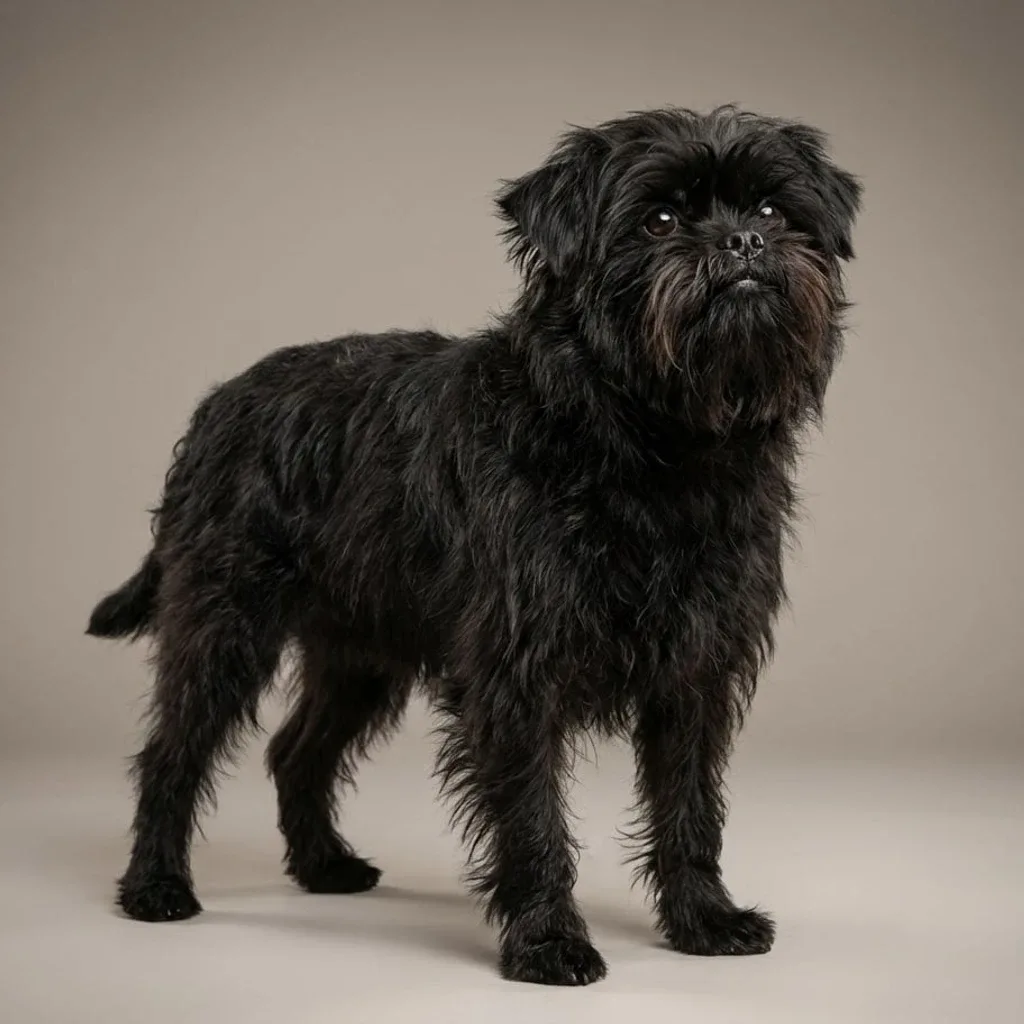
Affenpinscher
The Affenpinscher is a sturdy, monkey-like terrier-type toy breed known for its confidence and playful spirit. Despite its small size, it possesses a courageous heart and a loyal personality, making it a wonderful companion for Kiwi apartment dwellers or those with smaller sections.
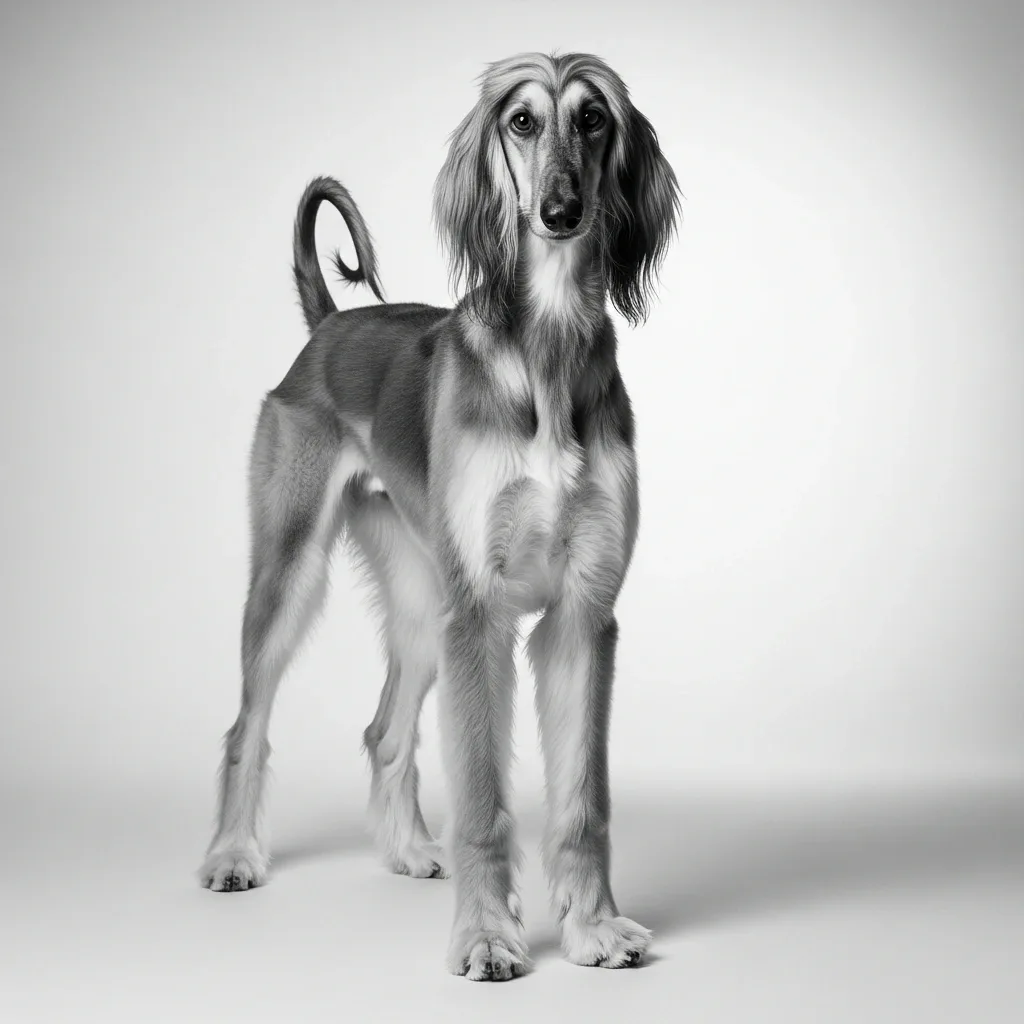
Afghan Hound
The Afghan Hound is an elegant aristocrat with a dignified and aloof personality. Known for its striking, silky coat, this breed is a high-maintenance beauty that requires ample space to run and an owner dedicated to its complex grooming needs.
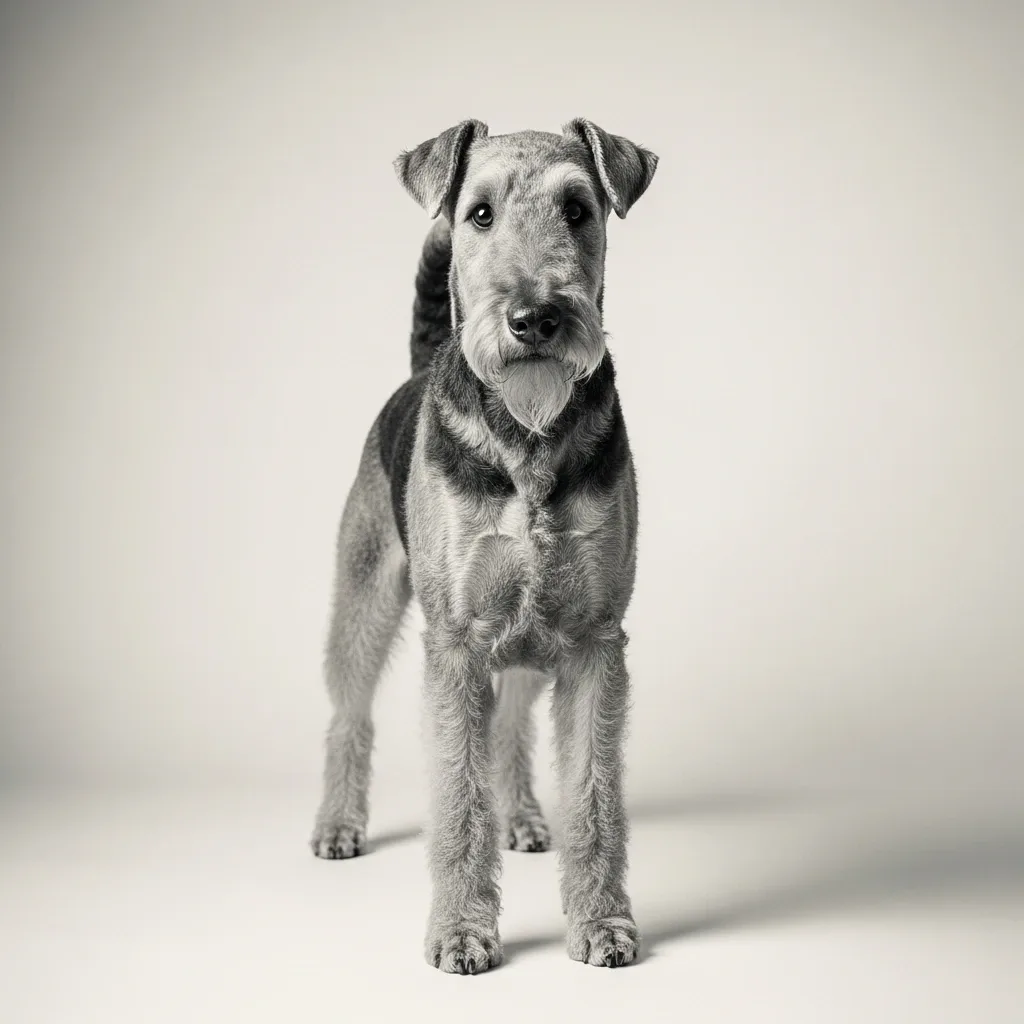
Airedale Terrier
The 'King of Terriers', the Airedale is the largest of all terrier breeds. They are brave, hardworking, and highly intelligent, making them excellent partners for active Kiwi families who love tramping and outdoor adventures.
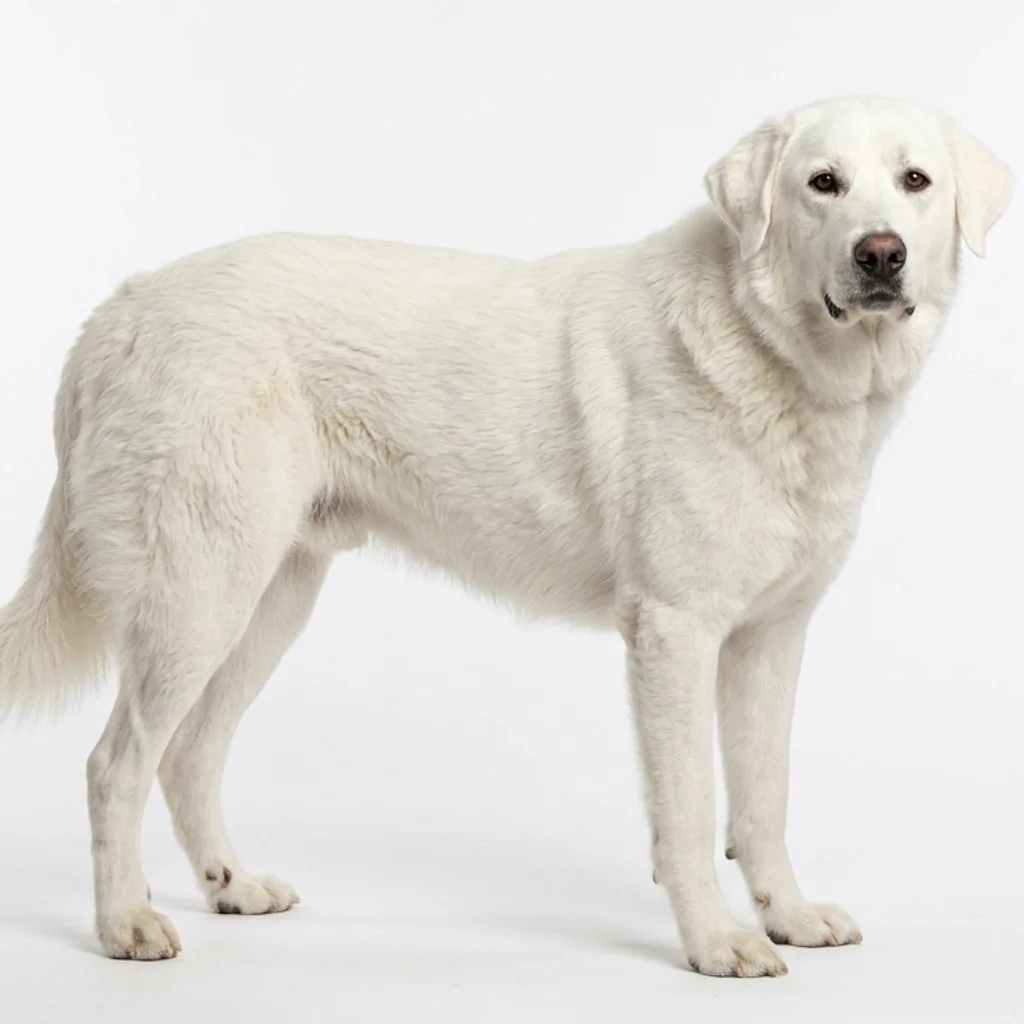
Akbash Dog
Originally a Turkish livestock guardian, the Akbash is a serious, protective, and independent breed. They are not suited for apartment living and thrive on large NZ lifestyle blocks where they can have a 'territory' to watch over.