Dog Breed Guide NZ
Great Dane
Often called the 'Apollo of Dogs,' the Great Dane is a truly magnificent breed, embodying a noble spirit within a gentle giant's frame. Despite their imposing size, these dogs are deeply affectionate and surprisingly low-energy indoors, making them wonderful, calm companions for families. They thrive on human companionship and are known for their unwavering loyalty. While they require ample space to stretch out, their easy-going nature makes them adaptable to various home environments, provided they have a secure, decent-sized section to call their own. For Kiwi families with the room and a commitment to their care, a Great Dane can be an incredibly rewarding and loving addition to the whānau.
Photo Gallery
Breed Snapshot
- Size
- Male: 64-79 kg; Female: 50-64 kg
- Lifespan
- 7-10 years
- Origin
- Being enriched
- Temperament
- Friendly, gentle, confident, loyal, affectionate
- NZ Price
- NZ Great Dane breeders rarely advertise prices publicly — contact NZKC-registered breeders or Great Dane rescue directly for current pricing. $150-$350 NZD adoption via SPCA or breed rescue (when available).
- Annual Vet Cost
- Estimated annual vet costs for a Great Dane in NZ can range from $1,200 - $2,500+ NZD. This includes routine care like vaccinations, worming, and flea/tick prevention. However, Great Danes are prone to several serious health issues that can significantly increase costs. These include Gastric Dilatation-Volvulus (GDV or bloat), which is a life-threatening emergency requiring immediate, expensive surgery (potentially $3,000 - $8,000+ per incident). They are also susceptible to hip and elbow dysplasia, dilated cardiomyopathy (DCM), Wobbler syndrome, and osteosarcoma (bone cancer), all of which can incur substantial diagnostic and treatment expenses.
Personality Scores
NZ Lifestyle Fit
Great Danes are adaptable, but their size dictates their ideal living situation in New Zealand. An apartment in Auckland, while possible if the dog gets extensive daily exercise, is generally not ideal due to their sheer bulk; they need space to stretch out. A house with a good-sized, securely fenced section is far more suitable, allowing them to enjoy the outdoors safely. Rural NZ farm life can suit them well, provided they are indoor family members and not relegated to an outdoor-only existence. Owners in rural areas should be mindful of leptospirosis risks near stagnant water or livestock and ensure their Dane is vaccinated. Auckland's humid summers are generally manageable for their short coat, but access to shade and water is vital. South Island cold winters will require a warm, insulated sleeping area, as their short coat offers little protection. High UV levels across NZ mean light-coloured Danes might need extra shade or even sun protection on sensitive areas. MPI has no specific restrictions on Great Danes.
The Great Dane, often hailed as the 'Apollo of Dogs,' is a breed of unparalleled majesty and gentle disposition. Despite their towering presence, these dogs are renowned for their affectionate nature, making them cherished family members across New Zealand.
Origins & History
Despite their name, Great Danes do not originate from Denmark but rather from Germany, where they were developed centuries ago. Their ancestors were powerful mastiff-like dogs used by the German nobility for hunting wild boar and deer. These formidable dogs were bred for strength, speed, and courage, capable of tackling large, dangerous game. Over time, as hunting practices evolved, the breed's role shifted from hunter to noble companion and estate guardian. Selective breeding refined their temperament, producing the gentle giant we know today, while retaining their impressive stature and elegant lines. The breed was officially recognised as the 'Deutsche Dogge' (German Mastiff) in Germany, though the English name 'Great Dane' persisted internationally.
Appearance
The Great Dane is a truly impressive sight, characterised by its immense size, powerful yet elegant build, and noble head. Males typically stand between 76-86 cm at the shoulder and weigh 64-79 kg, while females are slightly smaller at 71-81 cm and 50-64 kg. Their short, dense coat comes in a variety of striking colours, including fawn (golden yellow with a black mask), brindle (fawn with black stripes), blue (steel blue), black, harlequin (white with torn black patches), and mantle (black with white markings). Their eyes are intelligent and expressive, and their ears can be natural or, historically, cropped (though cropping is now largely banned in many countries, including New Zealand). Their overall appearance exudes strength, dignity, and grace, earning them the nickname 'king of dogs.'
Temperament & Personality
Beneath their imposing exterior, Great Danes possess a heart of gold. They are famously known as 'gentle giants,' displaying a friendly, gentle, and affectionate temperament. They are deeply devoted to their families and thrive on human companionship, often seeking to be close to their loved ones, even attempting to become lap dogs despite their size! Great Danes are generally good with children, often displaying remarkable patience and tolerance, and can get along well with other pets if properly socialised from a young age. They are confident and loyal, making them excellent guardians, though their protective instincts are usually expressed through their imposing presence rather than aggression. While they possess a calm demeanour indoors, they are also playful and enjoy a good romp outdoors.
Life in New Zealand
Great Danes can thrive in New Zealand homes, provided their specific needs are met. Their short coat means they are not overly tolerant of extreme cold, so a warm, dry indoor sleeping area is essential, particularly during South Island winters. In humid Auckland summers, their short coat is an advantage, but access to shade and fresh water is crucial. Their size necessitates a home with a good-sized, securely fenced section where they can stretch their legs and enjoy fresh air. They are not suited to small flats without regular, significant outdoor access. Quality large-breed specific dog food is readily available in NZ, as is expert veterinary care for their unique health considerations. Many Kiwi families appreciate their calm indoor presence and their majestic appearance on a walk through a local reserve or beach.
Is This the Right Breed for You?
Bringing a Great Dane into your home is a significant commitment. Their gentle, loving nature makes them incredible companions, but their size comes with responsibilities. Prospective owners must be prepared for the costs associated with feeding and veterinary care for a giant breed. Early socialisation and consistent positive reinforcement training are paramount to ensure they grow into well-behaved adults. They need a family that can provide them with ample space, daily exercise, and, most importantly, abundant love and inclusion in family life. If you're looking for a loyal, affectionate, and truly magnificent companion who will be a gentle giant to your whānau, and you have the resources and space to accommodate them, the Great Dane might just be your perfect match.
Fun Facts
Fact 1
The Great Dane holds the record for the tallest dog breed in the world, with some individuals standing over a metre tall at the shoulder.
Fact 2
The famous cartoon character Scooby-Doo is a Great Dane, known for his cowardly but lovable personality.
Fact 3
Despite their name, the Great Dane breed actually originated in Germany, not Denmark, where they are known as 'Deutsche Dogge' (German Mastiff).
Fact 4
Historically, Great Danes were bred to hunt wild boar and deer, showcasing their strength and courage.
Fact 5
Great Danes have a relatively short lifespan compared to many other dog breeds, typically living between 7 to 10 years.
Related Breeds
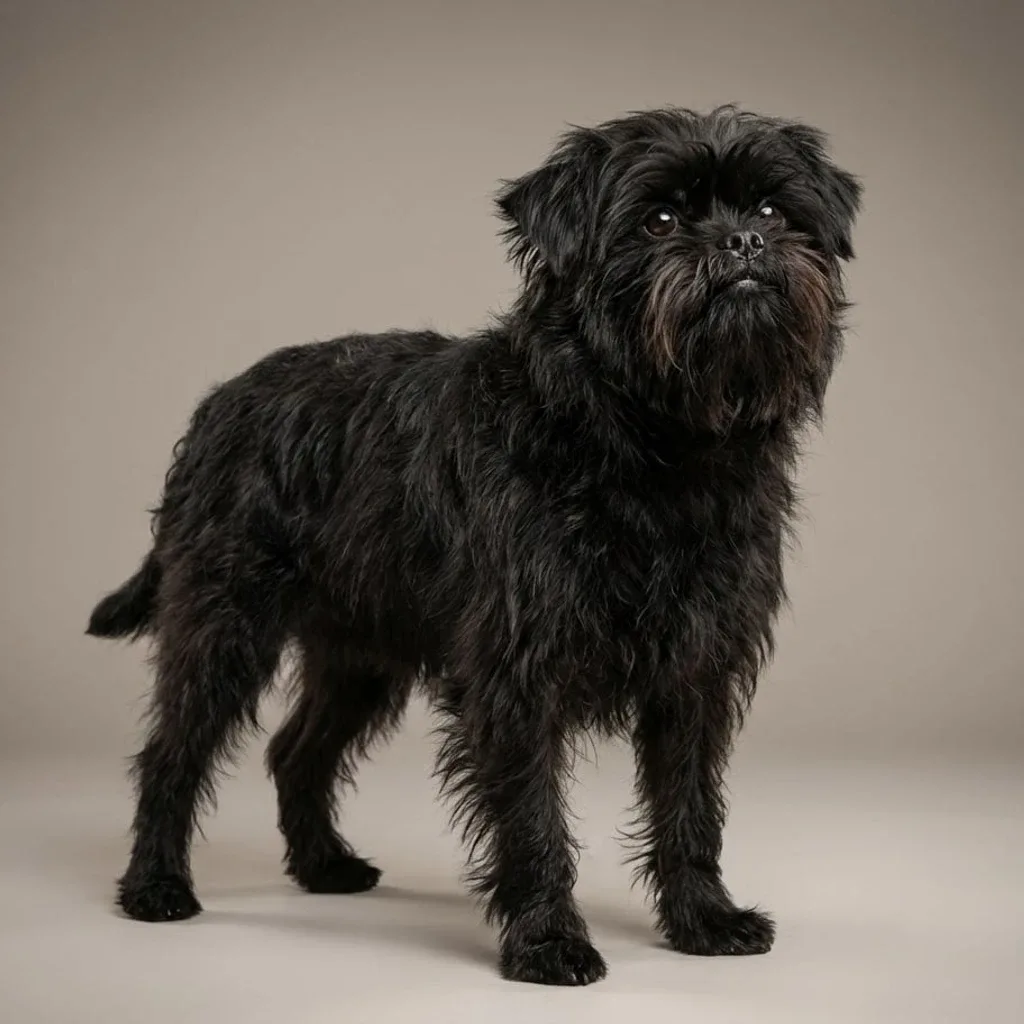
Affenpinscher
The Affenpinscher is a sturdy, monkey-like terrier-type toy breed known for its confidence and playful spirit. Despite its small size, it possesses a courageous heart and a loyal personality, making it a wonderful companion for Kiwi apartment dwellers or those with smaller sections.
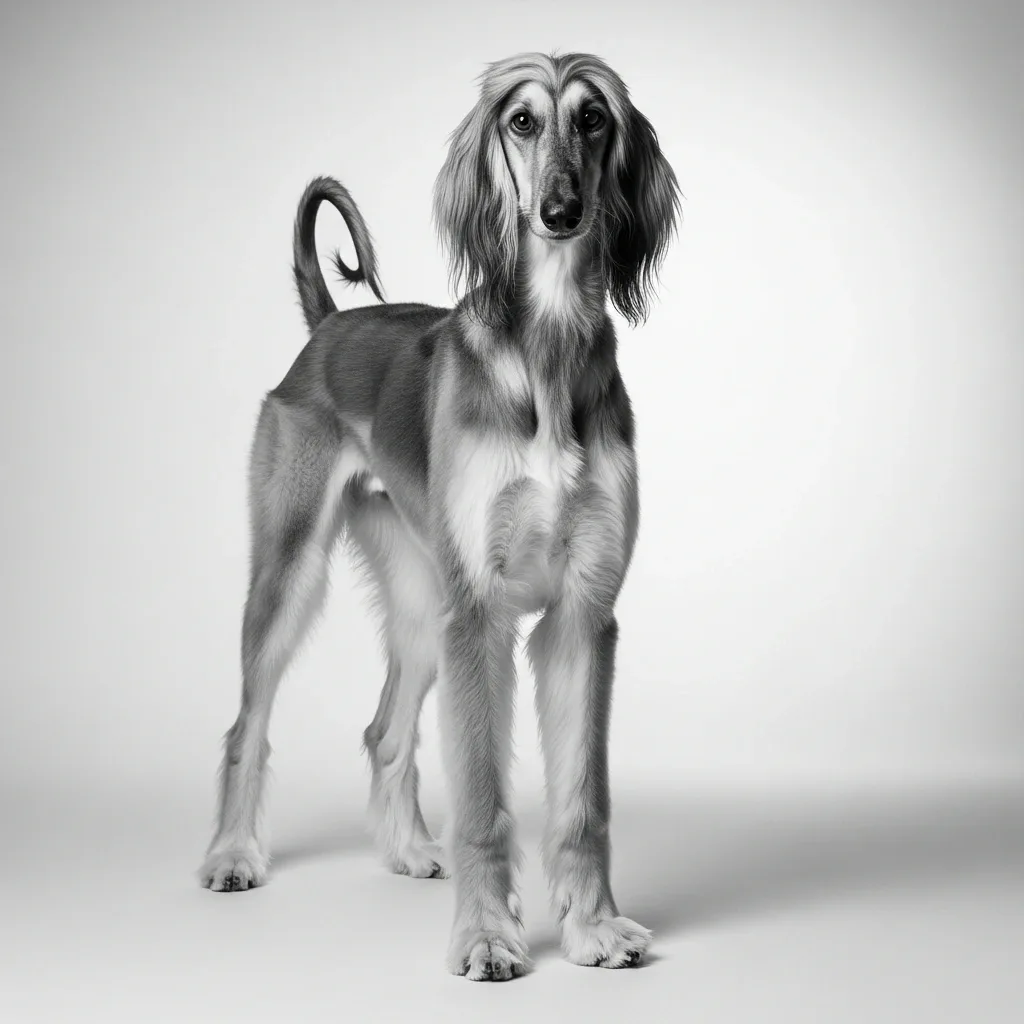
Afghan Hound
The Afghan Hound is an elegant aristocrat with a dignified and aloof personality. Known for its striking, silky coat, this breed is a high-maintenance beauty that requires ample space to run and an owner dedicated to its complex grooming needs.
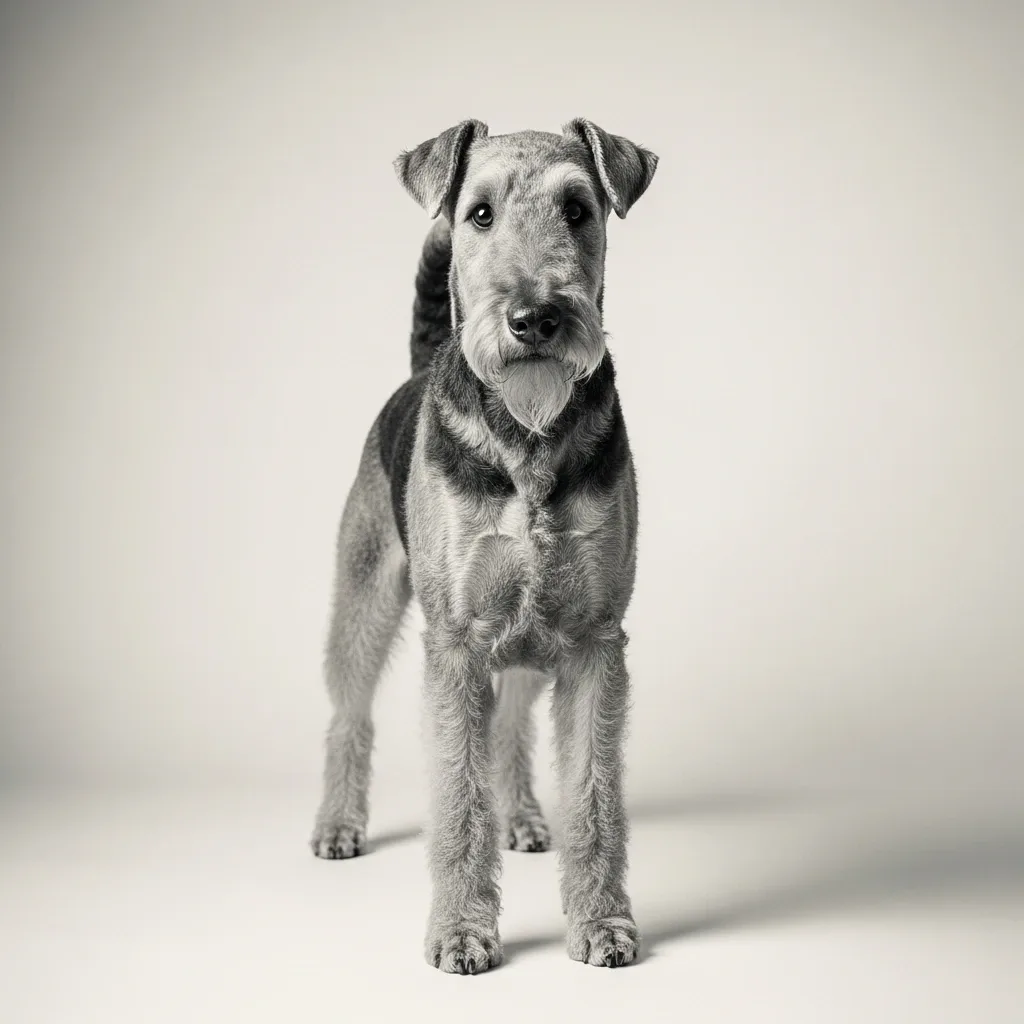
Airedale Terrier
The 'King of Terriers', the Airedale is the largest of all terrier breeds. They are brave, hardworking, and highly intelligent, making them excellent partners for active Kiwi families who love tramping and outdoor adventures.
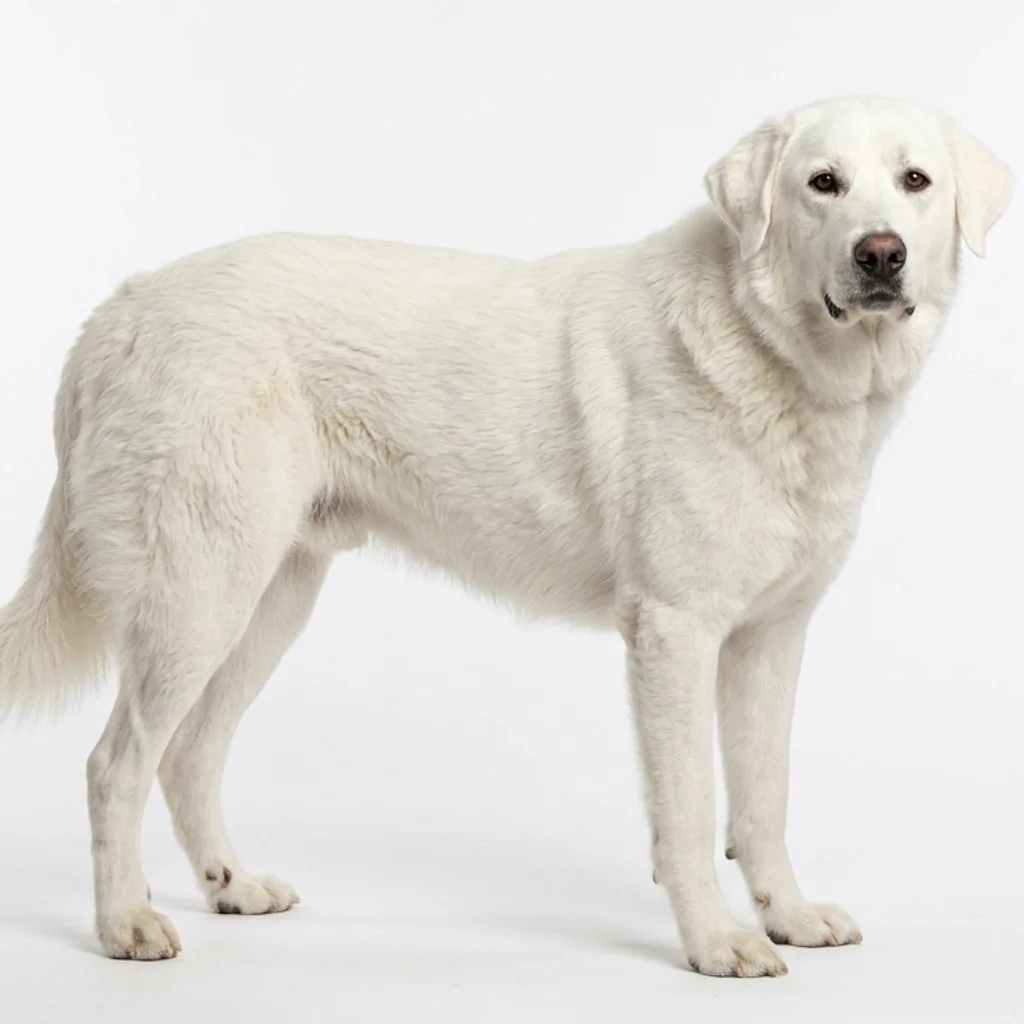
Akbash Dog
Originally a Turkish livestock guardian, the Akbash is a serious, protective, and independent breed. They are not suited for apartment living and thrive on large NZ lifestyle blocks where they can have a 'territory' to watch over.